Getting a Fishing License (Fisketegn) in Denmark
So, you've settled into Denmark, maybe you've got your apartment sorted through a platform like Renting in Denmark: Complete Guide for Expats (2027), found your local supermarket, and you're starting to get a feel for this hyggelige corner of the world. Now, the waters beckon. Perhaps you've seen a local casting a line into a fjord, or heard tales of massive sea trout in the Öresund, and a familiar itch starts to set in. "Can I just grab a rod and go?" you wonder. Well, my friend, that's where the Fisketegn, or fishing license, comes into play. It's not as simple as showing up, but it's far from impossible, and this guide is here to walk you through exactly how to get your Danish fishing license and what you need to know to cast your line legally and responsibly.
The Essential Danish Fishing License: What It Is and Who Needs It
Many new arrivals, especially from countries with more relaxed recreational fishing rules, might assume they can simply find a spot and start fishing. I certainly did when I first got here, only to be politely informed by a very patient local that "man skal have et fisketegn." It's one of those uniquely Danish administrative details that you just don't anticipate, but it's absolutely crucial if you want to enjoy Denmark's beautiful waters without running afoul of the law.
Why Denmark Requires a Fisketegn
At its heart, the requirement for a Fisketegn isn't just about collecting money; it's a fundamental part of Denmark's commitment to environmental stewardship and sustainable resource management. The funds generated from these licenses go directly into programs that support fish conservation, maintain healthy aquatic ecosystems, and manage fish stocks in both freshwater and marine environments. This includes everything from monitoring fish populations and ensuring breeding grounds are protected to removing invasive species and improving water quality.
When you purchase a Fisketegn, you're not just buying a piece of paper; you're contributing to the long-term health of Denmark's diverse fish habitats. It's a collective effort to ensure that the waters remain vibrant for future generations of anglers and for the ecosystem as a whole. While it might feel like another bureaucratic hurdle, especially when you're still navigating things like The CPR Registration Rule: Why Your Address Matters or figuring out NemKonto and MitID: The Core of Danish Digital Finance (2027), understanding its purpose can make the process feel a bit less tedious. It's a small price to pay for access to some truly fantastic fishing opportunities.
Who Exactly Needs This License?
This is a critical distinction that often catches expats off guard. Generally speaking, anyone between the ages of 18 and 65 who wants to engage in recreational fishing in Denmark's public waters needs a Fisketegn. This applies whether you're fly-fishing in a river, spinning for sea trout along the coast, or bottom-fishing from a pier. If you're holding a rod and attempting to catch fish, you need one.
There are, however, some important exceptions to remember:
- Children under 18: If you're a proud parent wanting to introduce your little ones to the joys of fishing, good news! They do not need a Fisketegn. This is a lovely aspect of Danish culture that encourages outdoor activities for families.
- Seniors over 65: Once you hit your 66th birthday, you are also exempt from needing the general fishing license. However, some local regulations or private waters might still require a specific permit, so it's always wise to double-check.
- "Put-and-Take" Lakes: This is a big one and often a point of confusion. Denmark has numerous private "put-and-take" lakes (put-and-take søer) where fish (typically rainbow trout) are regularly stocked. At these lakes, you pay a fee directly to the lake owner, usually by the hour or per fish caught, and this fee generally covers your right to fish there. You do not need the national Fisketegn to fish in these private waters, but you must adhere to the lake's specific rules. These are often excellent spots for beginners or those just wanting a guaranteed catch without navigating the complexities of public water regulations. It’s also a great option if you're on a short visit and don't want the hassle of applying for a full license.
So, for most adult expats living in Denmark and wanting to fish in the sea, fjords, larger lakes, or regulated rivers, the Fisketegn is non-negotiable. Don't risk a fine; it's easy enough to get.
Your Step-by-Step Guide to Acquiring a Danish Fishing License Online
One of the beauties of Danish bureaucracy, once you get the hang of it, is its digital efficiency. Getting your Fisketegn is a prime example of this; it's an entirely online process, which is a huge relief for many who dread paper forms and office visits.
The Digital Doorway: Fisketegn.dk
Your one-stop shop for everything related to the national fishing license is the official website: www.fisketegn.dk. This is managed by the Danish Agency for Agriculture and Fisheries, and it's the only legitimate place to purchase your official license.
Now, a small word of warning, as a seasoned expat: while Denmark is generally excellent with English resources, some official websites can still be a bit… Danish. You might find some sections are only in Danish, or the English translation isn't perfect. Don't let that deter you! Look for an English language option, usually a small flag icon or "English" text in the top corner. If all else fails, a quick right-click and "Translate to English" in your browser can usually get you through. It’s a common frustration, but with a bit of patience, you'll manage.
The Application Process: Information and Payment
The actual process is fairly straightforward once you're on the website. Here’s what you can expect:
- Select License Type and Duration: You'll first need to choose which type of license you want (more on the options and costs below) – typically a day, week, or year.
- Provide Personal Information: You'll be asked for your full name, date of birth, and address. Crucially, you do not need a CPR number to get a Fisketegn. This is a fantastic bit of flexibility for new arrivals or tourists who haven't yet received their CPR number, or who are just here for a short visit. Just input your current address in Denmark or your home country address if you're a tourist.
- Payment: You'll pay for your license directly on the website. Danish online payment systems are very secure. You can use common international credit cards like Visa and Mastercard, as well as the ubiquitous Danish Dankort. If you're just starting your financial life in Denmark, understanding Money in Denmark: Banking, Payments, and Financial Setup for Expats will be useful, and having a local card will make this (and many other transactions) seamless.
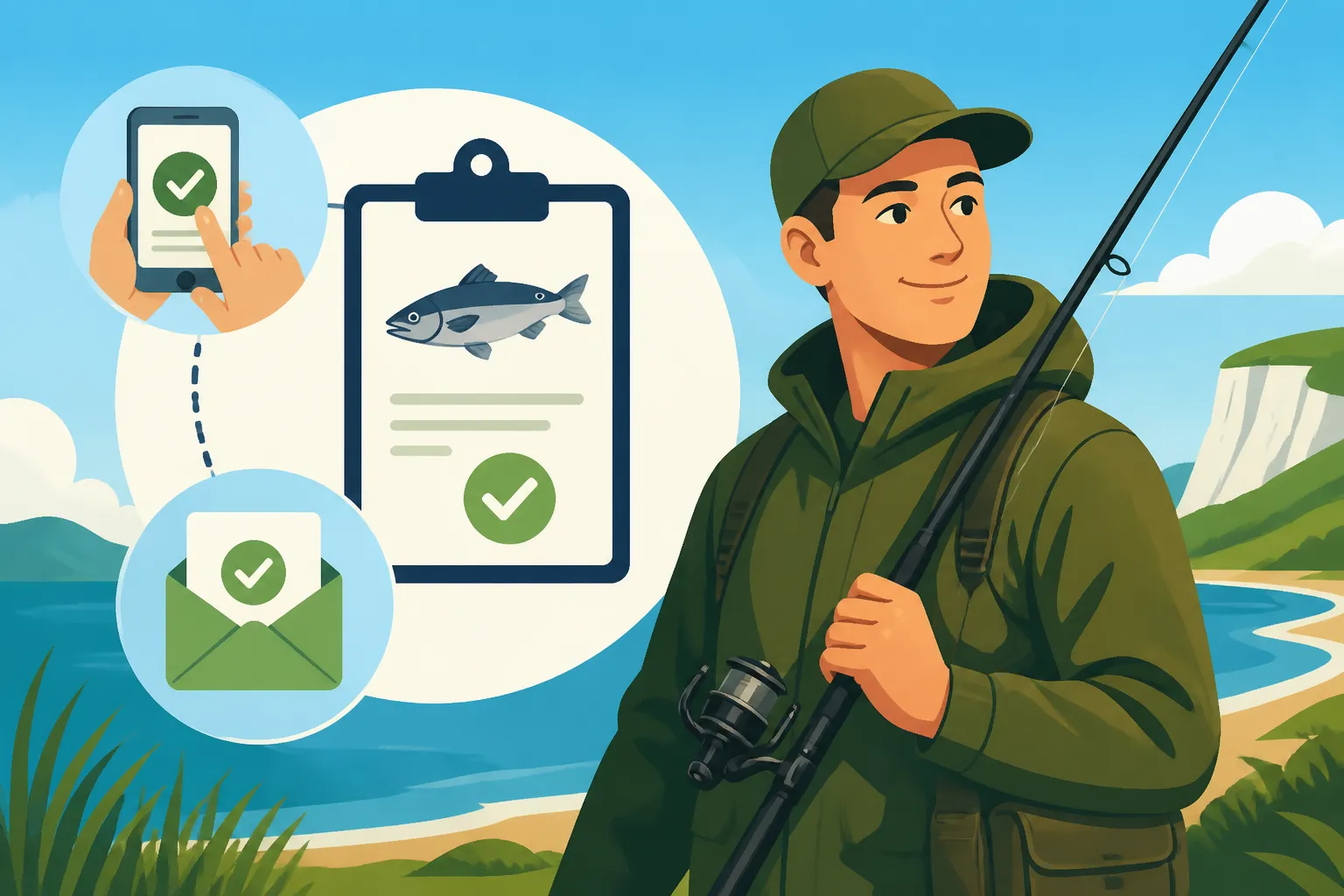
- Confirmation and Digital License: Once your payment is processed, you'll receive a confirmation email. This email is your fishing license. It will contain all the necessary details, including your name, the license's validity period, and a unique identification number. It is absolutely vital that you keep this email safe. You should either print it out and carry a physical copy, or, even better, have it readily accessible on your smartphone. If a fisheries inspector (a fiskerikontrollør) asks to see your license while you're fishing, you must be able to present it. Having a reliable mobile data plan, perhaps through a service like Airalo if you're exploring more remote coastlines, means you can always pull up your digital license without hunting for Wi-Fi.
The whole process takes just a few minutes, and you'll be ready to legally fish almost immediately after purchase.
Understanding License Types, Costs, and Crucial Local Regulations
Okay, so you know why you need one and how to get one online. Now let's talk about the different options available and, perhaps more importantly, the myriad of local rules that can make fishing in Denmark both rewarding and a bit of a head-scratcher.
Choosing Your Fisketegn: Duration and Cost
The Fisketegn website offers a few different validity periods, catering to various needs:
- Daily License (Dagkort): This is perfect if you're just visiting Denmark for a short period and fancy a single day of fishing, or if you want to try it out before committing to a longer duration. It's the cheapest option.
- Weekly License (Ugekort): Ideal for tourists on a fishing holiday, or expats who might only get out on the water occasionally during a specific week. It offers better value than multiple daily licenses.
- Annual License (Årskort): This is generally the most cost-effective option for anyone living in Denmark and planning to fish regularly throughout the year. It provides year-round access to public waters.
Here's an approximate breakdown of costs for 2026. Please remember these are subject to change, so always check the official fisketegn.dk website for the most current prices:
| License Type | Duration | Approximate Cost (DKK, 2026) | Notes |
|---|---|---|---|
| Dagkort | 1 day | ~40 DKK | Great for spontaneous trips or short visits. |
| Ugekort | 1 week | ~130 DKK | Good value for a fishing holiday; allows multiple trips within seven days. |
| Årskort | 1 year | ~185 DKK | Best for residents and frequent anglers; covers 12 months from purchase date. |
The money from these licenses, as mentioned, is reinvested into the Danish fisheries management and environmental efforts. So, think of it as a small contribution to keeping Denmark's nature pristine while you enjoy your hobby.
Beyond the License: Local Rules and Conservation
This is where things can get a little complex, and honestly, it's often the biggest source of frustration for expat anglers. Getting the Fisketegn is just your entry ticket; it doesn't mean you can fish anywhere, anytime, for anything. Denmark has a highly regulated approach to fishing, driven by strong conservation principles. You need to be aware of:
- Minimum Sizes (Fredningsmål): Almost every fish species in Denmark has a minimum size limit. If you catch a fish smaller than this, you must release it immediately, carefully, and unharmed. This ensures that fish have a chance to mature and reproduce before being caught. You’ll find lists of these sizes online and often at local fishing shops. Ignoring this is a serious offense.
- Closed Seasons (Fredningstider): Certain species have specific periods during the year when it's illegal to catch them, typically during their spawning seasons. For example, sea trout often have a closed season in certain areas during the autumn/winter. Knowing these periods is vital, and they can vary by region.
- Protected Areas (Fredningszoner): These are areas where fishing is entirely prohibited or heavily restricted to protect sensitive habitats or fish migration routes. River mouths, for example, are almost universally protected, often with a 500-meter no-fishing zone around them. You'll also find restrictions around locks, harbors, and certain nature reserves. Always look for signs (which might only be in Danish!) or consult local maps. It can be incredibly frustrating to find a perfect-looking spot, only to discover it's a fredningszone.
- Specific Rules for Certain Bodies of Water: Some larger lakes, rivers, and even sections of fjords might have additional rules, or even require a separate, local permit from a specific angling association (fiskeklub) that manages that stretch of water. This is particularly common for salmon and trout rivers. Always research the specific body of water you plan to fish in advance. You can often find this information on local municipality websites, tourist information sites, or the websites of local angling clubs.
My advice? When you first arrive, stick to coastal fishing for sea trout or flatfish, as the rules are a bit more uniform there, or try a put-and-take lake. As you gain confidence, you can explore the nuances of river and lake fishing. A great way to get around and explore different coastal spots is by bike, truly embracing Danish Cycling Culture: Rules, Buying a Bike, and Safety. You'd be surprised how many excellent fishing spots are accessible only by path!
When looking for a place to fish, remember that what seems like open water might have hidden regulations. Check local fishing forums, ask at fishing tackle shops, or consult the local tourist information center. If you're staying in Denmark for a while and want to find a spot that’s easy to get to, you might even consider using Spotahome to find accommodation near popular fishing areas, giving you an ideal base for your angling adventures. Denmark has incredible fishing opportunities, especially for sea trout along its extensive coastlines and for pike and perch in its numerous lakes, but respecting the rules is paramount.
Practical Tips for a Successful Angling Experience in Denmark
So, you’ve got your Fisketegn, you’ve done your homework on local regulations, and you’re ready to hit the water. But what else do you need to know to make your Danish fishing adventure a success?
Essential Gear and Bait
While you don't need highly specialized gear to start, a few items are generally recommended:
- Rod and Reel: A standard spinning rod (7-10 feet) with a reel spooled with monofilament or braided line (0.15-0.25mm) will serve you well for most coastal and lake fishing.
- Lures/Baits: For sea trout along the coast, popular choices include various spoons (wobblers), coastal spinners, and flies. For bottom fishing for flatfish, fresh shrimp, lugworms, or small pieces of fish are often effective. For lake fishing for pike, larger spinners, wobblers, and soft plastics work wonders. You can buy fresh bait and a good selection of lures at local fishing tackle shops (lystfiskerbutikker). Some larger Supermarkets in Denmark: Netto, Rema 1000, and Føtex Compared might even stock basic worms during the summer.
- Waders: If you're serious about coastal fishing, especially for sea trout, a good pair of waders (chest or waist-high) will allow you to access deeper water and cover more ground. The water can be chilly, even in summer!
- Landing Net: Essential for safely landing larger fish, especially if you plan to release them.
- Pliers/Forceps: For easy and safe hook removal.
- Measure Tape: Crucial for ensuring your catch meets the minimum size requirements.
Joining the Community: Angling Clubs
Danes are famous for their foreningsliv, or club life, and angling is no exception. Joining a local fishing club (fiskeklub) can be an absolute game-changer for expat anglers. These clubs are more than just social gatherings; they are hubs of local knowledge, resources, and community.
- Local Expertise: Members often have an encyclopedic knowledge of local fishing spots, the best times to fish, and, critically, all those tricky local regulations and protected zones that are hard to decipher on your own.
- Exclusive Access: Many clubs lease or own stretches of rivers or lakes, providing members with exclusive access to prime fishing waters that are otherwise off-limits.
- Social Connection: It's a fantastic way to meet locals who share your passion. Danes can be a bit reserved initially, but a shared hobby is a brilliant bridge. You might find yourself invited on fishing trips, learning Danish fishing slang, and truly integrating. You can find out more about joining groups and clubs in Denmark by looking into Foreningsliv: Joining Danish Clubs and Associations to Mingle.
- Workshops and Events: Clubs often organize casting courses, fly-tying workshops, and fishing competitions, which are excellent learning opportunities.
You can often find local angling clubs by searching online for "fiskeklub [your city/region]" or asking at a local fishing tackle shop. Don't be shy; most Danes are very welcoming, especially when you show an interest in their hobbies.
Handling Your Catch and Environmental Responsibility
Denmark has a strong "leave no trace" ethos, and fishing is no exception. Always adhere to the principles of responsible angling:
- Catch and Release: Practice proper catch-and-release techniques for fish that are undersized, out of season, or if you simply don't wish to keep them. Handle fish gently with wet hands, remove hooks quickly, and ensure they recover before releasing them.
- Respect Nature: Always take all your trash with you. This includes discarded fishing line, bait containers, and any food wrappers. Denmark's beautiful coastlines and forests are meticulously cared for, and littering is frowned upon and can result in fines. The principles of Garbage Sorting in Denmark: Bio-waste, Plastic, and Pant Systems extend to everything you do outdoors.
- Be Mindful of Others: If you're fishing near public paths, private property, or other recreational users, always be considerate. Casting where people are swimming or picnicking is a definite no-no.
- Seasonal Awareness: Be aware of the changing seasons. Denmark's weather can be unpredictable, and being prepared for all conditions is part of the experience. Also, be mindful of common summer issues like tick bites, which are relevant if you're exploring lush areas near lakes or forests. You can find more tips on being outdoors in Denmark in articles such as Tick Bites and Lyme Disease (Borrelia): Summer Health in Danish Forests.
Fishing in Denmark is an incredibly rewarding experience, connecting you with nature and offering a peaceful escape from the everyday. With a little preparation and respect for the local rules, you'll be enjoying Denmark's abundant waters in no time. Tight lines!
Disclaimer
Please note that while this guide provides comprehensive information based on current regulations and general expat experience, rules and costs related to fishing licenses and local regulations in Denmark can change. It is always recommended to verify the most up-to-date information on the official Danish Agency for Agriculture and Fisheries website (www.fisketegn.dk) and consult local angling associations or tourist information for specific rules pertaining to your chosen fishing spot. This content is for informational purposes only and does not constitute legal advice.