Accessing an ENT (Ear, Nose, Throat) Specialist Without a Referral
Waking up with a sudden ear blockage or a persistent sinus infection can be incredibly stressful when you are still trying to figure out a foreign medical system. I remember the frustration of my first winter in Copenhagen, waiting days for a GP appointment only to realize I could have gone elsewhere. This guide explains how you can access an ENT specialist in Denmark directly, bypassing the usual referral hurdles.
The Unique Exception for ENT Care in Denmark
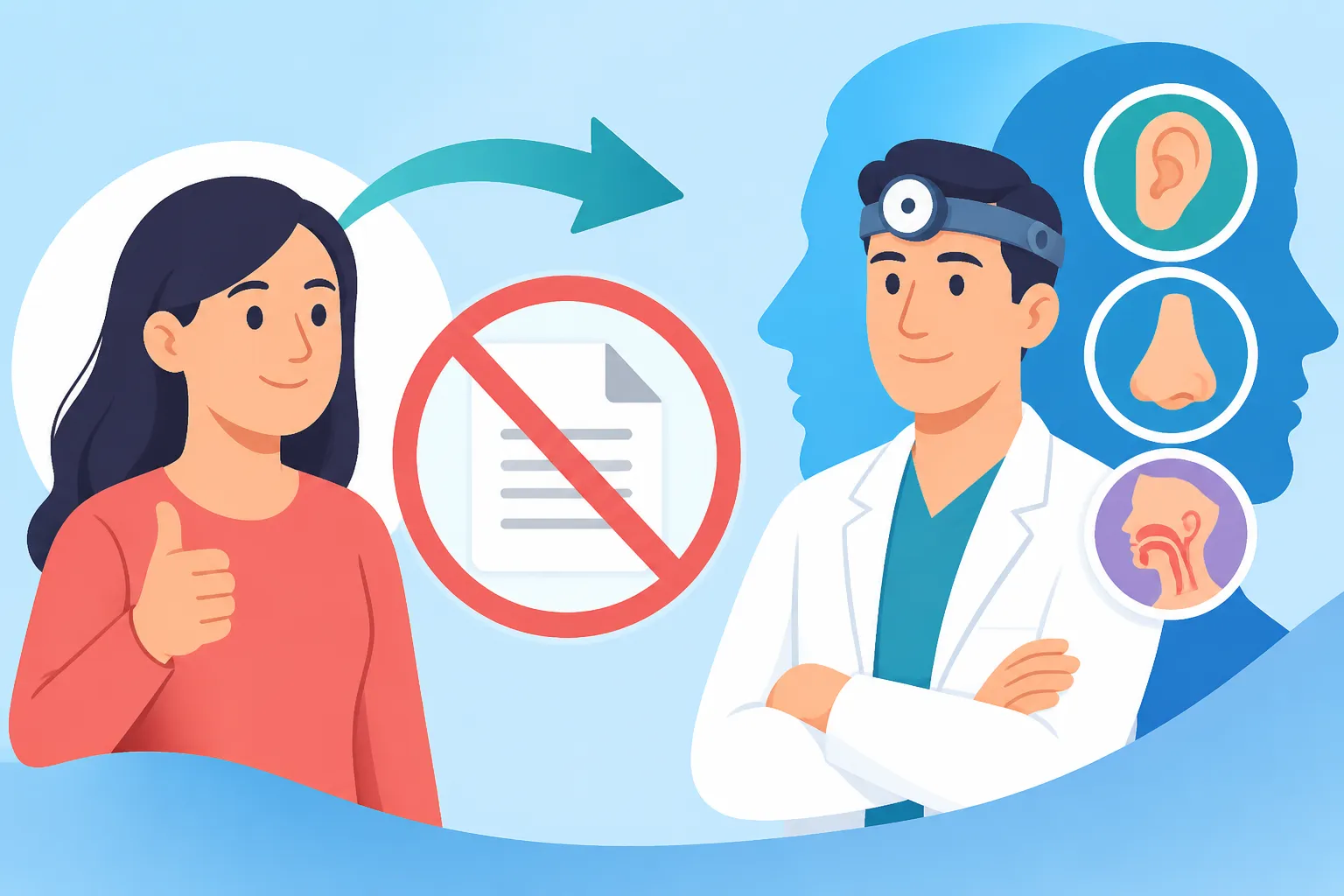
One of the most confusing aspects of the Danish healthcare system for newcomers is the strict gatekeeping performed by the General Practitioner (GP). For almost every medical concern, from a strange rash to a persistent cough, the rule is clear: you must see your GP first. However, the Danish system has a few specific, wonderful exceptions designed to relieve pressure on primary care. Ear, Nose, and Throat (ENT) specialists, known in Danish as an Øre-næse-halslæge, are one of the very few specialist groups that you can visit without a referral from your GP.
This exception is a lifesaver for expats who might be suffering from acute issues like a ruptured eardrum, sudden hearing loss, or chronic sinusitis. When you are in Understanding CPR Registration and Your Healthcare Entitlement, you are automatically placed into "Group 1" insurance unless you specifically requested otherwise. For those in Group 1, the government covers the full cost of the ENT visit, provided the specialist has a collective agreement with the public health service. This direct access means you don't have to wait for an initial GP consultation just to get a piece of paper that allows you to book the appointment you actually need.
It is important to note that while the access is direct, the wait times can still vary significantly. If you are a new arrival and haven't received your paperwork yet, you might be looking into Expat Health Insurance: Coverage Before You Get Your CPR Number to ensure you aren't paying out of pocket during those first few weeks. Even without a referral, the specialist will still require your CPR number or a valid form of insurance, such as SafetyWing, if you are in a transitional period or visiting as a digital nomad.
Why Direct Access Exists for ENTs
The Danish Health Authority recognizes that many ENT issues require specialized equipment that a standard GP simply does not have. A GP can look in your ear with an otoscope, but they cannot perform a full audiometry test or use specialized endoscopes to look deep into the nasal passages. By allowing Finding Medical Care in Denmark: GPs, Specialists, and Referrals to include direct ENT access, the system prevents a redundant step in the diagnostic process.
However, this freedom comes with a responsibility to find your own doctor. You aren't "assigned" an ENT the way you are How to Choose and Change Your General Practitioner (GP) in Denmark. You are free to call any ENT clinic in the country, though most people naturally choose one close to their home or workplace. If you find the public wait times are too long—sometimes stretching into several weeks for non-urgent cases—you might consider using a private policy from Cigna Global to access private hospitals where the wait is often just a few days.
Group 1 vs. Group 2 Considerations
Most expats are in Group 1, which provides free care but limits you to specific doctors. If you were to switch to Group 2, you would have even more freedom to choose any specialist, but you would have to pay a portion of the fee yourself. This is rarely recommended for expats unless they have very specific needs. For the vast majority, The Yellow Health Card (Sundhedskort): Your Key to Danish Healthcare is all you need to walk into an ENT clinic and receive treatment for free.
How to Find and Book an ENT Specialist
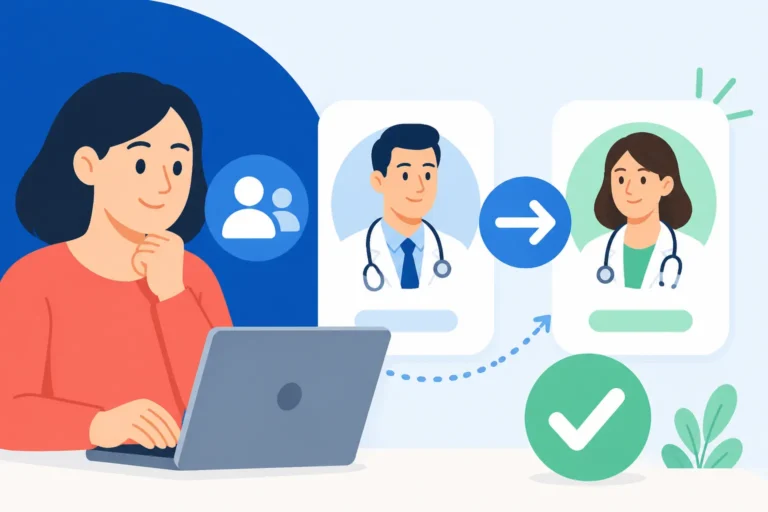
Finding an ENT specialist is a digital-first process in Denmark. You won't find a centralized booking system where you can just click a button; instead, you find the clinic online and then, in most cases, you have to pick up the phone. This can be intimidating if you don't speak Danish, but rest assured that almost every medical professional in Denmark speaks excellent English.
The best place to start your search is Sundhed.dk. This portal is the backbone of the Danish health system. By Sundhed.dk and MitID: Navigating Denmark’s Digital Health Portals, you can access a "Find Practitioner" tool. You simply filter by Øre-næse-halslæge and enter your zip code. The site will provide a list of clinics, their addresses, and, crucially, their current estimated waiting times for non-urgent appointments.
The Booking Process Step-by-Step
Once you have identified a clinic, the process usually follows these steps:
- Check Telephone Hours: Danish medical clinics have very specific hours when a receptionist or nurse is available to answer the phone. This is often between 8:00 AM and 10:00 AM.
- The Triage Call: When you call, the nurse will ask about your symptoms. Be honest about the severity. If you have sudden hearing loss or intense pain, they will often squeeze you in much faster than if you are calling about a minor snoring issue.
- Registration: They will ask for your CPR number. If you are still waiting for your card, you should mention if you have coverage through SafetyWing or another provider.
- The Appointment: When you arrive, you must scan your yellow card at the terminal in the waiting room. This registers you in the system and notifies the doctor that you have arrived.
If you find that the local clinics in Copenhagen or Aarhus have months of waiting time, don't be afraid to look at clinics in smaller "pendler" (commuter) towns. A thirty-minute train ride could save you six weeks of waiting. If the wait is still unacceptable for your condition, this is where having premium expat insurance like Cigna Global becomes a major advantage, as it allows you to bypass the public list entirely and head to a private clinic like Mølholm or Aleris.
Understanding Wait Times and Triage
It is a common misconception that "no referral" means "instant service." In the public system, the Waiting Times in Danish Public Hospitals and Patient Rights still apply to specialist clinics. Urgent cases—like a child with a foreign object in their nose or a patient with a suspected peritonsillar abscess—are moved to the front of the line. If your case is deemed "elective," you will have to wait your turn.
| Service Type | Typical Wait Time (Public) | Direct Access? | Cost (Group 1) |
|---|---|---|---|
| Emergency ENT | Same Day (via 1813/ER) | Yes | Free |
| Acute Pain/Infection | 1 – 5 Days | Yes (Direct Call) | Free |
| Routine Hearing Test | 4 – 12 Weeks | Yes (Direct Call) | Free |
| Chronic Sinusitis | 4 – 10 Weeks | Yes (Direct Call) | Free |
| Private ENT Clinic | 1 – 3 Days | Yes | Covered by Private Insurance |
Private Healthcare and International Insurance Options
While the public system is excellent, there are times when the "no referral" benefit is dampened by the sheer volume of patients. If you are a professional who cannot afford to wait two months for a sleep apnea consultation or if you have a recurring ear issue that needs immediate specialized attention, the private sector is your best bet.
Denmark has a robust private healthcare market that runs parallel to the public system. These clinics are often staffed by the same high-quality doctors who work in the public hospitals but operate in a faster, more service-oriented environment. If you are covered by Private Health Insurance (Sygeforsikring "danmark"): Is It Worth It?, you might get some money back, but for 100% coverage in the private sector, international plans are often superior.
When to Go Private
You should consider the private route if:
- The public wait time for your specific issue exceeds your pain tolerance or functional capacity.
- You want a second opinion from a specific world-class specialist.
- You prefer a clinic where you are guaranteed an English-speaking receptionist and a more personalized experience.
International insurance providers like Cigna Global are designed for this exact scenario. They allow you to book an appointment at a private facility and often handle the billing directly with the clinic. This is a massive relief for expats who find the Danish bureaucratic "wait-and-see" approach frustrating. Similarly, SafetyWing provides an essential safety net for those who are transitioning into the country and might not yet be fully integrated into The Role of the GP: Why You Cannot Go Directly to a Specialist framework.
The Role of Private Insurance for Expats
Many Danish employers provide "Sundhedsforsikring" (private health insurance) as a benefit. Before you book a public appointment, check your employment contract. These policies often use providers like Danica or PFA, which have their own portals for booking specialist care. If you have such a policy, you can often get an ENT appointment within 48 hours. If your employer doesn't provide this, taking out an individual policy with Cigna Global can ensure that you are never stuck in a public waiting list for months.
For digital nomads or those on shorter contracts, SafetyWing is often the go-to because it is flexible. While it is primarily for emergencies, having that coverage means that if a minor ear infection turns into a major complication, you can seek private care without worrying about the steep costs of non-subsidized medical bills in Denmark.
Emergency ENT Situations and Out-of-Hours Care
Direct access to an ENT specialist is usually limited to their office hours, which are typically Monday through Friday, 8:00 AM to 4:00 PM. But what happens if you have an ear emergency at 9:00 PM on a Saturday? In these cases, the "no referral" rule for clinics doesn't apply because the clinics are closed. You must instead enter the emergency triage system.
In Denmark, you should never just show up at an Emergency Room (Skadestue) for an ENT issue unless it is life-threatening (in which case, call 112). For everything else, you must call the out-of-hours medical service. In the Capital Region, this is 1813. In the rest of the country, it is the Lægevagten.
Navigating the 1813 and Lægevagten System
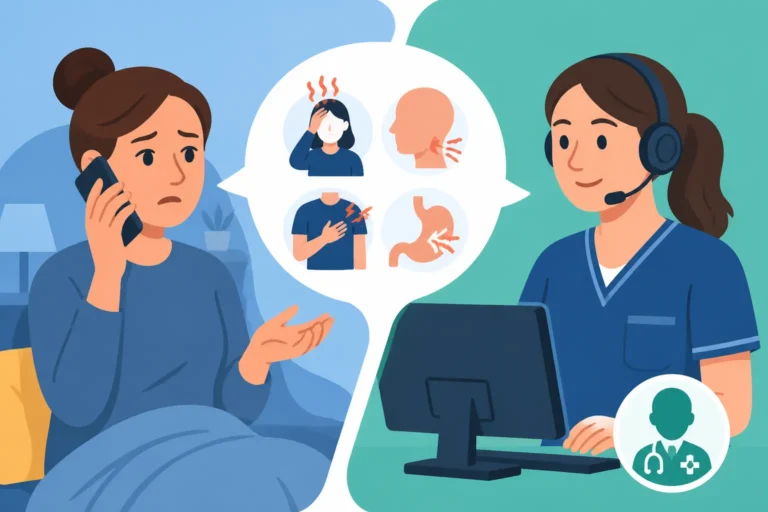
When you call Emergency vs. Out-of-Hours Care: When to Call Lægevagten (1813), you will speak to a nurse who will assess your situation. If your ENT issue is acute—such as a severe abscess or uncontrolled nosebleed—they will refer you to the "Emergency ENT" (Øre-næse-halsvagten). This is usually located at a major hospital like Rigshospitalet in Copenhagen or Aarhus University Hospital (Skejby).
You cannot just walk into these hospital departments. You must be referred by 1813 or the Lægevagten. This is the one time when the "no referral" rule for ENTs is suspended, as the hospital specialists only see the most critical cases that cannot wait until Monday morning.
What to Bring to an Urgent Appointment
Whether you are going to a private clinic or a public hospital, always have the following ready:
- Your Yellow Health Card (or the Sundhedskort app on your phone).
- A list of any medications you are currently taking.
- Proof of your private insurance (like your Cigna Global member ID) if you are opting for a private hospital.
- A summary of your symptoms and when they started.
If you are a parent, keep in mind that children are often prioritized for ENT care. Ear infections are incredibly common in the damp Danish climate, and the system is quite efficient at getting kids seen quickly. If your child has recurring "glue ear," the ENT can also discuss the possibility of ear tubes (dræn) without you needing to convince your GP first.
Professional Advice and Disclaimer
Accessing specialist care in a new country is always a learning curve. While Denmark makes it easier with the direct ENT access rule, the logistics of booking and the reality of wait times can still be a shock. My best advice is to be proactive. Don't wait for a small ear ache to become a major problem. Use the tools available on Sundhed.dk and keep a high-quality international insurance policy like Cigna Global in your back pocket for those times when the public system moves too slowly. For those just arriving, a policy from SafetyWing can bridge the gap until your CPR registration is finalized.
Medical Disclaimer
The information provided in this article is for informational and educational purposes only and is not intended as medical advice. While every effort has been made to ensure the accuracy of the information regarding the Danish healthcare system, healthcare policies and specialist access rules can change. Always consult with a qualified healthcare professional or your General Practitioner in Denmark for medical concerns. If you are experiencing a medical emergency, please call 112 immediately. The author is an expat sharing personal experiences and research, not a licensed medical practitioner or legal expert in Danish health law.