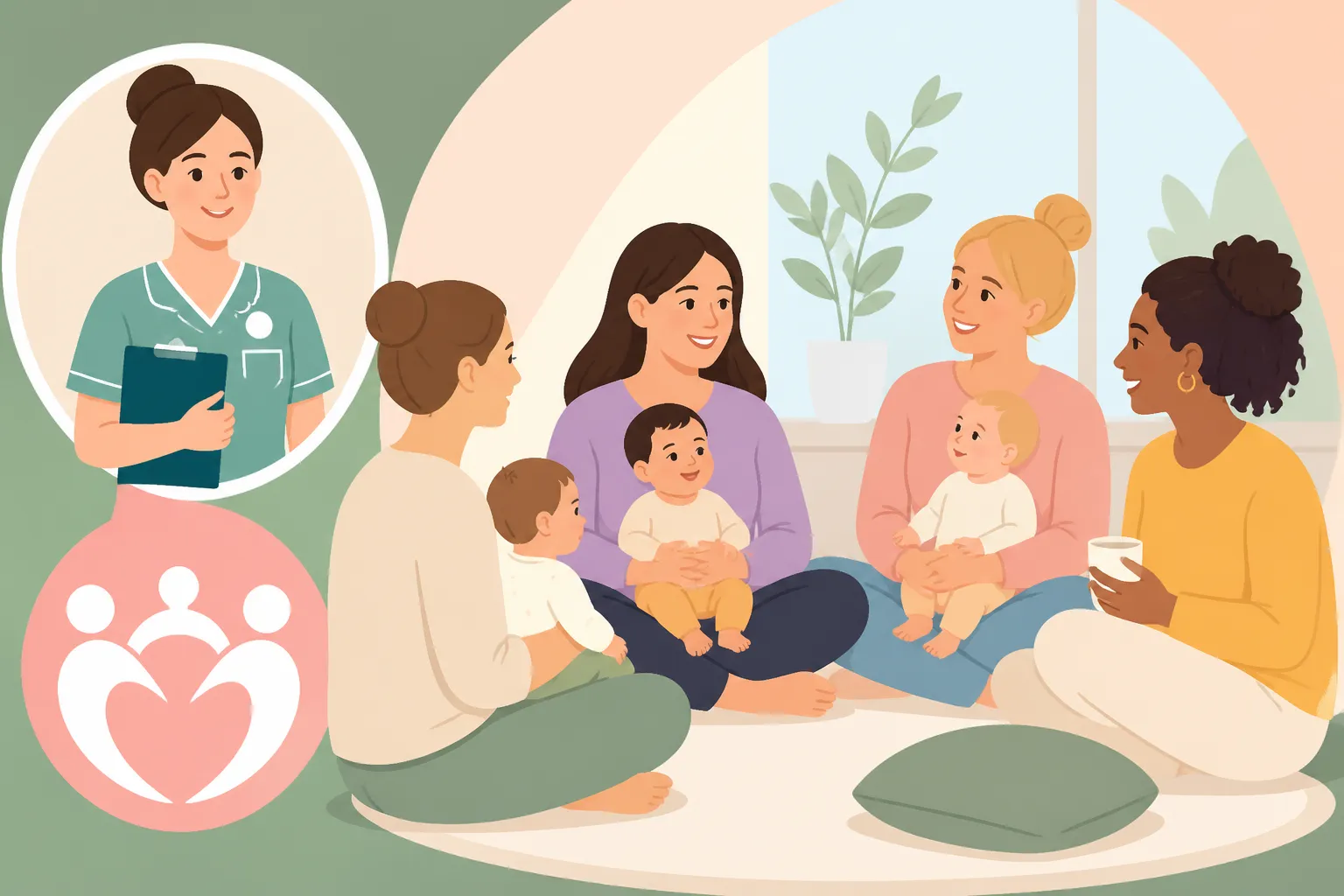
Finding Maternity Groups (Mødregruppe) Organized by Health Visitors
Becoming a new parent in a foreign country like Denmark can be an incredibly isolating experience, even with the famously supportive Danish system. You’re navigating sleepless nights, diaper explosions, and the bewildering joy of a newborn, all while grappling with a new culture, a new language, and potentially a lack of your usual support network. This guide will walk you through one of Denmark's most wonderful, yet sometimes mysterious, support systems for new parents: the Mødregruppe, or maternity group, arranged by your health visitor.
What Exactly Is a Mødregruppe and Why It's a Lifeline for Expats
When you first arrive in Denmark, especially if you’re coming here to start a family or have just welcomed a new baby, you quickly realize how much community means. For many Danes, the idea of a mødregruppe is as natural as getting their morning rugbrød. But for us expats, it can feel like a secret club that everyone else was born knowing about. Trust me, it's not – it's an intentional support structure that can truly make a difference in those challenging early months of parenthood.
The Concept of Mødregruppe in Danish Society
A mødregruppe is essentially a small group of new mothers (and sometimes fathers, though traditionally it's mother-focused) who live in the same local area and have babies born around the same time. These groups are typically formed and facilitated by your local sundhedsplejerske, or health visitor, who is automatically assigned to you after your baby is born and you've completed your CPR Registration and Your Healthcare Entitlement. This health visitor is your primary contact for all things baby-related in those first crucial months, from weighing and measuring to feeding advice and developmental milestones.
In Danish society, community support for new parents is highly valued. The mødregruppe system is designed to combat isolation, share experiences, and provide a ready-made local network. It’s a very practical solution to the intense, overwhelming, and often lonely journey of early parenthood. For a Dane, it's just "how things are done." For us foreigners, it’s a brilliant, if sometimes a bit rigid, mechanism to help you feel less alone. The loneliness can hit hard when you’re used to family dropping by or friends popping over, and suddenly you're in a new apartment, perhaps found through platforms like Spotahome, with a tiny human, far from home. It's a real struggle, and the mødregruppe is meant to be a balm for that.
The Unspoken Benefits for Foreign Parents
Beyond just comparing notes on sleep deprivation or discussing the latest baby food purees, mødregrupper offer invaluable, unspoken benefits for foreign parents in Denmark. First and foremost, it’s a ready-made social circle. Moving to a new country and trying to build a social life from scratch is tough enough, let alone when you have a newborn strapped to you. These groups provide an immediate common ground and an excuse to get out of the house. You might not instantly click with everyone, but you will find at least one or two kindred spirits who understand your current world of spit-up and baby babble.
Secondly, these groups are a fantastic, organic way to gain cultural insights and local tips. Your Danish group members will know about the best local parks, where to find affordable baby gear, which apotek (pharmacy) has the best selection of baby products, or even how to navigate the slightly confusing world of Danish childcare with its Childcare in Denmark: Vuggestue (Crèche) and Børnehave (Kindergarten) options. They can demystify everything from registering for municipal activities to understanding the nuances of Danish parenting styles. This is something you simply can't get from a guidebook or a quick Google search.
Finally, while not always explicitly English-speaking, many groups in international cities like Copenhagen or Aarhus will naturally have a mix of nationalities. Even if the primary language defaults to Danish, the shared experience of being a new parent often transcends linguistic barriers. You might find yourself learning Danish baby words faster than you thought possible! And if you’re concerned about communication, this is exactly where you can use your voice, as we’ll discuss next.
How to Be Matched with a Mødregruppe by Your Sundhedsplejerske
The process of joining a mødregruppe is generally quite passive for parents, which can be both a blessing and a curse for expats who are used to taking charge. It's an integral part of the comprehensive Family Health in Denmark: Pregnancy, Maternity, and Pediatric Care system.
The Automatic Process and What to Expect
Once your baby is born and registered with your municipality – a process that usually happens quite quickly after birth – your assigned sundhedsplejerske will schedule their first home visit. This is often within the first week or two after you’ve returned home from the hospital, having gone through the whirlwind of Giving Birth in Denmark: Pain Relief Options and Postpartum Care. During this visit, or one of the subsequent ones, your health visitor will usually mention forming a mødregruppe for you.
They will gather information on other new mothers in your immediate geographic area whose babies were born around the same time. The goal is to create small groups of typically 4-6 mothers. The health visitor usually facilitates the first one or two meetings, sometimes at a local community center or even rotating between members' homes. They act as a guide, providing structure, initiating discussions, and offering expert advice on topics like feeding, infant sleep, and developmental stages. They might even encourage you to keep your phone charged with data, perhaps using a reliable eSIM like Airalo if you’re still getting your Danish setup sorted, to easily share contact details and coordinate future meetups.
The waiting period for being matched can vary. Sometimes it happens almost immediately, and other times it can take a few weeks. This waiting can feel incredibly long when you're desperate for connection and support. You might feel a bit forgotten, wondering if you've slipped through the cracks. It's a completely valid frustration, and it's okay to feel that way. Just remember, the system does exist and they will get to you.
Advocating for Yourself: Tips for Expats
While the process is largely automatic, as an expat, you often need to be a little more proactive and vocal than your Danish counterparts. Danes are generally quite good at fitting into established systems, but you have different needs and expectations. This is where you can gently advocate for yourself.
During your health visitor's initial visit, don't hesitate to express your preferences. If speaking English is important to you, or if you'd specifically like to be in a group with other international parents, state this clearly. Your sundhedsplejerske will likely appreciate the directness. They often have access to a pool of information about families in the area and might be able to accommodate such requests, especially in larger cities with diverse populations. They are well aware of the What is the Danish Sundhedsplejerske (Health Visitor) System for Babies? and how vital it is for parental well-being.
What if you're not automatically assigned a group, or if the first group you're matched with doesn't feel like a good fit? This happens. Don't be afraid to reach out to your sundhedsplejerske and explain your situation. They can sometimes form a new group or add you to an existing one that might be a better match. Remember, the system is there to support you, and if it's not working, it's worth a conversation. Your health visitor is a key player in the overall Healthcare in Denmark for Foreign Residents: Complete System Guide (2027), and their role extends to your well-being as a new parent.
What to Expect from Your Mødregruppe Meetings
So, you've been matched! Exciting, right? But also potentially a little nerve-wracking. What happens when you actually meet these strangers who will become your temporary lifeline?
The First Few Gatherings
The first one or two mødregruppe meetings are usually facilitated by your sundhedsplejerske. These initial gatherings often have a gentle structure. Expect a round of introductions – name, baby's name, birth story (which, let's be honest, everyone is keen to share!), and perhaps a brief chat about how you're all coping. It can feel a little awkward at first, a bit like a forced playdate for adults, but remember that everyone is in the same boat: sleep-deprived, vulnerable, and probably desperate for a hot cup of coffee and some adult conversation.
The health visitor will guide the conversation, ensuring everyone gets a chance to speak. They'll also provide some initial guidance, perhaps on topics like breastfeeding techniques, safe sleep practices, or checking your baby's weight. This structured approach helps break the ice and gives you a common focus beyond just nervous small talk. They might even have a small scale to weigh the babies, which is always a source of fascination and mild competition (who's grown the most?!).
Topics Covered and Activities
After the initial meetings with the health visitor, the mødregruppe typically takes on a life of its own. You'll exchange contact details, usually setting up a WhatsApp group, and then it's up to you as a collective to decide how often and where you want to meet. The conversations naturally flow from the immediate realities of new parenthood:
- Feeding struggles: Is your baby cluster feeding? Are they refusing solids? Breastfeeding challenges are a common topic.
- Sleep, or lack thereof: This is universal! You'll bond over shared tales of interrupted nights and strategize about naps.
- Baby development: Comparing milestones, celebrating first smiles, first rolls, first words.
- Parental challenges: The emotional rollercoaster of being a new parent, body changes, relationship dynamics, managing expectations.
- Local life: Sharing tips on navigating public transport with a stroller, finding baby-friendly cafes, or where to buy specific baby items.
Beyond just talking, mødregrupper often involve activities. Think long walks with strollers in local parks, visits to libraries for baby-rhyme time, meeting up at "Åben Legestue" (open playgroups) at community centers, or simply rotating coffee and cake gatherings at each other's homes. It's a wonderful way to explore your new neighborhood and city while meeting others. You might even discuss your experiences with Pregnancy in Denmark: Midwife Consultations, Scans, and Hospital Births and compare notes.
Making the Most of Your Group
To truly benefit from your mødregruppe, a little effort goes a long way.
- Be present and open: Even if you're exhausted, try to engage. Share your struggles and triumphs. Others will appreciate your honesty, and it creates a deeper bond.
- Be proactive: Don't wait for others to organize. Suggest meeting places, offer to host, or propose an activity. The more active you are, the more you'll get out of it.
- Embrace the differences: You'll meet people from different backgrounds, both Danish and international. Not everyone will become your best friend, and that's okay. The goal is support and connection during a specific life phase.
- Keep it going: Once the health visitor steps back, it's up to the group to maintain momentum. Decide on a regular schedule that works for everyone. Many mødregrupper continue meeting for years, even after the babies are toddlers and beyond, evolving into genuine friendships. It’s a crucial aspect of Social Integration: Making Friends and Understanding Danish Etiquette.
Beyond the Health Visitor: Finding Additional Support Networks
While the mødregruppe is fantastic, it's not the only source of support, and sometimes you might need more, or something different. Especially if your group doesn't click or if you're looking for specific English-speaking options.
Online Communities and Expat Groups
In the age of digital connection, online communities are a goldmine for new expat parents. Facebook groups like "Mothers in Copenhagen" or local expat groups specific to your city (e.g., "Expats in Aarhus") are incredibly active. These groups allow you to ask questions, share recommendations, and organize informal meetups. You can post about needing advice on Finding an English-Speaking Doctor: Directories and Local Strategies or simply ask if anyone fancies a coffee and a stroll with their baby.
Your local municipality and libraries also often host "Åben Legestue" (open playrooms) where parents and babies can drop in for free. These are often advertised on the municipality's website or at the library itself. While not structured like a mødregruppe, they offer a casual setting to meet other parents and let your baby interact.
Private Initiatives and English-Speaking Options
If you're specifically looking for English-speaking resources or a different kind of structure, there are private initiatives available, particularly in larger cities.
- Private antenatal classes: Some private clinics offer antenatal classes in English, which can be a great way to meet other international parents before your baby even arrives.
- Baby yoga or massage classes: These are often offered by private instructors or studios in English, providing a relaxed setting to connect with other parents.
- International parent groups: Some churches, community centers, or international organizations host regular meetups specifically for expat parents.
These alternative options might come with a fee, unlike the free mødregruppe provided by the public health system, but they offer choice and can fill a gap if your assigned group isn't meeting your needs. And don't forget, if the emotional toll of new parenthood becomes overwhelming, resources like Mental Health in Denmark: Accessing Psychologists and Therapy for Expats are available, often with referrals from your GP that can make private therapy more affordable. The key is to explore all avenues until you find what truly supports you through this incredible, demanding chapter of life.
Here's a quick comparison of the different types of support networks available:
| Feature | Health Visitor Mødregruppe | Online Expat Groups / Åben Legestue | Private Classes / Groups |
|---|---|---|---|
| Origin | Municipality / Sundhedsplejerske | Self-organized / Local venues | Private businesses / organizations |
| Cost | Free | Mostly free | Varies, usually paid |
| Matching Process | Automatic, based on location & birth date | Self-selection | Self-selection, sign-up for specific class |
| Language | Can be mixed, often Danish by default | Varies, often English or mixed | Often English |
| Structure | Health visitor-facilitated initially, then informal | Informal, drop-in, or self-organized | Structured classes or events |
| Key Benefit | Local community, professional guidance, free | Flexibility, diverse network, specific interests | Specific focus (e.g., yoga), English-speaking |
| Ideal for Expats | Core local integration, understanding Danish system | Expanding network, specific cultural needs | Targeted support, native language preference |
Remember, building a support system takes time and effort, especially when you’re building a new life in Denmark. But the mødregruppe is a fantastic starting point, offering a unique blend of professional guidance and peer support that is truly Danish in its thoughtfulness.
Disclaimer
Please note that while I strive to provide accurate and up-to-date information, rules and regulations in Denmark, especially concerning healthcare and social services, can change. This guide is intended for informational purposes only and does not constitute official legal or medical advice. Always consult official government sources, your local municipality, or a qualified professional for the most current and personalized guidance.