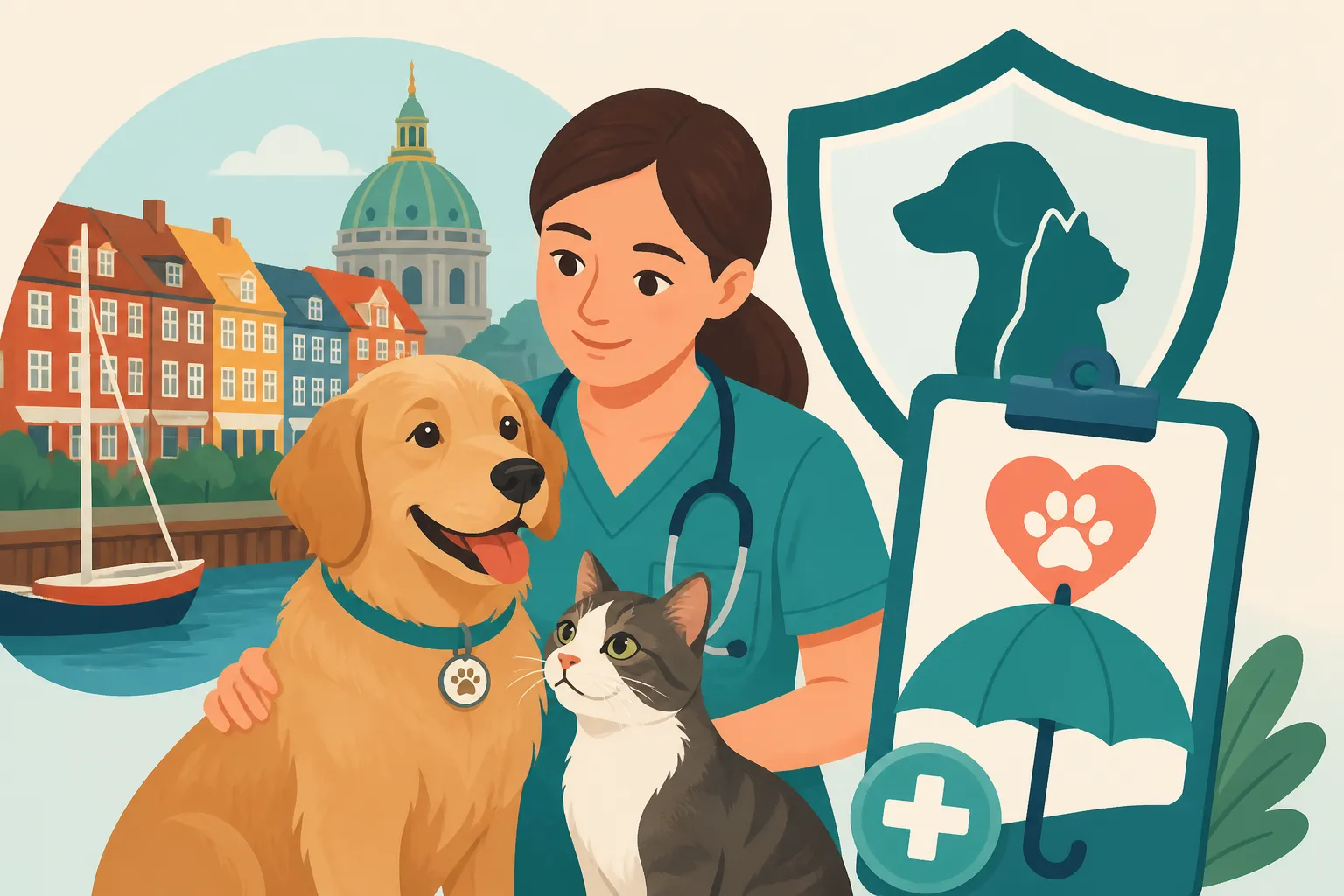
Vets in Denmark: Costs and Pet Health Insurance Needs
Moving to Denmark with your beloved furry, feathered, or scaled companion is a huge step, and one of the biggest anxieties for many expats is understanding how pet healthcare works here. Unlike the human healthcare system, which is largely public and subsidised by the state once you have your CPR number, pet care in Denmark operates entirely privately. This means you're responsible for 100% of the costs, which can quickly add up and come as a shock if you're not prepared. This guide will walk you through everything you need to know about veterinary costs in Denmark, what to expect from the system, and crucially, how pet health insurance can be your best friend.
Navigating the Danish Veterinary System: First Steps and Common Practices
Bringing a pet to a new country is a big deal, and ensuring their health and well-being from day one is paramount. Denmark has a robust private veterinary sector, but it functions differently from what many foreigners are used to. It's not just about finding a clinic; it's about understanding the nuances of the system.
Finding a Vet: Local Clinics and English-Speaking Options
One of the first things you’ll want to do upon arrival, after you’ve tackled your own The CPR Registration Rule: Why Your Address Matters and sorted out your Renting in Denmark: Complete Guide for Expats (2027), is to find a local vet for your pet. While the Danish public healthcare system focuses on GPs, for pets, you'll go directly to a veterinary clinic. There isn't a central registry to assign you a pet doctor, so the responsibility is entirely yours.
Many expats start by asking for recommendations in local Facebook groups or expat forums. Word-of-mouth is powerful here. You can also use online search engines, typically just searching "dyrlæge" (vet) followed by your city or postcode. Most clinics will have a website detailing their services, opening hours, and sometimes even their price lists. It's perfectly acceptable to call around a few clinics to compare services and get a feel for their approach before committing.
A common concern for many expats is the language barrier. While Danes are generally excellent English speakers, especially in larger cities like Copenhagen or Aarhus, you’ll want to ensure your vet clinic has staff who are comfortable communicating in English. This is crucial for clear understanding of diagnoses, treatment plans, and any preventative advice. Don't hesitate to ask when you call to book your first appointment: "Do you have English-speaking vets or staff who can translate?" Most larger clinics are accustomed to international clients and will readily confirm their language capabilities. Imagine the stress of a sick pet and not fully understanding the medical advice – it's a situation you definitely want to avoid! Just as you'd want to How to Find an English-Speaking Doctor: Directories and Local Strategies for yourself, the same applies for your pet.
Routine Care vs. Emergencies: What to Expect
The Danish veterinary system effectively separates routine care from emergency situations, much like how Emergency Medical Care in Denmark: Calling 112, Lægevagten, and ERs operates for humans, but without the public subsidy.
Routine Care: For vaccinations, annual check-ups, regular worming, microchipping, or minor issues like skin irritations, you’ll schedule a standard appointment with your chosen local vet. These appointments are usually during regular clinic hours. Most clinics use online booking systems, or you can simply call. Be prepared to wait a few days for a non-urgent appointment, especially in busy urban areas. It's a good idea to bring your pet's medical history from your previous country, especially vaccination records, to ensure continuity of care. Remember, if you’re Bringing Pets to Denmark: Import Rules, Chips, and Passports, their initial health check will likely be a routine appointment.
Emergencies: If your pet has a sudden, serious illness, an accident, or requires immediate attention outside of regular hours, you'll need to contact an emergency veterinary service. Many larger clinics offer an out-of-hours service themselves, often rotating staff, or they will direct you to a dedicated "dyrehospital" (animal hospital) that operates 24/7. In smaller towns, there might be an on-call system where local vets take turns being available. It’s absolutely vital to know before an emergency strikes which clinic you would contact. Put their emergency number in your phone. Emergency care is naturally more expensive than routine care due to the immediate availability of staff and specialist equipment. You'll often pay a higher consultation fee just for showing up after hours, on top of any treatment costs.
When contacting an emergency vet, be prepared to describe your pet's symptoms clearly and calmly. Having your phone charged and a reliable connection, even if you’re relying on an Airalo eSIM while on the go, can be incredibly important for communicating vital information. They will assess the urgency and advise you whether to come in immediately or if it can wait until morning. Never hesitate if you're worried; it's always better to be safe than sorry, even if it means a late-night trip.
Understanding Veterinary Costs in Denmark: A Deep Dive
This is where the rubber meets the road for many expats. The sticker shock of Danish vet bills is real. While Denmark boasts a fantastic quality of life, that standard often comes with a higher price tag, and pet care is no exception. Unlike the comforting familiarity of The Yellow Health Card (Sundhedskort): Your Key to Danish Healthcare for humans, there's no equivalent for our animal friends.
Typical Consultation and Treatment Prices
As mentioned, there are no public subsidies for pet healthcare in Denmark. Every visit, every treatment, every vaccination, and every medication comes out of your pocket. This can be a stark contrast for those coming from countries with some level of public support or generally lower veterinary fees.
Here's a breakdown of what you might typically expect for common veterinary services, keeping in mind these are approximate figures and can vary significantly between clinics, regions, and the specific needs of your pet:
| Service Category | Estimated Cost Range (DKK) | Notes |
|---|---|---|
| Basic Exam | 400 – 800 DKK | Standard consultation, basic health check, possibly nail trim. for the costs of veterinary services. |
| Vaccination | 400 – 700 DKK | Standard annual booster for dogs/cats (e.g., distemper, hepatitis, parvovirus, rabies if required). |
| Basic Dental Clean & Check-up (no issues) | 500 – 900 DKK | For cats or dogs without severe dental disease. ## Understanding Veterinary Costs in Denmark: A Deep Dive |
This is where the rubber meets the road for many of us. The cost of owning a pet in Denmark is a big factor, and it's something that often surprises expats. Unlike the national health service for humans where your The Yellow Health Card (Sundhedskort): Your Key to Danish Healthcare is your golden ticket to virtually free care, veterinary services operate in a completely private market. This means the state doesn't subsidise anything for your pets, and every single cost, from the simplest check-up to complex surgery, comes directly from your wallet.
This reality can be a significant adjustment for those coming from countries with some form of public support for animal welfare or generally lower costs of living. It highlights the absolute necessity of factoring pet healthcare into your overall Cost of Living in Denmark 2026: Budgets for Singles and Families and being prepared for potentially substantial expenses.
Typical Consultation and Treatment Prices
Let's talk numbers. Because veterinary clinics are private businesses, their prices can fluctuate based on location (city vs. rural), their reputation, the specialists they employ, and even the time of day. However, I can give you a general idea of what you might expect. These figures are, of course, estimates, but they’ll help you prepare.
| Service Category | Estimated Cost Range (DKK) | Notes |
|---|---|---|
| Dental (extraction/cleaning with complications) | 1,500 – 5,000 DKK+ | May include anesthesia, pre-op blood work, pain medication, multiple extractions. Cost increases with complexity. |
| X-Ray with Sedation | 1,200 – 2,500 DKK | Depending on number of views and sedation required for specific problem. |
| Blood Sample (basic) | 400 – 800 DKK | To perform routine lab tests (e.g., for general health profile or pre-anesthetic screening). The Basic Consultation Fee will typically cover a quick check-up, such as asking about a cough or a general health query. This will not include any tests or medications. |
| Diagnostic Tests (Blood, Urine, etc.) | 500 – 3,000 DKK+ | Cost varies depending on the number and type of tests performed. More specialized tests (e.g., hormone panels, specific disease screenings) will be at the higher end. Often comes on top of the consultation fee. |
| Imaging (X-Ray, Ultrasound) | 800 – 3,000 DKK+ | Cost depends on the body part, number of images, and whether sedation is required. Ultrasound is often more expensive. |
| Basic Surgery (e.g., small wound closure) | 2,000 – 5,000 DKK+ | This is a broad category. Costs depend heavily on anesthesia time, complexity, type of wound, and post-op care. |
| Specific Procedures (e.g., tumour removal, fracture repair) | 5,000 – 30,000 DKK+ | Highly variable depending on complexity, specialist fees, hospitalization, implants, and follow-up care. These can be very expensive. |
| Total (Excluding major dental/surgical emergencies) | 2,700 – 6,500 DKK per year (estimate) | |
| Total (Excluding major dental/surgical emergencies) | 2,700 – 6,500 DKK per year (estimate) | This annual estimate is for routine care, vaccinations, and potentially one or two minor issues. It does not account for any severe illnesses, accidents, or chronic conditions requiring ongoing medication or specialist intervention. |
| Cat/Dog Neutering (male/female) | 1,500 – 4,000 DKK+ | Price varies by weight, age, type of animal, and any potential complications. Female spaying is typically more expensive than male castration. Pre-anesthetic blood work is often extra. |
| Emergency Consultation Fee | 800 – 1,500 DKK+ | This is just for the privilege of being seen out of hours, on top of any diagnostics or treatment. It can be higher on weekends/holidays. |
| Emergency Visit (basic) | 800 – 1,500 DKK | This is the higher consultation fee for out-of-hours appointments, typically before any diagnostic tests or treatments. |
| Total (Excluding Major Surgery) | 3,500 – 8,000 DKK per year (estimate) | Covers basic check-ups, vaccinations, routine parasite control, and perhaps a minor illness. Serious conditions will escalate this significantly. |
| Urgent/Emergency Visit | 600 – 1,200 DKK | This is the higher consultation fee for out-of-hours appointments, typically before any diagnostic tests or treatments. On weekends/holidays, this can jump to 1,500 DKK or more. |
| Annual Vet Visit (estimated) | 400 – 800 DKK | A simple check-up without any extensive diagnostics or treatments needed. |
| Total (Excluding major surgery) | 600 – 1,200 DKK | Cost depends on the body part, number of images, and whether sedation is required. Ultrasound is often more expensive. |
| Emergency Procedures (e.g., severe trauma, internal bleeding) | 10,000 – 50,000 DKK+ | This can quickly escalate to very high sums, requiring specialist surgeons, extensive diagnostics, potential blood transfusions, intensive care, and long recovery periods. |
| Pet Emergency | 3,000 – 10,000 DKK+ | For unexpected and critical incidents. Could involve intensive care, complex diagnostics, and potentially life-saving surgery. |
| Annual Pet Healthcare (estimate) | 800 – 1,500 DKK | Cost depends on the body part, number of images, and whether sedation is required. Ultrasound is often more expensive. |
| Pet Emergency | 3,000 – 10,000 DKK+ | For unexpected and critical incidents. Could involve intensive care, complex diagnostics, and potentially life-saving surgery. |
Please note: These prices are rough estimates as of 2024 and can vary significantly depending on the clinic, specific location (city vs. rural), the individual vet's pricing, and the complexity of the case. Always ask for an estimate before proceeding with significant treatments.
This table doesn't even touch on specialist referrals, which are common for complex conditions like heart disease, orthopedic issues, or certain cancers. If your local vet determines your pet needs more advanced care, they will refer you to a "dyrehospital" (animal hospital) or a specialist clinic. Similar to the human system where your GP refers you to a specialist and you can't just Can I See a Dermatologist in Denmark Without a Referral?, the same is true for pets. These specialists have advanced training and equipment, and their services come at a premium.
Factors Influencing Vet Bills: Location, Specialization, and Urgency
Several factors contribute to the final bill you receive from your Danish vet:
- Location: As with everything in Denmark, urban areas, particularly Copenhagen, tend to have higher prices than smaller towns or rural clinics. The overheads for clinics in prime city locations are naturally higher.
- Clinic Size and Facilities: A small, independent clinic with basic equipment will likely have lower prices for routine services than a large, state-of-the-art animal hospital with MRI scanners, 24/7 staffing, and multiple specialists on site. You pay for the advanced technology and expert staff.
- Specialization: If your pet requires care from a board-certified specialist (e.g., a veterinary cardiologist, oncologist, or orthopedic surgeon), the costs will be significantly higher than a general practitioner. These vets have years of additional training and their expertise is reflected in their fees.
- Urgency and Time of Day: As noted above, emergency consultations outside normal clinic hours (evenings, weekends, public holidays) carry a substantial surcharge. You're paying for the immediate availability and disruption to staff's personal time. A weekend emergency surgery will be vastly more expensive than the same procedure performed during weekday hours.
- Complexity of the Case: A simple cut that needs a couple of stitches is far cheaper than a complex fracture repair requiring pins, plates, and extensive aftercare. The time spent by the vet, the amount of medication, and the length of hospitalisation all directly impact the cost.
- Medication and Diagnostics: The cost of medications, laboratory tests (blood work, biopsies), imaging (X-rays, ultrasounds, MRI), and consumables (bandages, IV fluids) are all added to your bill. Denmark generally has high pharmaceutical prices.
- Follow-up Care: Some conditions require multiple follow-up appointments, dressing changes, or physiotherapy. Factor these into the total cost of treatment.
A real-life scenario: Let's say your dog unfortunately tears a cruciate ligament. A basic consultation might be 600 DKK. Then, X-rays under sedation could be 1,500 DKK. The surgery itself, depending on the technique and specialist, could easily be 10,000-25,000 DKK. This would be followed by several check-ups (600 DKK each) and potentially physiotherapy sessions (400-800 DKK per session, perhaps 5-10 sessions). You can quickly see how a single, serious incident can lead to bills totaling 20,000 DKK or more, potentially even 30,000-40,000 DKK for very complex cases. This is why having a clear plan for Money in Denmark: Banking, Payments, and Financial Setup for Expats is so important, as you’ll need quick access to funds.
Pet Health Insurance in Denmark: Is It Worth It?
Given the potentially high costs of veterinary care, pet health insurance is something every expat in Denmark should seriously consider. It's not a legal requirement, but it offers invaluable peace of mind. While it might seem like an extra expense initially, one major unexpected vet bill can quickly make those premiums seem like a bargain. Think of it like Optional Insurances: Indboforsikring (Home Contents) and Travel – not mandatory, but profoundly helpful when things go wrong.
Types of Pet Insurance and Coverage Options
Danish pet insurance policies, much like human health insurance or car insurance, come with various levels of coverage. The three main types you’ll generally find are:
- Basic Accident Only (Ulykkesforsikring): This is the most fundamental and cheapest option. It covers veterinary costs resulting from accidents, such as being hit by a car, falling, or getting into a fight. It typically does not cover illnesses, genetic conditions, or routine check-ups.
- Illness and Accident (Sygeforsikring med Ulykkesdækning): This is the most common and recommended type. It covers both accidents and a wide range of illnesses. This includes diagnostics, treatments, surgery, and medication for conditions like infections, digestive issues, allergies, and more serious diseases. This is what most people refer to when they talk about pet health insurance.
- Comprehensive / Life Insurance (Livsforsikring / Udvidet Sygeforsikring): Some providers offer a more comprehensive package that might include a small payout if your pet dies or has to be put down due to illness or accident. It often bundles the illness and accident coverage with additional benefits like a contribution towards rehabilitation, prescription food, or even behavioural therapy. This is the most expensive option.
What's typically not covered (or only partially covered):
- Pre-existing conditions: Almost all policies will exclude conditions your pet had before you took out the insurance. Be honest about your pet's health history when applying.
- Routine preventative care: Vaccinations, annual check-ups, flea and worm treatments, and regular dental cleanings are usually not covered under standard policies, or only a very small portion might be.
- Elective procedures: Cosmetic surgeries (e.g., tail docking or ear cropping, which are largely illegal in Denmark anyway), or non-medically necessary treatments are typically excluded.
- Dietary food/supplements: Unless specifically prescribed by a vet as part of a treatment for a covered illness, these are generally not included.
- Behavioral issues: Training for behavioral problems is usually not covered, although some advanced policies might offer a small allowance for a vet-referred behavioral therapist.
Major Danish insurance providers offering pet insurance include Agria Dyreforsikring, Tryg, Topdanmark, and Alka. It's always a good idea to get quotes from multiple providers to compare coverage, exclusions, and pricing. Read the fine print carefully, especially regarding the maximum payout limits and deductible (selvrisiko).
Calculating Premiums and Deductibles
The cost of your pet insurance premium (the amount you pay regularly) and what you get back (the coverage) depends on several factors:
- Pet's Species and Breed: Dogs are generally more expensive to insure than cats. Certain dog breeds, especially larger breeds or those prone to specific genetic conditions (e.g., hip dysplasia in German Shepherds, breathing issues in brachycephalic breeds like French Bulldogs), will have higher premiums.
- Pet's Age: Younger pets are cheaper to insure. Premiums typically increase as your pet gets older, reflecting the higher likelihood of age-related illnesses. Some policies might have an age limit for new enrollments.
- Coverage Level Chosen: As discussed, basic accident-only is cheapest, comprehensive is most expensive.
- Deductible (Selvrisiko): This is the fixed amount you pay out-of-pocket for each claim before the insurance company starts paying. Policies with a higher deductible will have lower monthly premiums, and vice-versa. For example, if your deductible is 1,000 DKK and a vet bill is 5,000 DKK, you pay 1,000 DKK, and the insurance pays the remaining 4,000 DKK (minus any percentage co-pay).
- Co-payment (Medfinansiering / Egenbetaling): In addition to the deductible, many policies also have a co-payment, which is a percentage of the remaining bill you still have to pay after the deductible. This might be 10% or 20%. So, in the example above, if there's a 20% co-payment, you pay 1,000 DKK deductible, and then 20% of the remaining 4,000 DKK (which is 800 DKK), meaning the insurance pays 3,200 DKK.
- Maximum Annual Payout (Maksimal Erstatningssum): Policies have a maximum amount they will pay out in a year. This can range from 10,000 DKK to 50,000 DKK or more. Higher limits mean higher premiums. For a serious, expensive surgery, you want a high maximum payout.
A real-life scenario: Let’s compare two hypothetical insurance policies for a healthy, 2-year-old Labrador dog.
-
Policy A (Basic Illness & Accident):
- Premium: 250 DKK/month (3,000 DKK/year)
- Deductible: 1,500 DKK per claim
- Co-payment: 20%
- Maximum annual payout: 20,000 DKK
- Scenario: Dog eats something it shouldn't, needs emergency vet visit, X-rays, medication. Total bill: 6,000 DKK.
- You pay deductible: 1,500 DKK
- Remaining bill: 4,500 DKK
- Your co-payment (20% of 4,500 DKK): 900 DKK
- Insurance pays: 3,600 DKK
- Your total out-of-pocket: 2,400 DKK
-
Policy B (More Comprehensive Illness & Accident):
- Premium: 400 DKK/month (4,800 DKK/year)
- Deductible: 1,000 DKK per claim
- Co-payment: 10%
- Maximum annual payout: 40,000 DKK
- Scenario: Same emergency. Total bill: 6,000 DKK.
- You pay deductible: 1,000 DKK
- Remaining bill: 5,000 DKK
- Your co-payment (10% of 5,000 DKK): 500 DKK
- Insurance pays: 4,500 DKK
- Your total out-of-pocket: 1,500 DKK
As you can see, Policy B costs more monthly, but you pay less out-of-pocket in an emergency and have a higher safety net for major incidents. For many, the peace of mind of Policy B is worth the higher monthly premium. It’s always best to apply for pet insurance when your animal is young and healthy, before any pre-existing conditions can be logged.
Practical Tips for Pet Owners in Denmark
Beyond the direct costs of vet visits and insurance, owning a pet in Denmark comes with other financial and practical considerations. Being a responsible pet owner here means being prepared for all aspects of their well-being.
Budgeting for Pet Care: Beyond the Vet Bill
The vet is just one piece of the financial puzzle. When setting up your Money in Denmark: Banking, Payments, and Financial Setup for Expats, make sure to include a dedicated budget line for your pet that goes beyond just potential emergency medical expenses.
Consider these ongoing costs:
- Food: High-quality pet food can be expensive, especially if your pet has specific dietary needs. Prices for pet food at places like Maxi Zoo or even Supermarkets in Denmark: Netto, Rema 1000, and Føtex Compared can vary significantly. Buying in bulk or taking advantage of sales can help.
- Treats and Toys: These add up, especially for playful or treat-motivated animals.
- Grooming: If you have a long-haired dog, professional grooming might be a regular expense (500-1,000 DKK per session, depending on size and breed). Even for short-haired pets, occasional deshedding treatments or nail trims (if not done at the vet) cost money.
- Parasite Prevention: Regular flea, tick, and worming treatments are essential, and these medications are purchased either directly from your vet or via prescription from a pharmacy. This can easily be several hundred DKK every few months.
- Training and Socialization: Especially for dogs, puppy classes or obedience training can be a worthwhile investment. These typically cost 800-2,000 DKK for a course.
- Pet-sitting/Boarding: If you travel, finding reliable pet care can be costly. Professional pet-sitters or kennels can charge 150-300 DKK per day.
- Miscellaneous: Don't forget leashes, collars, beds, carriers, and occasional replacements.
Proactive Care to Prevent Expensive Issues:
An ounce of prevention is truly worth a pound of cure, especially with pet care in Denmark.
- Regular check-ups: Even if not fully covered by insurance, annual vet visits can catch small problems before they become major, expensive ones.
- Good nutrition: Feeding a high-quality, balanced diet can prevent many health issues.
- Exercise and mental stimulation: Keeps your pet healthy, happy, and less prone to destructive behaviors or stress-related illnesses.
- Dental hygiene: Brushing your pet's teeth regularly can drastically reduce the need for expensive dental procedures under anesthesia.
- Emergency Fund: Beyond insurance, it's wise to have a small emergency fund specifically for your pet to cover deductibles or non-insured costs.
Important Regulations: Microchipping, Passports, and Vaccinations
Owning a pet in Denmark also comes with certain legal and administrative obligations. These are generally standard across the EU but are important to be aware of:
- Microchipping: All dogs in Denmark must be microchipped and registered in the Danish Dog Register (Dansk Hunderegister) by the time they are 8 weeks old. This is a legal requirement. While less strict for cats, it is highly recommended. Your vet can perform this simple procedure and help with registration.
- Vaccinations: Dogs and cats require core vaccinations (e.g., distemper, parvovirus, rabies for travel). Ensure these are up-to-date and documented. Your vet will advise on the schedule.
- Pet Passport (EU Pet Passport): If you plan to travel with your pet within the EU or to certain other countries, an EU Pet Passport is mandatory. This document, issued by your vet, contains all your pet's identification and vaccination records, particularly rabies. This is essential for smooth border crossings.
- Import Rules: If you're Bringing Pets to Denmark: Import Rules, Chips, and Passports from outside the EU, there are specific, strict rules regarding vaccinations, blood tests, waiting periods, and sometimes even quarantine or specific documentation (like a health certificate issued by a government vet in your home country). Make sure you understand these well in advance of your move to avoid any heartbreaking issues at the border.
Always consult with your vet or the Danish Veterinary and Food Administration (Fødevarestyrelsen) for the most up-to-date and accurate information on pet regulations, especially concerning international travel or importing pets. Navigating a new country is complex enough for humans, let alone for our four-legged friends!
Disclaimer
The information provided in this guide is for general informational purposes only and does not constitute professional veterinary or financial advice. While we strive to keep the information up-to-date and accurate, costs, regulations, and insurance policies can change. Always consult with a qualified Danish veterinarian for specific medical advice regarding your pet and directly with insurance providers for detailed policy information. It is your responsibility to verify all details independently.