Do Danes Take Off Their Shoes Inside the House?
One of the first things many of us new arrivals notice when we step inside a Danish home is the little cluster of shoes by the front door – usually neatly organized, sometimes just a pile. This subtle visual cue often sparks a moment of awkward hesitation: do I take my shoes off? Is it rude if I don't? This guide will dive deep into this common cultural practice, explaining the unspoken rules, the reasons behind them, and how to navigate shoe etiquette in Denmark without stepping on anyone's toes.
The Unwritten Rule: Why Shoes Come Off
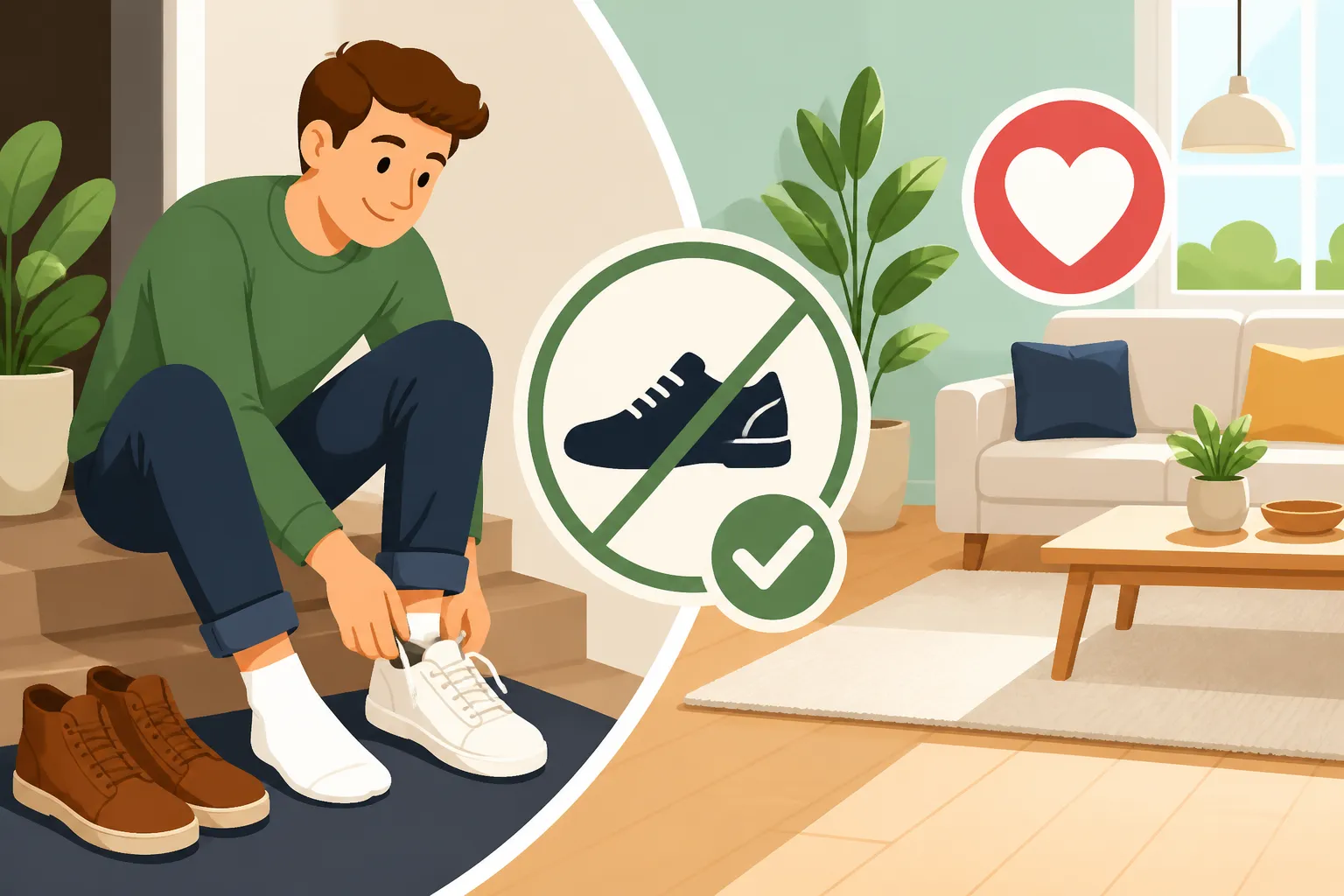
Ah, the shoe-free home. For some, it's second nature; for others, it's a completely foreign concept. In Denmark, it’s not just a suggestion, it's deeply ingrained, almost instinctual. When you enter a Dane’s home, the expectation is overwhelmingly that you will remove your outdoor footwear. It’s part of a broader cultural understanding about cleanliness, comfort, and respect for the home as a sanctuary.
A Legacy of Cleanliness and Practicality
Let's face it, Denmark isn't always blessed with sunshine. We experience a good deal of rain, slush, mud, and sometimes even snow for a significant portion of the year. Imagine trekking all that lovely grime into someone's beautifully maintained living room! Danes are generally very house-proud, and keeping their homes clean is a high priority. Public spaces are one thing, but the home is often seen as a pristine environment, a place of relaxation and order. Having guests traipse dirt and dampness across their wooden floors or plush carpets is, understandably, a no-go. This isn't about being fussy; it's about practicality and preserving the domestic space. It’s also tied into the value placed on a clean and tidy home, which makes sense when you consider the concept of The Move-Out Inspection (Fraflytningssyn): Getting Your Deposit Back from landlords – keeping things spotless from day one is key!
Hygge and the Barefoot Comfort
Beyond mere cleanliness, the practice of removing shoes is intimately connected to hygge, that quintessential Danish concept of coziness and comfort. Hygge is about creating a warm, inviting atmosphere, and part of that warmth comes from feeling relaxed and at ease. Kicking off your shoes contributes directly to this feeling. There’s something inherently casual and comfortable about padding around in socks or slippers, rather than clomping about in stiff outdoor shoes. It signals a transition from the bustling, often damp and cold, outside world to the safe, warm, and comfortable interior. It’s an act of collective relaxation. If you're looking for a place to truly embrace this lifestyle, places you might find on platforms like Spotahome would likely encourage this practice, as it's a staple of Danish home life.
Respect for the Space and its Inhabitants
Ultimately, taking off your shoes is a sign of respect. It shows that you acknowledge the host's efforts to create a clean and welcoming home. It's an unspoken agreement that you are entering their private haven and will treat it with care. For many Danes, their home is a deeply personal space, and this simple act demonstrates that you understand and respect that boundary. Think about it: you wouldn't typically wear your outdoor shoes into a temple or a dojo, would you? While a Danish home isn't a sacred site in the same way, it holds a similar significance in terms of personal space and respect. It's a small gesture, but it speaks volumes about your awareness of local customs and your consideration for your hosts.
Navigating the Shoe-Free Zone: What to Expect and Do
So, you're at the doorstep. The shoes are there. Now what? Don't panic! This is where a little observation and preparation go a long way.
The Subtle Cue: Observe and Follow Suit
The easiest way to know what to do is simply to look down. If there’s a pile of shoes by the door, or if your host immediately starts taking off their own shoes, then you should follow suit. It's a silent signal, a Danish way of communicating without needing to say a word. Don't wait to be asked directly; proactively removing your shoes shows initiative and respect. If you’re unsure, a quick "Skal jeg tage skoene af?" (Should I take my shoes off?) or "Do you prefer I take my shoes off?" is perfectly acceptable and often appreciated. It shows you're trying to be considerate. Remember, navigating these small cultural differences is part of Social Integration: Making Friends and Understanding Danish Etiquette.
Footwear Considerations for Guests
Given this prevalent custom, it's wise to plan your footwear when you know you'll be visiting a Danish home.
- Socks Matter: Make sure your socks are clean and presentable. Holes in your socks, while a minor issue, might cause a tiny moment of embarrassment. It’s a small detail, but it reflects on overall preparedness.
- Pack Slippers (Optional but Appreciated): Some Danes keep guest slippers (gæstetøfler) for visitors, especially in winter. Others don't. If you're someone who gets cold feet easily or feels uncomfortable without something on your feet, consider bringing your own lightweight pair of indoor slippers in your bag. This is especially useful during Winter in Denmark: Hygge, Heating Strategies, and Surviving the Dark, when floors can be chilly.
- Pedicure Ready: If it's summer and you're wearing sandals, prepare to be barefoot. A fresh pedicure might be a small confidence booster!
The Host’s Perspective: To Ask or Not to Ask
From the host's side, it's also a delicate dance. Most Danes will simply assume you know to take your shoes off, or they will subtly remove their own shoes as a hint. They might not explicitly ask you to remove them because they don't want to make you feel uncomfortable or as if you're being scolded. It's a balance between asserting a cultural norm and being a welcoming host. If you're hosting Danes in your own home, be aware that they might automatically start looking for a place to put their shoes, even if you don't personally have a "shoes off" rule. It’s a deeply ingrained habit. Providing a small mat or shoe rack near the entrance can be a nice gesture for your Danish guests.
Exceptions to the Rule and Related Home Etiquette
While the "shoes off" rule is widespread, there are always nuances and related aspects of home etiquette that can enhance your understanding and integration.
When Shoes Might Stay On
Are there any exceptions? Well, yes, but they're rare and usually contextual:
- Brief Visits: If you're just popping in for literally five minutes to drop something off or pick something up, and you're standing mostly in the entryway, a host might say "no need" for you to remove your shoes. But don't count on it, and still offer to remove them.
- Work-Related Visits: If a tradesperson, like an electrician or plumber, is visiting for a specific task, they might keep their shoes on (though many will still bring shoe covers or remove them, especially in Denmark!). This is more of a professional boundary.
- Large, Casual Gatherings: At very large, super informal parties where people are constantly moving in and out, the rule might be slightly relaxed, particularly if it's not a sit-down affair. However, even then, most people will still remove their shoes if they plan to spend any significant time inside. For something like a Julefrokost (Christmas Party) Etiquette: Surviving the Office Holiday Bash, if it's held in a private home, the shoes will almost certainly come off.
When in doubt, always default to taking your shoes off. It’s better to be safe than sorry and show that you are respectful of their home and culture.
Beyond Shoes: Other Danish Home Customs
Once you're past the shoe hurdle, what else should you know about being a guest in a Danish home?
- Punctuality: Danes are generally punctual. Arriving on time is important. If you're going to be late, a quick text message to let your host know is polite.
- Small Host Gift: It’s common, though not strictly mandatory, to bring a small gift for your host. A bottle of wine, some nice chocolates, flowers, or a small baked good (especially if you know your way around Navigating Danish Bakeries: What Are Rundstykker and Wienerbrød?) are always appreciated. This is a nice way to show gratitude. If you are planning to bring wine or other alcoholic beverages, make sure you're aware of How to Buy Alcohol in Denmark: Age Limits and Supermarket Rules.
- Offer to Help: Especially if it’s an informal dinner, offering to help set the table, bring dishes to the kitchen, or clean up is a kind gesture. Your host might decline, but the offer itself is valued.
- "Kaffe og Kage": If invited for coffee and cake, expect a cozy, often afternoon, affair. It's a beloved Danish tradition. Don’t expect a full meal, but delicious baked goods and plenty of coffee.
- Conversation and Intimacy: Danish homes are places for quiet conversation and intimate gatherings. Small talk is fine, but don't expect overly boisterous or loud behavior, especially if you're mindful of Quiet Hours and Apartment Rules: How to Avoid Neighbor Conflicts. Danes value genuine connection over superficial interactions.
Practical Tips for Expats and Visitors
As an expat or tourist, understanding these small but significant cultural markers can vastly improve your experience and interactions.
For New Residents
For those of us making Denmark our long-term home, this shoe-off custom will quickly become second nature. You'll probably find yourself instinctively kicking off your shoes when you enter your own apartment, especially after dealing with the elements outside. It also contributes to keeping your own home cleaner, which is a win-win, particularly if you’re trying to prevent issues like Managing Humidity and Mold (Skimmelsvamp) During Danish Winters.
Consider investing in a good shoe mat or a small shoe rack near your entrance. This helps keep the entryway tidy and signals the "shoes off" rule to any visitors you might have. If you find yourself needing to clean more often due to outdoor muck, you might even consider options like How to Find a Cleaning Person (Rengøring) Legally in Denmark. Many Furnished vs. Unfurnished Apartments: What to Expect in Denmark will still have you bringing your own shoe storage.
For Tourists and Short-Term Visitors
If you're just visiting Denmark, perhaps staying in a hotel or a short-term rental found through platforms like Spotahome, you might not encounter this rule as strictly. Hotels, of course, are public spaces. However, if you are lucky enough to be invited into a Danish home for a meal or visit, the shoe etiquette applies just as much to you. Be prepared! Even when using your mobile data to navigate or research via an eSIM from Airalo, remember to research cultural norms to avoid any faux pas.
A Comparative Look at Shoe Etiquette
To further illustrate the Danish approach, here's a quick comparison of shoe etiquette in different settings:
| Setting | General Shoe Etiquette | Danish Norm (Private Home) |
|---|---|---|
| Private Home (Guest) | Varies greatly by culture (shoes on, shoes off, ask) | Almost always remove shoes |
| Public Buildings | Shoes on | Shoes on (e.g., libraries, museums) |
| Workplace/Office | Shoes on, professional footwear | Shoes on (unless very casual office, then might be optional) |
| Cafes/Restaurants | Shoes on | Shoes on |
| Gym/Sports Facilities | Specific sports shoes for activity, street shoes off in changing rooms | Specific sports shoes for activity, street shoes off in changing rooms |
| Shared Laundry Room | Shoes on (casual, practical footwear) | Shoes on (practical), but some might remove for cleanliness |
You can see that the private home is where the distinction is most pronounced. This also applies to Washing Machine Etiquette: Shared Laundries (Vaskekælder) in Apartments, where people generally wear shoes, but indoor shoes might be preferred for comfort and cleanliness.
Embracing the Danish Way
Initially, this seemingly minor custom might feel a bit strange or even an invasion of privacy for those from cultures where shoes stay on. But trust me, you'll get used to it. Like many aspects of Danish life, once you understand the underlying values – cleanliness, comfort, and respect – it makes perfect sense. It's a small but significant part of experiencing life in Denmark, especially during the darker months where Tips for Surviving the Short Daylight Hours of Danish December often involves lots of indoor coziness. So, next time you approach a Danish doorway, take a moment, observe, and graciously kick off those shoes. You'll blend right in, and your hosts will appreciate it.
Disclaimer
The information provided in this guide is for general informational purposes only and does not constitute professional advice. While we strive to ensure accuracy and provide up-to-date insights, cultural norms and practices can evolve. Always use your best judgment and observe local customs.