Quiet Hours and Apartment Rules: How to Avoid Neighbor Conflicts
Moving into a new apartment in Denmark can be incredibly exciting, filled with dreams of hygge and Danish living, but the unspoken rules of co-habitation, especially around noise and quiet hours, can quickly turn that excitement into anxiety. Many expats find themselves scratching their heads, wondering what's acceptable and what might earn a stern glance or worse, a visit from a frustrated neighbor. This guide will meticulously break down Danish apartment rules, cultural expectations, and practical steps to ensure you maintain peace in your new home and avoid unnecessary neighbor conflicts.
The Unwritten Rules: Understanding Danish Quiet Hours and the Husorden
One of the first things you’ll notice when you settle into Danish apartment living is a general expectation of quietude, especially at certain hours. Unlike some cultures where lively noise is a sign of community, Danes tend to value peace and private space highly. This isn't just about avoiding a stern look from an irritated neighbor; it’s deeply rooted in the concept of Husorden, or house rules, which governs most apartment buildings.
What are the "Standard" Quiet Hours (Stilhedskrav)?
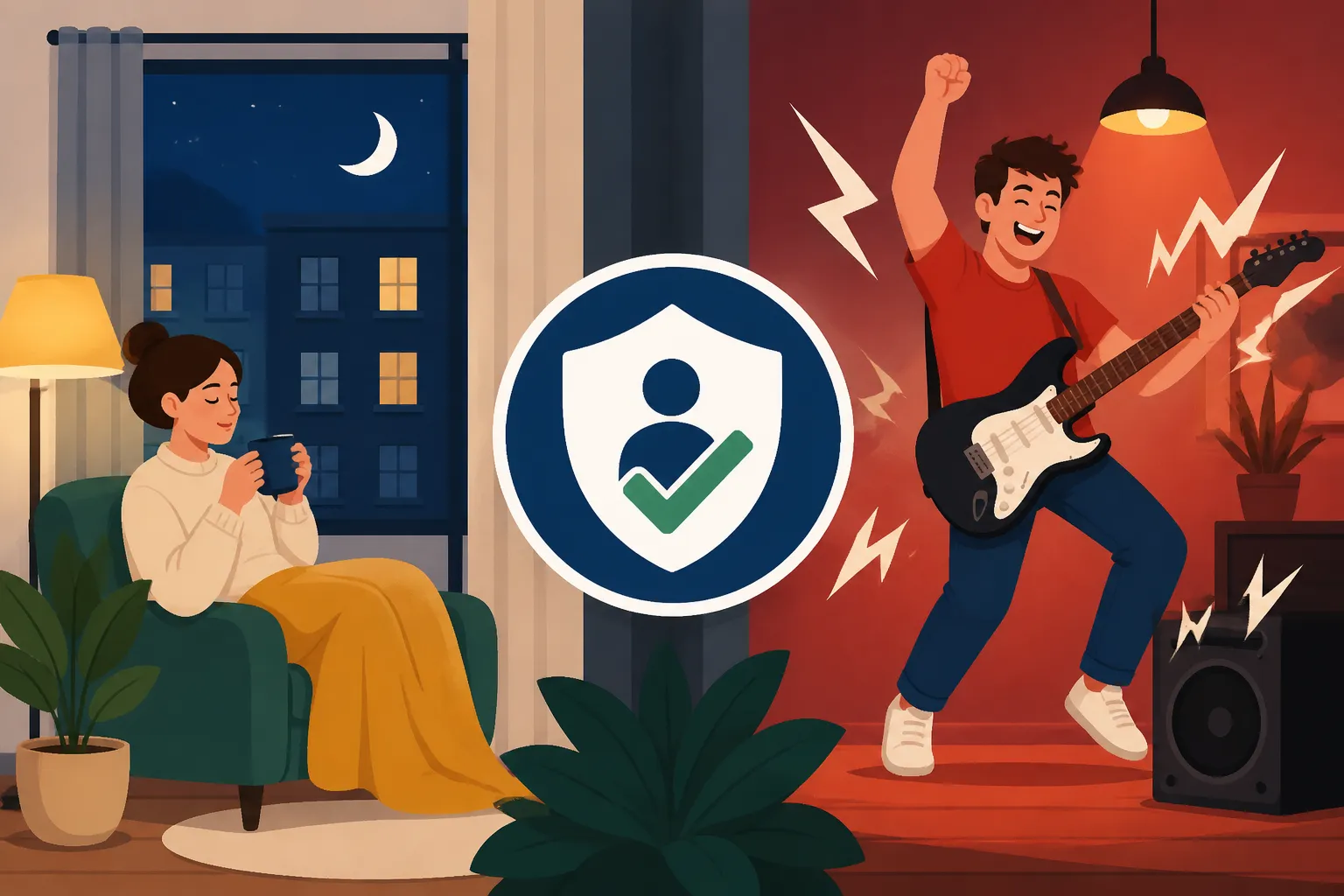
While Denmark doesn't have a single, universal law dictating quiet hours across all residential buildings, there are widely accepted guidelines that almost every apartment complex adheres to. Generally, you can expect quiet hours to be observed between 10 PM (22:00) and 7 AM (07:00) on weekdays, extending to all day on Sundays and public holidays. This means refraining from loud music, excessive talking, vacuuming, doing laundry, or engaging in any activity that could generate significant noise during these times.
It's crucial to understand that these are strong cultural norms. Even if your specific building's Husorden doesn't explicitly state these exact hours, acting with respect for your neighbors by following them is always a good idea. Think of it as a social contract; everyone expects to be able to sleep peacefully or enjoy a quiet Sunday, and you're expected to contribute to that communal tranquility. Ignoring these can quickly lead to resentment and eventual complaints, which is the last thing you want when trying to settle into a new country.
Deciphering Your Apartment Building's Bylaws (Husorden)
The Husorden is arguably the most important document you’ll receive (or should receive) when you move into a Danish apartment, aside from your lease itself. This isn't just a suggestion list; it's a legally binding set of bylaws specific to your building or housing complex. It details everything from noise regulations and the use of common areas to waste disposal and pet policies. Often, it's explicitly referenced in your Typeformular A10: Understanding the Standard Danish Lease Agreement, making it an integral part of your tenancy.
You should have received a copy of the Husorden when you signed your lease. If not, don't hesitate to ask your landlord or the building manager for one immediately. You might also find it posted on a communal notice board in the entrance hall or accessible through an online portal if your building is managed by a larger housing association (boligforening). Carefully reading through this document is non-negotiable. It will clarify the exact quiet hours for your specific address, rules regarding guests, how to book shared facilities like laundry rooms, and expectations for balcony use. For instance, some Husorden might explicitly forbid barbecuing on balconies, while others may allow electric grills only.
Cultural Nuances of Noise and Private Space in Denmark
The Danish approach to noise and neighborly relations often stems from a deep-seated respect for individual privacy and a desire for harmony. While Danes are generally very tolerant, there's a limit, and crossing it can lead to passive-aggressive responses or, eventually, a direct complaint. It’s not uncommon for Danes to avoid direct confrontation, preferring to hope the problem resolves itself or leaving a polite (or not-so-polite) note rather than knocking on your door immediately. This can be baffling for expats from more openly confrontational cultures.
The expectation is that you, as a resident, exercise common sense and consideration. If you know you're planning something noisy, like a party or extensive DIY work, a simple note in the hallway or a quick chat with your immediate neighbors beforehand can go a long way. This proactive communication signals respect and can defuse potential tension before it even starts. Remember, Danish society often operates on a high-trust model, and adhering to these social contracts helps build that trust within your immediate community.
Navigating Common Sources of Neighbor Conflict
Living in close quarters inevitably means encountering different lifestyles and noise thresholds. As an expat, understanding the typical friction points in Danish apartment living can help you proactively manage your impact and avoid unnecessary run-ins. It's often the small, seemingly insignificant actions that accumulate into larger frustrations for your neighbors.
Parties, Social Gatherings, and Overnight Guests
Ah, the quintessential expat dilemma: how to host a lively gathering without becoming that neighbor. In Denmark, while socializing is valued, loud parties that extend late into quiet hours are generally frowned upon. If you're planning a birthday bash or a weekend get-together, a little preparation can save a lot of headaches. Firstly, aim to wrap up the loudest parts of your party before the official quiet hours begin, typically 10 PM. This means turning down the music and moving conversations indoors and to a lower volume.
Secondly, and this is a golden rule in Denmark: communicate. A friendly note on the building's notice board or a quick knock on your immediate neighbors' doors a few days beforehand, letting them know you're having guests and providing your phone number in case of issues, can work wonders. This gesture of consideration is highly appreciated. Even with good intentions, sometimes noise happens. If a neighbor does contact you, respond promptly and apologetically, immediately taking steps to reduce the disturbance. Ignoring their concerns is a sure-fire way to escalate the conflict.
Children, Pets, and Everyday Living Noise
Children, bless their energetic hearts, are a natural source of noise. Danish society is generally quite tolerant of children’s noise during daytime hours. Playtime, laughter, and the occasional tantrum are understood as part of family life. However, this tolerance often dwindles during quiet hours. Letting children run, jump, or play loudly late at night or early in the morning can quickly become a point of contention. Teach your kids to be mindful, especially during these periods.
Pets, particularly dogs, also require careful management. Most Husorden will have specific rules regarding pets, including whether they are allowed at all, and if so, expectations around barking. A constantly barking dog is a primary source of neighbor complaints, and landlords often take these seriously. Ensure your pet is well-trained and doesn't disturb others. As for "everyday living noise"—things like vacuuming, showering, or playing music—the same quiet hour principles apply. Try to schedule these activities for during the day. Remember that sound travels easily in many older Danish apartment buildings, so what feels like a normal volume to you might be much louder for your downstairs neighbor.
Renovation, DIY, and Moving In/Out
The urge to personalize your new Danish home with a few DIY projects is understandable, but power tools are not known for their subtlety. Noisy renovation work, like drilling, hammering, or heavy construction, is almost universally restricted to specific daytime hours on weekdays, typically between 8 AM and 5 PM (17:00), and often not allowed at all on weekends or public holidays. Your Husorden will specify these exact times. Again, a heads-up to your neighbors if you're undertaking a larger project is always a thoughtful gesture.
Moving in or out can also generate significant noise and disruption. This isn't just about hauling furniture; it's about cleaning communal hallways, using the elevator, and the general bustle. Be mindful of quiet hours when scheduling your move. Clear any moving debris promptly from shared spaces, and ensure you return any communal tools or trolleys if your building provides them. A messy hallway or a blocked entrance can be just as annoying as a noisy drill, so keep shared spaces tidy during these transitions.
Your Rights and Obligations as a Tenant: The Legal Framework
Living in Denmark means operating within a structured legal framework, and your tenancy is no exception. Understanding your rights and, perhaps more importantly, your obligations, is fundamental to avoiding conflicts and ensuring a smooth living experience. This isn't just about being a good citizen; it's about protecting yourself legally.
Your Lease Agreement (Typeformular A10) and the Husorden
As mentioned earlier, your Typeformular A10: Understanding the Standard Danish Lease Agreement is the cornerstone of your tenancy. Crucially, any Husorden that was provided to you at the time of signing the lease, or that is referenced within the lease, becomes a legally binding part of your agreement. This means that adhering to the apartment rules is not merely a courtesy; it's a contractual obligation. If you violate these rules, you are, in effect, breaching your lease.
What if you never received a Husorden? While it's common for landlords to provide one, if it wasn't given to you and isn't explicitly mentioned in your lease, its enforceability can become a grey area. However, general Danish law still applies, and you are expected not to cause undue disturbance to your neighbors. It's always best to request a copy and ensure you understand the expectations for your specific building. Ignorance of the Husorden is generally not considered an acceptable defense if a complaint is lodged against you.
Consequences of Breaching Apartment Rules
The path from a neighbor complaint to serious consequences can vary, but it's important to know what you might face. Typically, for minor infractions or a first offense, you might receive a polite note from a neighbor, or a more formal written warning from your landlord or boligforening (housing association). These warnings serve as an official record. Repeated or severe breaches of the Husorden can escalate.
Landlords have the right to issue formal warnings, which can sometimes be accompanied by a demand for you to rectify the behavior. In persistent or particularly disruptive cases, landlords can legally terminate your lease and initiate eviction proceedings. While this is usually a last resort, especially in a tenant-friendly country like Denmark, it is a real possibility if you consistently disregard the rules and cause significant disturbance to your neighbors. Avoiding such a stressful situation is clearly paramount, making adherence to the Husorden not just polite, but self-preservative.
Documentation is Your Best Friend
Whether you are the one making a complaint or finding yourself on the receiving end, documentation is absolutely critical in Danish housing disputes. The legal system, and landlords, will rely on objective evidence. If you are experiencing noise issues from a neighbor, keep a detailed log: dates, times, types of noise, and how long it lasted. You can also gather evidence like sound recordings (though be mindful of privacy laws and use them cautiously, primarily for personal records).
Similarly, if you're being accused of breaking rules, ensure all communication with your landlord or neighbors is in writing – emails or official letters are best. Avoid verbal agreements or casual hallway chats for serious issues. This creates a clear paper trail, proving when you communicated, what was said, and what actions you took. For anything important, make sure you use official communication channels like E-Boks: Don't Forget to Update Your Digital Mail Address for anything related to government or official bodies. This meticulous approach can significantly strengthen your position if the situation ever escalates beyond informal discussions.
Proactive Strategies for Peaceful Coexistence
The Danish way often favors prevention over cure, and neighborly relations are no different. Taking proactive steps to be a considerate resident can go a long way in establishing a harmonious living environment. As an expat, this is also an excellent way to integrate into your local community, even if interactions remain minimal.
The Art of Danish Communication: Proactive and Considerate
One of the most effective strategies is good communication. When you first move in, consider introducing yourself to your immediate neighbors. A simple "Hej, I've just moved into [apartment number]" can break the ice and make future interactions much easier. It humanizes you and makes it easier for them to approach you (and vice versa) if an issue arises.
If you're planning an event that might generate some noise – even just for a few hours – a polite note in the common area or a quick chat with those most likely to be affected is always appreciated. Something like, "We're having a small gathering on Saturday evening. We'll try to keep the noise down, but if there are any issues, please call us at [your phone number]." This gesture demonstrates consideration and respect, often making neighbors more tolerant of temporary disturbances. It signals that you're aware of the rules and value their peace, which in turn builds goodwill. Even before you arrive, securing reliable connectivity with an eSIM from a provider like Airalo can be invaluable for coordinating with landlords or potential flatmates, especially when discussing important details like the Husorden or moving logistics.
Maximizing Your Outside Space Respectfully
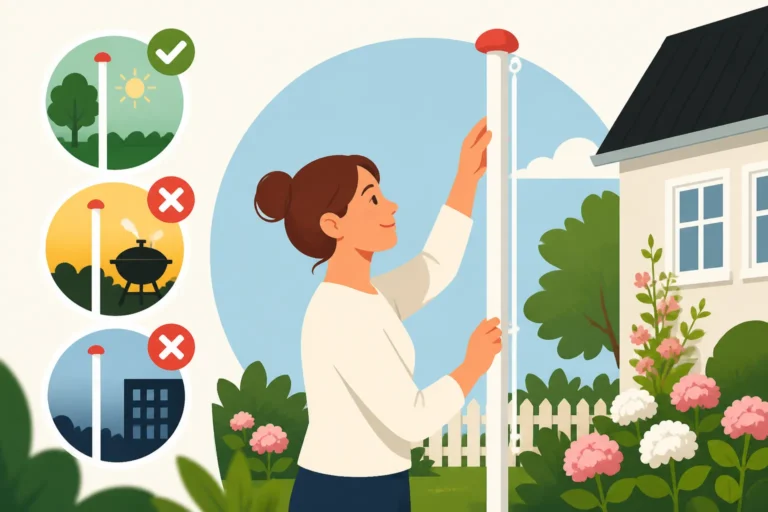
Balconies, terraces, and shared courtyards are wonderful amenities, but they also come with specific etiquette in Denmark. For balconies, consider noise levels, especially when having conversations, listening to music, or allowing children to play. Some Husorden might have rules about drying laundry, the types of plants you can keep, or even where you can place furniture. Barbecuing is a common point of contention; make sure you check your Rules on Barbecuing (Grill) on Apartment Balconies carefully, as open flames are often prohibited due to fire risk.
Shared courtyards or gardens are typically governed by rules about noise, tidiness, and usage times. If there's a playground, ensure your children are aware of designated quiet times or areas. Remember that these are communal spaces, not extensions of your private apartment, so always leave them as you found them – or better. Tidiness and respect for shared resources are highly valued in Danish apartment complexes.
Shared Facilities: From Laundry Rooms to Waste Disposal
Shared facilities, like laundry rooms (vaskekælder), bike storage, and waste areas, are essential parts of many Danish apartment buildings. Each usually comes with its own set of rules, often prominently displayed. For laundry rooms, this can include booking systems, specific usage hours, and expectations for cleaning the machines and area after use. Disregarding these rules can quickly lead to friction. For a deep dive, check out Washing Machine Etiquette: Shared Laundries (Vaskekælder) in Apartments.
Waste disposal is another area where rules are strict and for good reason. Denmark has excellent waste sorting systems, and you'll be expected to sort your trash into various categories (e.g., bio-waste, plastic, paper, glass). Ignoring these can lead to overflowing bins, pest problems, and the wrath of your building management. Learn the local sorting rules immediately and adhere to them. Large items (storskrald) usually have specific collection days or drop-off points, so don't just leave them in the common areas.
When Direct Communication Fails: Formal Complaint Procedures
Despite your best efforts to be a considerate neighbor, sometimes issues arise, or you might find yourself on the receiving end of persistent disturbances. When direct, informal communication isn't working, or isn't appropriate, it's time to understand the more formal channels available.
Addressing the Neighbor Directly (With Caution)
Before escalating to the landlord, consider a direct, calm approach if you feel safe and comfortable doing so. Often, people are simply unaware they are causing a disturbance. A friendly knock on the door, explaining the issue politely and concretely (e.g., "I can hear your TV very loudly in my bedroom after 11 PM, could you please turn it down?"), can sometimes resolve the problem immediately. Avoid confrontational language or accusations; focus on the impact the noise is having on you.
However, know when to step back. If the neighbor is unresponsive, aggressive, or if you feel unsafe, do not persist with direct confrontation. Your safety and peace of mind are paramount. In such cases, or if repeated direct attempts have failed, it's time to move to more formal procedures. Remember, you're an expat, and navigating cultural nuances in conflict can be tricky, so sometimes involving an intermediary is the wisest choice.
Involving the Landlord or Housing Association (Boligforening)
If informal attempts fail, or if the problem is severe and ongoing, your next step is to make a formal complaint to your landlord or the boligforening (housing association) that manages your building. This needs to be in writing. Provide all the documentation you've meticulously gathered: dates, times, descriptions of the disturbance, and any previous attempts you made to resolve it. Be factual and objective, avoiding emotional language.
Your landlord or boligforening has a responsibility to ensure that all tenants adhere to the Husorden and do not cause undue disturbance. They will typically investigate the complaint, which might involve speaking to the offending neighbor or even other neighbors to verify the issue. They will then usually issue a warning to the disruptive tenant. You can learn more about their roles and responsibilities in Navigating Building Management (Ejendomskontor) vs. Landlord Roles. It's a bureaucratic process, so patience is key, but persistence with clear documentation will increase your chances of a resolution.
Seeking External Mediation or Legal Advice
If your landlord or housing association is unresponsive or unable to resolve the issue, you have further avenues. Joining a tenants' union like LLO (Lejernes Landsorganisation) can be incredibly beneficial. Joining LLO (Tenants' Union): How to Fight Unfair Rent Increases is a great resource, as LLO provides legal advice and sometimes mediation services for members facing various housing issues, including neighbor disputes. They can help you understand your rights and the legal steps you can take.
In severe and persistent cases, particularly if the disturbance affects your health or ability to enjoy your home, you might consider seeking legal advice from an attorney specializing in tenancy law. They can guide you through the process of taking legal action, which could range from demanding compensation to requesting a court order for the neighbor to cease the disturbance. This is often a last resort due to costs and time, but it's important to know your options when all other avenues have been exhausted. For specific legal guidance, especially concerning significant disruptions, refer to Noise Complaints: How to Deal with Loud Neighbors Legally.
Leaving Denmark and Other Considerations
While the focus has been on managing current living situations, it's worth remembering that your behavior as a tenant can have longer-term implications, even extending beyond your time in Denmark. Cultivating a reputation as a responsible and considerate resident is always beneficial.
Maintaining Reputation and References
In Denmark, word travels, and being known as a problematic tenant can haunt you. Future landlords might request references from previous ones, and a history of neighbor complaints or breaches of the Husorden could make it difficult to secure new housing. When you're looking for your next rental, whether in Denmark or elsewhere, a positive reference from your current landlord can be invaluable. This applies not just to your financial reliability but also to your conduct as a tenant and neighbor.
Even if you plan to leave Denmark, burning bridges with your landlord or community is rarely a good idea. A good relationship can smooth the Renting in Denmark: Complete Guide for Expats (2027) process, from move-out inspections to the return of your deposit. Remember, the Danish housing market can be competitive, and having a solid track record as a responsible tenant makes you a much more attractive candidate.
Cultural Sensitivity and Adapting to Local Norms
As an expat, navigating the intricacies of Danish social norms can be a continuous learning process. What might be acceptable in your home country regarding noise or personal space might be viewed very differently here. Embrace this learning curve with patience and an open mind. Observe your neighbors, listen to the cues, and don't be afraid to ask your Danish colleagues or friends for advice on specific situations. They can provide valuable insights into the unwritten rules that might not be immediately obvious.
Ultimately, living in Denmark often means adapting to a culture that values order, consideration, and communal harmony. While it might sometimes feel restrictive, these norms contribute to the high quality of life and sense of security that many expats come to appreciate. Being culturally sensitive to these expectations will not only help you avoid conflicts but also enhance your overall experience of living in Denmark.
Digital Tools and Resources
In an increasingly digital society, leveraging online resources and digital communication tools is crucial for expats in Denmark. Your e-Boks account, for example, is where you'll receive official communication from your landlord or boligforening if they are linked to the public digital mail system. Staying on top of your digital post is essential for any official correspondence, including warnings or updates regarding your tenancy.
While not directly related to neighbor disputes, services like Spotahome can be useful when initially searching for rentals, as some listings might include details about the Husorden or community rules upfront. This allows you to vet potential apartments not just by location and rent, but also by the living environment and expectations. Being informed from the start can prevent many future headaches.
Here’s a quick summary of typical quiet hours and common restrictions in Danish apartments:
| Activity / Time of Day | Typical Quiet Hours (Guidelines) | General Restrictions / Expectations |
|---|---|---|
| Weekdays | 10 PM – 7 AM (22:00-07:00) | No loud music, vacuuming, drilling, laundry. Keep conversations low. |
| Weekends & Holidays | All Day (especially Sundays) | Extended quietness expected. Avoid any significant noise pollution. |
| Loud Parties | Before 10 PM on weekdays, vary for weekends | Inform neighbors in advance. Keep noise contained. |
| Children Playing | Generally acceptable during daytime | Minimize loud play during quiet hours. |
| Pets (Dogs) | Anytime | No excessive barking, especially during quiet hours. Check Husorden. |
| Renovation/DIY | Weekdays: 8 AM – 5 PM (08:00-17:00) | Strictly avoid weekends/holidays. Inform neighbors. |
| Shared Laundry | Specific booking times in Husorden | Follow booking, clean after use. Avoid during quiet hours. |
| Balcony Use | Generally respectful of neighbors | No open flames (BBQs), loud music, or late-night conversations. |
| Waste Disposal | Anytime, but be quiet if during quiet hours | Strict sorting rules. Don't leave large items in communal areas. |
Disclaimer
The information provided in this guide is intended for general informational purposes only and does not constitute legal advice. While every effort has been made to ensure accuracy and relevance, specific situations may vary, and laws or regulations may change. It is always recommended to consult with a legal professional or a tenants' union like LLO for advice tailored to your individual circumstances in Denmark.