Pharmacies in Denmark: Apotek Rules, Prescriptions, and Subsidies
One of the biggest culture shocks I experienced moving to Copenhagen was standing in a supermarket aisle for twenty minutes, searching for a simple bottle of high-strength painkillers, only to realize they didn't exist there. I’ve stood in that same confused state at the pharmacy counter many times, wondering why my medicine prices fluctuated every two weeks. This guide explains how the Danish pharmacy system works, from the digital "cloud" prescriptions to the complex subsidy rules, so you can navigate the Apotek like a local.
Understanding the Danish Apotek System
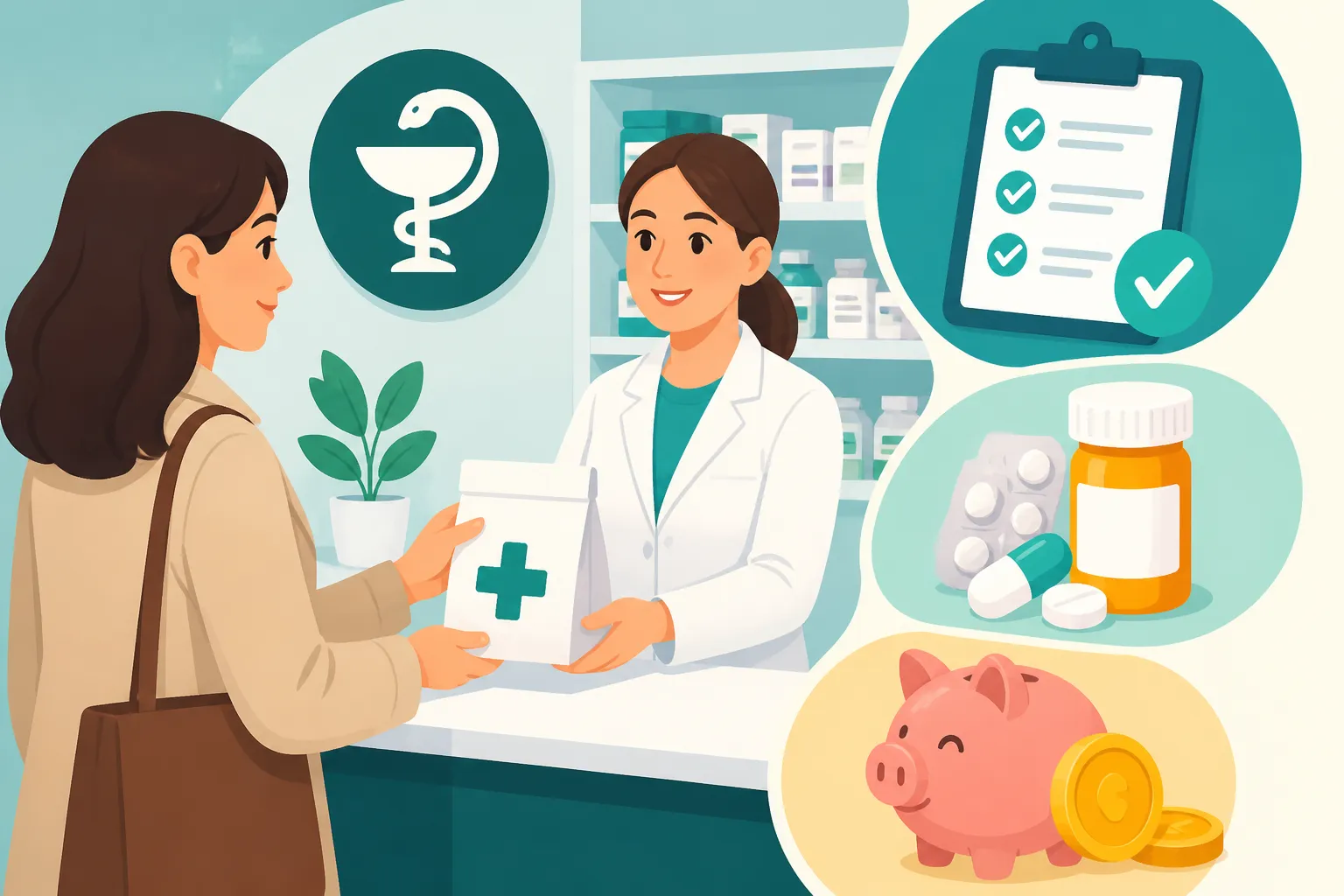
The Danish pharmacy system, known as the Apotek, is a highly regulated and deeply integrated part of the national healthcare infrastructure. Unlike in many other countries where pharmacies might feel like convenience stores that happen to sell medicine, a Danish Apotek is a clinical environment focused almost exclusively on health. When you first move here, you’ll notice the green cross symbol everywhere, but the experience inside is likely different from what you are used to back home.
I remember my first visit, expecting to browse shelves of various treatments. Instead, I found a clean, clinical space where most things are kept behind the counter. This is because the Danish system prioritizes professional counseling over retail sales. Every person you see behind that counter is either a trained pharmaconomist or a pharmacist with a master’s degree. They aren't just there to ring up your purchase; they are legally obligated to ensure you understand how to take your medication. This level of oversight is a cornerstone of Healthcare in Denmark for Foreign Residents: Complete System Guide (2027).
Identifying a Pharmacy and the National Monopoly
In Denmark, the state strictly controls who can own and operate a pharmacy. There are no massive corporate chains like you might see in the US or UK. Instead, individual pharmacists are granted a license by the Danish Medicines Agency to run a specific location. This ensures that pharmacies are spread out geographically, even in rural areas, so that everyone has access to medicine. However, for an expat, this means you won't find "brand loyalty" programs or big sales on medication. The prices for prescription drugs are actually the same across every single pharmacy in the country, as they are set by a national bidding system every fourteen days.
Because of this regulation, the layout of an Apotek is fairly uniform. You walk in, take a number from the ticket machine (usually categorized by 'Prescription' or 'Self-service'), and wait for your turn. It can feel a bit formal, but it ensures privacy and dedicated time with the staff. If you are still waiting for your residence permit, you might feel vulnerable, but remember that brands like SafetyWing can provide coverage for your initial period before you are fully integrated into the public system.
The Role of the Pharmacist in Patient Care
The staff at a Danish pharmacy are often your first line of defense in the medical system. Because it can sometimes take a few days to get an appointment with your GP, many Danes head to the Apotek for minor ailments. The pharmacists are highly skilled at triaging. I’ve had instances where a pharmacist looked at a rash I was buying cream for and told me, "Actually, you need to call the doctor; this looks like an infection that needs an oral antibiotic."
This level of consultation is why you will often see a pharmacist spent five or ten minutes talking to a single patient. They check for drug interactions, explain the Danish "substitution" rules (which we will get into later), and make sure you know the side effects. If you are navigating Finding Medical Care in Denmark: GPs, Specialists, and Referrals, your pharmacist is a vital partner in that journey. They can see your entire prescription history on their screen, which helps prevent dangerous drug-drug interactions that might occur if you are seeing multiple specialists.
The Cultural Expectation of "Self-Care"
There is a strong cultural emphasis in Denmark on not over-medicating. If you have a mild cold or a slight fever, a Danish pharmacist might suggest rest and tea before they suggest a cocktail of over-the-counter drugs. This can be frustrating when you just want to feel better "now," but it reflects a national healthcare philosophy that values the body’s ability to heal and avoids the over-use of antibiotics and strong painkillers.
When you interact with the staff, expect them to ask questions like "How long have you had these symptoms?" or "Have you tried other remedies?" They aren't being nosy; they are following a clinical protocol. For expats used to a more "customer is always right" retail experience, this can feel like a barrier, but it is actually a high-standard safety net designed to protect you.
Types of Pharmacies and Opening Hours
One of the most important things to learn as an expat is that not all pharmacies in Denmark offer the same hours or services. If you have a midnight emergency or a sick child on a Sunday, you need to know where to go. Most standard pharmacies follow the typical retail hours of 9:00 AM to 5:30 PM on weekdays and shorter hours on Saturdays.
Standard Pharmacies vs. Pharmacy Outlets
A standard "Apotek" is a full-service facility where they can mix certain medications and have a full range of prescription drugs in stock. However, in smaller towns or specific neighborhoods, you might encounter a "Håndkøbsudsalg" (OTC outlet) or a "Medicinudleveringssted" (Medicine delivery point). These are often located inside a supermarket or a local kiosk.
These outlets are not full pharmacies. They are essentially pick-up points. You can have your prescription sent there, but there isn't a pharmacist on-site to give you advice. If you have a complex medical condition and are using a plan like Cigna Global to manage private specialists, you’ll likely want to stick to a full-service Apotek to ensure you get the professional consultation required for specialized medications.
Duty Pharmacies and Out-of-Hours Access
If you find yourself in a situation where you need medicine outside of normal business hours, you need a "Døgnapotek" (24-hour pharmacy) or a pharmacy with extended "vagt" (duty) hours. These are strategically located in major cities like Copenhagen, Aarhus, Odense, and Aalborg. Be aware that there is a "gebyr" (fee) for getting a prescription filled outside of normal hours—usually around 20 to 30 DKK.
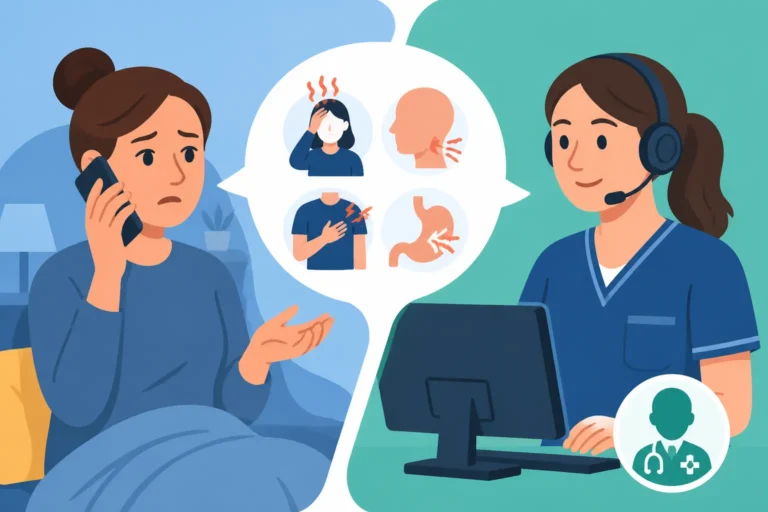
In Copenhagen, the Steno Apotek near the Central Station is the most famous 24-hour spot. I have spent many an hour there at 2 AM waiting for a prescription after a visit to the emergency room. It’s worth noting that if you are calling the out-of-hours doctor, they will often tell you exactly which duty pharmacy is closest to you. You can read more about this in our guide on Emergency Medical Care in Denmark: Calling 112, Lægevagten, and ERs.
The Importance of Location for New Arrivals
When you first arrive, finding your "local" is key. Once you have The Yellow Health Card (Sundhedskort): Your Key to Danish Healthcare, your pharmacy becomes your hub. You can actually choose a "favourite" pharmacy in the various health apps, which makes it easier for your doctor to send prescriptions to the right place, although the beauty of the Danish system is that your digital prescription is technically available at any pharmacy in the kingdom.
It is wise to find the closest 24-hour pharmacy to your home the day you move in. You don’t want to be googling "Døgnapotek" when you have a 39-degree fever or a screaming toddler. Knowing the logistics of your neighborhood is as important as knowing where the nearest Netto is.
Navigating Prescriptions in Denmark
The prescription system in Denmark is almost entirely paperless, which is a marvel of efficiency once you understand it, but can be incredibly confusing the first time you walk into a pharmacy and have nothing to hand to the pharmacist. Your prescription doesn't exist on a piece of paper; it exists in "the cloud"—specifically on the National Server for Prescriptions (Fælles Medicinkort).
The Digital Prescription Cloud
When your doctor prescribes something, they "upload" it to a central server linked to your CPR number. To pick it up, you simply walk into any Apotek in Denmark and scan your Yellow Health Card or the Sundhedskort app. The pharmacist then sees a list of all your active prescriptions. There is no risk of losing the paper or the ink fading.
If you are a regular traveler or a digital nomad using SafetyWing while waiting for your permanent residency, you might not have a CPR number yet. In these cases, the doctor will give you a paper prescription or a "one-time" code. However, for the vast majority of residents, the process is: Doctor says "I’ve sent it," you walk to the pharmacy, scan your card, and the medicine appears. You can track this all yourself by Using the Medicinkortet App: Managing Your Prescriptions Digitally.
Generic Substitution: Why the Price Changes
This is the part that confuses everyone. When you go to pick up a specific brand of medicine, the pharmacist will almost always ask: "Do you want the cheapest version?" In Denmark, the law requires pharmacists to offer the least expensive generic version of a drug unless the doctor has specifically marked the prescription "Ej S" (No Substitution).
The prices of these generics are updated every two weeks on a Monday. Pharmaceutical companies bid on the price, and the winner becomes the "subsidized" version for that fortnight. This means your blood pressure medication might be in a blue box this week and a yellow box next month. It is the exact same active ingredient, but the brand name changes. If you insist on the expensive brand name, you have to pay the price difference yourself, and that extra cost doesn't count towards your state subsidy limit.
Foreign Prescriptions and the Schengen Certificate
If you are moving to Denmark with existing prescriptions from your home country, you need to be careful. A prescription from outside the EU/EEA is generally not valid at a Danish pharmacy. You will need to take your foreign prescription to a Danish GP, who will then "translate" it into the Danish digital system.
For those traveling within Europe with controlled substances (like ADHD medication or strong painkillers), you must have a "Schengen Certificate" (Pillepas). This is a document that proves the medicine is for your own use. If you are bringing meds from abroad, check the rules on Bringing Prescription Medication into Denmark: Schengen Certificates to avoid a very awkward conversation with customs or the local police.
Medication Subsidies and Costs
Medicine in Denmark is not "free," even though the healthcare system is tax-funded. However, there is a very sophisticated safety net called the "Tilskud" system which ensures that no one spends an exorbitant amount of money on necessary medication in a single year. This system is managed through the Central Register of Pharmaceutical Subsidies (CTR).
How the CTR System Works
Every time you buy a subsidized prescription drug, the amount you pay is registered in the CTR system. The "year" starts the first time you buy medication after your previous year has expired. As you spend more money, the government covers a higher percentage of the cost. Once you hit a certain ceiling, the medication becomes significantly cheaper, or even free.
| Total Spend per Year (DKK) | Reimbursement Percentage |
|---|---|
| 0 – 1,075 | 0% |
| 1,075 – 1,743 | 50% |
| 1,743 – 3,780 | 75% |
| Over 3,780 | 85% |
| Annual Maximum Copay | ~4,575 DKK (capped) |
Note: These figures are based on 2026 rates and may adjust slightly each year.
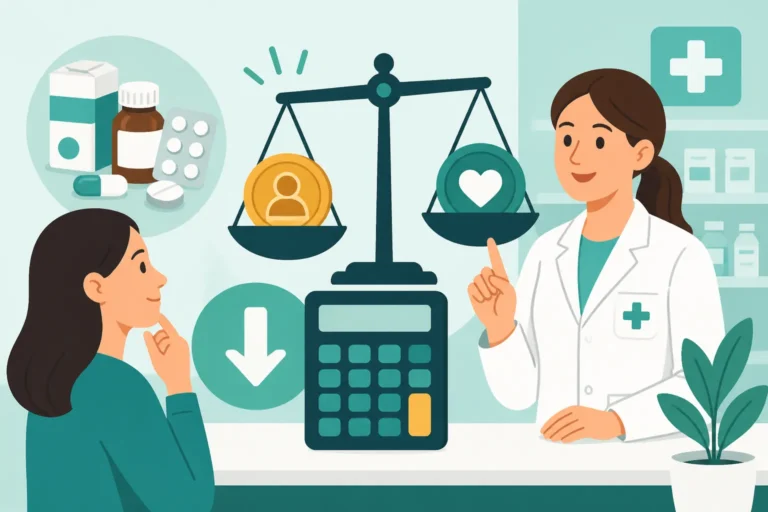
This system is automatic. You don’t have to fill out any forms. The pharmacy's computer knows exactly where you are in your "subsidy year" the moment you scan your card. For more details on the math, see How Medication Subsidies (Tilskud) Are Calculated at the Apotek.
Private Insurance and "danmark"
Many expats choose to join the private health insurance association known as "Sygeforsikring 'danmark'". This is a unique Danish institution where you pay a quarterly fee, and in return, they refund a portion of your out-of-pocket costs for things like dental work, physiotherapy, and—crucially—pharmacy bills.
Even if the state is already covering 75% of your medicine, "danmark" might cover half of the remaining 25%. This can make your medication almost free. If you have chronic health issues, joining "danmark" is often a no-brainer. However, you must join while you are healthy, as they often exclude pre-existing conditions. For those with more complex needs who want global coverage, Cigna Global is a frequent choice for expats who move between countries and want a consistent provider. You can weigh these options in our guide: Private Health Insurance (Sygeforsikring "danmark"): Is It Worth It?.
Special Subsidies for the Terminally Ill or Low Income
There are additional layers of help available. For example, if you are terminally ill, you can apply for a "bevillings" which makes all your medication free regardless of the CTR limits. Similarly, the "Kommune" (municipality) can provide financial aid for medicine if you are a pensioner or have a very low income.
The pharmacist is usually very good at spotting if you might be eligible for extra help. If you find yourself struggling to pay for your prescriptions, ask them: "Can I apply for an individual subsidy (enkelttilskud)?" They can guide you on the steps your doctor needs to take to help the Danish Medicines Agency review your case.
Over-the-Counter (OTC) Medication Rules
The biggest shock for many foreigners is the strictness surrounding over-the-counter (OTC) medication, or "Håndkøbsmedicin." In many countries, you can buy a bottle of 100 Ibuprofen tablets at any gas station. In Denmark, this is impossible.
Why You Can't Buy 400mg Ibuprofen Over-the-Counter
In Denmark, you can only buy 200mg Ibuprofen or 500mg Paracetamol without a prescription. Furthermore, you are usually limited to one pack of 20 tablets per purchase if you are buying from a supermarket or a non-pharmacy outlet. If you need 400mg tablets, you must have a prescription from a doctor.
This rule is designed to prevent accidental overdoses and liver damage. The logic is that if you have pain severe enough to require 400mg of Ibuprofen multiple times a day, you should be under a doctor's care. It’s a classic example of Danish "nanny-state" protection that actually has very good clinical outcomes, but it’s a pain when you have a bad toothache on a Saturday. You can read the full breakdown of why this is the case here: Why You Cannot Buy Ibuprofen 400mg Without a Prescription.
Supermarket vs. Pharmacy Availability
You can buy basic painkillers, nasal sprays, and some cough lozenges in supermarkets like Netto, Føtex, or Rema 1000. However, these are kept behind the counter or in a locked cabinet near the checkout. You have to ask the cashier for them, and you must be over 18 (they will check your ID).
The selection in a supermarket is very limited. If you need anything more specialized—like specific allergy eye drops, stronger cough syrup, or certain skin treatments—you must go to an Apotek. The regulation on what can be sold in a grocery store is very tight. For a full list of what you can find where, check Over-the-Counter (OTC) Medication: Supermarket vs. Apotek Regulations.
Supplements and Natural Remedies
Denmark has a growing market for vitamins and supplements, but again, the rules are strict. Some things that are considered "supplements" in the US or UK are classified as "medicine" in Denmark. For example, Melatonin, which many people use for sleep, requires a prescription in Denmark and cannot be easily imported by mail. If you try to order it from an international website, customs will likely seize it and send you a fine. Always check the rules on Getting Melatonin in Denmark: Prescription Rules and Import Bans before trying to "smuggle" your sleep aids.
Specialized Medical Supplies and Services
Beyond just pills and syrups, the Danish Apotek is where you go for medical equipment, vaccinations, and specialized health advice. They play a massive role in managing chronic diseases and public health initiatives.
Chronic Disease Management
If you live with a condition like Diabetes or Asthma, the pharmacy is your lifeline. They stock everything from insulin pumps to peak flow meters. In Denmark, there is a strong focus on "Inhalationscheck" (inhalation checks) where the pharmacist will watch you use your asthma inhaler to ensure your technique is correct.
For those with chronic conditions, having a robust insurance plan is vital. While the public system is great, some people prefer the added flexibility of private providers. Many expats use Cigna Global to ensure they have access to specific specialists who can then feed prescriptions into the Danish system.
Contraception and Women's Health
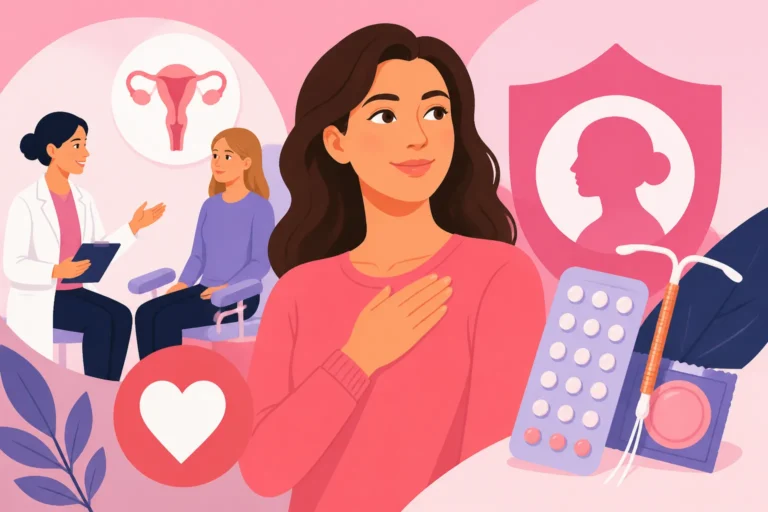
Contraception is generally not free in Denmark, but it is subsidized via the CTR system like any other medicine. You need a prescription for birth control pills, IUDs, and hormonal rings. You can get these from your GP or a gynecologist. Emergency contraception (the "morning-after pill"), however, is available over-the-counter at any Apotek without a prescription and without an age limit, although the pharmacist will usually offer a brief consultation.
Vaccinations and Travel Medicine
Many pharmacies in Denmark now offer vaccination services. This is incredibly convenient for the annual flu shot or the COVID-19 boosters. Instead of waiting for a GP appointment, you can often book a time at your local Apotek or even walk in. They also provide comprehensive travel medicine consultations. If you are planning a trip to a tropical climate, the pharmacist can look up exactly which vaccines and malaria tablets you need.
Practical Tips for Expats at the Apotek
Navigating a new system in a new language is always daunting. Here are some "boots-on-the-ground" tips to make your pharmacy visits as smooth as possible.
Language Barriers and English Support
The good news is that almost every pharmacist and pharmaconomist in Denmark speaks excellent English. They are used to dealing with international students and expats. Don't be afraid to ask for a "medicine review" in English. If the instructions on the box are in Danish (which they usually are), the pharmacist can print out a label in English or explain the dosage clearly.
Always double-check the "Dosering" (dosage) instructions. Danish labels use specific abbreviations. For example, "1 tablet 3 gange dagligt" means one tablet three times daily. If you are unsure, ask them to write it down for you.
Scanning Your Yellow Card and the App
As soon as you walk into the pharmacy, have your Yellow Health Card ready. If you don't have the physical card yet, make sure you have the Sundhedskort app downloaded. If you have neither, you can sometimes use your CPR number and a photo ID, but it makes the process much slower. The "scanning" is what triggers the digital retrieval of your prescriptions and your subsidy status.
Queueing Etiquette
Danes love a good queueing system. Always look for the ticket machine. Usually, there are two buttons: one for "Recepter" (Prescriptions) and one for "Håndkøb/Andet" (OTC/Other). If you press the wrong one, you might wait longer than necessary. Once your number is called, head to the specific counter. It’s considered very rude to "hover" near the person currently being served—privacy is highly valued here.
Using Private Health Insurance for Payments
If you have private insurance like Cigna Global or are using SafetyWing for a short-term stay, you will likely have to pay for your medication upfront and then claim the money back. Keep your "Kassebon" (receipt)! Danish receipts for prescriptions are very detailed—they show the price of the drug, the state subsidy, and the net amount you paid. This is exactly what insurance companies need for reimbursement.
Healthcare in Denmark: A Shared Responsibility
The Danish pharmacy system works because it is a partnership between the state, the pharmacist, and the patient. It can feel bureaucratic at first, with the bid-based pricing and the digital "cloud" prescriptions, but it is one of the safest and most efficient systems in the world.
By understanding how to use The Role of the GP: Why You Cannot Go Directly to a Specialist in conjunction with your local Apotek, you can ensure that your health is managed effectively while you enjoy your life in Denmark. Whether you are here for a year or a lifetime, mastering the Apotek is a true milestone in your expat journey.
Disclaimer
This guide is for informational purposes only and does not constitute medical or legal advice. Regulations regarding medication and subsidies in Denmark can change frequently. Always consult with a qualified medical professional or a licensed pharmacist in Denmark regarding your specific health needs and the most current rules. While we strive for accuracy, the costs and laws mentioned reflect the situation in 2026 and may be subject to updates by the Danish Medicines Agency (Lægemiddelstyrelsen).