Blood Donation in Denmark: Rules for Foreigners and Expats
The biggest hurdle many of us face when trying to give back to our new community in Denmark isn't the needle or the time commitment, but the surprisingly strict language and residency requirements that can leave you feeling excluded at the clinic door. When I first moved to Copenhagen, I walked into a blood bank ready to help, only to be told my lack of Danish fluency was a safety risk. This guide breaks down the complex eligibility rules, the "Danish-only" reality of the clinics, and how you can navigate the system to successfully become a donor.
Understanding the Danish Blood Donation System
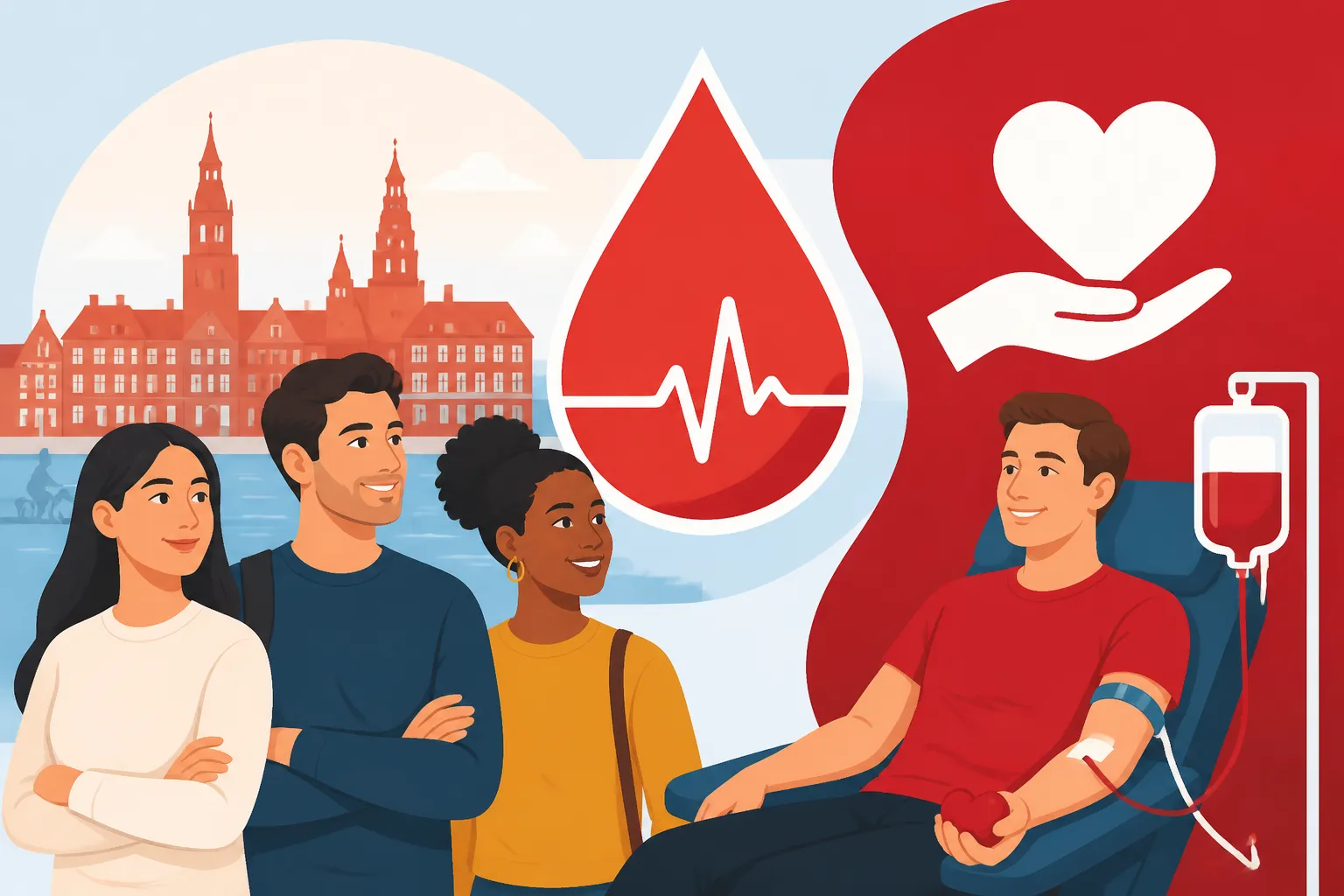
In Denmark, blood donation is handled by a centralized organization called GivBlod, which operates under the regional health authorities. Unlike some countries where donation might be incentivized with high-value vouchers or cash, the Danish system is built entirely on a voluntary, non-paid model. This philosophy is deeply rooted in the concept of "samfundssind," a unique Danish word that roughly translates to community spirit or social responsibility. When you donate here, you are participating in one of the most fundamental acts of social cohesion in the country.
The system is highly efficient but also very protective of both the donor and the recipient. The blood banks are usually located within major hospitals like Rigshospitalet in Copenhagen or Aarhus University Hospital. There are also mobile blood units (Blodbussen) that travel to large workplaces and educational institutions. However, before you can hop on a bus and roll up your sleeve, you need to understand that the administration is as meticulous as you would expect from the people who invented The Yellow Health Card (Sundhedskort): Your Key to Danish Healthcare.
One thing that often surprises expats is the lack of private blood collection agencies. Everything goes through the public regions. If you are still in your first few months and haven't quite settled your paperwork, you might find that your access to these altruistic activities is limited until you have a firm grasp on Understanding CPR Registration and Your Healthcare Entitlement. The system relies heavily on your civil registration number to track your donation history and health data across the country.
Where to Find a Blood Bank Near You
Finding a location is usually the easy part. Every major city has a dedicated "Blodbank." In the capital region, the facilities are top-notch and very modern. If you are living in the suburbs, you might need to check the schedule for the mobile units. It is important to note that you cannot just walk in off the street for your first time; the Danish system requires a pre-registration and an initial screening process that is separate from the actual donation.
The Role of the Regions
Denmark is divided into five regions, and each manages its own blood supply. While the rules for who can donate are national, the booking systems can sometimes feel a bit fragmented. You will likely spend a lot of time on the GivBlod website, which is the primary portal for donors. This is also where many foreigners hit their first wall: the portal is almost entirely in Danish. This isn't just an oversight; it’s a reflection of the strict language policy enforced for donor safety.
Eligibility Criteria for Expats and Foreigners
The most significant barrier for the international community is the language requirement. To donate blood in Denmark, you must be able to read, speak, and understand Danish at a level that allows you to comprehend the complex medical questionnaires and communicate with the staff without the help of an interpreter. This is a non-negotiable safety rule. The reasoning is that in the event of an adverse reaction or a misunderstanding of a health screening question, the staff must be able to communicate with you instantly and accurately.
I remember feeling quite frustrated by this, as my English was perfectly fine for my job at a tech firm, but I wasn't yet "donating-grade" in my Danish studies. It took me about two years of Learning Danish: Sprogcenter, FVU, and the Importance of the Language before I felt confident enough to pass the interview. If you are not there yet, don't take it personally. It is a clinical safety protocol, not a comment on your integration.
Residency and the CPR Requirement
Beyond language, you must have a valid Danish CPR number and a permanent address in Denmark. The blood bank needs to be able to contact you if they discover something in your blood tests that requires medical follow-up. This is why tourists or those on short-term business visas are generally ineligible. If you are still waiting for your paperwork, you might want to look into Expat Health Insurance: Coverage Before You Get Your CPR Number to ensure you have coverage for other medical needs in the meantime, but for blood donation, you simply have to wait for that yellow card.
Health History and Travel Restrictions
Denmark follows strict European Union guidelines but also has its own specific "quarantine" periods for travel. If you have recently moved from a country where certain diseases like Malaria, West Nile Virus, or Zika are prevalent, you will be deferred for several months. For instance, if you’ve spent a summer back home in a tropical climate, you’ll likely need to wait six months before you can donate.
A major update that many long-term expats will appreciate: for years, anyone who lived in the UK for more than six months between 1980 and 1996 was banned for life due to concerns over "Mad Cow Disease" (vCJD). However, following recent scientific reviews, Denmark has lifted this ban. If you were previously told "nej" because of your time in London or Manchester during the nineties, you are now officially allowed to rejoin the donor pool, provided you meet the other criteria.
| Eligibility Factor | Requirement in Denmark |
|---|---|
| Age | 17 to 65 (New donors usually must start before age 60) |
| Weight | Minimum 50 kg |
| Language | Must speak and understand Danish fluently |
| Identification | Valid CPR Number and Yellow Health Card |
| Health Status | Must be generally healthy and not on specific medications |
| Travel | Variable quarantine periods (usually 4 weeks to 6 months) |
The Step-by-Step Process of Becoming a Donor
Once you have mastered the language and have your CPR card in hand, the process begins online. You head to the GivBlod website and fill out a registration form. You’ll be asked about your health history, your sexual history, and your travel habits. After submitting this, you don't just book a donation; you book an "initial interview and blood test."
During this first appointment, a nurse will go through your questionnaire with you in Danish. They will ask clarifying questions about any tattoos, piercings, or dental work you’ve had recently. Even a simple cleaning at the dentist can trigger a short deferral. If you are curious about how dental work is handled here generally, check out Dental Care in Denmark: Costs, Subsidies, and Private Insurance Options to understand how those records might be viewed. They will then take several small vials of blood to test for HIV, Hepatitis, and other markers. You won't actually give a full pint of blood on this day.
The Waiting Period
After your initial screening, you’ll have to wait a few weeks for the results. If everything is clear, you will receive an invitation to book your first real donation. This usually comes via Digital Post, so make sure you are comfortable Navigating Denmark’s Digital Health Portals like Sundhed.dk and MitID. It is a very structured system, and they are excellent at sending reminders.
Your First Donation Appointment
When the day arrives, you’ll go to the clinic and be asked to fill out a shorter version of the health questionnaire again. This is to catch any changes that happened in the weeks since your screening. You’ll be offered water or juice before you start—staying hydrated is a big deal in Danish clinics. The actual donation takes about 10 minutes. The staff are incredibly professional and used to dealing with people who might be a little nervous.
Afterward, the "hygge" kicks in. You are required to sit in a lounge area for at least 15 minutes to ensure you don't faint. In Denmark, this usually involves a selection of juice, soda, and the legendary "donorsnacks"—biscuits or even small chocolates. It’s a nice moment to relax and feel like you’ve truly contributed to your new home.
Navigating Special Rules and Common Obstacles
Living as an expat often means a more complicated lifestyle than the average local. We travel more, we might take different medications, and our health histories are spread across different countries. This can lead to frequent deferrals. For example, if you are managing a chronic condition, you should check how it’s recorded in the system. You can see your own data by learning How to View Your Medical Records and Lab Results on Sundhed.dk.
Medications and Tattoos
If you are taking medication for blood pressure or asthma, you can often still donate, but you must disclose it. However, if you’ve recently had a tattoo or a piercing—even in a professional studio—there is a standard 4-month deferral period in Denmark. This applies even if you had the work done in a high-end shop in Copenhagen. The system is risk-averse, and they don't make exceptions based on the reputation of the tattoo artist.
The "Stay at Home" Rule
If you feel even slightly under the weather, stay home. The Danish blood banks are very strict about "smittefare" (risk of infection). If you have a cold, a sore throat, or a cold sore, you must wait until you are 100% symptom-free for at least a week. If you’ve had a fever, the wait is usually longer. If you’re ever unsure, you can call the donor hotline. Most of the nurses speak excellent English for casual conversation, but they will insist on switching to Danish the moment the official health screening begins.
Insurance and Peace of Mind
While the public system covers any complications arising from the donation itself, many expats prefer to have additional layers of protection. While you are getting established, using a service like SafetyWing can be a lifesaver for general travel and health needs. For those looking for long-term, comprehensive coverage that bridges the gap between their home country and Denmark, Cigna Global offers plans that provide that extra bit of security, especially if you are navigating complex health issues that might make you ineligible for blood donation but still require specialist care. Having private insurance can sometimes help you get quicker answers from specialists if a blood test during donation flags a non-emergency issue that your GP might take longer to investigate.
If you find yourself needing a specialist referral because of something caught during a donation screening, you'll need to know the path through The Role of the GP: Why You Cannot Go Directly to a Specialist. The blood bank will tell you if they find an abnormality, but it is then your responsibility to contact your own doctor for follow-up. This is where having a good relationship with your local "læge" is essential.
What Happens if You Are Deferred?
Being told "no" can feel like a rejection, especially when you are trying hard to integrate. I’ve been deferred because of a trip to a wedding in a region with a minor virus outbreak I didn't even know about. If you are deferred, ask the nurse for the specific reason and the "karantæne" (quarantine) end date. They will usually update your profile so the system won't let you book until that date has passed.
In the meantime, there are other ways to help. You can sign up for the bone marrow donor registry (Stamcelledonor), which often has a similar sign-up process but different eligibility windows. You can also ensure your organ donor preferences are set. It's a quick task you can do while Managing Chronic Conditions (Diabetes, Asthma) in the Danish System or just doing your yearly tax check.
Donating blood is a marathon, not a sprint. If you can't do it today because of your Danish level or a recent trip home, don't lose heart. Keep practicing your "rødgrød med fløde" and your medical vocabulary, and eventually, you'll be able to join the thousands of Danes who keep the hospitals running. It’s one of the most rewarding ways to transition from being a "guest" to being a vital part of the Danish social fabric.
Disclaimer
This guide is for informational purposes only and reflects the personal experiences of expats and general guidelines provided by Danish health authorities as of 2026. Health regulations, travel deferral lists, and language requirements can change without notice. Always consult directly with GivBlod or your local Danish blood bank (Blodbanken) for the most current eligibility criteria before attempting to donate. If you have underlying medical concerns, speak with your General Practitioner (GP) in Denmark.