Getting Melatonin in Denmark: Prescription Rules and Import Bans
Walking into a Danish pharmacy for the first time expecting to grab a bottle of melatonin is a rite of passage for many expats that ends in total confusion. I personally spent my first three sleepless months in Copenhagen trying to find a supplement that is sold like candy back home, only to be met with blank stares. This guide explains Denmark's strict prescription rules and the legal risks of importing it.
The Legal Classification of Melatonin in Denmark
If you are coming from the United States, Canada, or even some parts of the UK, you are likely used to picking up melatonin in the vitamin aisle of any grocery store. In Denmark, the regulatory landscape is fundamentally different. The Danish Medicines Agency (Lægemiddelstyrelsen) classifies melatonin as a medicinal product rather than a dietary supplement. This means that any product containing melatonin, regardless of the dosage, is subject to the Danish Medicines Act.
This classification stems from a cautious approach to hormonal regulation. Danish health authorities argue that because melatonin is a hormone that influences the circadian rhythm, its long-term effects and potential interactions with other medications should be monitored by a professional. When you arrive, you will notice that even the lowest dosages—which might be 1mg or 3mg in other countries—require a formal prescription from a doctor.
For new arrivals, this often feels like an unnecessary hurdle, especially when dealing with the exhaustion of moving. If you are still waiting for your residence permit to be processed, you might consider Expat Health Insurance: Coverage Before You Get Your CPR Number to ensure you can access a doctor for these needs before you enter the public system. Understanding this classification is the first step in navigating Healthcare in Denmark for Foreign Residents: Complete System Guide (2027) without getting frustrated by the lack of over-the-counter options.
Getting a Prescription from Your Danish GP
To get melatonin legally in Denmark, you must go through your General Practitioner (GP). Your GP is the gatekeeper of the health system, and they take this role seriously. Unlike in some "quick-fix" medical cultures, Danish doctors often prefer to address sleep issues through lifestyle changes, sleep hygiene, or cognitive behavioral therapy before reaching for the prescription pad.
When you book an appointment, be prepared to discuss your sleep history in detail. If you have a pre-existing prescription from your home country, bring the documentation or the original packaging. This can significantly smooth the process. Your doctor will likely check your medical records via Sundhed.dk and MitID: Navigating Denmark’s Digital Health Portals once you are fully registered in the system.
If the doctor agrees that melatonin is the right course of action, they will issue an electronic prescription. In Denmark, you don’t usually get a physical piece of paper; the prescription is attached to The Yellow Health Card (Sundhedskort): Your Key to Danish Healthcare. You simply go to any Apotek, scan your card, and they will see the medication waiting for you. For those who prefer private care to avoid long waiting lists or to have more time with a specialist, providers like Cigna Global can be a lifesaver, offering more flexibility in how you access consultations and prescriptions.
The Strict Ban on Importing Melatonin
One of the biggest mistakes expats make is asking family members to mail them melatonin or ordering it from an online shop based outside of the European Union. This is where the "I've-been-there" realism turns into a serious warning: Danish Customs (Toldstyrelsen) are incredibly efficient at scanning packages, and they do not view melatonin as a harmless vitamin.
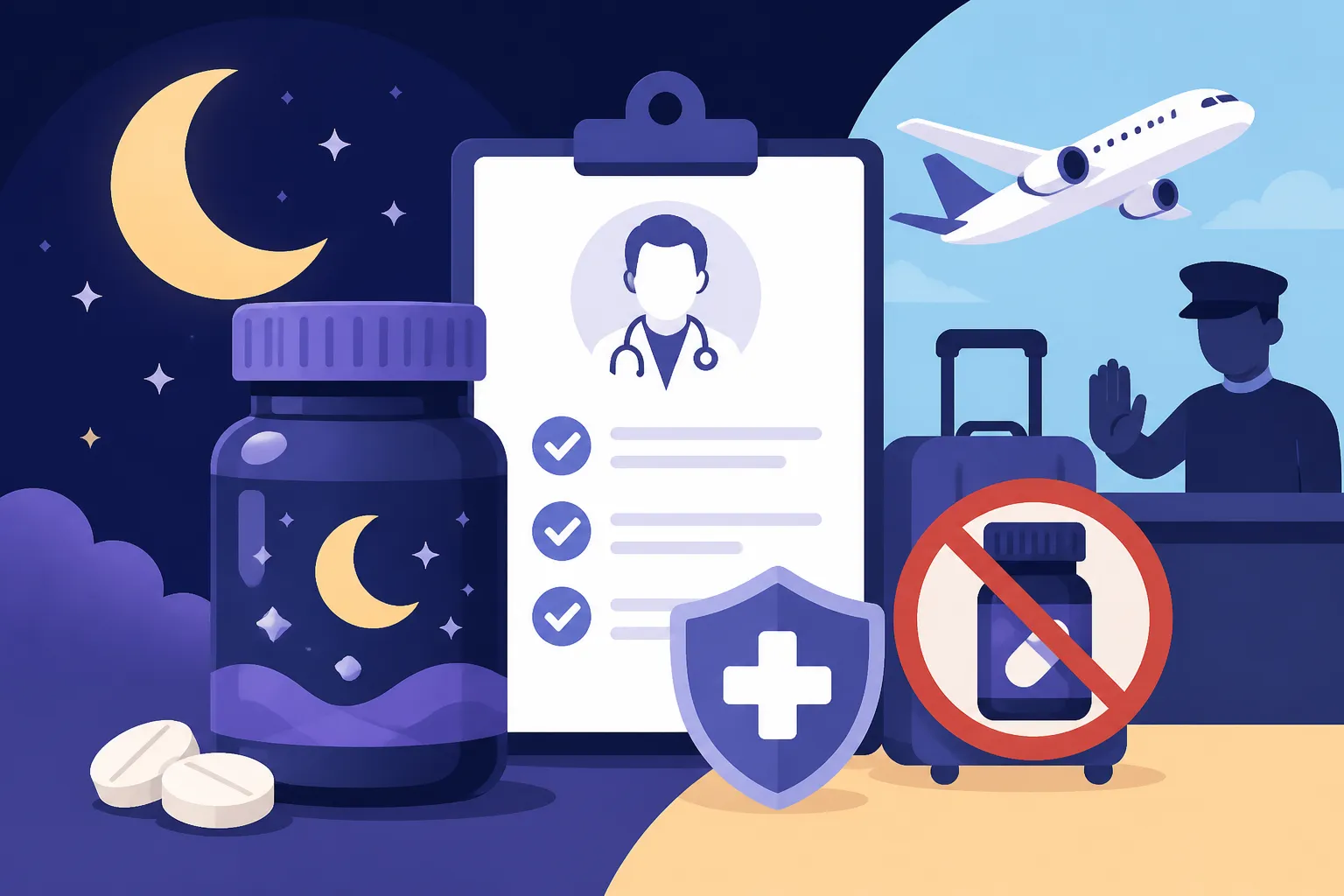
If you import melatonin from a non-EU country (like the US, UK, or China), it is considered an illegal import of a medicinal product. The consequences are not just a confiscated bottle. You will likely receive a letter from the police or the Danish Medicines Agency, and you could be hit with a fine starting around 3,000 to 5,000 DKK. In some cases, this can even create complications for future residency applications if it results in a criminal record for drug importation.
If you are traveling into the country with your own supply, the rules are slightly different but still strict. You are generally allowed to bring a 30-day supply for personal use, provided you can prove it was legally purchased and is for you. For anything more complex, you should look into Bringing Prescription Medication into Denmark: Schengen Certificates to ensure you aren’t flagged at the airport. Many expats find that maintaining a comprehensive private policy through Cigna Global helps manage these cross-border medical needs more effectively than relying on the public system alone.
Buying Melatonin at the Danish Apotek
Once you have your prescription, your next stop is the pharmacy. It is important to understand that Pharmacies in Denmark: Apotek Rules, Prescriptions, and Subsidies operate under strict price controls, but melatonin can still be relatively expensive compared to the bulk bottles you might find at a US drugstore.
In Denmark, the most common form of melatonin prescribed is "Circadin," which is a prolonged-release tablet. There are also fast-acting versions available, but the brand names will differ from what you are used to. When you are at the counter, the pharmacist will explain the "tilskud" or subsidy system. The more prescription medicine you buy in a year, the higher the percentage the state covers. However, for many sleep aids, the subsidy only kicks in after a certain threshold of spending is met.
For those who are not yet covered by the Danish national insurance or are frequent travelers, using a service like SafetyWing can provide a safety net for medical emergencies, though they typically do not cover routine prescriptions for chronic sleep issues. It is always worth checking your specific policy details.
| Feature | Melatonin in Denmark | Melatonin in US/UK |
|---|---|---|
| Legal Category | Prescription Medicine | Dietary Supplement / OTC |
| Import Rules | Illegal from non-EU countries | Generally unrestricted |
| Where to Buy | Only at the Apotek | Supermarkets, Gas Stations, Online |
| Doctor's Role | Strict gatekeeper; prefers sleep hygiene | Generally not involved |
| Typical Cost | 200 – 500 DKK per box | $5 – $20 for large bottles |
Cultural Differences in Treating Insomnia
It is helpful to understand the Danish mindset regarding sleep. Denmark has a strong culture of "natural" health. If you complain to a Dane about not sleeping, they are more likely to suggest a long walk in the forest, a heavy "tyngdedyne" (weighted blanket), or a specific type of herbal tea before they would ever consider a pill.
This cultural preference is reflected in how The Role of the GP: Why You Cannot Go Directly to a Specialist works. Your doctor will likely ask about your caffeine intake, your screen time, and whether you are struggling with the "dark season." If you are feeling the effects of the Danish winter, they might suggest looking into Winter Depression (SAD) in Denmark: Light Therapy and Vitamin D Tips as a primary solution rather than jumping straight to hormones.
If your sleep issues are severe and persistent, you can ask for a referral to a specialist. However, be aware that the public system has priorities. You might find that Access to Sleep Clinics (Søvnklinik) for Insomnia Treatment has a significant waiting list unless your condition is linked to a more serious underlying issue like sleep apnea.
Legally Available Alternatives at the Pharmacy
If you don’t have a prescription yet but are desperate for some rest, there are a few Over-the-Counter (OTC) Medication: Supermarket vs. Apotek Regulations that are legally available in Denmark. These are generally herbal and don't require the same level of scrutiny as melatonin.
The most common over-the-counter options include:
- Baldrian (Valerian Root): Available in most pharmacies and some health food stores like Matas. It has a mild sedative effect.
- Humle (Hops): Often sold in combination with Valerian to help with relaxation.
- Magnesium: Many Danes take high-dose magnesium before bed to help with muscle relaxation and sleep quality.
While these aren't as "powerful" as melatonin, they are a safe, legal way to bridge the gap while you wait for a GP appointment. If you are a digital nomad or someone moving frequently between countries, having a plan with SafetyWing can help cover the costs of seeing a private doctor to discuss these alternatives if you find the public system's "wait and see" approach too slow for your needs.
Managing Your Prescription Digitally
Once you are settled in and have your MitID, managing your sleep medication becomes much easier. You can use the "Medicinkortet" app to see all your active prescriptions. If you run out of melatonin, you often don't need a new physical appointment. Many GPs allow you to "renew" a prescription through the app or their online portal.
This digital integration is one of the perks of the Danish system. You can even see which pharmacies near you have your specific brand in stock. However, remember that the prescription is only valid within Denmark. If you are traveling, you should plan ahead. For those with international lifestyles, having a global provider like Cigna Global ensures that your medical history and prescription needs can be managed even if you are moving between Denmark and other countries where the rules might be entirely different.
Healthcare for EU Citizens and Temporary Residents
If you are an EU citizen visiting or newly arrived in Denmark, your European Health Insurance Card (EHIC) provides some level of coverage, but it generally only covers "necessary" care. Since melatonin is often viewed as a "supplemental" treatment for non-chronic insomnia, you might find it difficult to get it covered via the EHIC.
Temporary residents and those on working holiday visas should be particularly careful. The Danish system is efficient but rigid. If you bring a large supply from home, make sure it is in the original packaging with your name clearly printed on the pharmacy label. This avoids the nightmare of a customs official suspecting you of intending to resell a controlled substance. Always remember that The Role of the GP: Why You Cannot Go Directly to a Specialist applies to everyone; you cannot simply walk into a sleep clinic and ask for a bottle.
Important Disclaimer
The information provided in this guide is for educational and informational purposes only and does not constitute legal or medical advice. The regulations regarding medicinal products and importation in Denmark are subject to change. Always consult with a licensed Danish medical professional or the Danish Medicines Agency (Lægemiddelstyrelsen) regarding your specific health needs and the legality of importing any substance. The author and publisher are not responsible for any legal issues or health complications arising from the use of this information.