Can You Go to the Doctor in Denmark Without a CPR Number?
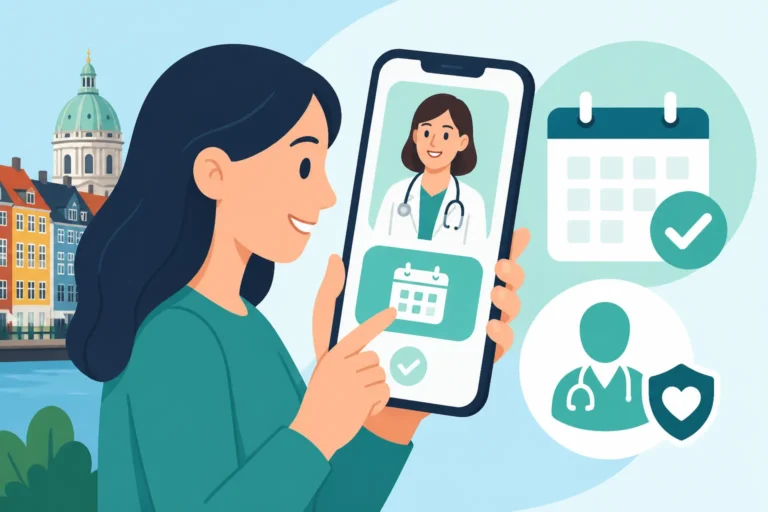
Arriving in a new country only to fall ill before your paperwork is processed is a rite of passage no one wants. I remember shivering in my first Copenhagen apartment, clutching a thermometer and realizing my CPR appointment was still three weeks away. It felt like a total Catch-22. This guide explains exactly how to navigate the Danish healthcare system when you are in that stressful "no-man's-land" without a CPR number.
The Administrative Limbo: Understanding the CPR Gap
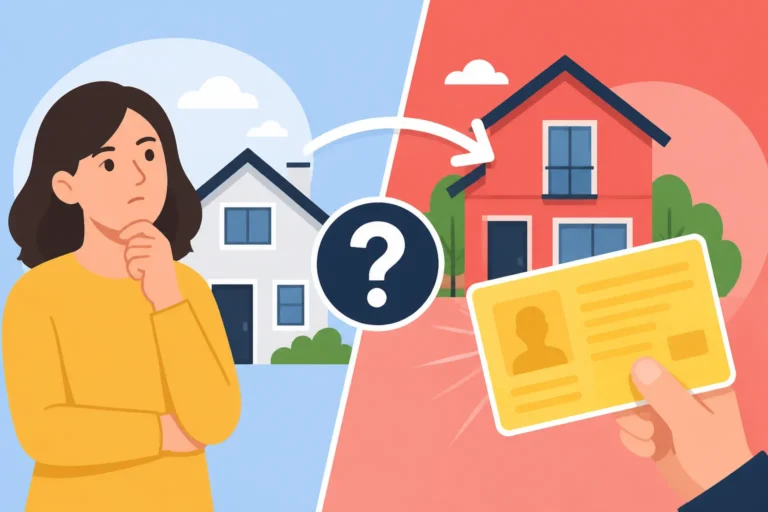
In Denmark, the Civil Registration System (CPR) is the heartbeat of your existence. It governs your bank account, your salary, and most importantly, your access to the "free" public healthcare system. When you first arrive, whether you are on a work permit or a student visa, there is an inevitable delay between landing and receiving that plastic yellow card in the mail. This period is what I call the "CPR Gap," and it can last anywhere from two weeks to two months depending on the time of year and the backlog at International House.
The Danish system is built on the principle of residency. Until you are registered as a resident in the CPR database, you technically do not exist in the public health records. This means you don't have a designated General Practitioner (GP). If you’ve been doing your research, you probably know about Understanding CPR Registration and Your Healthcare Entitlement, which explains that the "Yellow Card" is your ticket to care. But what happens if you wake up with a chest infection or a blinding migraine before that card arrives?
You must understand that while the system is rigid, it is not heartless. No one will be left to suffer in the street. However, the path you take to get treatment depends entirely on the severity of your condition and your country of origin. For many, the first 90 days are the most vulnerable, which is why First 90 Days: Health Insurance Requirements for Non-EU Expats is such a critical topic for new arrivals to study before they pack their bags.
Emergency Care: When You Need Help Immediately
If you find yourself in a life-threatening situation, the rules about CPR numbers go out the window. Denmark’s emergency services are world-class, and they prioritize saving lives over checking administrative status. If it is a true emergency—think heart attack, severe trauma, or unconsciousness—you must call 112. The operators speak English and will dispatch an ambulance regardless of whether you have a Danish ID number or not.
For urgent but non-life-threatening issues, the system changes. You cannot just walk into an Emergency Room (Skadestue) in Denmark; you must be referred. This is where most expats get confused. In the Capital Region, you call 1813 (Lægevagten). Outside of Copenhagen, the numbers vary by region. When you call, a triage nurse will answer. I have spent hours on hold with 1813, and I can tell you from experience: be prepared to wait. When you finally get through, tell them immediately that you do not have a CPR number. They will ask for your date of birth and your name.
The nurse will evaluate your symptoms over the phone. If they deem it necessary, they will give you an appointment at an urgent care center or a hospital. You should be aware that if you do not have a CPR number or a Blue European Health Insurance Card (EHIC), you may be asked to pay for this visit. This is where having a private policy from a provider like SafetyWing becomes a massive relief. They are designed for this exact "in-between" phase. You can learn more about these scenarios in our guide on Emergency Medical Care in Denmark: Calling 112, Lægevagten, and ERs.
Non-Emergency Care: The Self-Payer Route
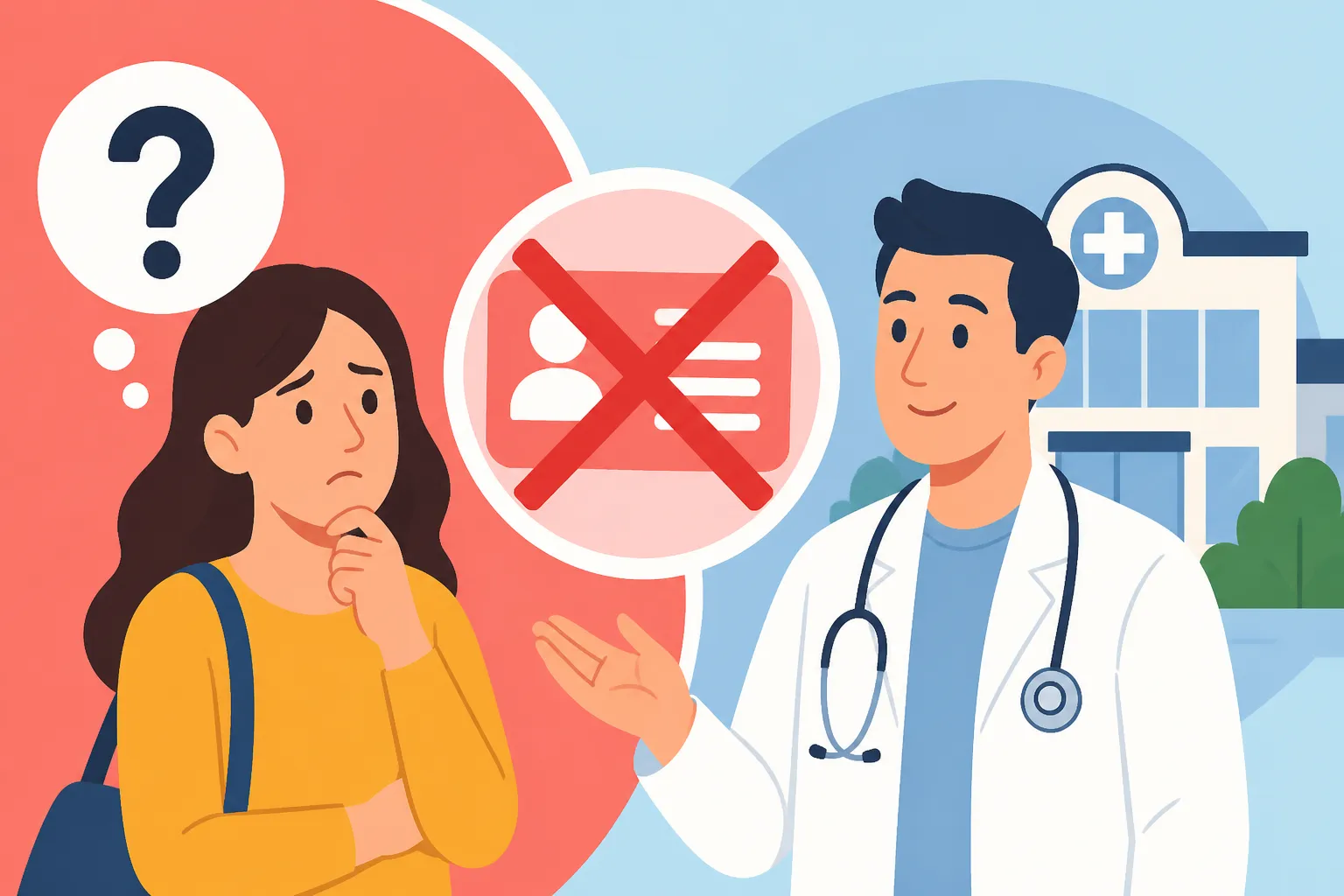
What if your issue isn't an emergency? Maybe you have a persistent rash, you need a prescription refill, or you think you have an ear infection. In this case, you cannot use the 1813 service, and you don't have a GP yet. This is the most frustrating part of the expat journey. Most public GPs will not see you if you are not on their "list," and you cannot be on their list without a CPR number.
However, many GPs operate as "private" doctors for people outside the system. This means you can call a local clinic and ask if they accept "self-paying" (selvbetaler) patients. You will have to pay the full consultation fee upfront, which usually ranges from 500 to 1,000 DKK for a basic 15-minute appointment. Finding a clinic that has the capacity to take a one-off appointment can be a challenge, so check out Finding an English-Speaking Doctor: Directories and Local Strategies for tips on who to call in the major cities.
Another option is to visit a fully private hospital or clinic, such as Aleris or Capio. These facilities function more like the healthcare systems in the US or UK private sector. They don't care about your CPR number; they care about your insurance or your credit card. While expensive, the wait times are non-existent, and the service is often more personalized. For those who want long-term peace of mind and are willing to pay for premium access, Cigna Global offers plans that cover these private consultations, ensuring you never have to navigate the public triage system if you don't want to.
| Category of Care | Access Point | CPR Required? | Typical Cost (No CPR/EHIC) |
|---|---|---|---|
| Life-Threatening | Call 112 | No | Generally Free/Covered later |
| Urgent (After Hours) | Call 1813 / Lægevagten | No | 500 – 1,500 DKK |
| Routine Consultation | Private GP / Self-Pay | No | 600 – 1,200 DKK |
| Specialist Visit | Private Hospital (Aleris) | No | 1,500 – 3,000 DKK |
| Prescription Meds | Any Apotek | No | Full Market Price |
EU Citizens vs. Non-EU Citizens: The EHIC Factor
Your experience of going to the doctor without a CPR number will differ wildly depending on what passport you hold. If you are an EU/EEA citizen, your Blue EHIC card is your best friend. In the eyes of the Danish healthcare system, this card acts as a temporary substitute for the yellow card. It entitles you to "necessary" care under the same conditions as a Danish resident.
When you go to a GP as an EU citizen with an EHIC, the clinic should be able to bill your home country. Some receptionists can get a bit flustered because it requires a manual entry into their system, but stay firm—you are entitled to this care. You can read the full details on Healthcare for EU/EEA Citizens: Using the Blue EHIC Card in Denmark to make sure you know your rights before you walk into the clinic.
If you are from outside the EU (a "Third Country National"), the situation is stricter. You are expected to have travel or expat insurance to cover you until your CPR registration is complete. Without a CPR number, you are essentially treated as a tourist. This means you pay the "tourist price" for everything. If you are worried about the gap between arriving and getting your card, looking into Expat Health Insurance: Coverage Before You Get Your CPR Number is the smartest move you can make. SafetyWing is a popular choice for many of my friends who moved here for tech jobs, as it fills that 90-day gap perfectly.
Managing Prescriptions and Pharmacies Without a CPR Number
Getting a prescription filled is another hurdle. In the Danish system, prescriptions are almost always digital. A doctor "hangs" the prescription on your CPR number, and you go to any pharmacy (Apotek), scan your yellow card, and they see it on their screen. Without a CPR number, this digital loop is broken.
If a doctor (either via 1813 or a private clinic) prescribes you medication, they must give you a physical paper prescription or a specific "recipe" number. When you take this to the Apotek, be prepared to pay the full price. Danish residents get subsidies that increase the more they spend on medicine annually, but without a CPR number, you are not part of that subsidy pool. You will pay 100% of the cost out of pocket.
It is also worth noting that many medications that are over-the-counter in other countries, like higher-dose ibuprofen or certain allergy meds, require a prescription here. For a breakdown of how this works, see Pharmacies in Denmark: Apotek Rules, Prescriptions, and Subsidies. If you have a chronic condition, it is wise to bring a three-month supply from home and a letter from your doctor. Trying to get specialized medication like ADHD stimulants or hormone therapy without a CPR number is an administrative nightmare that you want to avoid at all costs.
Waiting for the Yellow Card: How Long Does It Really Take?
The question on every new expat's lips is: "When will my card arrive?" Once you have had your biometrics taken and your address verified at the Borgerservice (Citizen Service), the official line is that it takes about two weeks. In reality, during peak moving seasons like August or January, it can take much longer. I’ve known people who waited six weeks because of a typo in their address.
During this waiting period, you might receive a temporary paper version or a "receipt" of your registration. This paper often contains your new CPR number. Even if you don't have the physical plastic card yet, having that number written down is a game-changer. Most doctors can look you up in the system with just the number. If you are checking your mailbox every day with anxiety, have a look at How Long Does It Take to Receive the Yellow Card in the Mail? for a realistic timeline based on different municipalities.
While you wait, it is also a good idea to research which GP you want to be assigned to. When you finally get your CPR number, you will be asked to choose a doctor within a certain radius of your home. If you don't choose, the system will pick one for you—and they might not be the best fit or the closest to your apartment. You can learn how to be proactive about this in our guide on How to Choose and Change Your General Practitioner (GP) in Denmark.
Private Insurance: A Safety Net for the Unregistered
Because the "CPR Gap" is so well-known, several private insurance companies have tailored their products to expats in Denmark. If you are moving here for a high-level corporate role, your company might provide Cigna Global or a similar international plan. These plans are fantastic because they bypass the public system entirely, allowing you to access private specialists without a referral from a public GP.
For students or those on a tighter budget, SafetyWing offers a more flexible, monthly subscription model. It acts as a safety net so that if you do end up in the ER or needing a GP visit before your yellow card arrives, you aren't stuck with a bill that eats up your entire apartment deposit. Even after you get your yellow card, many expats choose to keep a secondary private insurance like "danmark." This is a unique Danish insurance "club" that provides reimbursements for things the public system doesn't fully cover, such as dental work and physiotherapy. You can dive deeper into this at Private Health Insurance (Sygeforsikring "danmark"): Is It Worth It?.
The peace of mind that comes with knowing you can just go to the doctor and handle the paperwork later is worth every krone. Denmark is a wonderful place to live, but its bureaucracy can be uncompromising. Being prepared with your own coverage means you can focus on settling in and finding the best pastries in your neighborhood, rather than worrying about what happens if you catch a cold.
Practical Advice for Your First Doctor Visit Without a CPR Number
If you find yourself needing to see a doctor today and you don't have that yellow card, here is a step-by-step checklist to make the process as smooth as possible:
- Check your EHIC: If you are from the EU, make sure your card hasn't expired. This is your most powerful tool.
- Call 1813 (If Urgent): If it’s after 4:00 PM or on a weekend and it’s urgent, call the medical helpline. Be honest about your lack of CPR number.
- Find a "Self-Pay" GP: If it’s during business hours, use Google Maps to find "Læge" (Doctor) near you and start calling. Ask: "Can I book a consultation as a self-payer without a CPR number?"
- Bring Identification: Always carry your passport and your visa/residence permit to the appointment.
- Request a Receipt: If you have private insurance like SafetyWing or Cigna Global, you will need a detailed, stamped invoice to claim your reimbursement.
- Ask for a Paper Prescription: Since you aren't in the digital system, you need that physical slip of paper to get your meds at the Apotek.
Navigating health issues in a new language and a new system is daunting. But remember, the Danish healthcare workers are generally very high-level and speak excellent English. They want to help you; the barriers are usually just bits of data in a computer system. Once you get that yellow card, everything becomes significantly easier, and you'll be part of one of the most efficient health systems in the world. Until then, stay covered, stay patient, and don't be afraid to advocate for yourself.
Disclaimer
The information provided in this article is for informational purposes only and does not constitute legal or professional medical advice. Healthcare regulations and visa requirements in Denmark are subject to change. Always consult official government sources such as borger.dk, su.dk, or siri.dk for the most up-to-date information regarding your specific situation. If you are experiencing a medical emergency, dial 112 immediately.