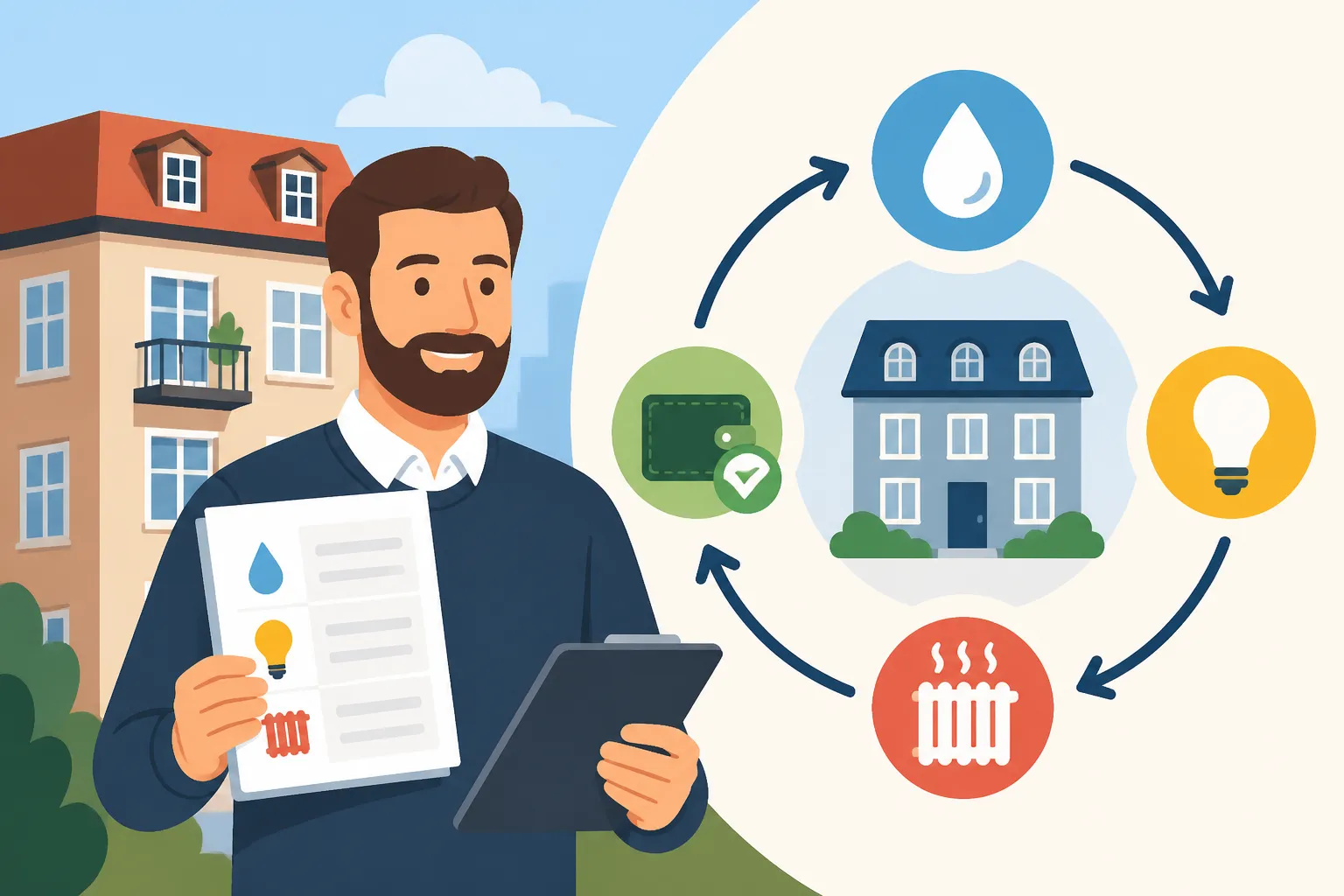
How Aconto Bills Are Reconciled Annually by Your Landlord
If you’ve recently moved to Denmark, you’ve probably encountered the term "aconto" on your rental contract or monthly bill. This seemingly innocent word often causes a fair bit of head-scratching and anxiety, especially when the annual reconciliation statement lands in your digital mailbox. It's not just a Danish peculiarity; it's a fundamental part of renting here, and understanding how these estimated utility payments are reconciled annually by your landlord is crucial to avoid unpleasant surprises or, even better, to celebrate a refund.
What Exactly is an Aconto Bill in Denmark?
Let’s be honest, trying to wrap your head around Danish administrative terms as an expat can feel like attempting to assemble IKEA furniture with only the instructions in Swedish. "Aconto" is one of those terms. Simply put, an aconto payment is an estimated advance payment for utilities like heating, water, and sometimes electricity, especially in older apartment buildings or those managed by a housing association. Instead of getting hit with enormous, unpredictable bills at the end of each quarter or year, you pay a fixed, estimated amount monthly alongside your rent.
The purpose of aconto is straightforward: it helps both you and your landlord budget more effectively. Utility consumption fluctuates wildly with the seasons – imagine the heating bill difference between a chilly Danish January and a mild July! By paying a consistent estimated amount, you spread the cost out over the year. It also simplifies things for landlords, who would otherwise have to track individual consumption and chase up varying bills from dozens of tenants. What's absolutely critical to grasp is that aconto is not your final utility cost; it's just a prediction. The real bill comes later, after the annual reconciliation. You can delve deeper into the general utility setup in Denmark by reading our guide on Utilities Setup: Electricity, Water, Heating, and Internet.
Common Aconto Inclusions and Exclusions
Typically, your aconto payments will cover heating (varme) and cold water (vand). Hot water is often tied to heating, as it's heated by the same central system in many buildings. Sometimes, especially in older communal setups, electricity for common areas (stairwells, laundry rooms) might be included.
What aconto almost never covers is your personal household electricity. For that, you’ll typically have a separate agreement directly with an electricity provider. So, don’t expect your aconto statement to reflect your personal power usage for charging your laptop or running your washing machine. Similarly, internet and any TV packages are always separate, direct agreements you make with a service provider. When you're searching for your first apartment, perhaps on platforms like Spotahome, you'll often see the monthly aconto amount clearly stated alongside the rent. Make sure you understand what it covers before signing anything!
Why Aconto Can Be Both a Blessing and a Curse
On the one hand, aconto provides financial predictability. You know exactly what’s going out of your account each month. On the other hand, it can feel like you’re paying into a black hole until that annual statement arrives. If your actual consumption is significantly lower than the estimate, you'll be due a refund, which is always a pleasant surprise. But if you’ve used more than estimated – say, you’re always toasty warm or love long showers – you’ll face an additional payment. This is where the frustration often kicks in, especially if the initial estimate was wildly off, or if you didn't quite grasp how much your Danish home needed heating during the winter. You can read more about how these payments are estimated in detail in our guide to Aconto Payments: How Danish Heating and Water Bills Are Estimated.
The Annual Reconciliation Process: What to Expect
The annual reconciliation is where the rubber meets the road. This is the moment your landlord calculates your actual utility costs for the past year and compares them against all the aconto payments you’ve made. It’s essentially a financial check-up for your utilities.
The Legal Framework and Your Lease Agreement
The process is governed by the Danish Rent Act (Lejeloven), which outlines the landlord’s obligations and your rights as a tenant regarding utility billing. Your lease agreement, likely the standard Typeformular A10: Understanding the Standard Danish Lease Agreement, will also contain clauses detailing how aconto payments are handled, what utilities are covered, and the reconciliation period. It’s crucial that your contract explicitly states which utilities are covered by aconto, how the estimated payments are calculated, and when the annual statement will be issued. Without clear terms, your landlord could be in breach of contract.
Landlords typically have a deadline to issue the heating account (varmeregnskab) statement, which is usually four months after the end of the financial year for the building's heating system (often the calendar year, so by April 30th for the previous year's consumption). Water statements usually follow a similar timeline. If your landlord misses this deadline without a valid reason, you might be entitled to withhold future aconto payments for that specific utility until the statement is provided. This is a point where understanding your Tenant Rights and LLO (Lejernes Landsorganisation) Protection becomes invaluable.
Data Collection: Meter Readings and Estimates
For the reconciliation to happen, your landlord needs to know your actual consumption. This is typically done in one of three ways:
- Physical Meter Readings: A technician from the utility company or a representative from the landlord will visit your apartment annually to read the individual meters for heating radiators and water. You'll usually get a notice in advance, giving you a window for the visit.
- Smart Meters: Increasingly, newer buildings or renovated older ones have smart meters that transmit readings automatically. This is much more convenient and often reduces the risk of errors.
- Tenant Self-Reporting: In some cases, you might be asked to read your own meters and submit the numbers to your landlord or the utility company. Always take a photo of the meter reading with a timestamp as proof!
If, for some reason, actual meter readings aren't available (e.g., the meter was faulty, or you missed the appointment and couldn't reschedule), the landlord is permitted to estimate your consumption. This estimate must be reasonable and is often based on your previous year's usage, the average consumption of similar apartments in the building, or a standard consumption rate per square meter. This is one of the most common points of contention, as estimates can sometimes be inflated, leading to unexpectedly high additional payments. It's a frustrating scenario many expats have faced – feeling like you're paying for ghosts.
Understanding Your Aconto Statement
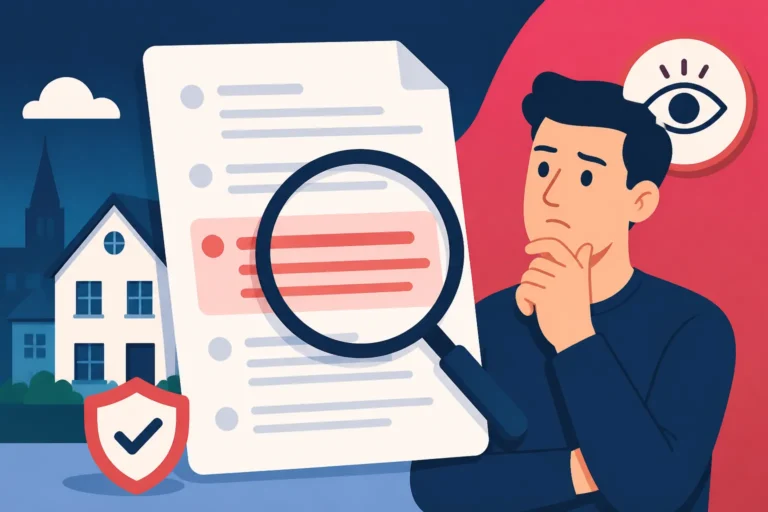
Once your landlord has crunched the numbers, you'll receive your annual aconto statement, often referred to as varmeregnskab (heating account) or vandregnskab (water account). For many, this document can be as impenetrable as the Danish language itself, filled with numbers, technical terms, and little clarity. But fear not, we'll break it down.
Here’s a typical structure and what each section means:
| Item | Description | What to Look For on Statement | Potential Issue |
|---|---|---|---|
| Consumption Period | The specific dates (e.g., 01.01.2023 – 31.12.2023) that the utility usage covers for this reconciliation. | Does it accurately match your tenancy period or the building's financial year? | An incorrect period could lead to you being billed for times you weren't living there, or missing out on a refund for a full year's payment. |
| Start/End Meter Readings | The actual (or estimated) readings from your individual heating and water meters at the beginning and end of the consumption period. | Are these readings accurate? Do they correspond to your own records or photos? | If the readings are estimated or incorrect, your calculated consumption will be wrong, leading to an unfair bill or refund. |
| Total Consumption (Units) | The calculated difference between your start and end readings, showing the total units (e.g., kWh for heating, m³ for water) you consumed. | Does this calculation seem correct based on the readings? | A mathematical error here could have a significant impact on your final bill. |
| Unit Price | The cost per unit of the utility (e.g., DKK per kWh or DKK per m³). This often includes not just the raw energy cost but also distribution fees. | Is the unit price reasonable and consistent with market prices or what was agreed upon? | Landlords cannot profit from utilities; the price should reflect the actual cost from the utility company. Unexplained price hikes are a red flag. |
| Total Consumption Cost | The actual cost you owe for your utility usage, calculated by multiplying your total consumption by the unit price. | Is this calculation correct? | Double-check the math; mistakes happen! |
| Total Aconto Payments Made | The sum of all the monthly aconto payments you made for this specific utility during the consumption period. | Does this amount match your payment records (bank statements, rent slips)? | Missing payments or an incorrect sum here would directly affect your balance. |
| Final Balance (Debiting/Crediting) | The difference between your Total Consumption Cost and your Total Aconto Payments Made. This will be either a positive amount (you owe extra) or a negative amount (the landlord owes you a refund). | Is the final amount logical given your consumption and payments? | An unexpectedly high extra payment (or small refund) might indicate an issue with calculations or high consumption. |
Debiting and Crediting: The Bottom Line
The final balance is what everyone waits for. If the Total Consumption Cost is higher than your Total Aconto Payments Made, you'll have to make an additional payment (ekstrabetaling). This will usually come with a payment deadline, often via direct transfer to your landlord's bank account. If it's the other way around, and you've paid more in aconto than you actually consumed, then congratulations – you'll receive a refund (tilbagebetaling)! Refunds are typically transferred directly to your NemKonto, which is another reason why keeping your financial details up-to-date in your digital mailbox like E-Boks: Don't Forget to Update Your Digital Mail Address is so important.
It’s completely normal for the numbers not to perfectly match up, given that aconto is an estimate. The goal is simply to settle the difference accurately.
Common Issues and How to Address Them
Dealing with aconto bills can bring up a range of issues, from minor confusion to outright disputes. As an expat, these situations can be particularly daunting when navigating a new system and a different language.
Unjustified High Bills and Missing Statements
One of the most common complaints is receiving an unexpectedly high additional payment, or, conversely, not receiving a statement at all.
- Sudden Spikes in Usage: If your bill is unusually high compared to previous years or similar properties, investigate immediately. Could there be a leak? Have the unit prices significantly increased? Was there an error in the meter reading? It's worth remembering that Danish winters are long and cold, and if your building has poor insulation, your heating costs could indeed be substantial. Understanding things like Managing Humidity and Mold (Skimmelsvamp) During Danish Winters can also shed light on how much energy you might be using to keep your home healthy.
- Late or Missing Statements: As mentioned, landlords have legal deadlines. If your statement is significantly delayed or never arrives, first send a polite written inquiry to your landlord. Remind them of the legal deadline and your right to receive the statement. If they still fail to produce it, you may have grounds to withhold future aconto payments for that specific utility until the issue is resolved.
When the Numbers Don't Add Up
If you suspect an error, don't just pay up blindly. Here's what you can do:
- Review Your Own Records: Compare the landlord's statement against your own records of aconto payments and any meter readings you might have taken.
- Request Documentation: You have the right to request the underlying documentation from your landlord, such as the utility company's invoices for the entire property, and the calculation methods used to apportion costs among tenants. This is especially important for heating costs, which are often divided based on a combination of individual meter readings and the apartment's size.
- Check Unit Prices: Compare the unit prices charged by your landlord with current market rates for utilities in Denmark. While landlords pass on actual costs, sometimes they might use outdated estimates. You might even find some savings by checking Electricity Providers in Denmark: Choosing a Green Energy Plan for your personal electricity.
- Communicate Clearly: Start by sending a polite, written email or letter to your landlord, outlining your concerns and requesting clarification or correction. Keep a paper trail of all communication.
The Role of the Huslejenævnet (Rent Control Board)
If direct communication with your landlord doesn't resolve the dispute, your next step is to escalate the matter to the Huslejenævnet (Rent Control Board) in your municipality. This is an independent board that mediates disputes between landlords and tenants.
- Process: You'll need to submit a written complaint, usually detailing the issue, your attempts to resolve it, and attaching relevant documentation (lease agreement, aconto statements, correspondence). There is a fee for submitting a case to the Huslejenævnet, but it's often significantly less than legal fees.
- LLO Membership: This is precisely where joining an organization like Joining LLO (Tenants' Union): How to Fight Unfair Rent Increases becomes incredibly valuable. LLO offers legal advice, helps you prepare your case, and can represent you in disputes with your landlord, including those taken to the Huslejenævnet. Their expertise in Danish rental law is a huge asset for expats. Remember, dealing with a dispute in a foreign language and legal system can be incredibly stressful, and LLO can take a lot of that burden off your shoulders.
Tips for Managing Your Aconto Costs
While some aspects of aconto are out of your hands, there are definitely things you can do to manage your costs and ensure a smoother reconciliation process.
Proactive Monitoring and Energy-Saving Habits
Becoming a mindful consumer of utilities is your best defense against unexpected bills.
- Regular Meter Checks: If you have access to your meters, make it a habit to check them monthly and note down the readings. This gives you an early warning if your consumption is much higher than expected, allowing you to adjust your habits or investigate potential issues like leaks.
- Heating Habits: Denmark gets cold. Really cold. But cranking up the heat and then opening windows is a surefire way to waste money. Aim for a comfortable, consistent temperature (around 20-22°C in living areas). Only heat rooms you're using. Turn down the thermostat slightly when you're out or asleep.
- Water Wise: Shorter showers, turning off the tap while brushing your teeth, and running dishwashers/washing machines only when full can make a difference.
- Ventilation: Proper ventilation is crucial in Danish homes, not just for air quality but also to prevent mold and reduce heating costs efficiently. Briefly airing out rooms completely for 5-10 minutes a couple of times a day is far more effective than leaving a window slightly ajar for hours. This is especially pertinent to the general advice found in articles about Managing Humidity and Mold (Skimmelsvamp) During Danish Winters.
Discussing Aconto Levels with Your Landlord
If you consistently receive large refunds, it might be worth discussing with your landlord whether your monthly aconto payments can be lowered. Conversely, if you're regularly hit with significant additional payments, it might be wiser to proactively request an increase in your monthly aconto to spread the cost and avoid a large lump sum payment at reconciliation time. This shows proactivity and can help manage your budget. However, remember that your landlord needs to ensure that the aconto payments generally cover the building's utility costs, so they may not always agree to drastic changes.
Document Everything!
This cannot be stressed enough when renting in Denmark. Keep meticulous records of:
- All Aconto Payments: Save your bank statements showing these transfers.
- Meter Readings: Take photos of your meters with dates when you move in, when you move out, and periodically throughout your tenancy.
- Correspondence: Keep copies of all emails, letters, and notices from your landlord regarding aconto, meter readings, or the reconciliation statement. This includes initial issues documented during The Move-In Inspection (Indflytningssyn): Documenting Property Flaws.
- The Statement Itself: Store the annual reconciliation statements securely. They are vital documents.
In a highly digital country like Denmark, ensuring you have robust mobile data is sometimes a lifesaver for documenting things on the go. Having an eSIM from a provider like Airalo can ensure you're always connected, whether you're taking photos of meters, communicating with your landlord, or checking digital post for important documents.
By understanding the system, staying proactive with your consumption, and keeping thorough records, you can navigate the Danish aconto system with much less stress and potentially even enjoy a nice refund!
Disclaimer
The information provided in this guide is for general informational purposes only and does not constitute legal or financial advice. While we strive to provide accurate and up-to-date information for expats in Denmark, laws and regulations can change. For specific advice regarding your rental agreement, utility bills, or any disputes, we recommend consulting with a legal professional, a tenant's association like LLO, or a financial advisor.