Furnished vs. Unfurnished Apartments: What to Expect in Denmark
One of the first big hurdles you'll face when moving to Denmark is finding a place to live, and then decoding what exactly "furnished" or "unfurnished" means in a Danish context. It's not as straightforward as you might think, and the expectations can be wildly different from what you're used to back home. This guide is here to shed some light on these distinctions, help you understand what to expect, and navigate the rental market with a bit more confidence.
Decoding "Furnished" and "Unfurnished" in the Danish Rental Market
Let's be honest, finding a rental in a new country is stressful enough without the added confusion of what comes with the place. In Denmark, the terms "furnished" and "unfurnished" have nuances that can catch even seasoned expats off guard. You might think "unfurnished" means an empty shell, but even that has Danish specifics.
The Bare Bones: What "Unfurnished" Really Means
When a landlord in Denmark advertises an apartment as "unfurnished" (umøbleret), it typically means just that: no furniture. However, this definition almost always includes a fully equipped kitchen. We're talking oven, stovetop, refrigerator, and sometimes even a dishwasher. It's a lifesaver, really, because having to buy and install major kitchen appliances on arrival would be a nightmare, not to mention the Danish penchant for built-in kitchens that are part of the property. So, while you won't find a couch, bed, or dining table, you can usually count on cooking facilities.
But here's where it gets interesting: "unfurnished" often means really unfurnished in other areas. Many apartments, especially older ones, might not come with any light fixtures. Yes, you heard that right! You could be moving into a place with bare wires hanging from the ceiling in every room. It's a common Danish quirk, and you'll quickly learn that buying and installing lamps is a standard moving task. The same goes for curtains or blinds; don't assume they'll be there. It's wise to budget for these essential items right away.
The Turnkey Solution: "Furnished" Expectations
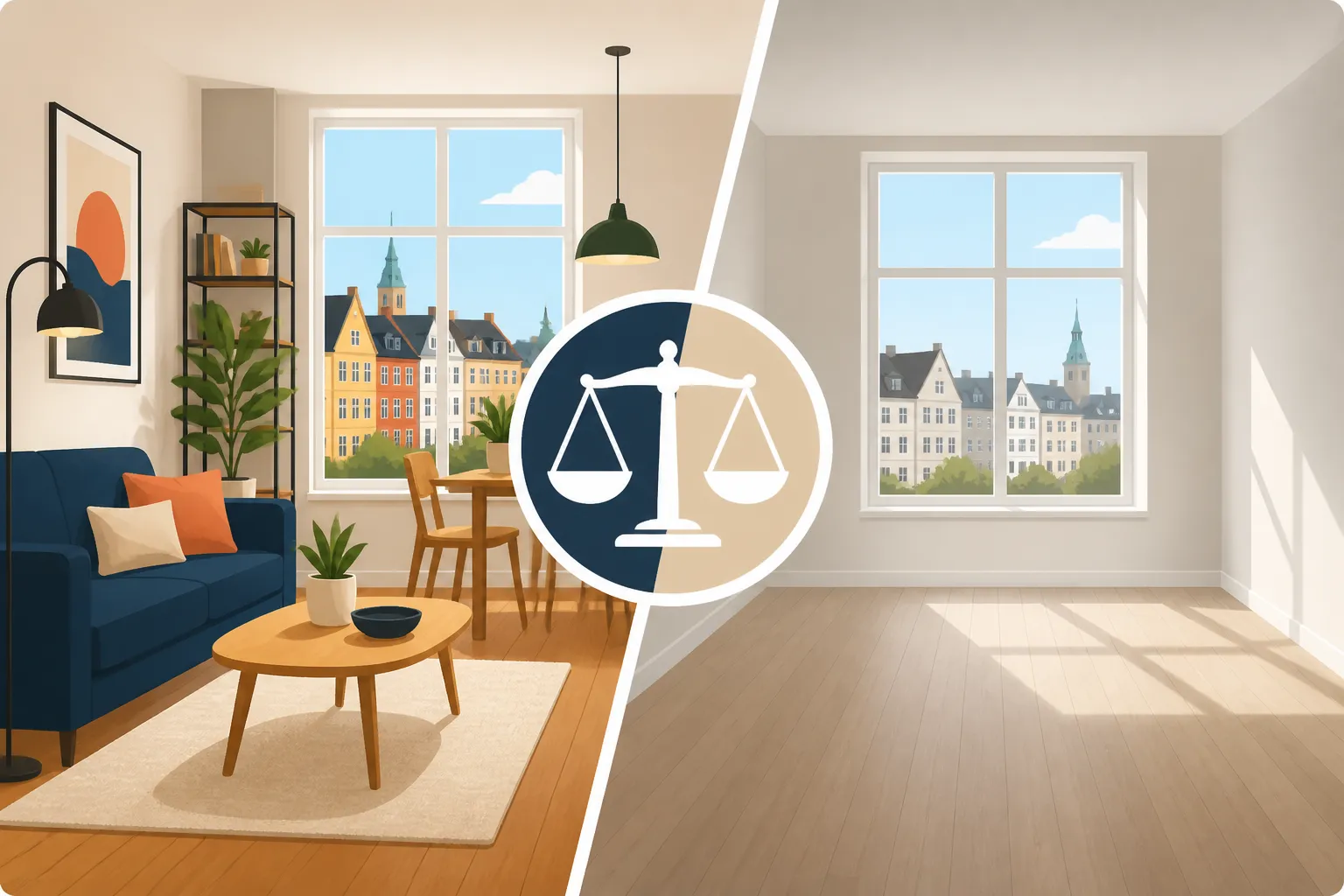
On the flip side, a "furnished" (møbleret) apartment in Denmark aims to be a ready-to-move-in solution. These are typically targeted at expats on short-term contracts, students, or those looking for an immediate setup without the hassle. You'd expect to find a bed, sofa, dining table, chairs, and basic storage like wardrobes. Kitchens will be fully kitted out with pots, pans, plates, and cutlery, and often small appliances like a coffee maker or toaster. The idea is that you just need to bring your suitcase.
However, "furnished" doesn't always mean luxurious or stylish. The furniture can range from basic IKEA pieces to more classic, sometimes dated, Danish designs. It's important to set your expectations: while it's convenient, it might not be your personal aesthetic. Always ask for photos or, even better, a video tour if you can't view it in person. Some landlords might also include things like linens, towels, and even a TV, making it a true turnkey experience. Just be sure to clarify what's included to avoid surprises.
The Advantages and Disadvantages of Furnished Apartments
Choosing a furnished apartment can feel like taking the easy road, especially when you're fresh off the plane and trying to get your bearings in a new country. There are definitely some upsides, but it's not without its drawbacks, particularly concerning your wallet and personal touch.
Immediate Comfort and Convenience
The biggest draw of a furnished apartment is undoubtedly the convenience factor. Imagine stepping off the plane, heading straight to your new home, and having a bed to sleep in, a kitchen to cook in, and a place to sit and relax. This immediacy is invaluable when you're dealing with the stress of relocation, starting a new job, and grappling with Danish bureaucracy. You don't have to spend your first weeks hunting for furniture, assembling flat-packs, or waiting for deliveries. It allows you to focus on more pressing matters, like getting your CPR Registration Rule: Why Your Address Matters sorted or navigating public transport.
This convenience extends to shorter stays or temporary assignments. If you're in Denmark for a project that's less than a year, or perhaps you're just dipping your toes in the water before committing to a longer stay, a furnished option makes perfect sense. Websites like Spotahome often list such apartments, catering specifically to the international crowd seeking temporary, fully equipped solutions. It also saves you the logistical headache of buying and then reselling or shipping furniture when you eventually move out or leave the country. Think of it as a smooth landing pad, allowing you to settle into life much faster.
The Premium Price Tag and Lack of Personalization
Now for the flip side: furnished apartments almost always come with a significantly higher price tag. Landlords factor in the cost of furniture, its wear and tear, and the added logistics of managing inventory. You can expect to pay anywhere from 10-30% more in rent compared to an equivalent unfurnished apartment. Over months or years, this premium really adds up. For long-term residents, this can become a substantial financial drain that far outweighs the initial convenience.
Beyond the cost, living in a furnished apartment often means sacrificing personalization. The space might feel generic, reflecting someone else's taste rather than your own. You're living with furniture that might not be to your liking, and you're limited in how much you can truly make the place feel like "home." This can be a real struggle for those who value their living space as a reflection of their personality and a sanctuary from the outside world. Plus, you might find yourself stuck with low-quality or uncomfortable furniture that you can't easily change. It's a trade-off: comfort in setup for less comfort in style and cost.
The Benefits and Challenges of Unfurnished Apartments
For many expats, especially those planning a longer stay in Denmark, an unfurnished apartment is the eventual goal. It offers more freedom and can be more budget-friendly in the long run, but it certainly demands a significant initial investment of time, money, and effort.
Cost Savings and Personal Freedom
The primary benefit of an unfurnished apartment is the potential for significant long-term cost savings. While the initial outlay for furniture and essentials can be substantial, your monthly rent will generally be lower than that of a comparable furnished unit. This difference can easily save you thousands of Danish kroner over a year, especially crucial in a country known for its high cost of living. Over time, the investment in your own furniture pays off, allowing you to build up your household items gradually.
Furthermore, an unfurnished apartment offers unparalleled freedom to truly make the space your own. You get to choose every piece of furniture, every lamp, every curtain, creating an environment that perfectly reflects your personal style and comfort. This sense of ownership and the ability to personalize your home can significantly improve your quality of life and integration into Danish society. You're not just renting a space; you're building a home, which can be incredibly empowering after the upheaval of an international move. This is where you can explore options like Buying Furniture at IKEA Denmark vs. Local Thrift Stores to find items that fit your taste and budget.
The Initial Investment and Logistical Headache
However, let's not sugarcoat it: moving into an unfurnished apartment in Denmark means a massive initial investment. Beyond the substantial rental deposit and prepaid rent required by landlords (which can often be 3-6 months' worth of rent, as explained in Initial Rental Costs: Navigating Deposits and Prepaid Rent Laws), you'll need to purchase everything from a bed and sofa to basic kitchen utensils and, yes, those elusive light fixtures. This can easily run into tens of thousands of DKK, depending on your taste and budget. This can be a huge shock for new arrivals, so it's vital to budget for these expenses before you even start your apartment hunt.
The logistical headache is another beast entirely. You'll spend your first weeks or even months researching, shopping, transporting, and assembling furniture. This isn't just a minor inconvenience; it can be incredibly time-consuming and exhausting, especially if you're also starting a new job and trying to navigate Danish life. You'll need to figure out transportation for larger items – whether that's renting a van (check out Moving Truck Rentals: Should You Hire Movers or Do It Yourself?) or relying on friends. Then there's the assembly, which can test the patience of even the most dedicated DIY enthusiast. Plus, remember, many places won't even have basic lamps, so getting some temporary lighting quickly is often a priority to avoid living in darkness.
The "Semi-Furnished" Reality and Danish Norms
In Denmark, the lines between "furnished" and "unfurnished" are often blurry, with "semi-furnished" being a very common, albeit unspoken, default for many long-term rentals. This unique Danish norm can be both a blessing and a mild frustration for newcomers trying to understand what they're actually getting.
Kitchen Appliances: The Standard Expectation
One of the most welcome aspects of Danish rentals, regardless of whether they're listed as "furnished" or "unfurnished," is the expectation of a fully equipped kitchen. Seriously, this is a huge relief! Almost all apartments will come with an oven, stovetop, and refrigerator. Many will also include a dishwasher, which is a major bonus. These are generally seen as integrated fixtures of the apartment itself, rather than part of any "furniture." This means you won't have to worry about buying bulky, expensive kitchen appliances, or figuring out installation in a foreign kitchen setup.
It's such a standard practice that if an apartment didn't include these basic kitchen appliances, it would be a major red flag or explicitly stated as such, usually indicating a very raw, renovation-project type of rental. So, while you might not find a coffee machine or toaster, you can absolutely count on having the essentials to cook a proper meal from day one. This significantly reduces the initial financial burden and logistical hassle for anyone setting up a new home.
Lighting Fixtures: A Common Omission
Now, let's talk about those infamous light fixtures. This is perhaps the most peculiar and consistently frustrating Danish norm for expats. While your kitchen and bathroom typically come with built-in ceiling lights, it's very common for living rooms, bedrooms, and hallways in "unfurnished" apartments to have bare wires hanging from the ceiling where light fixtures should be. Yes, you are expected to buy and install your own lamps. This isn't just a quaint tradition; it's a practical reality you must be prepared for.
When you move in, especially if it's autumn or winter, you'll want to prioritize getting some basic light bulbs and fixtures installed. Many expats opt for simple paper lamps or temporary solutions from IKEA on day one, gradually upgrading as they settle in. It's definitely an extra cost and a DIY task you might not have anticipated, but it's part of the Danish rental experience. Don't forget, you'll need to take your lamps with you when you move out, unless specifically agreed otherwise during your Move-Out Inspection (Fraflytningssyn): Getting Your Deposit Back.
White Goods and Other "Essentials"
Beyond the core kitchen appliances, what else might be included in a "semi-furnished" Danish rental? This is where it varies wildly. "White goods" typically refer to washing machines and dryers. Some apartments, especially those in newer buildings or larger units, might come with a washing machine, possibly even a dryer, installed in the bathroom or a utility closet. However, it's equally common to find shared laundry facilities (vaskekælder) in the basement of apartment buildings. If your unit doesn't have its own machine, you'll be using these communal facilities, which often operate on a booking system or a first-come, first-served basis.
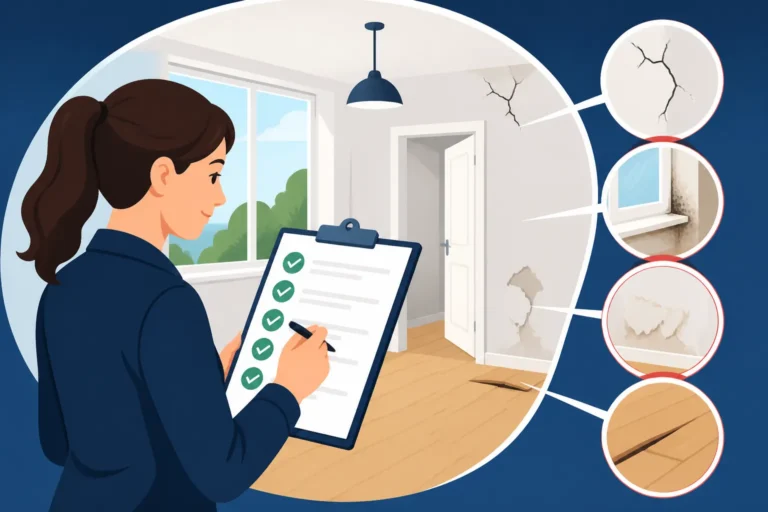
Other items that might be included, but should never be assumed, are curtains, blinds, or even built-in wardrobes. Sometimes, previous tenants leave these behind, and landlords decide to keep them, especially if they fit well. Always clarify with the landlord or agent what exactly stays and what goes before signing the Typeformular A10: Understanding the Standard Danish Lease Agreement. This is also a good opportunity to conduct a thorough Move-In Inspection (Indflytningssyn): Documenting Property Flaws, noting down anything missing or damaged, including those missing light fixtures!
Navigating the Search: Where to Find Both Types of Apartments
Finding an apartment in Denmark can feel like a full-time job, and knowing where to look for furnished versus unfurnished options is key. The market has specific channels that cater to different needs and durations.
Online Platforms and Agency Assistance
For those seeking furnished apartments, particularly for shorter stints or immediate occupancy, specialized platforms and agencies are your best bet. Websites like Spotahome, HousingAnywhere, or ReloAdvisor are popular among expats because they often focus on furnished rooms or apartments, specifically targeting international students and professionals. These platforms usually offer a more streamlined booking process, often with virtual tours, and can be booked from abroad, which is a huge advantage for planning your arrival. Be aware that convenience often comes with a higher price tag and sometimes service fees.
If you're looking for unfurnished apartments for a long-term stay, the primary platforms are BoligPortal.dk and Facebook groups. BoligPortal is Denmark's largest rental portal, listing thousands of apartments, mostly unfurnished. You'll often need a paid subscription to contact landlords directly, which can be annoying but is generally worth it for the sheer volume of listings. Facebook groups, such as "Housing in Copenhagen (and surrounding areas)" or "Expats in Aarhus," are also incredibly active. Here, you'll find everything from direct landlord listings to sublets, often with photos and immediate contact. Just be extra vigilant against scams on social media; if it looks too good to be true, it probably is. Always verify landlords and never pay deposits before seeing the apartment and signing a contract.
Direct vs. Subletting Options
When it comes to securing your rental, you essentially have two main routes: renting directly from a landlord or agency, or subletting from another tenant. Renting directly, often through platforms like BoligPortal, involves a standard lease agreement (the Typeformular A10 is ubiquitous) with the property owner. This offers the most security and tenant rights, as you are the primary tenant. However, competition for these direct rentals can be fierce, especially in major cities like Copenhagen and Aarhus, and landlords often require a full profile, proof of income, and sometimes even references.
Subletting (fremleje) is a common solution, especially for furnished or semi-furnished options, and can be a good short-term fix while you search for a long-term direct rental. You'd be renting from another tenant who holds the main lease. This often means faster occupancy and less stringent requirements than a direct rental. However, it's crucial to ensure the primary tenant has their landlord's permission to sublet. Without it, your agreement might not be legally binding, leaving you vulnerable. Always insist on a written sublet contract and verify the primary tenant's lease to confirm their right to sublet. You can often find sublets on Facebook groups or through word-of-mouth.
Budgeting and Hidden Costs for Danish Rentals
Moving to Denmark is an expensive endeavor, and your housing costs will be a significant chunk of your budget. Understanding not just the rent, but also the deposits, initial setup costs, and ongoing utilities is crucial to avoid financial surprises.
Initial Setup Costs for Unfurnished Apartments
Beyond the monthly rent, the initial setup costs for an unfurnished apartment in Denmark are substantial and require careful budgeting. Typically, landlords will request a security deposit (depositum) equivalent to 1-3 months' rent, plus up to 3 months' prepaid rent (forudbetalt husleje). This means you could be looking at paying up to 6 months' rent upfront before you even get the keys. For an apartment costing 10,000 DKK per month, that's potentially 60,000 DKK (around 8,000 EUR or USD) just to move in, not including furniture. This money is held by the landlord and is meant to cover any damages or unpaid rent when you move out. Remember to carefully document the state of the apartment with photos and videos during your Move-In Inspection (Indflytningssyn): Documenting Property Flaws to protect your deposit.
On top of this, you then have the cost of furnishing your new place. Even if you shop smart at places like IKEA or local thrift stores, a basic setup of a bed, sofa, dining table, and essential kitchenware can easily set you back 10,000-20,000 DKK. Add to that the cost of lighting fixtures, curtains, and perhaps a washing machine if the apartment doesn't have one, and you can see how quickly the costs mount up. Don't forget the internet connection fee, which might be a one-time cost, and potentially a mobile phone plan if you're not already set up with a provider like Airalo for eSIMs to ensure immediate connectivity.
Here's a quick overview of potential upfront costs for an unfurnished apartment (example based on 10,000 DKK/month rent):
| Item | Typical Cost (DKK) | Notes |
|---|---|---|
| Security Deposit | 10,000 – 30,000 (1-3 mo) | Max 3 months' rent by law. |
| Prepaid Rent | 10,000 – 30,000 (1-3 mo) | Max 3 months' rent by law. Often covers last months of tenancy. |
| First Month's Rent | 10,000 | Paid upon signing. |
| Basic Furniture | 10,000 – 20,000 | Bed, sofa, table, chairs, basic kitchen items. |
| Lighting & Curtains | 1,000 – 5,000 | Essential, often not included. |
| Moving Costs | 500 – 5,000 | Van rental, movers. |
| Internet Setup Fee | 0 – 500 | One-time fee depending on provider. |
| Total Initial Outlay | 41,500 – 95,500 DKK | Significant upfront investment! |
Understanding Utilities and "Aconto" Payments
Danish utility bills operate on a system called "aconto," which can be confusing at first. Instead of paying for your exact consumption each month, you pay an estimated amount upfront for heating, water, and sometimes electricity, usually alongside your rent. This is often paid quarterly or bi-annually, and then once a year, the actual consumption is calculated, and you either get money back or owe a top-up. You'll find more details on this in Aconto Payments: How Danish Heating and Water Bills Are Estimated. This system means your monthly payment might not reflect your actual usage until the annual reconciliation, so it's good to be mindful of your consumption throughout the year.
Electricity bills are often separate from the aconto payments and come directly from your chosen electricity provider. You'll need to set up your own account for electricity and potentially for internet (you can read more about this in Utilities Setup: Electricity, Water, Heating, and Internet). Many expats find themselves surprised by the high cost of electricity in Denmark, so being mindful of energy use is important. Keep track of your aconto statements and actual utility bills; you'll typically receive these digitally via E-Boks, a crucial platform for all official communication in Denmark, or through newer alternatives like Mit.dk.
Conclusion
Navigating the Danish rental market can be a bit of a labyrinth, especially when trying to decipher the nuances of furnished versus unfurnished apartments. While furnished options offer immediate comfort and are great for short stays, they come at a significant premium and lack personal touch. Unfurnished apartments, though requiring a hefty initial investment in both money and effort, provide long-term savings and the invaluable freedom to create a true home that reflects your personality.
Remember, the "unfurnished" norm in Denmark usually means a fully equipped kitchen but often no light fixtures or curtains elsewhere – a uniquely Danish quirk you'll quickly become accustomed to. Whether you opt for the convenience of a Spotahome listing or dive into the deep end of BoligPortal for a long-term unfurnished gem, always be prepared for substantial upfront costs in deposits and prepaid rent, and budget for those essential items like lamps and initial furniture. With a bit of planning and understanding of these local expectations, you'll be well on your way to settling into your perfect Danish home.
Disclaimer
The information provided in this guide is for general informational purposes only and does not constitute legal or financial advice. While we strive to ensure accuracy, regulations and market conditions in Denmark can change. Always consult with relevant professionals or official sources like Borger.dk, SIRI, and LLO (Lejernes Landsorganisation) for the most current and specific advice pertaining to your individual situation.