Medical Clearance for Offshore Wind Workers in Denmark
Navigating the medical clearance process for offshore wind work in Denmark often feels like you’re trying to solve a Rubik’s Cube while wearing mittens. I remember the sheer confusion when I first realized that my standard health check-up wasn't going to cut it for the specialized demands of the North Sea. This guide provides the exact roadmap you need to secure your offshore medical certificate and understand the Danish regulations governing wind energy professionals.
The Specifics of Offshore Medical Requirements in Denmark
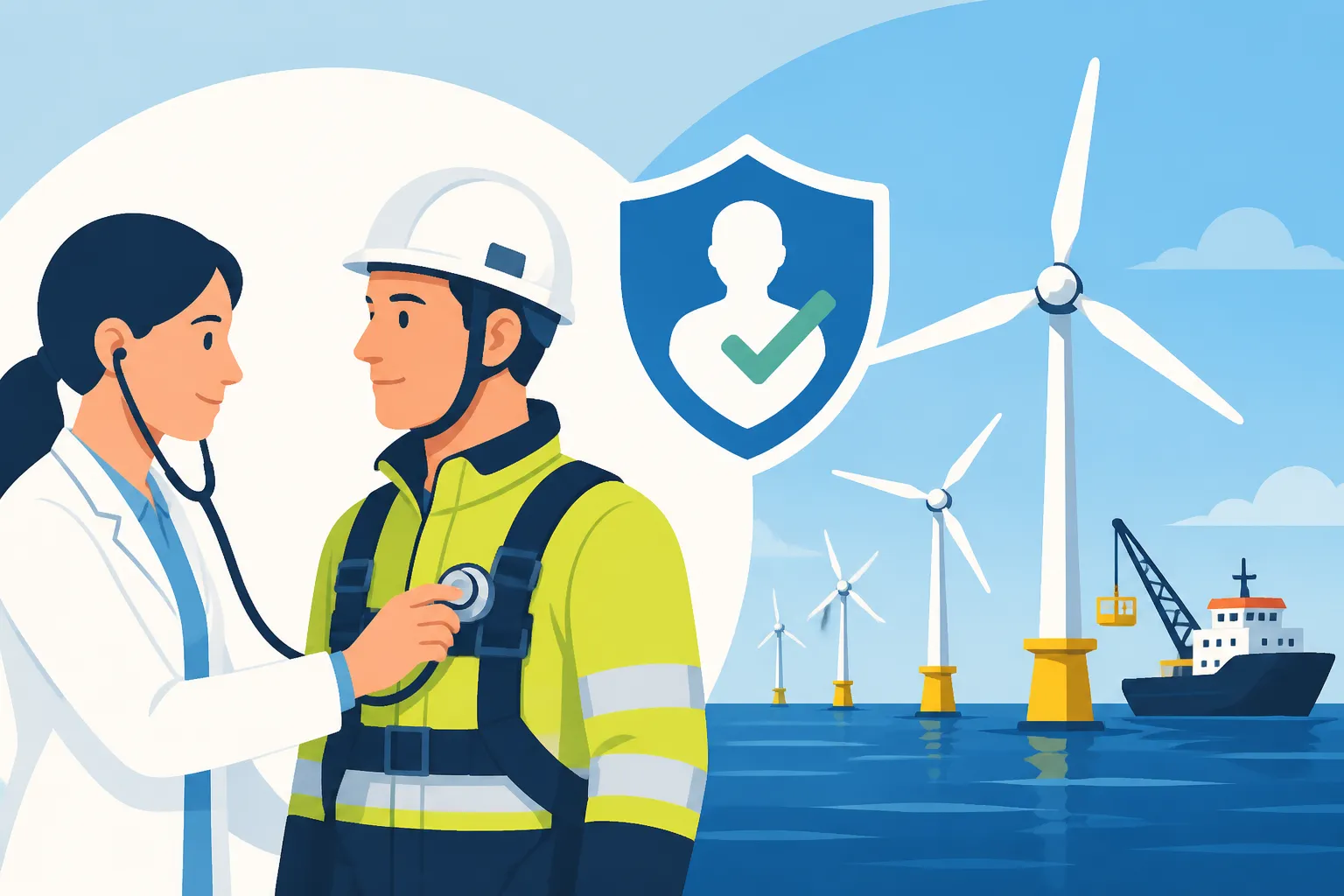
If you are moving to Denmark to work in the booming offshore wind sector, particularly out of hubs like Esbjerg, you quickly learn that your health is not just a personal matter—it is a legal prerequisite for site access. Unlike a standard office job where you might just show up on Monday morning, offshore work requires a "Fit for Duty" certification that meets very specific international and Danish standards.
The primary standard you will encounter is the GWO (Global Wind Organisation) medical. Because the GWO is actually headquartered in Copenhagen, Denmark is particularly strict about these benchmarks. Additionally, many offshore sites in Danish waters require a Danish Maritime Authority (Søfartsstyrelsen) medical certificate, often called a "Seafarer’s Medical." If you are a contractor moving between the UK, Norway, and Denmark, you might also need to ensure your clearance is OGUK-compatible.
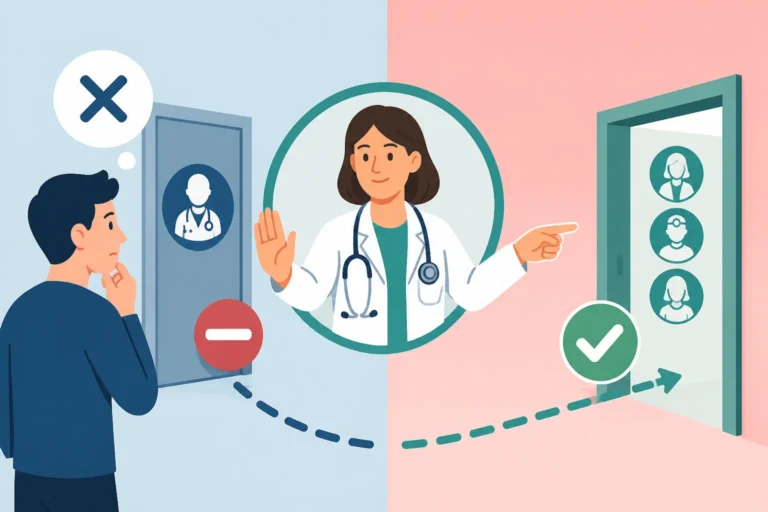
When you are first Working in Denmark: Job Market, Flexicurity, and Getting Hired (2027), the medical clearance is often the final hurdle before you can actually set foot on a turbine. It is important to realize that a standard GP (General Practitioner) in the Danish public system cannot perform this examination. They generally lack the certification and the specialized equipment needed for stress tests and lung function analysis required for offshore safety.
Finding the Right Medical Examiner and Preparing for the Appointment
One of the most common mistakes expats make is booking an appointment with their local doctor, only to be told after waiting two weeks that the doctor cannot sign the GWO or Danish Maritime paperwork. You must seek out a "Søfartslæge" (Maritime Doctor) or a private occupational health clinic that specializes in offshore clearances.
In cities like Esbjerg, Aarhus, and Copenhagen, there are dedicated clinics that handle these daily. When you call to book, be extremely specific about what you need. Are you working solely on the turbines (GWO)? Or are you part of the vessel crew (Søfartsstyrelsen)? Many workers choose to get a "combined" medical to cover all bases, which is often the most cost-effective route in the long run.
What the Physical Examination Entails
The examination is rigorous because the environment you will be working in is unforgiving. If an emergency happens 50 miles offshore, you need to be physically capable of evacuating via a rope ladder or surviving a helicopter hoist. The medical examiner will typically perform:
- Vision and Hearing Tests: You must have a specific level of color vision (important for wiring and safety signals) and be able to hear alarms over the drone of a nacelle.
- Lung Function (Spirometry): This ensures you can handle the physical exertion of climbing and that your respiratory system is robust.
- The Chester Step Test: This is often the part people dread. It is a sub-maximal fitness test where you step up and down on a 30cm or 20cm bench to a metronome beat. Your heart rate is monitored to estimate your aerobic capacity (VO2 Max).
- Urinalysis: Checking for underlying issues like diabetes or kidney problems.
- General Physical: A review of your BMI, blood pressure, and any history of vertigo or epilepsy, which are usually disqualifying for high-altitude work.
Documenting Your Medical History
Before you go, gather your records. If you have any chronic conditions, you will need a status letter from your specialist. This is where Managing Chronic Conditions (Diabetes, Asthma) in the Danish System becomes vital. The offshore doctor needs to be certain that your condition is "well-managed" and won't lead to a crisis while you are stationed on a remote platform.
| Medical Certificate Type | Primary Use Case | Validity Period | Key Requirement |
|---|---|---|---|
| GWO Medical | Wind turbine technicians / Site access | Usually 2 Years | Fitness for height / Step test |
| Søfartsstyrelsen (DMA) | Vessel crew / Seafarers | 2 Years (1 for minors) | Maritime safety / Color vision |
| OGUK Medical | UK Sector / International contractors | 2 Years | Accepted by most North Sea operators |
| Combined Medical | Hybrid roles / Flexible contractors | 2 Years | Comprehensive check of all above |
Health Insurance Gaps for Offshore Contractors
There is a significant administrative trap that many new arrivals fall into: the "Yellow Card" gap. In Denmark, your public healthcare is tied to your CPR number. However, it can take weeks to receive this. For offshore workers, this is problematic because you cannot go offshore without a valid medical, and you cannot get a medical without being "in the system" or paying significantly high private fees.
If you are an international contractor or a new expat, you might consider private options like Cigna Global to ensure you have coverage the moment you land. This is especially true if you are transitioning between countries and don't yet qualify for the Danish state system. While the Danish system is fantastic, it doesn't always account for the nomadic nature of wind energy professionals.
Furthermore, for those who are digital nomads or specialized consultants spending only part of the year in Danish waters, a flexible plan like SafetyWing can provide the necessary bridge. These brands are often preferred by contractors because they understand the "offshore" risks that standard travel insurance usually excludes. When you are Expat Health Insurance: Coverage Before You Get Your CPR Number, having a policy that explicitly mentions "offshore work" or "hazardous activities" is a non-negotiable for your own financial safety.
The Intersection of Visas and Medical Clearance
Your ability to work offshore is legally tied to your residence permit. Most offshore wind specialists enter under The Fast-Track Scheme: Certified Employer Sponsorship Explained or the Danish Visas and Residence Permits: The Complete Expat Guide (2027). These visas require that you are actually able to perform the work described in your contract.
If you fail your medical clearance, it can put your visa status in jeopardy. In Denmark, if you cannot perform the job you were hired for due to health reasons, and you are not eligible for Sickness Benefit (Sygedagpenge): Your Rights When Off Work Due to Illness yet because you are too new to the system, you may face a complicated legal situation. It is always best to have a preliminary medical check in your home country before committing to a move to Denmark, just to ensure there are no "deal-breaker" health issues like severe color blindness or heart irregularities.
Navigating the "Limited" Fit for Duty Status
Sometimes, a doctor might issue a "Limited" certificate. This might mean you are fit to work offshore but not fit to work solo, or you are fit for the vessel but not for climbing. In the Danish wind sector, a limited certificate is often as good as a fail, as most turbines require all personnel to be capable of "Self-Rescue."
If you find yourself with a limited certificate, don't panic. You have the right to seek a second opinion, although it must be with another certified maritime doctor. You might also be referred to a specialist within the public system to "clear" a specific concern. For instance, if your lung function was low due to a recent cold, you can get a referral via Finding Medical Care in Denmark: GPs, Specialists, and Referrals to a pulmonologist who can provide a more detailed assessment for the maritime doctor to review.
Maintaining Your Clearance and Staying Fit for Duty
Once you have that piece of paper, the clock starts ticking. Most GWO and Danish Maritime certificates are valid for two years. However, if you suffer a significant injury or illness in the interim, your certificate is technically void until you are re-examined.
Danish work culture places a high value on "Sikkerhed" (Safety). There is no "toughing it out" offshore. If you are struggling with the physical demands, the Physiotherapy in Denmark: Getting GP Referrals and Managing Costs system is excellent for keeping your body in the condition required for the Chester Step Test. Many wind companies in Denmark actually subsidize private gym memberships or have in-house physios to ensure their workforce stays "Fit for Duty."
It is also worth noting that the Danish system is increasingly focused on mental health in high-stress environments. Working offshore means weeks away from family in a confined space. If you find the lifestyle is taking a toll, remember that Healthcare in Denmark for Foreign Residents: Complete System Guide (2027) includes access to mental health support, which is vital for maintaining your overall "fitness" for such a demanding career.
Practical Logistics: Costs and Paperwork
Who pays for the medical? In Denmark, if you are a permanent employee, your employer is legally required to cover the cost of any medical examination required for you to do your job. If you are a freelancer or contractor, you will have to pay out of pocket. A combined GWO/DMA medical typically costs between 1,800 DKK and 3,500 DKK depending on the clinic and the complexity of the tests.
When you attend your appointment, bring:
- Your Passport or Residence Card.
- Your previous medical certificate (if renewing).
- Your "Søfartsbog" (Seaman’s Book) if you have one.
- Glasses or contact lenses (and your prescription).
- A list of any medication you are currently taking.
If you are using private insurance like SafetyWing or Cigna Global, check if they offer "occupational health" riders. Most standard plans do not cover the cost of a "Fit for Duty" exam as it is considered a professional requirement rather than a medical necessity, but it's always worth verifying if your specific expat package includes annual health screenings that can be adapted for this purpose.
Finally, keep a digital copy of your certificate on your phone. You will be asked to "scan in" at the heliport or the quay before every "hitch" offshore. In the digital-first society of Denmark, having a PDF version is often just as important as the paper original.
Disclaimer
This guide is for informational purposes only and does not constitute legal or medical advice. Medical requirements for offshore work in Denmark are subject to change by the Danish Maritime Authority and the Global Wind Organisation. Always verify the specific requirements with your employer and a certified medical examiner before commencing work.
Related Articles on Danish Healthcare and Living
- Healthcare in Denmark for Foreign Residents: Complete System Guide (2027)
- The Yellow Health Card (Sundhedskort): Your Key to Danish Healthcare
- Finding Medical Care in Denmark: GPs, Specialists, and Referrals
- Working in Denmark: Job Market, Flexicurity, and Getting Hired (2027)
- Danish Visas and Residence Permits: The Complete Expat Guide (2027)
- The Fast-Track Scheme: Certified Employer Sponsorship Explained
- Sickness Benefit (Sygedagpenge): Your Rights When Off Work Due to Illness
- Preventive Care in Denmark: Why Annual Checkups Are Not Standard
- Physiotherapy in Denmark: Getting GP Referrals and Managing Costs
- Expat Health Insurance: Coverage Before You Get Your CPR Number