Finding Support Groups for Chronic Illnesses in Denmark
Navigating a chronic diagnosis is overwhelming enough, but doing it in a foreign language within a complex bureaucratic system can feel like hitting a brick wall. I remember sitting in a sterile waiting room in Aarhus, clutching my yellow card and feeling completely invisible despite the high-tech surroundings. This guide explains how to find the emotional and community support you need to manage long-term health challenges in Denmark.
Understanding the Danish Patient Association Landscape
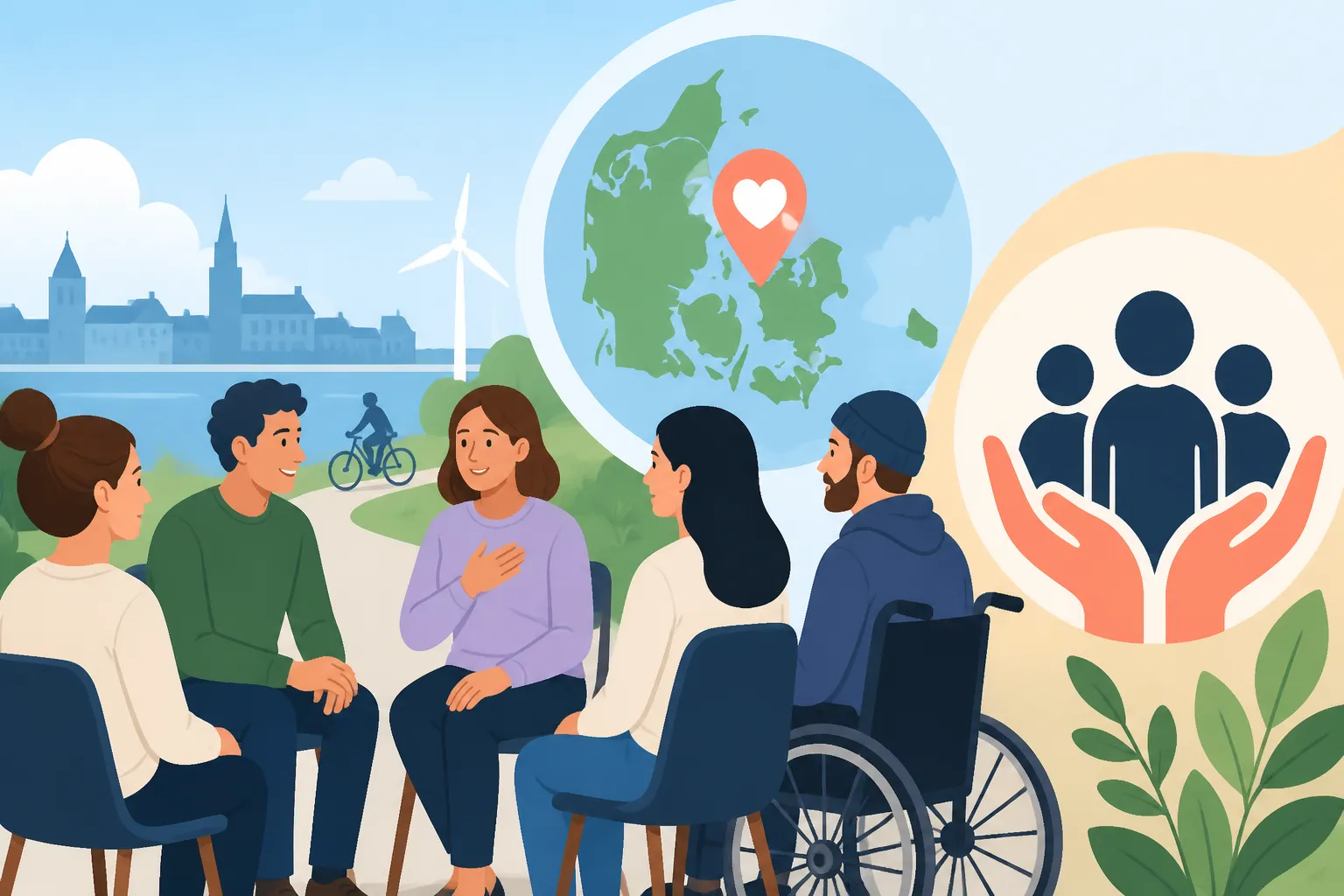
In Denmark, the backbone of peer support is the "Patientforening" or patient association. These are large, well-funded non-governmental organizations that focus on specific diseases. They are not just for clinical information; they are designed to be a social safety net. If you are Managing Chronic Conditions (Diabetes, Asthma) in the Danish System, your first step should always be to identify the national association for your specific condition. Most of these organizations have local chapters in every major city, providing a space where you can meet others who understand the daily grind of your illness.
While the primary language in these groups is Danish, do not let that deter you. Most Danes are incredibly proficient in English and are more than willing to switch languages to accommodate a new member. I’ve found that even if the official meeting is in Danish, the "hygge" sessions over coffee afterward are where the real connections happen. These associations often provide patient mentors—people who have lived with the condition for years—who can guide you through the cultural nuances of being a patient here. They can help you understand the Healthcare in Denmark for Foreign Residents: Complete System Guide (2027) in a way that a government pamphlet never could.
Furthermore, many of these associations offer legal and social advice. They have experts who can help you understand Sickness Benefit (Sygedagpenge): Your Rights When Off Work Due to Illness if your condition affects your ability to hold a full-time job. This is a level of support that goes far beyond what a GP can offer. They act as your advocate, ensuring that you aren't just navigating the medical side of things, but the social and professional sides as well.
How to Find English-Speaking Communities
Finding a group specifically dedicated to English speakers can be more challenging but is certainly possible, especially in the larger hubs like Copenhagen, Aarhus, or Odense. Many expats find solace in broader "Chronic Illness Expat" groups on social media platforms. These groups are vital because they address the double burden of being ill and being an outsider. They talk about things like how to explain your symptoms when you don't have the exact Danish vocabulary or how to handle the emotional toll of being away from your family's support system back home.
If you are currently in the gap between arriving and getting your full residency rights, you might be relying on Expat Health Insurance: Coverage Before You Get Your CPR Number. During this transitional period, companies like SafetyWing can be a literal lifesaver, providing a bridge of coverage. While SafetyWing is excellent for travel and transition, having a community of people who have been through the same "limbo" is essential for your mental health. They can offer tips on which private clinics are more accustomed to international patients.
For those who require more permanent, high-level private support, Cigna Global is often the go-to for many international professionals in Denmark. Cigna Global often provides access to private counseling and specialist networks that might have shorter waiting times than the public system. When you join an English-speaking support community, you’ll likely find many members using these private options to supplement their public care, and they can share their experiences with which doctors in the private sector are the most empathetic to the expat experience.
Support for Rare Diseases and Specific Conditions
If you are dealing with a rare disease, the Danish system funnels you toward highly specialized centers, usually located at Rigshospitalet in Copenhagen or Aarhus University Hospital. Because the population of Denmark is small, the community for a rare disease might only consist of a few dozen people. In these cases, the support groups are often national and meet digitally or at central locations once or twice a year.
The organization "Sjældne Diagnoser" (Rare Diseases Denmark) is an umbrella organization that represents these smaller groups. They are incredibly proactive. Even if there isn't a specific group for your exact mutation or condition, they can connect you with a "network group" of people with similar symptoms or challenges. For an expat, this is a crucial entry point. It’s also where you can learn about Translators in Danish Healthcare: Your Right to an Interpreter for your specialist appointments, ensuring that no vital information is lost in translation during high-stakes medical consultations.
Remember that you are entitled to the same level of care and support as any Danish citizen once you have your CPR number. However, the "system" doesn't always automatically sign you up for these groups. You have to be your own advocate. Don't be afraid to ask your specialist directly: "Findes der en patientforening for min sygdom?" (Is there a patient association for my disease?). This simple question can open doors to a wealth of resources you didn't even know existed.
Municipal and Hospital-Based Support Services
Beyond the national associations, the local "Kommune" (municipality) plays a massive role in chronic illness support. Every municipality has a "Sundhedshus" (Health House) or a rehabilitation center. These centers offer "Lærings- og mestringskurser" (Learning and Mastery courses). These are essentially support groups led by professionals—physiotherapists, nurses, and psychologists—designed to help you live a better life despite your diagnosis.
When I first looked into this, I was surprised to find that these courses are often free. They cover everything from fatigue management and nutrition to the psychological impact of chronic pain. If you are worried about the cost of managing your health, these municipal offerings are a great relief. While you might be looking into Private Health Insurance (Sygeforsikring "danmark"): Is It Worth It? to cover things like physiotherapy or dental work, the municipal courses provide the educational and emotional framework for free.
These centers also act as a social hub. Many people who meet in a municipal "Type 2 Diabetes" or "Heart Health" course end up forming their own informal "walking groups" or "coffee clubs." This is the essence of Danish integration—finding a shared purpose or challenge and building a "forening" (association) around it. For an expat, this is a golden opportunity to practice your Danish in a low-pressure environment where everyone is focused on health and mutual support.
The Role of the Patient Mentor and Social Worker
In the Danish hospital system, especially if you have a complex or life-altering diagnosis, you may be assigned a "Forløbskoordinator" (Patient Coordinator). This person's job is to make sure you don't fall through the cracks between different departments. They are often the best people to ask about support groups within the hospital itself. Many hospitals run "Cafe" afternoons where patients and their families can meet in an informal setting.
If your illness is impacting your finances or housing, you should also ask to speak with a "Socialrådgiver" (Social Worker) at the hospital or the municipality. They can help you navigate the Understanding CPR Registration and Your Healthcare Entitlement and explain how your diagnosis might qualify you for specific subsidies or equipment. For example, if you need ergonomic changes at home or work, the social worker is the one who initiates that process.
Having this professional support is vital, but it’s the peer-to-peer connection that usually provides the most comfort. I’ve found that while the social worker can give you the forms, the person in your support group can tell you exactly what to write on those forms to ensure they are approved. That kind of "inside baseball" knowledge is why these groups are so precious for foreigners who are still learning how the Danish state functions.
Navigating Local Kommune Offerings
To find these municipal services, you should go to your municipality’s website and search for "Kronisk sygdom" or "Sundhedstilbud." If your Danish isn't quite there yet, use the Chrome translation tool, but look for the contact information for a "Sundhedskoordinator." Sending a simple email in English asking about "English-speaking support or rehabilitation options" will usually get you a helpful response.
The table below compares the different types of support you might find in Denmark to help you decide where to start your search:
| Type of Support | Provider | Best For | Language |
|---|---|---|---|
| Patientforening | National NGO | Disease-specific info, advocacy, long-term peer networking. | Mostly Danish, English friendly. |
| Sundhedshus | Local Municipality | Practical skills, local rehab, exercise groups, free courses. | Danish, some English support. |
| Expat Forums | Online/Social Media | Navigating the system as a foreigner, emotional venting. | English. |
| Hospital Groups | Regional Hospitals | Acute support, meeting people with identical clinical paths. | Danish/English. |
| Private Networks | Cigna Global / SafetyWing | Faster access to therapy, specialist counseling, English-speaking pros. | English. |
Practical Strategies for Expats with Chronic Conditions
When you are an expat, the logistical side of chronic illness can be just as draining as the symptoms. You need to ensure your paperwork is in order so you can focus on your health. This starts with The Yellow Health Card (Sundhedskort): Your Key to Danish Healthcare, which is your ticket to all public support services. Without this card, you are effectively locked out of the municipal support groups and hospital-based peer networks.
One useful strategy is to be very open with your GP about your need for social support. In Denmark, the GP is the gatekeeper for almost everything. If you tell them, "I am struggling with the isolation of my condition," they can refer you to Mental Health in Denmark: Accessing Psychologists and Therapy for Expats. A referral from your GP significantly lowers the cost of psychological counseling, making it much more accessible.
Furthermore, make sure you are using the digital tools available to you. I spent months feeling disconnected before I realized how much I could do through Sundhed.dk and MitID: Navigating Denmark’s Digital Health Portals. On Sundhed.dk, you can see your referrals, which often include notes about municipal health offers. Being able to track your own data and see what the system is planning for you can reduce the anxiety of "waiting for a letter" that many expats feel.
Overcoming the Language Barrier in Therapy Groups
It is a common fear: "What if I go to a support group and I can't understand the deep, emotional nuances of what people are saying?" It’s a valid concern. However, emotional support often transcends perfect grammar. There is a specific kind of "Danish empathy" that is very quiet and observant. You might find that simply being in the room, sharing a "bolle" (roll) and coffee, and hearing the familiar names of medications and treatments is enough to make you feel less alone.
If you find the language barrier too high for a group setting, consider using your private insurance. For example, Cigna Global policies often include "Global Well-being" services that provide access to English-speaking therapists regardless of your location. This can be a great way to process the trauma of your illness in your native language while you use the local Danish groups for more practical, social "hygge" and community building.
Another tip is to look for "International Houses" in cities like Copenhagen or Aarhus. They often host events for newcomers, and you can even propose a "Chronic Illness Coffee Morning." You’d be surprised how many other expats are in the same boat, hiding their struggles because they don't want to be a "burden" in their new country. Starting your own small, informal group is a very Danish thing to do!
Financial Support and Insurance Considerations
Chronic illness often comes with extra costs—medication, specialized equipment, or frequent transport to the hospital. In Denmark, the "Medicin-tilskud" (medicine subsidy) system is automatic, but you should still understand How Medication Subsidies (Tilskud) Are Calculated at the Apotek. The more you spend, the more the state covers, which is a huge relief for those with lifelong conditions.
For those in between jobs or who have recently arrived, SafetyWing provides a safety net that covers unexpected complications of many conditions (though always check the fine print regarding pre-existing conditions). Having that backup means you can participate in community life without the constant fear of a massive bill if you have an acute episode.
If you are a member of Sygeforsikring "danmark," you can get significant reimbursements for many things the public system doesn't fully cover. I highly recommend looking into their different "groups" to see which one fits your needs. Even if you have a chronic illness, you can often still join, though there may be a waiting period or specific exclusions for that particular condition. It’s all about layering your support: public system for the core care, private insurance for the extras, and support groups for the soul.
Building a Local Network Beyond the Clinic
Finally, don't forget that "support" doesn't always have to be medical. Sometimes the best support for a chronic illness is finding a community that sees you as a person first and a patient second. Denmark has a vibrant "Foreningsliv" (association life). Whether it’s a knitting club, a board game group, or a low-impact yoga class, joining a local association can provide the social rhythm that illness often takes away.
I've found that when you are part of a local club, people naturally look out for you. If you miss a week because you're having a "flare," they’ll notice. They might not understand the medical complexities of your condition, but they offer the "everyday support" that is vital for long-term well-being. This is where you truly start to feel like a resident rather than a guest.
To get started, check out How to View Your Medical Records and Lab Results on Sundhed.dk so you have your data ready, then reach out to a national patient association. It might feel scary to take that first step, but the Danish healthcare community is one of the most supportive in the world—you just have to know where to knock.
Disclaimer
The information provided in this article is for informational purposes only and does not constitute medical or legal advice. Healthcare regulations and insurance policies in Denmark can change; always consult with your General Practitioner (GP), the Danish Health Authority (Sundhedsstyrelsen), or a qualified legal advisor regarding your specific situation and rights. External brands mentioned are for contextual reference and do not imply a clinical endorsement.