Winter Depression (SAD) in Denmark: Light Therapy and Vitamin D Tips
Waking up at 8:00 AM only to find the sky as dark as midnight is a psychological hurdle no amount of coffee can truly prepare you for. During my first winter in Aarhus, I remember staring at the grey horizon at 3:00 PM and feeling a heavy, unexplainable exhaustion that lasted until April. This guide solves the "mørketid" mystery by providing actionable light therapy and Vitamin D strategies to protect your mental health.
Understanding the Mørketid: Why Danish Winters Hit Expats Hard
The term "mørketid" literally translates to "the dark time," and for those of us moving from sunnier climates, it is a visceral shock to the system. In Denmark, the sun may only peek through the clouds for a few hours a day in December and January, and even then, the light is weak and low on the horizon. This isn't just about missing the beach; it is a fundamental biological disruption. When your eyes don't receive enough natural sunlight, your brain struggles to regulate the production of melatonin and serotonin. Melatonin makes you sleepy, and serotonin keeps your mood stable. In the Danish winter, your body often stays in "sleep mode" all day because the light signals never tell it to wake up.
Seasonal Affective Disorder (SAD) is more than just the "winter blues." It can manifest as intense carbohydrate cravings, a desire to oversleep, and a persistent feeling of "brain fog" that makes your job or studies feel twice as difficult. I’ve found that many expats blame themselves for being "lazy" or "unmotivated" during their first year, not realizing that their neurochemistry is simply reacting to the high latitude. This is why understanding Healthcare in Denmark for Foreign Residents: Complete System Guide (2027) is so important; you need to know that your physical environment is the primary driver of these feelings, and there are structured ways to fight back.
The cultural element of the Danish winter also plays a role. While locals lean into the darkness with candles and cozy gatherings, foreigners often find the sudden shift in social energy isolating. People tend to retreat into their private homes, and the streets can feel deserted by 6:00 PM. If you are already feeling the physical effects of SAD, this perceived social "coldness" can exacerbate the gloom. Recognizing the symptoms early—such as withdrawing from friends or feeling a heavy sensation in your limbs—is the first step toward reclaiming your energy. If the symptoms become overwhelming, you may want to look into Mental Health in Denmark: Accessing Psychologists and Therapy for Expats to find professional support tailored to the expat experience.
Light Therapy: Your Best Defense Against the Dark
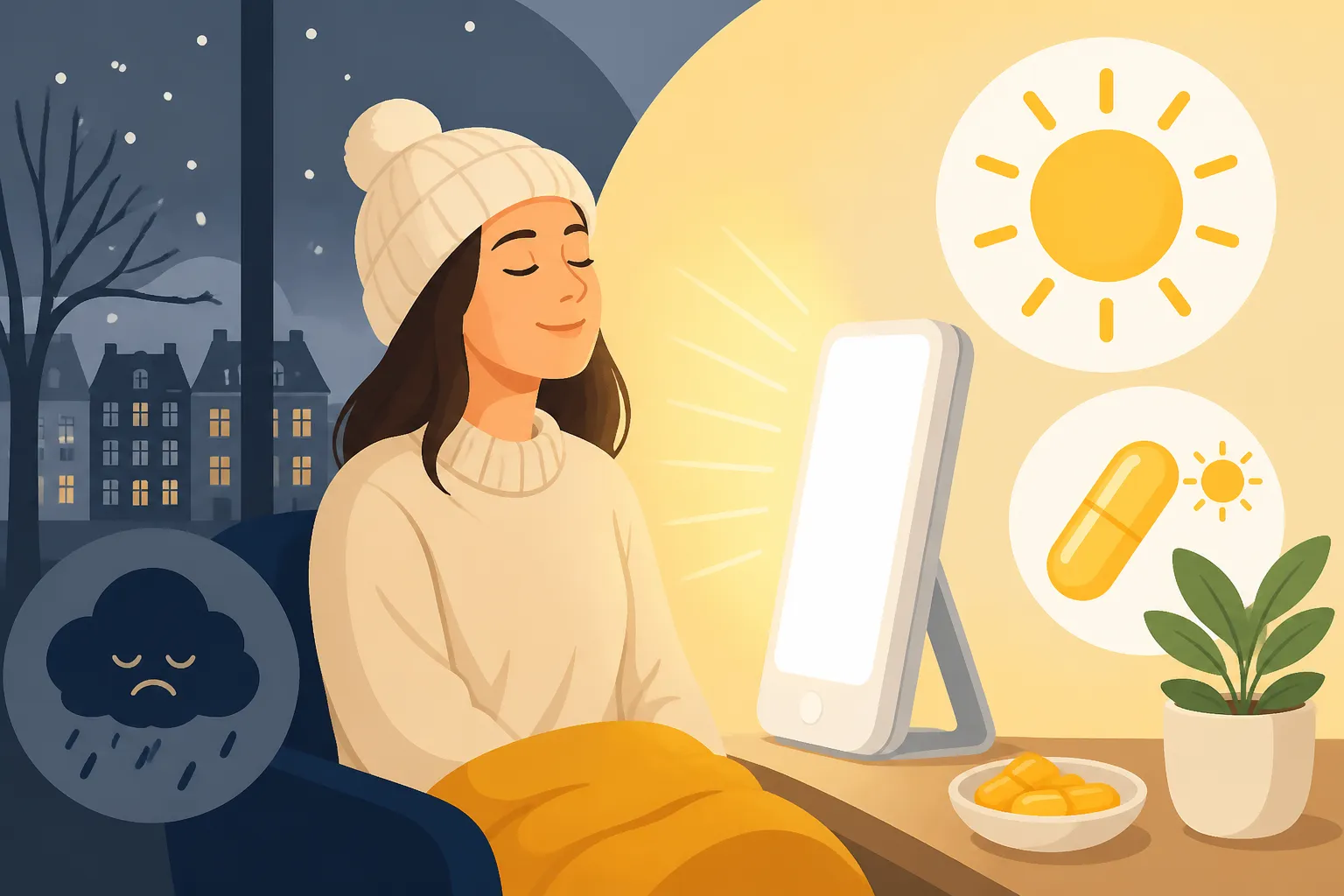
Light therapy, or "lysterapi" as the Danes call it, is arguably the most effective tool in your winter survival kit. The goal is to mimic the intensity of outdoor daylight, which triggers your brain to stop producing melatonin and start producing serotonin. A standard indoor light is nowhere near bright enough to achieve this; you need a specialized SAD lamp that produces at least 10,000 lux. To put that in perspective, a bright office is usually around 500 lux. When I finally bought my first high-intensity lamp, the difference in my morning alertness was night and day—literally.
When choosing a lamp, look for one that is certified for medical use and filters out harmful UV rays. You can find these at electronics retailers like Elgiganten or Power, or even at some larger pharmacies. It’s important to position the lamp about 30 to 50 centimeters from your face. You don't need to stare directly into it—in fact, you shouldn't—but the light needs to reach your eyes while you are reading, eating breakfast, or working on your laptop. Most experts recommend a 30-minute session every morning as soon as you wake up. This "re-sets" your internal clock and tells your body that the day has begun.
Consistency is the secret to making light therapy work. If you only use the lamp once or twice a week, you won't see a significant shift in your mood. You have to treat it like a daily prescription. Many of my colleagues in Copenhagen keep a small light therapy lamp on their desks, especially during the peak gloom of November. If you are covered by private insurance like Cigna Global, you might even find that certain wellness consultations or specialized treatments for SAD are partially covered, depending on your policy. For those still in their first 90 days without a CPR number, having a plan like SafetyWing ensures you have a safety net if your winter blues spiral into something more serious that requires a private consultation.
Vitamin D and Diet: Fueling Your Body Through the Winter
In Denmark, Vitamin D isn't just a supplement; it’s a survival requirement. The Danish Health Authority (Sundhedsstyrelsen) officially recommends that all adults take a daily supplement of 10 micrograms of Vitamin D from October through April. Because Denmark is so far north, the sun’s rays are too weak during these months to trigger Vitamin D synthesis in your skin, regardless of how much time you spend outside. A deficiency in Vitamin D is directly linked to fatigue, bone pain, and depression, making it a "hidden" contributor to the winter slump that many expats overlook until they feel completely drained.
You can purchase these supplements easily at any supermarket like Netto or Rema 1000, but for higher dosages or specific brands, you should visit the local apotek. For more details on how these stores operate, check out Pharmacies in Denmark: Apotek Rules, Prescriptions, and Subsidies. I personally prefer the oil-based capsules, as Vitamin D is fat-soluble and absorbed better that way. If you find yourself feeling exceptionally exhausted, you can ask your GP for a blood test to check your levels. This is a standard procedure, and you can learn more about how to navigate this through Finding Medical Care in Denmark: GPs, Specialists, and Referrals.
Dietary choices also play a massive role in how your body handles the lack of light. While it’s tempting to dive into a box of Danish pastries (wienerbrød) when you're feeling low, the resulting sugar crash can make SAD symptoms worse. The traditional Danish winter diet actually includes a lot of fatty fish like herring and salmon, which are natural sources of Vitamin D and Omega-3 fatty acids. Incorporating these, along with complex carbohydrates like rye bread (rugbrød), provides a slower, more stable release of energy. If you are managing chronic health issues alongside the winter gloom, keeping your nutritional levels stable is vital. Companies like Cigna Global often emphasize preventive health, and maintaining your Vitamin D levels is one of the easiest preventive measures you can take in the Nordics.
Lifestyle Adjustments: Beating the Winter Blues the Danish Way
The Danes have a saying: "There is no such thing as bad weather, only bad clothing." This philosophy is essential for surviving Winter in Denmark: Hygge, Heating Strategies, and Surviving the Dark. While your instinct might be to huddle under a blanket until March, physical activity is a powerful antidepressant. Even a 20-minute walk during the "brightest" part of the day (usually around noon) can provide a much-needed boost. The fresh air and the small amount of natural light available will do more for your mental health than staying indoors all day.
If you are a cyclist, don't let the darkness stop you, but do make sure you are prepared. Biking is a great way to keep your blood flowing and combat the lethargy of SAD. However, you must be aware of the safety requirements, such as The Reality of Winter Biking in Denmark: Tires and Gear Required. Having the right lights and reflective gear not only keeps you safe but also gives you a sense of agency over the environment. When you stop fearing the winter and start engaging with it, the psychological burden of the darkness begins to lift.
Finally, don't underestimate the power of social connection. The "hygge" culture is designed to counteract the cold and dark. Inviting a few friends over for a candlelit dinner or joining a local "forening" (association) can prevent the isolation that often accompanies winter depression. Engaging in Social Integration: Making Friends and Understanding Danish Etiquette is particularly important during the winter months when the "closed-door" nature of Danish society is most apparent. If you're struggling to stay active or find the motivation to socialize, remember that you aren't alone—almost every expat, and many Danes, are using the same strategies of light, vitamins, and community to get through to spring.
Comparison of Winter Wellness Strategies
| Strategy | Primary Benefit | Recommended Dosage/Use | Best Time of Day |
|---|---|---|---|
| Light Therapy Lamp | Regulates Serotonin/Melatonin | 10,000 Lux for 30 minutes | Immediately upon waking |
| Vitamin D Supplements | Combats fatigue and bone loss | 10-20 micrograms daily | With a meal (fat-soluble) |
| Outdoor Exercise | Natural light and endorphins | 20-30 minute walk/cycle | Between 11:00 AM and 1:00 PM |
| Social Hygge | Prevents isolation and low mood | 1-2 social interactions weekly | Evenings / Weekends |
| Fatty Fish (Diet) | Natural Vitamin D & Omega-3s | 2-3 servings per week | Lunch or Dinner |
Seeking Professional Help for SAD
While light lamps and vitamins are incredible tools, they aren't a substitute for professional medical advice if your depression feels unmanageable. If you find that you cannot get out of bed, have lost interest in things you used to love, or are experiencing thoughts of self-harm, please contact your General Practitioner immediately. The Danish system is well-equipped to handle seasonal depression, but you have to be the one to initiate the conversation. Your GP can provide referrals for light-room therapy (specialized clinics with high-intensity walls of light) or talk therapy.
If you are a digital nomad or a new arrival still waiting for your yellow card, services like SafetyWing provide essential coverage for unexpected medical needs. Similarly, Cigna Global offers comprehensive international plans that can be a lifesaver if you prefer to seek private care or want to ensure you have access to English-speaking specialists without a long wait. Taking care of your mental health is just as important as your physical health, and in the Danish winter, the two are inextricably linked. Don't wait until February to start these routines; the best time to prepare for the dark is while the sun is still shining.
Disclaimer
The information provided in this guide is for educational and informational purposes only and does not constitute professional medical advice, diagnosis, or treatment. Always seek the advice of your physician or other qualified health provider with any questions you may have regarding a medical condition. Never disregard professional medical advice or delay in seeking it because of something you have read in this article. The author is an expat sharing personal experiences and researched facts, not a healthcare professional.