Mental Health Hotlines in Denmark: English Services for Immediate Help
Trying to navigate a mental health crisis while living in a foreign country is one of the most isolating experiences you can endure, especially when the sun sets at 3:30 PM and the bureaucracy feels like an impenetrable wall. I remember sitting in my dimly lit apartment in Aarhus during my first winter, feeling the weight of the "darkness" and having no idea who would pick up the phone if I called for help in English. This guide provides the exact numbers and services you need for immediate mental health support in Denmark, ensuring you never have to face a crisis alone.
Immediate Crisis Support: 112 and the Regional Medical Helplines
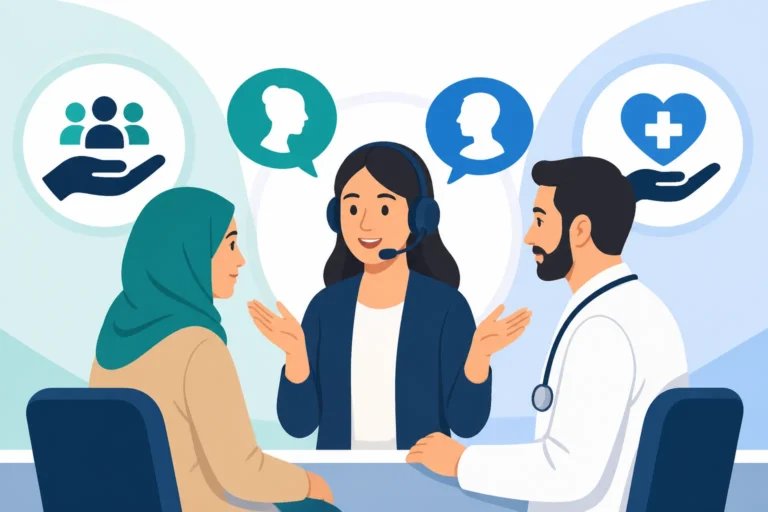
In Denmark, the first line of defense during a mental health emergency depends entirely on the severity of the situation. If there is an immediate risk to life—whether yours or someone else's—you must dial 112. The operators are trained to handle high-stress situations and, crucially for us expats, they are almost universally fluent in English. You do not need to worry about a language barrier when every second counts.
However, if the situation is urgent but not immediately life-threatening, you should use the regional out-of-hours medical services. In the Capital Region (Copenhagen and surrounding areas), this number is 1813. When you call, you will speak with a nurse who can triages your situation. I have found that being very direct about your mental state is vital here; don't downplay your feelings. They can refer you to a psychiatric emergency room or dispatch a mobile crisis team (Akutteam) if necessary. If you are outside of Copenhagen, the numbers vary by region, so it is helpful to keep Emergency Medical Care in Denmark: Calling 112, Lægevagten, and ERs bookmarked for quick reference.
For many of us, the hardest part is knowing What to Say When Calling Lægevagten (Out-of-Hours Doctor). You should clearly state that you are experiencing a mental health crisis and require urgent psychiatric assessment. If you are struggling with the system because you are newly arrived, remember that emergency care is a right, even if you are still Understanding CPR Registration and Your Healthcare Entitlement.
The Role of the Akutteam (Crisis Teams)
Many municipalities in Denmark operate what is known as an "Akutteam" or "Psykiatrisk Akutberedskab." These are mobile units of psychiatric nurses and sometimes social workers who can come to your home or meet you in a neutral space. Their goal is to de-escalate the situation and prevent a hospital admission if possible.
When you call 1813 or your local Lægevagten, ask specifically: "Is there a psychiatric acute team available to talk to?" These teams are often more empathetic and have more time than the standard ER staff. They are particularly useful for expats who might feel overwhelmed by the clinical environment of a Danish hospital.
Dedicated Mental Health Hotlines in Denmark
While the emergency numbers handle the medical side, sometimes you just need to hear a voice that understands the psychological toll of relocation, isolation, or depression. Denmark has several high-quality hotlines, though English availability can sometimes be "best effort" rather than guaranteed.
Livslinien: Suicide Prevention
Livslinien is the primary hotline for those struggling with suicidal thoughts or self-harm. They are an incredible resource, and while their website is primarily in Danish, many of their volunteers speak excellent English.
- Phone Number: +45 70 201 201
- Hours: 11:00 AM to 05:00 AM daily.
- What to expect: You will likely be greeted in Danish. Do not hang up. Simply say, "Hello, do you speak English? I am in a crisis and need someone to talk to." In my experience, they will immediately switch to English or find a colleague who can.
Psykiatrifonden: The Psychiatry Foundation
Psykiatrifonden offers a "Rådgivning" (counseling) service that is broader than just suicide prevention. They deal with anxiety, depression, and the stress of navigating Mental Health in Denmark: Accessing Psychologists and Therapy for Expats.
- Phone Number: +45 39 25 25 25
- Hours: Monday to Thursday 10:00 AM – 10:00 PM; Friday to Sunday 10:00 AM – 6:00 PM.
- Note: This is a great place to call if you are feeling overwhelmed by the Danish winter or "winter depression." They can offer advice on Winter Depression (SAD) in Denmark: Light Therapy and Vitamin D Tips and help you understand how to approach your GP for a longer-term solution.
SIND: National Federation for Mental Health
SIND provides a telephone exchange where you can talk to people who have experience with mental illness, either personally or as relatives. This is less "clinical" and more "peer-to-peer."
- Phone Number: +45 70 23 27 50
- Hours: Weekdays 11:00 AM – 5:00 PM. (Closed on weekends and public holidays).
| Service Name | Phone Number | Primary Focus | English Support |
|---|---|---|---|
| Emergency Services | 112 | Life-threatening emergencies | Excellent / Standard |
| Akuttelefonen (CPH) | 1813 | Urgent medical/psychiatric triage | Good / Standard |
| Livslinien | 70 201 201 | Suicide prevention | Available upon request |
| Psykiatrifonden | 39 25 25 25 | Counseling and advice | High (most staff are bilingual) |
| SIND | 70 23 27 50 | Peer support and networking | Variable (volunteer dependent) |
Visiting a Psychiatric Emergency Room (Psykiatrisk Akutmodtagelse)
If the hotlines and phone consultations aren't enough, you may need to go to a "Psykiatrisk Akutmodtagelse" (PAM). These are specialized emergency rooms for mental health, separate from the physical ER (Skadestue).
In the Copenhagen area, there are PAMs at Bispebjerg, Amager, and Glostrup. In Aarhus, the primary center is at Aarhus University Hospital in Skejby. Unlike the physical ER, you can often "self-present" at a psychiatric ER without a prior call, though calling 1813 first is always recommended to ensure they have space and to flag that an English speaker is coming.
When you arrive, the process usually involves:
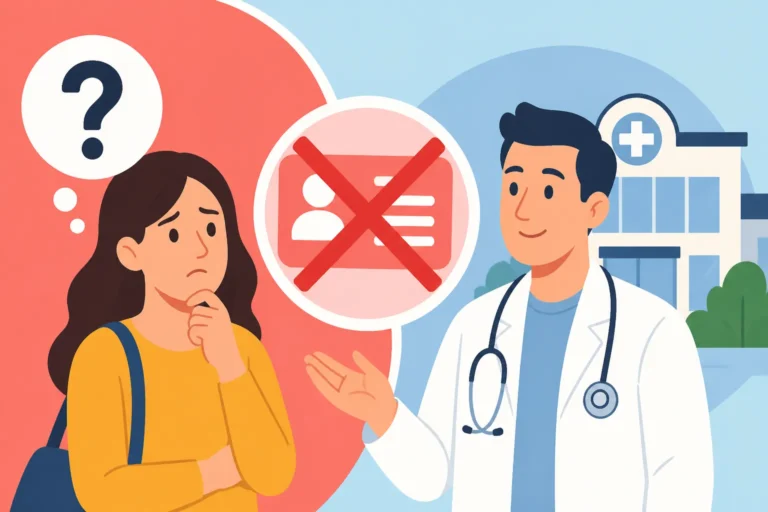
- Checking in: You will need to scan The Yellow Health Card (Sundhedskort): Your Key to Danish Healthcare. If you don't have one yet, have your passport and any private insurance details ready, such as those from SafetyWing or Cigna Global.
- Triage: A nurse will talk to you about your immediate feelings. Be honest about any thoughts of self-harm or inability to cope.
- Observation: You might be asked to wait in a quiet room.
- Doctor Consultation: You will see a psychiatrist who will decide if you should be admitted, given temporary medication, or referred back to your GP for a Psychiatric Care in Denmark: Referrals, Diagnosis, and Treatment pathway.
Support for Expats Without a CPR Number
One of the biggest anxieties for newcomers is the "gap" period—that time between arriving and receiving your yellow card. Many expats hesitate to seek help because they fear a massive bill. While the Danish public system is universal, the administrative side can be tricky if you aren't registered yet.
If you are in this position, services like SafetyWing or Cigna Global are invaluable. SafetyWing, for instance, is often used by digital nomads and new expats to cover this specific 90-day waiting period. They provide a safety net so you can access private psychiatric consultations if the public waiting lists are too long. Similarly, Cigna Global offers comprehensive plans that include mental health modules, which can be a lifesaver when you need to see a therapist who speaks your native language fluently without waiting months for a GP referral.
If you find yourself in a crisis without insurance or a CPR number, please go to the PAM regardless. Under Danish law, acute and emergency care is provided to everyone. They will not turn you away in a life-threatening psychiatric crisis. You can sort out the paperwork later. If you are worried about the cost, you should read about Expat Health Insurance: Coverage Before You Get Your CPR Number to understand your options.
Navigating English-Speaking Therapy and Counseling
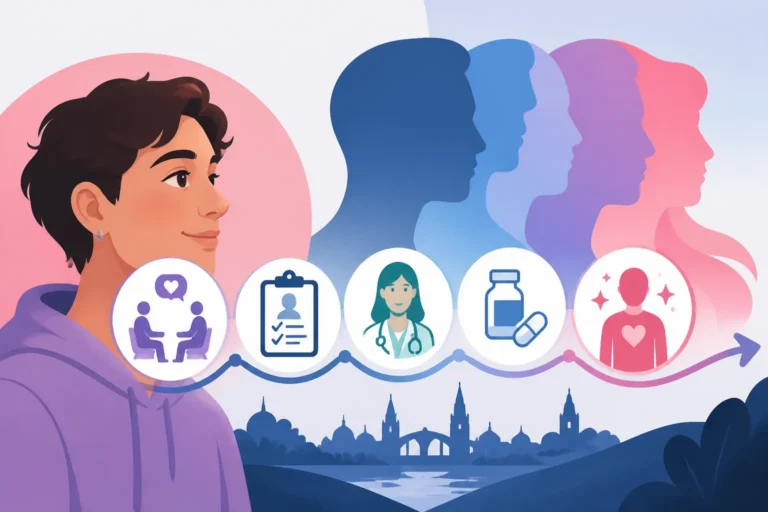
Sometimes the crisis isn't "acute" in the sense of an emergency, but it is persistent enough that you need professional help before it reaches that point. In Denmark, getting a referral for a psychologist through the public system can take time. This is where Accessing English-Speaking Therapists and Counselors in Copenhagen or other major cities becomes essential.
Many private therapists in Denmark operate outside the public subsidy system. If you have insurance through Cigna Global, you might find that your policy covers a certain number of private sessions, bypassing the need for a GP referral entirely. This is often the fastest way to get help in English. If you are a student, check with Studenterrådgivningen, which provides free social and psychological counseling to students in higher education. They are very used to international students and offer services in English.
For those looking for immediate but non-emergency help, there are also Mental Health Hotlines in Denmark: English Services for Immediate Help that cater specifically to the international community. Organizations like "The Link" or various expat groups on social media often maintain lists of vetted, English-speaking professionals.
Understanding the "Wait-and-See" Cultural Nuance
One thing that shocked me when I first accessed Danish healthcare was the "vent-og-se" (wait and see) approach. Danish doctors often prefer not to over-medicate or over-diagnose immediately. In a mental health context, this can feel dismissive if you are used to more proactive intervention.
If you feel your GP is not taking your mental health seriously, you have the right to How to Choose and Change Your General Practitioner (GP) in Denmark. It is perfectly acceptable to look for a doctor who has more experience with international patients or mental health. You should also be aware that for non-acute issues, you will likely need a referral from your GP to access subsidized psychiatric care, and the Waiting Times in Danish Public Hospitals and Patient Rights can be significant.
In the meantime, don't underestimate the power of community. Joining a Foreningsliv: Joining Danish Clubs and Associations to Mingle can provide the social tethering that prevents a dip in mental health from becoming a full-blown crisis. Loneliness is the primary driver of mental health struggles for expats in Denmark, and finding your "tribe" is as much a health priority as finding a doctor.
Practical Steps to Take Right Now
If you are reading this because you are currently struggling, please take these three steps:
- Save the Numbers: Put 112, 1813 (or your regional equivalent), and Livslinien (70 201 201) into your phone contacts right now. Label them clearly so you don't have to search for them in a panic.
- Check Your Insurance: See if your SafetyWing or Cigna Global policy includes a 24/7 mental health helpline. Many private insurers offer their own "tele-health" psychiatric services that are guaranteed to be in English.
- Reach Out: If it’s late at night and you’re feeling the weight of the Danish winter, call Livslinien. They are there to listen, and they won't judge you for your Danish (or lack thereof).
Remember, the Danish system is designed to be a safety net, but you have to be the one to reach out and grab it. Whether you are here as a student, a worker, or a trailing spouse, your mental health is a priority. Don't let the fear of "bothering" someone or the confusion of the digital portals like Sundhed.dk and MitID: Navigating Denmark’s Digital Health Portals stop you from getting the support you deserve.
Disclaimer
The information provided in this guide is for informational purposes only and does not constitute professional medical advice, diagnosis, or treatment. Always seek the advice of your physician or other qualified health provider with any questions you may have regarding a medical or mental health condition. If you are in an immediate crisis, please call 112 or visit the nearest emergency room. Services and phone numbers mentioned are subject to change by the Danish health authorities.