Buying Birth Control Pills in Denmark: Costs and GP Consultations
Arriving at a Danish pharmacy only to realize your foreign prescription is essentially a scrap of paper is a classic expat rite of passage that nobody warns you about. I remember standing in a bright, minimalist Apotek in Vesterbro, clutching my empty foil pack from home, only to be told I needed a local doctor's approval first. This guide solves the confusion by walking you through the Danish medical hurdles, costs, and digital systems required to secure birth control pills in Denmark.
The Danish Prescription System for Contraceptives
In Denmark, hormonal contraceptives are not available over the counter. Whether you want the combined pill, the mini-pill, or a hormonal patch, you must go through a licensed physician. This often surprises newcomers from countries where pharmacists have more autonomy or where pills are sold freely in drugstores. The system is designed this way to ensure that a medical professional monitors your blood pressure and discusses potential side effects, such as the risk of blood clots, before you start a regimen.
If you are a new resident, your first step is Understanding CPR Registration and Your Healthcare Entitlement. Without a CPR number, you are effectively a ghost in the system, which makes getting a long-term prescription difficult. Once you have that magic number and The Yellow Health Card (Sundhedskort): Your Key to Danish Healthcare, you are assigned a General Practitioner (GP), known locally as your egen læge. This doctor is your gatekeeper for all things related to reproductive health.
Bringing Your Current Brand from Abroad
One of the most common frustrations is finding out that your specific brand name from home—like Ortho Tri-Cyclen or Rigevidon—doesn't exist in Denmark. The active ingredients might be identical, but the marketing names differ wildly. When you meet your GP, bring your current packaging or a printed list of the hormonal dosages (e.g., Ethinylestradiol and Levonorgestrel). Your doctor will then look up the Danish equivalent.
For those who have just moved and are still waiting for their administrative paperwork to clear, you might find yourself in a "coverage gap." During this period, having a plan like SafetyWing can be a lifesaver for managing unexpected medical costs or consultations before you are fully integrated into the Danish public system. While public healthcare is "free" at the point of service once you have a CPR, you still pay for the medication itself at the pharmacy.
Step-by-Step Guide to Your First Consultation
The process of getting your first prescription in Denmark is straightforward but requires adherence to the local "waiting room etiquette." You cannot simply walk into a clinic; you must have an appointment.
Booking the Appointment
To start, you need to contact your assigned GP. If you aren't happy with the doctor assigned to you by the municipality, you can learn How to Change Your Doctor Online via Borger.dk. Most clinics allow you to book online via their website or a dedicated app. If you are in a rush, calling between 8:00 AM and 9:00 AM is usually when doctors handle phone consultations for quick questions or urgent bookings.
What Happens During the Visit
During the consultation, the doctor will ask about your medical history, specifically focusing on migraines, smoking habits, and family history of heart disease or strokes. It is standard practice in Denmark for the GP to take your blood pressure before issuing a birth control prescription. In many cases, they will give you a prescription that is valid for one or two years, but they may request a follow-up check after the first six months to ensure your body is responding well.
Danish doctors tend to be very direct and egalitarian. Don't be offended if they ask blunt questions about your lifestyle; they aren't judging, they are just assessing risk. If you are specifically looking for an English-speaking environment, you might find it easier Finding a GP Accepting New Patients in Copenhagen or other major cities where international staff are more common.
Understanding Costs and Subsidies
While the doctor's visit is free for those with a yellow card, the pills are not. The price of birth control in Denmark fluctuates based on the brand, the dosage, and the current market price, which is updated every 14 days. This can be confusing for expats who are used to fixed pricing.
Pharmacy Prices and Brands
You will find that "generic" versions of the pill are significantly cheaper than name brands like Yasmin or Qlaira. A three-month supply of a generic pill can cost as little as 100 DKK, while brand-name versions can climb to 400 DKK or more. When you go to the Pharmacies in Denmark: Apotek Rules, Prescriptions, and Subsidies, the pharmacist will often ask if you want the "cheapest equivalent." It is almost always the exact same formula, just in a less fancy box.
The Subsidy System (Tilskud)
Denmark uses a sliding scale subsidy system for all prescription medications. The more you spend on "reimbursable" drugs in a calendar year, the higher the discount the state provides. However, not all birth control pills are eligible for these subsidies. Generally, the most common combined pills are not subsidized because they are considered relatively inexpensive. If you have a specific medical condition that requires a more expensive hormonal treatment, your doctor can apply for an individual subsidy on your behalf. To understand the math behind this, you should read about How Medication Subsidies (Tilskud) Are Calculated at the Apotek.
Many expats also choose to join Sygeforsikring "danmark," a private insurance group that provides reimbursements for dental work and medication. If you are a member, you can often get 25% to 50% of the cost of your birth control pills back, which adds up over several years.
Managing Your Prescription Digitally
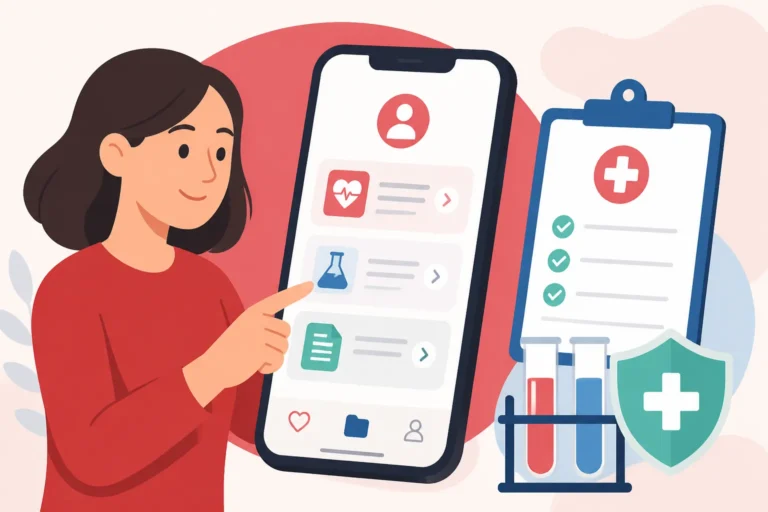
Denmark is one of the most digitized countries in the world, and this extends to your medicine cabinet. Once your GP has issued the prescription, it is uploaded to a "central cloud" called the Fælles Medicinkort (FMK). You don't need a physical piece of paper. You simply walk into any Apotek in the country, scan your yellow card (or your digital health card app), and they will see your active prescriptions.
Apps and Renewals
To keep track of your refills, you should start Using the Medicinkortet App: Managing Your Prescriptions Digitally. This app shows you exactly how many "pills" or "packs" you have left on your current prescription. When you run out, you can often request a renewal directly through the app without having to go back to the doctor's office, provided your blood pressure was checked recently.
If you are looking for a more comprehensive private medical experience outside the public system, providers like Cigna Global offer plans that can sometimes include maternity and reproductive health benefits that go beyond the standard public offering, which is useful if you prefer private gynecologists over a general GP.
Comparison of Contraceptive Costs and Access in Denmark
| Method | Access Requirement | Estimated Cost (3 Months) | Subsidy Eligible? |
|---|---|---|---|
| Combined Pill (Generic) | GP Prescription | 100 – 180 DKK | Rarely |
| Combined Pill (Brand) | GP Prescription | 300 – 500 DKK | No |
| Mini-Pill | GP Prescription | 120 – 200 DKK | No |
| Hormonal Patch | GP Prescription | 350 – 450 DKK | No |
| Vaginal Ring | GP Prescription | 380 – 480 DKK | No |
| Emergency Pill | Over the Counter | 150 – 250 DKK | No |
Alternatives to the Pill in the Danish System
If the daily pill isn't for you, the Danish system is very supportive of Long-Acting Reversible Contraception (LARC). Danish GPs are highly trained in discussing these options as part of Women’s Health: Routine Screenings, Gynecology, and Contraception.
IUDs and Implants
The "Spiral" (IUD) is incredibly popular in Denmark. You can choose between copper (hormone-free) or hormonal versions (like Mirena or Kyleena). The upfront cost is higher—usually between 800 and 1,200 DKK—but it lasts for 3 to 10 years, making it the most cost-effective option in the long run. Most GPs can perform the insertion themselves, but some may refer you to a specialist. For more details on the procedure, check out IUD (Spiral) Insertion in Denmark: Where to Go and How Much It Costs.
Contraceptive Injections
Known as the p-sprøjte, the contraceptive injection is administered once every three months by a nurse at your GP clinic. It is a solid middle ground for those who struggle to remember a daily pill but aren't ready for an IUD. The cost is roughly 250 DKK per injection.
Emergency Contraception and Sexual Health Clinics
If you find yourself in a situation where you need emergency contraception (the morning-after pill), you do not need a prescription or a GP visit. You can walk into any Apotek or even some large supermarkets like Føtex or Bilka and buy it over the counter. It is usually kept behind the counter at the pharmacy, so you will need to ask the staff.
The two main types available are Levonorgestrel (effective up to 72 hours) and Ulipristal acetate (effective up to 120 hours). Be prepared to pay between 150 and 300 DKK depending on the brand. If you are a student or under 25, some municipal sexual health clinics (Sex & Samfund) offer counseling and sometimes free or discounted emergency options, though these are primarily located in larger cities like Copenhagen and Aarhus.
Final Practical Tips for Expats
Navigating a new healthcare system can feel like an uphill battle, especially when it involves something as personal as reproductive health. My biggest piece of advice is to be proactive. Don't wait until you are on your last three pills to book a GP appointment.
- Check your "Min Læge" App: This is the best way to communicate with your doctor via text for simple prescription renewals.
- Bring your history: If you have had side effects from certain brands in the past, tell your GP. They have access to a massive database of alternatives.
- The 90-Day Rule: If you are a non-EU expat, remember that you might have a waiting period before your CPR is active. Having a private option like Cigna Global or a travel-ready plan like SafetyWing ensures you can still see a private doctor during those first few months if you run out of your supply from home.
- The Yellow Card is King: Never go to the pharmacy without it. Even if you have the digital version, some older scanners at local pharmacies still prefer the physical card.
Legal and Medical Disclaimer
The information provided in this guide is for educational and informational purposes only and is based on the author's personal experience and research into the Danish healthcare system as of 2026. This content is not intended to be a substitute for professional medical advice, diagnosis, or treatment. Always seek the advice of your physician or another qualified health provider with any questions you may have regarding a medical condition or before starting any new medication or contraceptive method. Laws and pharmacy regulations in Denmark are subject to change, and you should always verify the latest rules via official government portals such as Borger.dk or Sundhed.dk.