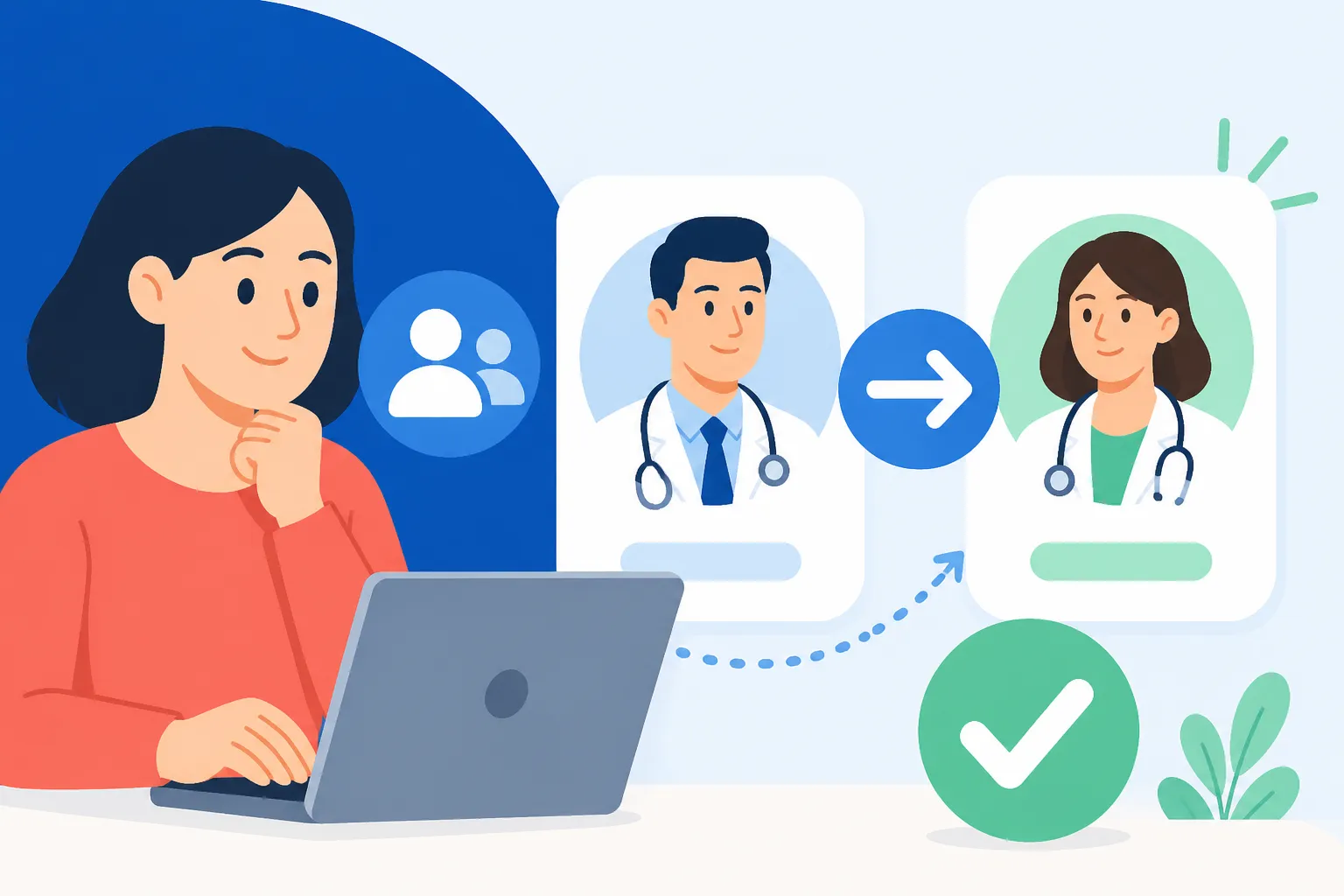
How to Change Your Doctor Online via Borger.dk
You wake up with a persistent cough or a nagging back injury, only to realize your assigned General Practitioner (GP) is located forty minutes away or simply doesn't have an appointment available for three weeks. I spent my first year in Copenhagen trekking across three zones because I thought I was legally tethered to the doctor the municipality chose for me. This guide solves that frustration by walking you through the digital process of choosing a physician who actually fits your life.
Why You Might Want to Change Your GP in Denmark
In the Danish healthcare system, your GP is the absolute gatekeeper to almost every other medical service. Unlike some countries where you can call up a specialist directly, here you generally need a referral for everything from a dermatologist to a physiotherapist. If you do not have a good rapport with your doctor, or if their clinic hours clash with your work schedule, it can become a significant barrier to getting the care you need.
Many expats find that the doctor they were automatically assigned when they first received their CPR number isn't the best fit. Perhaps the clinic is too far from your new apartment, or maybe you prefer a larger clinic with multiple doctors rather than a solo practitioner. I personally found that switching to a clinic closer to my office made it much easier to pop in for a quick blood test during a lunch break, saving me hours of commuting.
Another common reason for switching is the language barrier. While almost all Danish doctors speak excellent English, some clinics are more "expat-friendly" than others. Some have websites and booking systems entirely in English, which can alleviate the stress of navigating a medical crisis in a foreign language. Taking the time to Finding an English-Speaking Doctor: Directories and Local Strategies can make a world of difference in your comfort level.
Before You Begin: Requirements and Costs
Before you dive into the Borger.dk portal, there are a few logistical hurdles to clear. First and foremost, you must have a MitID. This is your digital signature for everything in Denmark, and without it, you cannot access the "Self-Service" (Selvbetjening) sections of government websites.
Secondly, be aware of the 15-kilometer rule. Generally, you must choose a doctor located within 15 kilometers of your registered bopæl (home address). If you live in Copenhagen, Frederiksberg, Tårnby, or Dragør, this distance is often shortened to 5 kilometers due to the density of clinics. You can technically choose a doctor further away, but you must sign a waiver stating that you understand the doctor is not obligated to make home visits, which can be a vital service if you become too ill to leave the house.
Regarding costs, changing your doctor is not always free. If you are moving to a new address, the change is free of charge as part of your address registration. However, if you simply decide you don't like your current doctor and want a new one while staying at the same address, you will typically have to pay a fee of approximately 225 DKK (as of 2026). This fee covers the administrative costs and the issuance of your new physical yellow card.
Step-by-Step Guide: Changing Your Doctor on Borger.dk
The process is remarkably efficient once you know where to click. The Danish government has consolidated most administrative tasks into the Borger portal, but the sheer volume of options can be overwhelming for a newcomer.
Step 1: Logging into Borger.dk
Navigate to the Borger.dk homepage. You will see a search bar; type in "Vælg læge" (Choose a doctor). Click on the primary result, which should take you to the page titled "Valg af læge". You will see a large "Start" button. Once you click this, the system will prompt you to log in using your MitID app or token.
Step 2: Selecting the Person
If you have a family registered at your address, the system will ask who is changing their doctor. You can change it for yourself, your children, or sometimes a spouse if you have the necessary permissions. It is often a good idea to Understanding CPR Registration and Your Healthcare Entitlement before doing this for the whole family, as children under 15 are usually tied to their parent's GP choice.
Step 3: Choosing the Clinic
This is the most critical part of the process. You will be presented with a list or a map of clinics that are currently open for new patients. In Denmark, doctors have a "closed" or "open" status. If a doctor has reached their maximum capacity of patients (usually around 1,600 per doctor), they will appear as "Lukket for tilgang" (Closed for new patients).
I highly recommend doing your research before this step. Don't just pick the one at the top of the list. Look up the clinics on Google, check their individual websites, and see if they offer online booking. Some clinics use the Booking a Doctor's Appointment in Denmark: MinLæge App Guide system, which is incredibly convenient for avoiding long phone queues in the morning.
Step 4: Payment and Confirmation
If a fee is required, the system will redirect you to a payment gateway where you can use a Dankort, Visa, or even MobilePay. Once the payment is confirmed, you will receive a digital receipt in your Mit.dk or e-Boks. This is your proof of the change until your new card arrives.
Understanding Group 1 vs Group 2 Health Insurance
During the online process, you might be asked if you want to remain in "Sikringsgruppe 1" or move to "Sikringsgruppe 2". This is a choice that confuses almost every expat I have ever met.
| Feature | Group 1 (Default) | Group 2 |
|---|---|---|
| GP Access | You must be registered with one specific GP. | You can visit any GP you like without registration. |
| Cost of Consultation | 100% free; covered by the state. | You pay a portion of the fee out of pocket. |
| Referrals | Required for all specialists. | No referral needed for specialists. |
| Specialist Costs | Free with a referral. | You pay the difference between the state subsidy and the specialist's price. |
Most residents choose Group 1 because it is free at the point of service. However, if you are someone who values the freedom to see any specialist immediately and you don't mind paying a few hundred kroner per visit, Group 2 might be for you. For most, staying in Group 1 and perhaps supplementing with Private Health Insurance (Sygeforsikring "danmark"): Is It Worth It? provides the best balance of cost and care.
What Happens After You Change Your Doctor?
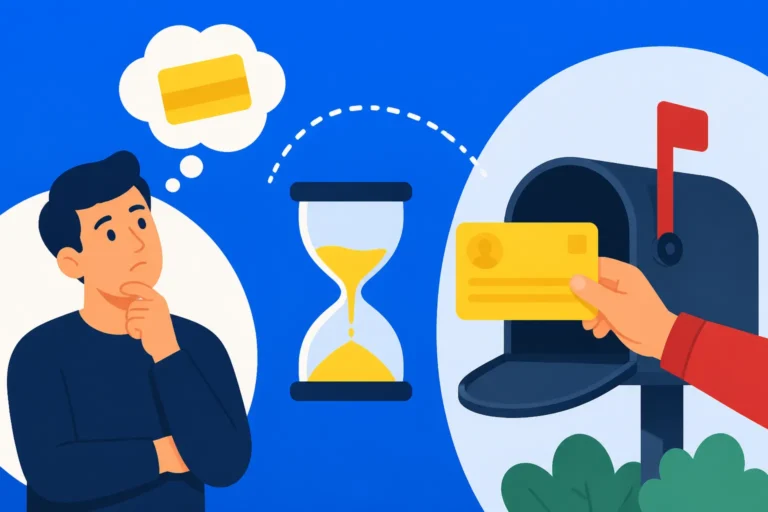
Once you hit submit, the wheels of Danish bureaucracy turn quite quickly. Your new GP choice is registered in the national system almost instantly. However, it can take about two to three weeks for your new physical Yellow Health Card to arrive in your mailbox.
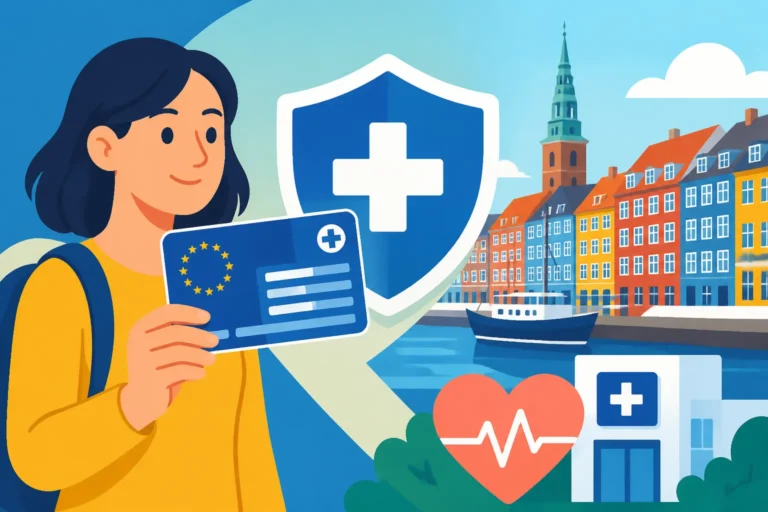
During this transition period, your digital health card in the "Sundhedskort" app will update much faster, usually within 24 hours. It is advisable that people learn How to Download the Sundhedskort App on Your Phone immediately, as it serves as a valid ID at the doctor and pharmacy while you wait for the plastic version.
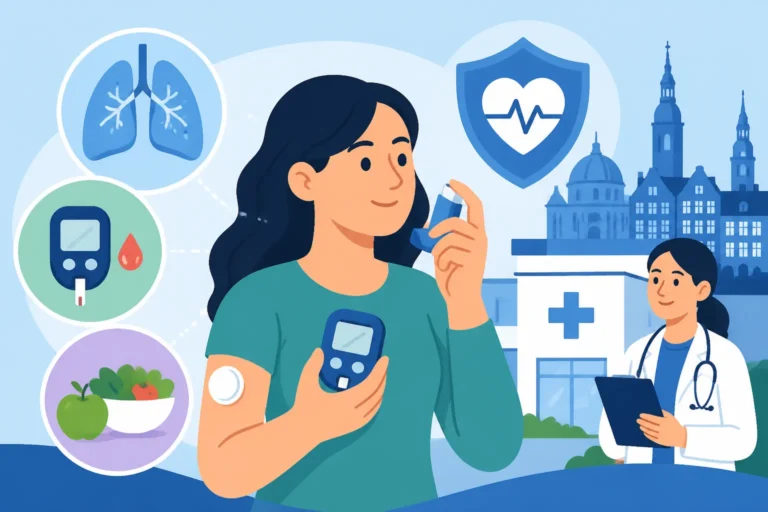
It is important to note that when you change doctors, your medical records do not always follow you automatically in a comprehensive way. While Danish doctors can see your "Medicinkort" (medication history) and certain hospital records via the shared national network, the detailed notes from your previous GP stay with them. You can request that your old doctor sends your records to the new one, which is highly advisable if you are Managing Chronic Conditions (Diabetes, Asthma) in the Danish System.
When the Public System Isn't Enough: Private Alternatives
While the Danish public system is world-class, the wait times for certain non-emergency procedures can be long. This is where contextual solutions like Cigna Global or SafetyWing come into play for many foreigners.
If you are a digital nomad or an expat in a transition period (for example, waiting for your CPR number to be processed), you might find yourself without a yellow card for several weeks. In these cases, having a policy from SafetyWing can bridge the gap, ensuring you aren't paying thousands of kroner out of pocket for an emergency room visit.
For those who want to skip the GP referral system entirely and head straight to private hospitals for elective surgeries or specialized diagnostics, a more robust plan from Cigna Global can offer a layer of "concierge" health care that the public system isn't designed to provide. Even if you have changed your GP on Borger.dk to the best one in town, sometimes the public waiting lists are simply too long for comfort.
Common Pitfalls to Avoid
One of the biggest mistakes I see people make is changing their doctor right before they need a specific referral. If you have been seeing "Doctor A" for a chronic issue and then switch to "Doctor B" on a Monday, don't expect Doctor B to write you a specialist referral on Tuesday without an initial consultation. They will want to meet you and perform their own assessment first.
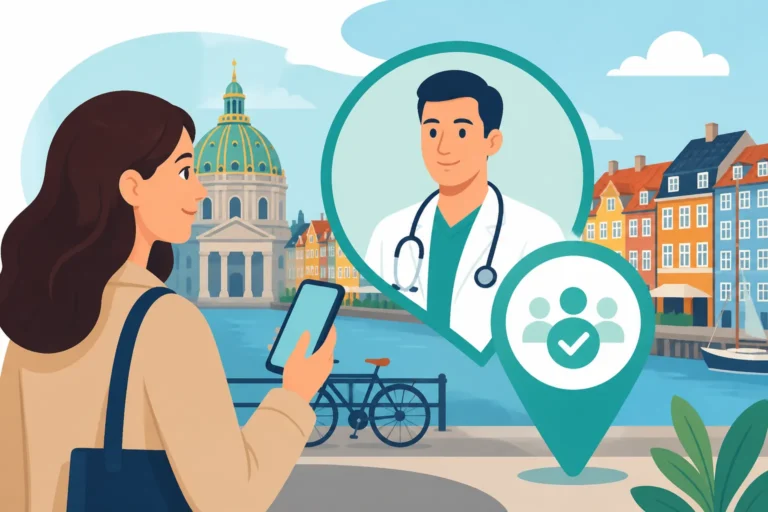
Also, be aware of the "closed" status of popular clinics. In cities like Aarhus and Copenhagen, the best-rated clinics are often closed to new patients for months at a time. If you have your heart set on a specific doctor, you may need to check the Borger.dk portal periodically to see if they have opened up. To save time, you can learn How to Find a GP Accepting New Patients in Copenhagen or your respective city through local community groups who often post when a popular clinic opens its list.
Finally, remember that the "Yellow Card" is your most valuable piece of plastic in Denmark. If you move, the system will prompt you to change your doctor as part of the address change. Don't skip this step! Failing to register a local doctor after a move can result in you being assigned to someone miles away, forcing you to go through the whole paid process again later. You should also know What to Do If You Lose Your Yellow Health Card in Denmark just in case the new one goes missing in the mail.
Final Thoughts on Navigating the Digital Transition
Changing your doctor online is a small but powerful way to assert control over your life in Denmark. It moves you from being a passive recipient of the state's choices to an active participant in your own wellbeing. Whether you are looking for a doctor who speaks your native language, a clinic that is easier to reach by bike, or simply a fresh start with a new medical professional, the Borger.dk portal makes it possible in just a few clicks.
If you are still waiting for your CPR number or are worried about coverage in the meantime, remember that you can still access care. You might want to read about Can You Go to the Doctor in Denmark Without a CPR Number? to understand your rights in those "in-between" months. Denmark's system is built on trust and digital efficiency—once you master the portals, the "administrative hurdles" start to feel much lower.
Disclaimer
This guide is for informational purposes only and does not constitute legal or medical advice. The Danish healthcare system and the digital portals like Borger.dk are subject to updates and policy changes. Always consult official government sources or your local municipality (Kommune) for the most current regulations and fees. External insurance providers mentioned are private entities and are not affiliated with the Danish public health authorities.