How to Buy Alcohol in Denmark: Age Limits and Supermarket Rules
Arriving in Denmark, whether you're here for work, study, or just a visit, you'll quickly notice that things operate a little differently from back home. One common area of mild confusion, often coupled with a dose of sticker shock, is figuring out the local rules around buying alcohol. Many expats arrive with assumptions based on their home countries – state-run monopolies, specific hours, or strict public drinking laws – only to find Denmark has its own unique, often surprisingly liberal, approach. This guide is here to demystify everything you need to know about purchasing alcohol in Denmark, from age limits and where to find your favorite tipple to understanding the prices and local drinking culture.
The Basics of Alcohol Purchase in Denmark: Age and Where to Buy
When you first land in Denmark, especially if you're coming from a country with stricter alcohol laws, the relatively relaxed atmosphere can be a bit surprising. However, there are still rules, and knowing them will save you any awkward moments at the checkout.
Minimum Age Requirements
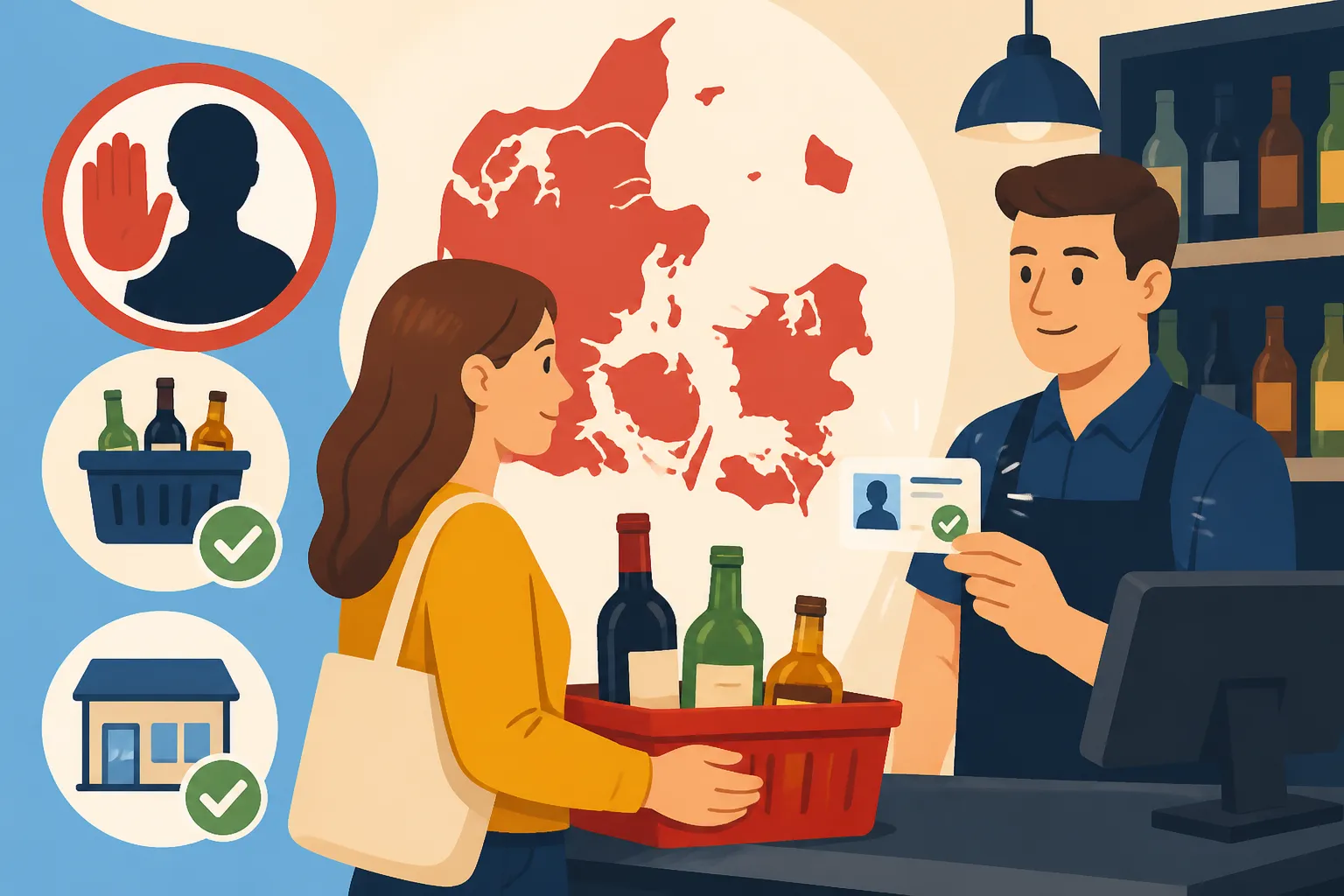
This is where it gets a little nuanced, so pay close attention. In Denmark, there isn't a single blanket age for all alcohol purchases. Instead, it's divided by alcohol content:
- 16 years old: You can legally buy alcoholic beverages with an alcohol content of up to 16.5% ABV (alcohol by volume). This generally includes most beers, ciders, and wines. So, if you're a young student exploring Copenhagen's nightlife or simply want to grab a beer after class, as long as you're 16, you're good to go for these lower-alcohol options. This rule applies in supermarkets, kiosks, and even when ordering drinks in bars and restaurants.
- 18 years old: For anything above 16.5% ABV, you need to be 18 years old. This covers spirits like vodka, gin, rum, whiskey, and stronger liqueurs. This is the age you'll need to hit if you're planning on mixing cocktails at home or buying a bottle of schnapps for a traditional Danish lunch.
It’s crucial to remember this distinction. Staff in stores and bars are legally obliged to ask for ID if they suspect you're under the age limit. Always carry a valid form of identification, like your passport, driver's license, or your Danish residence card, to avoid any hassle. Trust me, it’s not worth the embarrassment (or potential fine for the vendor) to try and bluff your way through.
Where Can You Buy Alcohol?
Unlike some of our Nordic neighbors with their state-controlled alcohol monopolies (Systembolaget in Sweden or Vinmonopolet in Norway, for example), Denmark boasts a much more open market. This means convenience, but also a wider array of choices that can be overwhelming at first.
You can buy alcohol in most places you'd expect, and then some:
- Supermarkets: This is by far the most common place. From the discount chains like Netto and Rema 1000 to larger stores like Føtex and Meny, all supermarkets stock a wide range of beers, wines, and often spirits. The alcohol sections are usually clearly marked and integrated into the store, making it easy to grab what you need alongside your groceries. You’ll find some great deals, especially on Danish beers, and a decent selection of international wines. You can learn more about where to get your daily essentials in our guide on Supermarkets in Denmark: Netto, Rema 1000, and Føtex Compared.
- Kiosks and Corner Shops: These smaller shops, often open late, are a lifesaver for last-minute purchases. They usually carry a selection of beers, ciders, and sometimes basic wines. Prices might be a little higher than in supermarkets, but the convenience, especially after regular store hours, is often worth it.
- Specialty Stores: For those seeking something specific, Denmark has a growing number of specialized shops. You'll find dedicated wine shops (vinhandel), craft beer stores (ølbutik), and even some spirit-focused stores, particularly in larger cities. These places offer expert advice and a much broader selection than your average supermarket. Many local microbreweries also have their own retail outlets.
- Bars, Pubs, and Restaurants: Of course, you can purchase and consume alcohol on-site at any licensed establishment. The variety here is endless, from traditional bodegaer (pubs) to trendy cocktail bars and Michelin-starred restaurants.
Common Misconceptions and Local Nuances
One thing that often surprises newcomers is the legality of public drinking. Generally, it's legal to drink alcohol in public spaces in Denmark, such as parks, beaches, and on the street. This isn't universally true in many countries, so it adds to the relaxed vibe you might encounter during the summer months. However, there are exceptions:
- Specific local bylaws: Some municipalities or specific areas might have local regulations prohibiting public drinking, especially during certain events or in designated problem areas. Look out for signage.
- Disruptive behavior: While drinking in public is allowed, public intoxication, disturbing the peace, or causing a nuisance is absolutely not. The police can and will intervene if your behavior crosses the line.
- Public transport: While not explicitly illegal in all cases, drinking openly on public transport (like the S-train or Metro) is generally frowned upon and can lead to issues with staff or other passengers, even if not a direct legal offense. It's usually best to keep it discreet or avoid it.
For many expats, adjusting to these local nuances is part of the journey. Whether you're researching potential rental properties through platforms like Spotahome or simply trying to get around, understanding these small cultural codes can make your integration much smoother.
Navigating Danish Supermarkets and Stores for Alcohol
The supermarket experience in Denmark is quite straightforward, but knowing what to expect can make your first few alcohol runs less bewildering.
Supermarket Alcohol Sections
When you walk into a Danish supermarket, the alcohol section usually won't be tucked away in a separate, controlled area. It's typically integrated with other beverages or has its own dedicated aisle.
- Beer: This is often the largest section. You'll find a massive selection of Danish beers from major breweries like Carlsberg and Tuborg, alongside a growing array of craft beers from smaller, independent breweries. You'll also see popular international brands. The prices for a standard lager are generally reasonable, especially if you buy multi-packs or during sales.
- Wine: The wine selection can range from basic, everyday bottles in discount stores like Netto and Rema 1000 to more sophisticated international wines in larger chains like Føtex and Meny. Many Danish supermarkets have dedicated wine advisors or sections that highlight organic or regional options. Don't be shy to explore; there are often hidden gems!
- Spirits: Most larger supermarkets will carry a decent selection of common spirits – vodka, gin, rum, whiskey, and various liqueurs. Again, prices tend to be higher than in some other countries due to taxes, but you can still find good value. For a truly extensive range of spirits, you might want to consider a specialty shop.
- Cider and Ready-to-Drink (RTD) options: These are also widely available, catering to different tastes and preferences, particularly popular during the warmer months.
When you're comparing stores, remember that prices and selection can vary quite a bit. For your everyday necessities, Netto and Rema 1000 are great for budget-friendly options, while stores like Føtex, Bilka, and Meny offer a broader, often higher-quality selection, including organic produce and specialty items, alongside their alcohol offerings. Exploring these different options is part of understanding the overall Cost of Living in Denmark 2026: Budgets for Singles and Families.
Specialty Shops and Breweries
While supermarkets cover most needs, if you're a connoisseur or looking for something truly unique, specialty shops are your go-to.
- Wine Stores (Vinhandel): These independent shops often import wines directly, offering a curated selection that you won't find in supermarkets. The staff are usually incredibly knowledgeable and can help you find the perfect bottle for any occasion or budget.
- Craft Beer Shops (Ølbutik): Denmark has a thriving craft beer scene. These shops showcase local microbreweries as well as international craft beers. They're a fantastic place to discover new favorites and engage with other beer enthusiasts. Many small towns and Copenhagen neighborhoods have their own gems.
- Breweries and Distilleries: Several Danish breweries, like Mikkeller or To Øl, have their own bars and shops where you can buy their full range directly. There are also a growing number of small distilleries producing local gins, schnapps, and whiskeys. Visiting these places offers not just a purchase, but an experience.
It's a common misconception, particularly for those coming from Scandinavia, that Denmark has a state monopoly like Systembolaget. Rest assured, you can buy virtually any alcoholic beverage directly from private retailers, which means much more flexibility and competitive pricing within the private sector.
Opening Hours and Holiday Restrictions
This is another area where you might need to adjust your expectations, especially if you're used to 24/7 shopping.
- Standard Supermarket Hours: Most supermarkets open between 7-8 AM and close between 8-10 PM on weekdays. On Saturdays, they often close a bit earlier, around 6-8 PM.
- Sunday Shopping: Traditionally, Sunday trading was restricted, but nowadays, most larger supermarkets are open on Sundays, often from 8 AM or 9 AM until 6 PM. However, smaller stores, convenience stores, and kiosks may have different hours.
- Public Holidays: This is where it gets tricky. On major public holidays in Denmark, many stores, including supermarkets, will be closed entirely or operate on heavily reduced hours. Planning ahead is key, especially around Christmas, New Year's, Easter, and Ascension Day. Our detailed guide on Public Holidays in Denmark 2026: When Supermarkets Are Closed will give you the full rundown. If you're relying on your phone for quick checks on these days, having a reliable eSIM from a provider like Airalo can be incredibly useful to look up store hours or find the nearest open kiosk.
- Kiosk/Convenience Store Hours: These smaller shops and petrol stations often have longer opening hours, sometimes even 24/7, making them your best bet for late-night or holiday alcohol purchases. Just remember, the prices will reflect this convenience.
Pricing, Taxes, and What to Expect on Your Bill
Alright, let's talk about the elephant in the room: the price. Denmark isn't known for being a cheap country, and alcohol is certainly no exception.
The Cost of Alcohol in Denmark
Be prepared for higher prices than you might be used to, particularly if you're from Southern Europe or the Americas. This is largely due to Denmark's high excise duties and VAT (moms) on alcoholic beverages.
- Beer: While still expensive compared to many countries, beer is generally the most affordable alcoholic option. A standard 0.5-liter can or bottle of domestic lager in a supermarket might cost anywhere from 8-20 DKK, depending on sales and brand. Craft beers will naturally be more expensive. In a bar, expect to pay 40-70 DKK for a pint.
- Wine: Supermarket wines start from around 40-50 DKK for a basic bottle, but good quality wines will quickly climb to 80-150 DKK or more. Specialty wine shops will, of course, have much higher-end selections.
- Spirits: This is where the price jump is most noticeable. A standard 0.7-liter bottle of vodka or gin can easily cost 150-300 DKK, with premium brands much higher. Many expats find spirits particularly painful on the wallet.
This high cost of alcohol is a significant factor contributing to the overall Cost of Living in Denmark 2026: Budgets for Singles and Families. Many Danes and long-term expats often opt for buying alcohol in bulk across the German border, where prices are significantly lower, making a weekend trip a worthwhile investment if you have a car. This is especially true for items like wine and spirits. Consider also if you are Commuting from Malmö to Copenhagen: Cross-Border Working Rules as this opens up avenues for cheaper alcohol in Sweden, though less dramatically cheaper than Germany.
Understanding Pant (Deposit) on Bottles and Cans
Before you get to the checkout, you'll notice an extra charge on your bill for many beverage containers. This is called pant, which is Denmark's mandatory deposit-return system. It's a fantastic initiative for recycling and environmental protection, and it's easy to get your money back.
- How it works: When you buy a drink in a plastic bottle, glass bottle, or aluminum can with the pant logo (a small bottle or can icon with the letter A, B, or C inside), you pay a small deposit (typically 1 DKK, 1.50 DKK, or 3 DKK, depending on the container size/type).
- Getting your pant back: Once you've finished your drink, don't throw the container away! Most supermarkets have automated pant machines (called pantautomater) where you can return your empties. You feed the bottles and cans into the machine, it scans them, and then issues a receipt. You take this receipt to the checkout, and the amount is deducted from your grocery bill or given back to you in cash.
- Important: Make sure the containers are relatively clean and undamaged, and that the barcode is readable, otherwise the machine might not accept them. This system is a core part of Danish waste management, and understanding it is key to avoiding unnecessary costs and contributing positively to the local environment. Our detailed guide on Understanding the "Pant" System: Getting Money Back for Bottles provides even more insights.
Strategies for Saving Money
Given the high prices, many expats quickly learn clever ways to mitigate the cost of alcohol.
- Cross-border shopping: As mentioned, a trip to Germany (Flensburg is a popular destination) can save you a significant amount on beer, wine, and spirits. Many Danes make this journey regularly to stock up.
- Look for sales: Supermarkets frequently have sales (tilbud) on beer and wine. Keep an eye on weekly flyers or apps like 'eTilbudsavis' to spot deals. Sometimes you can find discounts on specific brands or multi-buy offers.
- Duty-free: If you're flying in or out of Denmark, utilize duty-free shops at airports. For spirits especially, this can offer substantial savings.
- Homebrewing: For beer enthusiasts, homebrewing can become a surprisingly cost-effective (and fun!) hobby in Denmark, given the price of commercial beers.
Cultural Aspects and Social Drinking Norms
Beyond the legalities and logistics, understanding the Danish approach to alcohol and social drinking can help you integrate and feel more comfortable in your new home.
Public Drinking Etiquette
While legal, Danish public drinking is generally done with a sense of moderation and respect.
- Parks and beaches: These are popular spots for picnics and casual drinks, especially in summer. It’s common to see groups of friends enjoying a beer or a bottle of wine.
- City squares and streets: People often grab a beer or a drink from a kiosk and enjoy it while walking around or sitting in public squares. This is particularly common in vibrant areas like Nyhavn in Copenhagen.
- Respectful consumption: The key is to be discreet and respectful of others. Blaring music, shouting, or leaving a mess will definitely attract negative attention, even if you’re not breaking a specific law. Keep your empties for pant return!
Hygge and Alcohol
Hygge is that quintessentially Danish concept of coziness, comfort, and conviviality, and alcohol often plays a supporting role.
- Social lubricant: A glass of wine with dinner, a beer during a Fredagsbar (Friday bar) with colleagues (a hugely important part of Danish Work Culture: Flat Hierarchies, Hygge, and Direct Communication), or a warm gløgg (mulled wine) during Christmas is all part of creating hygge. It’s about enhancing the atmosphere, not necessarily about getting drunk.
- Moderation is key: Danes appreciate good company and good drinks, but generally, public drunkenness is not particularly celebrated or seen as hyggeligt. It’s about enjoying the moment and the company, and alcohol serves as an accompaniment. This also extends to workplace social gatherings, where Fredagsbar (Friday Bar): The Importance of Socializing With Danish Colleagues often involves alcoholic drinks, but professional conduct is still expected.
Avoiding Problems
While Denmark has a relaxed attitude, responsible consumption is always paramount.
- Know your limits: Alcohol affects everyone differently. Be aware of how much you're drinking, especially with unfamiliar European alcohol strengths.
- Transportation: Don't drink and drive, ever. Denmark has very strict drunk driving laws and penalties. Public transport is excellent, particularly in larger cities like Copenhagen and Aarhus. The Rejsekort, Trains, and Commuting system makes it easy to get around safely after a night out. If you end up having too much to drink and creating a scene on public transport, you could face Getting a Fine on the Train (Kontrolafgift): How to Appeal.
- Dehydration: Especially in summer, remember to hydrate with water alongside alcoholic drinks.
- Coping with winter: The long, dark Danish winters can be challenging, and while alcohol might offer a temporary escape, it's not a healthy long-term solution. Seek out community, light therapy, and other strategies for Tips for Surviving the Short Daylight Hours of Danish December.
| Alcohol Type | Minimum Purchase Age | Common Purchase Locations | Average Supermarket Price (DKK, approx.) |
|---|---|---|---|
| Beer (up to 16.5% ABV) | 16 | Supermarkets, Kiosks, Bars | 8-20 DKK (0.5L can/bottle) |
| Wine (up to 16.5% ABV) | 16 | Supermarkets, Wine Shops, Restaurants | 40-150+ DKK (750ml bottle) |
| Cider (up to 16.5% ABV) | 16 | Supermarkets, Kiosks, Bars | 10-25 DKK (0.5L bottle) |
| Spirits (above 16.5% ABV) | 18 | Supermarkets, Specialty Spirit Shops, Bars | 150-300+ DKK (0.7L bottle) |
| Strong Beer (above 16.5% ABV) | 18 | Supermarkets, Specialty Beer Shops, Bars | 25-60+ DKK (0.33L-0.5L bottle) |
Navigating alcohol purchases in Denmark is generally a straightforward affair once you understand the age limits and the pant system. While the prices can be a bit of a shock, the wide availability and generally relaxed public consumption laws offer a freedom that many expats appreciate. So, go forth, explore the local beers, wines, and spirits, and enjoy responsibly – perhaps while looking for your next apartment on Spotahome or checking public transport times with your Airalo eSIM on your phone. Skål!
Disclaimer
The information provided in this guide is for general informational purposes only and does not constitute legal advice. While we strive to keep the information up-to-date and accurate, laws and regulations regarding alcohol sales and consumption in Denmark can change. Always refer to official government sources (such as those from SIRI or Borger.dk) for the most current and authoritative information. Individual experiences may vary, and we recommend exercising personal judgment and responsibility when consuming alcohol.