Understanding the “Pant” System: Getting Money Back for Bottles
When you first arrive in Denmark, it feels like there's an endless checklist of things to figure out. From deciphering official mail that lands in your e-Boks to navigating the labyrinthine process of getting your CPR Registration Rule: Why Your Address Matters, the daily rhythm of life here can be a mystery. And then there are the smaller, but equally baffling, things – like what to do with all those empty drink bottles and cans. You might notice your Danish colleagues or neighbors meticulously collecting theirs, heading to the supermarket with what seems like a secret mission. Well, my friend, that secret is called "Pant," and this guide is here to demystify Denmark's unique deposit-return system, helping you not only contribute to the country's impressive sustainability efforts but also put a little bit of cash back in your pocket.
What Exactly is the "Pant" System?
For many newcomers, the idea of paying extra for a drink and then having to return the bottle to get that money back is entirely foreign. But in Denmark, the "Pant" system is a deeply ingrained part of daily life, reflecting a broader national commitment to environmental responsibility. It's more than just recycling; it's a circular economy in action, designed to ensure that almost every single beverage container finds its way back into the loop.
The Philosophy Behind Denmark's Recycling Culture
Danes are, by and large, incredibly environmentally conscious. This isn't just a political talking point; it's woven into the fabric of society, from the widespread adoption of Danish Cycling Culture: Rules, Buying a Bike, and Safety to the meticulous Garbage Sorting in Denmark: Bio-waste, Plastic, and Pant Systems required in most homes. The "Pant" system is a shining example of this mindset. It’s built on the principle of collective responsibility: everyone who buys a beverage is expected to participate in its return, minimizing waste and maximizing resource efficiency.
You see, the small deposit you pay isn't just a fee; it's an incentive. It’s a tangible financial reason to do the right thing, transforming what might otherwise be litter into a valuable resource. This isn't about shaming you into recycling; it's about making it economically sensible and environmentally impactful, creating a system where returning your empty bottle feels less like a chore and more like claiming what's rightfully yours, all while doing good for the planet.
How "Pant" Works: A Step-by-Step Breakdown
The concept is quite straightforward, even if the execution can sometimes feel a bit bewildering at first. Here’s how it generally plays out:
- Purchase: When you buy a drink in a recyclable bottle or can (think soda, beer, bottled water, juice boxes with the pant label), a small deposit, known as "pant," is automatically added to the price. This amount isn't hidden; it's typically itemized on your receipt.
- Enjoy: Go ahead, quench your thirst!
- Collect: Once your beverage is empty, don't just toss the container. Rinse it out if it was sticky, but most importantly, keep it intact. A crushed or severely damaged bottle might not be recognized by the return machines.
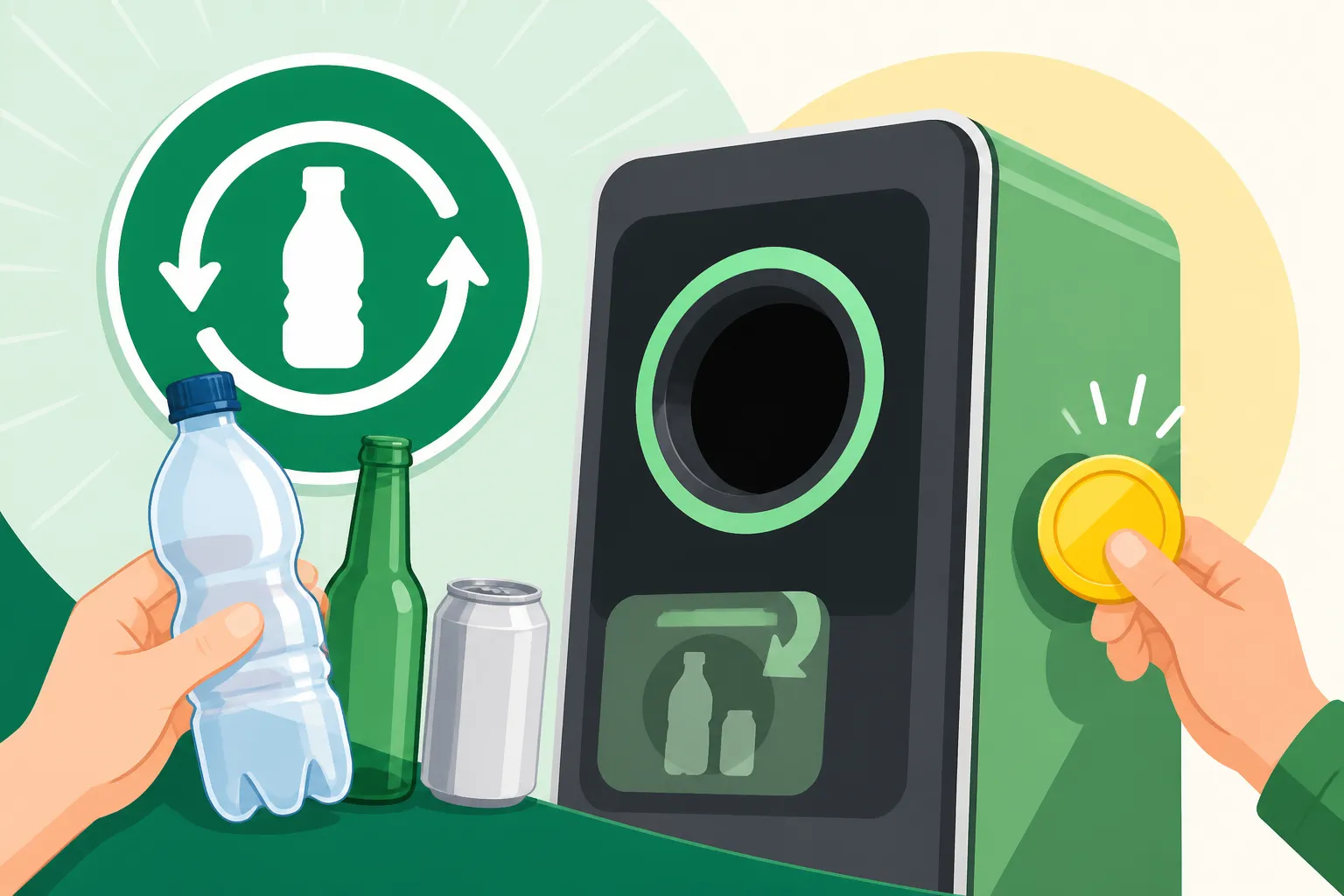
- Return: Gather your empty, pant-eligible containers and head to a "pantautomat" (a reverse vending machine) usually found at most supermarkets. These machines scan the barcode and shape of the container to confirm its eligibility and pant value.
- Refund: After you've fed all your bottles and cans into the machine, it will issue a receipt. This receipt shows the total pant value you've accumulated. You can then take this receipt to the checkout counter to receive the amount in cash or, more commonly, have it deducted from your current grocery bill. It's like finding money in your couch cushions, but with a much cleaner conscience!
Identifying "Pant" on Bottles and Cans
One of the first hurdles for expats is knowing which containers are actually part of the system. You'll quickly learn to look for a distinct symbol: a circular arrow logo with "DANSK RETURSYSTEM" written around it. This is your golden ticket. Below or next to this logo, you'll also see a letter and a number, indicating the specific pant category and its value:
- Pant A: This category usually applies to smaller plastic bottles (up to 0.5 liters) and most aluminum cans. The value for Pant A is 1.00 DKK. Think of your standard soda cans or small water bottles.
- Pant B: This is for medium-sized plastic bottles, typically ranging from 0.5 liters up to 1 liter. For Pant B containers, you'll get back 1.50 DKK. Many soft drink bottles fall into this category.
- Pant C: The highest value pant category, Pant C is reserved for larger plastic bottles, generally 1 liter and above. Each Pant C bottle will net you 3.00 DKK. These are often the big family-sized soda bottles.
It's crucial to understand that not all bottles or cans are part of the Danish pant system. For instance, most wine bottles, spirit bottles, or certain imported beverages that don't have the "Dansk Retursystem" logo are not eligible for a refund. These should still be recycled, of course, but through your regular glass or plastic waste bins, not the pant machine. Always check for the logo; it's your definitive guide!
Where to "Pant" Your Bottles and Cans
Once you've diligently collected your empty containers, the next step is finding a place to return them. Thankfully, Denmark has made this process incredibly accessible, primarily through its ubiquitous supermarket "pantautomater."
Supermarket Machines (Pantautomater)
These are, by far, the most common and convenient places to return your pant. You’ll find them in virtually every major supermarket chain across Denmark, from the budget-friendly Netto and Rema 1000 to larger stores like Føtex, Meny, Coop 365, and Bilka. They're usually located near the entrance or exit, sometimes in a designated recycling area that might smell faintly of stale beer – a truly authentic Danish experience!
Using a pantautomat is pretty straightforward:
- Insert one by one: The machines are designed to scan each item individually. Don't try to shove multiple bottles in at once; it'll just cause a jam and a lot of flashing red lights, which is not what you want when there's a queue forming behind you!
- Keep them intact: As mentioned earlier, the machine needs to read the barcode and recognize the container's shape. Crushed or heavily dented items are often rejected. Give them a quick reshape if they’ve been squashed.
- Caps off or on?: Most modern machines are fine with caps on, but if you encounter issues, try removing them. Some municipalities even prefer caps removed for separate plastic recycling. It's a small detail, but can save you a frustrating rejection.
- Patience is key: Sometimes the machines are full, or they jam, or they just seem to be in a grumpy mood. It happens. Take a deep breath. It’s part of the charmingly inefficient dance of Danish daily life. If a machine is truly out of order, you might need to try another one or ask a staff member for assistance, although they might just point you to the next available machine.
Once you’ve fed all your items, the machine will print a receipt. You then take this to the cash register. You can choose to get the money back in cash or, as most Danes do, have it subtracted from your grocery bill, effectively reducing your shopping cost. It's a nice little bonus, especially when you're managing a tight Cost of Living in Denmark 2026: Budgets for Singles and Families.
Manual Returns
While the machines handle the vast majority of returns, there are a few instances where you might encounter manual returns. Smaller kiosks, convenience stores, or independent corner shops might accept a few bottles by hand. However, their capacity is often limited, and they might only accept types of bottles or cans that they specifically sell. If you only have one or two items and the machine is out of order or far away, this can be a viable option. Just don't show up with a giant bag of empties expecting a manual count; you'll likely be directed back to the pantautomat!
Larger Recycling Centers
Denmark also has extensive larger recycling centers, known as "genbrugsstationer," which are run by municipalities. These are fantastic resources for handling items beyond your daily household waste – think old electronics, furniture, garden waste, hazardous materials, and large quantities of paper, cardboard, and glass (especially non-pant glass like wine bottles or jam jars).
However, it's important to note that these centers are generally not where you go to return your pant-eligible beverage containers for a refund. They are for general recycling, not for recovering your deposit. If you're looking to dispose of larger items, or materials that aren't picked up curbside, these centers are invaluable for maintaining Denmark’s clean environment. For guidance on those bigger items, check out our guide on Storskrald: How to Throw Away Furniture and Large Garbage Legally.
Troubleshooting Common "Pant" Problems and Maximizing Your Returns
Getting your pant back should be a straightforward process, but like anything new, it comes with its own set of quirks and potential frustrations. Don't worry, you're not alone if a machine rejects your perfectly good bottle – it happens to the best of us!
The Crushed Bottle Conundrum
This is perhaps the most common frustration for new expats. You've diligently saved your empties, carried them all the way to the supermarket, and then, zap, the machine rejects your bottle. Often, the culprit is a crushed or severely dented container. The pantautomats rely on a scanner that reads the barcode and also identifies the bottle's shape and size. If it's too distorted, the machine can't process it.
- Tips for Success: Try to store your bottles and cans so they don't get squashed. If a bottle is slightly dented, try to gently pop it back into shape before inserting it into the machine. A little care goes a long way.
- What if it's rejected?: If a bottle or can is consistently rejected and you can't restore its shape, you essentially lose its pant value. Don't just throw it away, though! You can still put it in the general recycling bins for plastic or metal, ensuring it doesn't end up as litter, even if you don't get your deposit back.
Understanding Different "Pant" Labels and Foreign Bottles
Another common mistake is trying to return bottles that aren't actually part of the Danish pant system. Many expats, myself included, have stood there fruitlessly trying to feed a bottle from a trip to Germany or Sweden into a Danish pantautomat, only to be met with blinking error messages.
- Only Danish Pant: The machines are specifically programmed to recognize the "Dansk Retursystem" logo and associated barcodes. Any beverage container from another country, even if it has a similar deposit system in its home country, will not be accepted in Denmark.
- Special Bottles: Occasionally, you might encounter locally produced craft beers or specialty drinks that use unique glass bottles. These might have their own return system directly with the producer (less common), or simply no pant at all. Again, always look for the "Dansk Retursystem" logo to be sure. If it's not there, assume it's regular glass recycling, not a pant return.
The Monetary Value of Your Efforts
While each individual pant return might seem small, the values do add up, especially if you're a regular consumer of bottled drinks. Here’s a quick overview of what you can expect to get back:
| Pant Type | Container Size / Type | Value (DKK) |
|---|---|---|
| Pant A | Small plastic bottles (up to 0.5L), most cans | 1.00 |
| Pant B | Larger plastic bottles (0.5L to 1L) | 1.50 |
| Pant C | Very large plastic bottles (1L and up) | 3.00 |
Imagine a family of four who regularly drinks soda and bottled water. If they consume, say, 20 Pant A cans, 10 Pant B bottles, and 5 Pant C bottles in a week, that's already:
(20 * 1.00) + (10 * 1.50) + (5 * 3.00) = 20 + 15 + 15 = 50 DKK.
Over a month, that's 200 DKK, and over a year, that's a respectable 2,400 DKK! That's real money that can go towards groceries, a nice meal out, or even contribute to your Danish Pension System: Folkepension, ATP, and Employer Contributions savings. In a country known for its high costs, every little bit helps, and panting is one of the easiest ways to shave a bit off your expenses. You can take the money out in cash, or use it towards your bill. When it comes to paying for things in Denmark, be ready for a largely cashless society where MobilePay and Cashless Denmark: Surviving Without Physical Cash is the norm, so expect to deduct it from your grocery bill rather than getting physical coins.
Beyond Bottles: Other Danish Recycling Quirks
The pant system is just one facet of Denmark’s comprehensive approach to waste management. You'll quickly discover that recycling here is far more rigorous than in many other countries. For example, Garbage Sorting in Denmark: Bio-waste, Plastic, and Pant Systems means you’ll have separate bins for food waste, paper, plastic, metal, and glass (for non-pant items). It might seem like a lot of effort at first, but it quickly becomes second nature. It's all part of the Danish commitment to a greener future.
The Broader Impact and Expat Experience of "Pant"
Understanding and participating in the "Pant" system is more than just a logistical exercise; it's a small but significant step in integrating into Danish society and appreciating the values that underpin it.
Saving Money and Contributing to Sustainability
Let's be honest, living in Denmark can be expensive. From rent that you might have found via platforms like Spotahome – which can be a real help for finding longer-term rentals and getting settled – to daily groceries at your local Supermarkets in Denmark: Netto, Rema 1000, and Føtex Compared, your wallet takes a hit. The "Pant" system offers a genuine, albeit modest, way to mitigate some of those costs. Those accumulated kroner from your empties can feel like a pleasant surprise, especially when you're trying to stick to a Cost of Living in Denmark 2026: Budgets for Singles and Families.
Beyond the personal financial gain, your participation has a massive environmental impact. Denmark boasts one of the highest return rates for beverage containers in the world, consistently over 90%. This means less litter in beautiful Danish landscapes, fewer raw materials extracted, and significant energy savings in manufacturing new containers. By engaging with the pant system, you're directly contributing to Denmark's impressive environmental goals and playing a part in making your new home a cleaner, greener place. It’s a tangible way to feel like you’re making a positive difference, right from day one.
Pant as a Cultural Integration Point
Initially, the "Pant" system might feel like another administrative hurdle in a long list of them. But over time, it becomes more than just a task; it becomes a subtle point of connection to Danish culture and its collective ethos. You'll see Danes of all ages diligently collecting and returning their bottles, often with a practiced efficiency. It's a shared ritual, a quiet agreement to uphold a standard of civic responsibility.
Learning to navigate the pant machines, understanding the different categories, and even experiencing the occasional machine jam are all small, shared experiences that slowly weave you into the fabric of daily Danish life. It teaches you a bit about patience, meticulousness, and the Danish preference for systems that work for the common good. These small daily rituals, like panting, are part of truly achieving Social Integration: Making Friends and Understanding Danish Etiquette and understanding the subtle norms of your new country.
When you first arrive, trying to understand these systems, find your way around, and even locate the nearest pant machine, having reliable connectivity is crucial. Services like Airalo can be incredibly helpful for expats, offering eSIMs that get you connected instantly without the hassle of finding a physical SIM card. This means you can easily navigate with maps or quickly look up "how to pant" instructions right from your phone, making those initial confusing moments a little less stressful.
Ultimately, the "Pant" system is a microcosm of Denmark itself: efficient, environmentally conscious, and designed for collective benefit. It might take a little getting used to, but once you embrace it, you'll find it's a satisfying routine that saves you money and helps keep Denmark beautiful. Velkommen til Danmark!
Disclaimer
The information provided in this guide is for general informational purposes only and does not constitute legal, financial, or professional advice. While we strive to ensure the accuracy and timeliness of the content, laws, regulations, and procedures in Denmark can change. Always consult official government sources, legal professionals, or relevant authorities for the most current and specific information pertaining to your individual situation. We assume no responsibility for any errors or omissions, or for any actions taken based on the information provided herein.