Vaccinations in Denmark: The Childhood Immunisation Programme
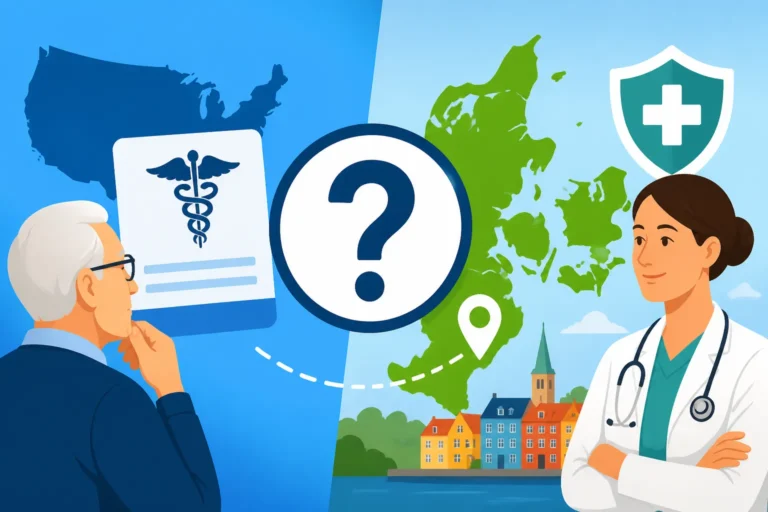
Moving your family to a new country involves a mountain of paperwork, but few things feel as high-stakes as ensuring your children’s health records align with local requirements. I remember the frantic calls to my pediatrician back home, trying to decode scribbled notes on a tattered vaccine card while staring at a Danish form I couldn't yet read. This guide breaks down the Danish childhood immunisation programme, helping you navigate the transition from your home country’s schedule to the Danish system with confidence and ease.
Understanding the Danish Childhood Vaccination Philosophy
In Denmark, the approach to childhood immunisation is rooted in the "free and voluntary" principle. Unlike some countries where certain vaccines are mandatory for school entry, Denmark relies on high levels of trust in the public healthcare system. This can be a bit of a culture shock if you’re coming from a jurisdiction where non-compliance leads to fines or exclusion from daycare. Here, the focus is on collective responsibility, and as a result, the uptake is remarkably high, often exceeding 90% for most core vaccines.
Voluntary but Highly Recommended
While the state doesn't force you to vaccinate, the social pressure to do so is subtle but present. When you enroll your child in a vuggestue (nursery) or børnehave (kindergarten), the staff might ask about your child's health status, though they won't demand a certificate. The Danish Health Authority (Sundhedsstyrelsen) designs the programme to protect against diseases that are either life-threatening or can cause permanent disability. For most expats, the peace of mind that comes with following the local schedule is a key part of settling in.
If you are currently waiting for your residency documents to be processed, you might worry about missing a milestone. This is where Expat Health Insurance: Coverage Before You Get Your CPR Number becomes vital. While you wait for the state system to kick in, having a plan from a provider like SafetyWing can offer a safety net, though it’s important to note that most private international plans focus on unexpected illnesses rather than routine wellness. However, for total comprehensive global coverage, families often look at Cigna Global to ensure they have access to private consultations if the public GP wait times are a concern.
The Role of the GP in Vaccination
In Denmark, vaccinations are not administered at massive health hubs or schools. Instead, your family's journey through the immunisation schedule happens at your local doctor’s office. This is why How to Choose and Change Your General Practitioner (GP) in Denmark is one of the first administrative tasks you should tackle. Your GP is the gatekeeper of your child’s health records and the person who will actually stick the needle in.
There is a distinct advantage to this: your doctor gets to know your child. When I took my daughter for her five-year booster, our GP already knew she was terrified of needles and spent ten minutes just talking to her about her favorite Lego sets. This personal touch is a hallmark of the Danish system, but it also means you are responsible for booking the appointments. The system will generally not send you a letter or a reminder; the onus is on the parent to keep track of the schedule.
The 2026 Vaccination Schedule: A Milestone Guide
The Danish schedule is streamlined and efficient. It covers the "heavy hitters" but might seem less frequent than schedules in the US or some parts of Asia. It’s designed to provide the maximum protection with the fewest possible injections. As of 2026, the schedule is refined to address evolving public health needs, including updated formulations for respiratory and meningococcal protections where necessary.
Infancy: The First Critical Milestones
The primary series starts early. At three, five, and twelve months, infants receive the "Pentavac" or a similar hexavalent vaccine. This protects against Diphtheria, Tetanus, Pertussis (whooping cough), Polio, and Hib (Haemophilus influenzae type b). Simultaneously, they receive a separate injection for pneumococcal disease.
It is a lot for a little person to handle in one day. I found that scheduling these appointments in the morning worked best, as it allowed for a full day of monitoring for any fevers. If you have just arrived and your child has already started a different series, your GP will help you map those onto The Role of the GP: Why You Cannot Go Directly to a Specialist framework to ensure no doses are duplicated or missed.
Pre-school and School-Age Boosters
Once the first year is out of the way, the frequency drops. The MFR vaccine (measles, mumps, and rubella) is given at 15 months and again at 4 years. Note that this 4-year dose was moved forward from 12 years old a few years back to ensure earlier protection.
At age five, children get a booster for Diphtheria, Tetanus, Pertussis, and Polio. This is often the one parents forget because it’s a long gap between the 15-month shot and the 4-year MFR. Keeping an eye on your digital records via Sundhed.dk and MitID: Navigating Denmark’s Digital Health Portals is the best way to avoid missing these. I recommend setting a calendar alert on your phone the moment your child turns four so you don't find yourself scrambling before the first day of school.
The HPV Vaccination Program
Denmark has a very progressive HPV vaccination programme. It is offered free of charge to both girls and boys, typically starting at age 12. This is a two-dose series designed to prevent several types of cancer later in life. The inclusion of boys in the free program was a significant step toward herd immunity and has been widely praised by the expat community.
For families who move to Denmark when their child is older, there is a "catch-up" program. If your teenager missed the window in your home country, they can often still get the HPV vaccine for free in Denmark up until they turn 18. This is a massive cost saving, as these vaccines can be quite expensive privately. If you’re ever in doubt about what's covered, checking The Yellow Health Card (Sundhedskort): Your Key to Danish Healthcare benefits will show that routine childhood vaccines are 100% subsidized by the state.
Administrative Hurdles: Registration and Foreign Records
One of the biggest headaches for new arrivals is "the transfer." Danish GPs are excellent doctors, but they are not necessarily experts in the myriad of different vaccination schedules from around the world. You will likely walk into your first appointment with a folder full of documents in a foreign language, and the GP will need to manually enter this data into the Danish system.
Translating Foreign Vaccination Records
Before you even leave your home country, get your child’s records translated if they aren't in English or a Scandinavian language. Even if they are in English, ensure the names of the vaccines are clear. For example, the combined "DTaP-IPV-Hib" might be listed under a brand name you don't recognize.
In some cases, the municipality might assist, but usually, the GP handles the entry into the national "Vaccination Register" (DDV). If you find the process stalling, you might consider Translators in Danish Healthcare: Your Right to an Interpreter if your Danish or English isn't strong enough to explain the medical nuances to the GP. Having these records correctly digitized is crucial because it allows you to use How to Download the Sundhedskort App on Your Phone to see your child's status at any time.
The Catch-Up Plan
What happens if your child is seven years old and has only had half the shots required by the Danish system? The GP will create a "catch-up" plan. This is a bespoke schedule designed to bring the child up to the Danish standard as quickly and safely as possible.
Many parents worry that their child will be "over-vaccinated." Rest assured, Danish doctors follow very strict clinical guidelines to ensure that catch-up doses are spaced correctly. If you are using a premium international health plan like Cigna Global, you might choose to have a specialist pediatrician review the catch-up plan for extra peace of mind, though the standard GP service is generally more than sufficient.
| Age | Vaccine Type | Protects Against |
|---|---|---|
| 3 Months | Di-Te-Ki-Pol-Hib + Pneumococcal | Diphtheria, Tetanus, Whooping Cough, Polio, Hib, Meningitis/Pneumonia |
| 5 Months | Di-Te-Ki-Pol-Hib + Pneumococcal | Second dose of the above |
| 12 Months | Di-Te-Ki-Pol-Hib + Pneumococcal | Third dose of the above |
| 15 Months | MFR 1 | Measles, Mumps, Rubella |
| 4 Years | MFR 2 | Second dose of MMR |
| 5 Years | Di-Te-Ki-Pol Booster | Booster for Diphtheria, Tetanus, Whooping Cough, Polio |
| 12 Years | HPV 1 & 2 | Human Papillomavirus (2 doses) |
Practical Realities: Side Effects, Costs, and School Requirements
Living in Denmark means getting used to a certain level of pragmatism. If your child has a slight fever after a shot, the advice is usually "give them some water and let them sleep." You won't find the same level of over-the-counter medication culture here as you might in the US or UK.
Managing Side Effects and the Yellow Card Protocol
When you go to your appointment, always remember to scan The Yellow Health Card (Sundhedskort): Your Key to Danish Healthcare at the kiosk in the waiting room. This registers your arrival. After the vaccine, the GP will usually ask you to wait in the lobby for 15-20 minutes to ensure there are no immediate allergic reactions.
For the days following the injection, if your child develops a high fever, you might need to call your GP. If it’s after hours, you’ll need to know Emergency vs. Out-of-Hours Care: When to Call Lægevagten (1813). It is quite common for Danish parents to use mild paracetamol, but be aware of Over-the-Counter (OTC) Medication: Supermarket vs. Apotek Regulations, as dosages and availability can differ from what you’re used to.
The Cost of Public vs. Private Vaccines
All vaccinations within the official programme are free. However, if you want a vaccine that is not on the list—for example, the Chickenpox (Varicella) vaccine, which is not part of the standard Danish schedule—you will have to pay for it yourself.
In this scenario, you have to buy the vaccine at an Apotek and bring it to your GP, who will then charge a fee to administer it. This is a surprise for many expats who assume "free healthcare" covers everything. If you find yourself needing several non-standard vaccines, having Private Health Insurance (Sygeforsikring "danmark"): Is It Worth It? can sometimes help offset the costs of the medication itself, though the administration fee is often out-of-pocket.
School and Daycare Enrollment Policies
As mentioned earlier, Denmark does not have a "no jab, no play" policy. Your child will not be kicked out of school if they aren't vaccinated. However, the health visitor (sundhedsplejerske), who visits infants at home, will strongly encourage you to follow the program.
If you choose to opt out, you should be prepared for a polite but firm conversation with your healthcare providers. They will want to understand your concerns and provide scientific data to reassure you. For most expats, the bigger issue is simply Understanding CPR Registration and Your Healthcare Entitlement so they can access the free shots in the first place. Without that CPR number, you are effectively in a healthcare limbo, which is why temporary travel insurance from SafetyWing is so often recommended for those first few weeks.
Beyond the Basics: Travel Vaccines and Special Considerations
Living in Denmark often means taking advantage of easy travel to the rest of Europe and beyond. While the childhood program covers the essentials for life in Scandinavia, it doesn't cover everything your child might need for a safari in Africa or a backpacking trip through Southeast Asia.
When the State Program Isn't Enough: Private Options
Travel vaccinations are almost never covered by the public system. If you’re planning a family trip, you’ll need to visit a private travel clinic or a specialized GP. These clinics will advise on Hepatitis A, Typhoid, or Yellow Fever.
Since these aren't covered by the "Yellow Card," the costs can add up quickly. This is another area where a robust policy from Cigna Global can be beneficial, especially if it includes wellness or travel riders. For most, however, it’s just an expected cost of living the expat life. Always keep a record of these private vaccines so you can tell your Danish GP to add them to the national registry, ensuring your child’s Using the Medicinkortet App: Managing Your Prescriptions Digitally profile is always up to date.
Influenza and COVID-19: Seasonal Additions
In recent years, Denmark has occasionally offered free flu vaccines to children (often as a nasal spray) to help reduce transmission in schools. These are seasonal and not a permanent part of the year-round schedule.
The availability of these seasonal shots is usually announced in the autumn. You can check your digital post to see if your child is eligible. Navigating these updates is much easier once you are comfortable Using MitID for Banking: Security, Device Registration, and App Setup, as the same login is used for all government health portals. Whether it's a pandemic-related booster or the annual flu shot, the system remains remarkably organized, provided you are plugged into the digital grid.
Practical Tips for the Day of the Appointment
After years of living here and taking my own kids to these appointments, I’ve developed a bit of a routine. Danish clinics are efficient, but they don't have the "distraction" toys or stickers that are common in some other countries.
- Bring your own "bribe": Danish GPs are kind, but they are focused on the task. If your child needs a lollipop or a sticker afterward, bring one in your pocket.
- Dress for speed: Use clothes that allow easy access to the thighs (for infants) or upper arms (for older kids). You’ll likely only have a 10-15 minute slot.
- Check the records immediately: Before you leave the office, log into the MinLæge app to see if the vaccination has already been registered. It’s much easier to fix a typo while you’re still in the building.
- Confirm the next date: Ask the GP right then and there: "When should I book the next one?" Write it down, as the system will likely not prompt you.
Ultimately, the Danish childhood immunisation programme is a reflection of the society itself: efficient, high-quality, and built on trust. While the transition from your home country’s schedule might require some administrative legwork, once you are in the system, it is one of the most seamless parts of parenting in Denmark. By staying proactive and using the digital tools available, you can ensure your kids stay protected while you focus on the more fun aspects of expat life, like finding the best playground in your new neighborhood.
Disclaimer
This guide is for informational purposes only and does not constitute medical or legal advice. Vaccination schedules and public health policies in Denmark can change. Always consult with your Danish General Practitioner (GP) or the Danish Health Authority (Sundhedsstyrelsen) for the most current requirements and medical recommendations for your specific situation.