Neighborhood Guide: Nørrebro vs. Vesterbro vs. Østerbro
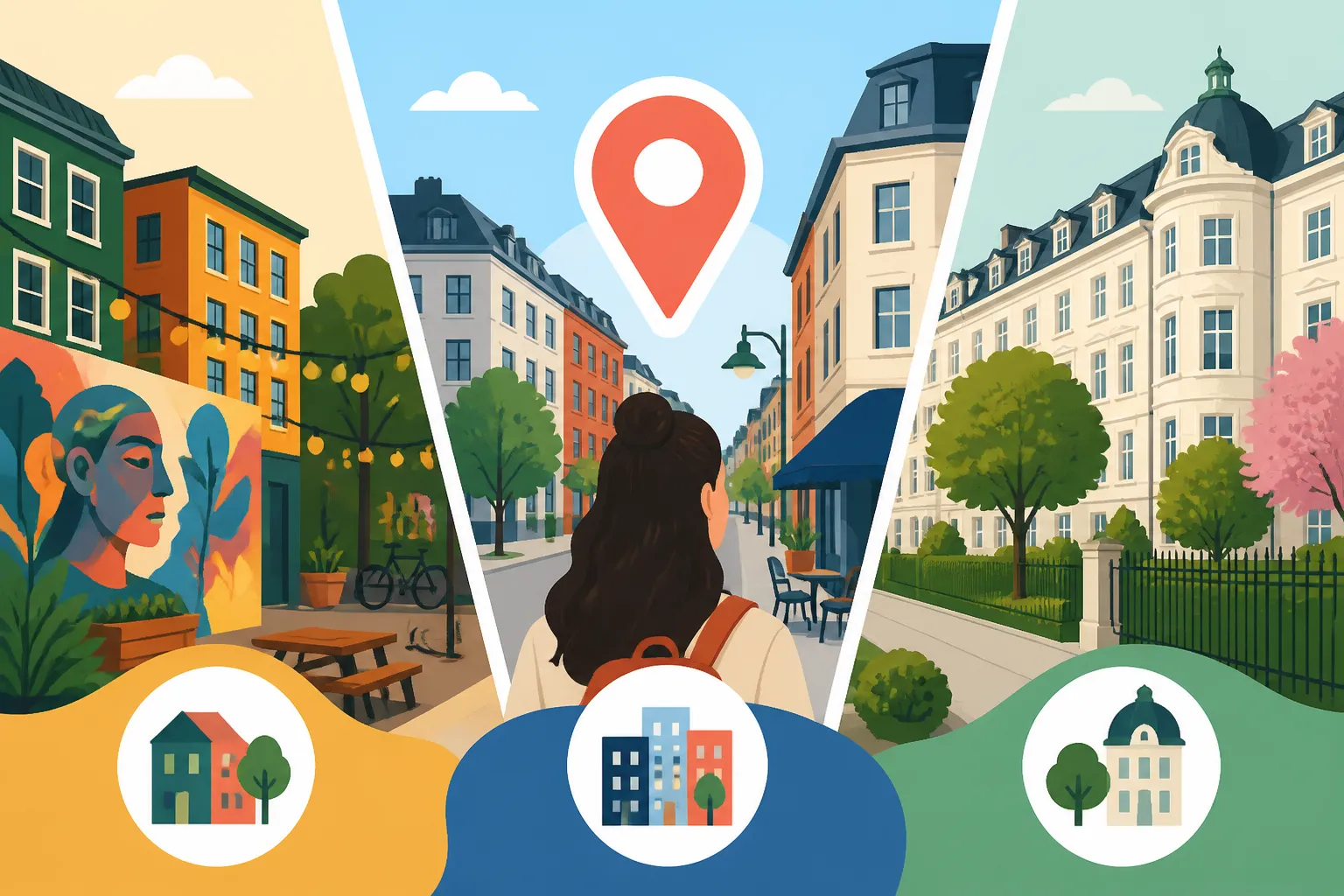
Moving to Copenhagen is exciting, but let's be honest, figuring out where to actually live can feel like trying to solve a Rubik's Cube blindfolded. Each neighborhood has its own distinct personality, and what might be perfect for one expat could be a total mismatch for another. This guide is here to untangle the complexities of Nørrebro, Vesterbro, and Østerbro, giving you an insider's look so you can find the perfect place to call home in this beautiful, albeit sometimes baffling, city.
Copenhagen's Inner City Vibe: More Than Just Cobblestones
Before we dive into the nitty-gritty of Nørrebro, Vesterbro, and Østerbro, let's set the stage. Copenhagen's inner city, broadly speaking, is a captivating blend of historical charm and modern innovation. You’ll find stunning architecture, efficient public transport, and a generally high quality of life. However, you'll also quickly discover that living here means navigating the unique Danish approach to everything from housing to socialising, which can be a bit of a culture shock for newcomers.
What many expats don't realize until they arrive is how profoundly your chosen bydel (city district) will shape your daily life and integration experience. Each of these three major inner-city neighborhoods offers a drastically different flavour of Copenhagen living. They're not just geographical points on a map; they are distinct communities with their own unspoken rules, typical residents, and rhythms. Understanding these nuances early on can save you a lot of headache and help you settle in faster.
The quest for an apartment in Copenhagen is often a competitive sport, especially in these popular areas. You might find yourself comparing places on BoligPortal or even Facebook: How to Spot Rental Scams in Denmark groups, only to realize that proximity to work, schools, or social hubs often dictates where you end up. But beyond the practicalities, it's the feeling of a place that truly matters. Do you want constant buzz, serene parks, or a bit of both? Let’s explore.
Nørrebro: The Bohemian, Multicultural Heart
Nørrebro is often the first district that comes to mind when people think of "cool" Copenhagen. It's vibrant, edgy, and brimming with life, a melting pot of cultures that has evolved from a working-class district into one of the city's most sought-after postcodes. If you crave a sense of community, diverse culinary experiences, and an unapologetically authentic urban atmosphere, Nørrebro might just be your spot.
It's a neighborhood that truly embodies Copenhagen's push for green spaces and community engagement, even in dense urban areas. From the bustling shopping street Nørrebrogade to the tranquil Assistens Kirkegård (cemetery, yes, but also a beautiful park and cultural landmark), there's always something to explore. However, its popularity also means higher demand for housing, making the rental market notoriously competitive.
Atmosphere and Demographics in Nørrebro
The atmosphere in Nørrebro is electric and incredibly diverse. You'll hear countless languages spoken on the streets, see a multitude of different shops, and smell aromas from cuisines across the globe. It’s home to a large population of young people, students, artists, and families from various ethnic backgrounds, creating a genuinely cosmopolitan environment. This demographic mix gives Nørrebro its unique, dynamic energy.
Walk down Jægersborggade, and you’ll find trendy coffee shops, natural wine bars, artisan bakeries, and independent design stores. Head over to Blågårds Plads, and you'll encounter local markets, lively street art, and kids playing football. There’s a palpable sense of community here, where neighbors often know each other, and local events frequently pop up. It’s a place where spontaneity thrives, and you rarely feel isolated, even as a newcomer. The downside, if you can call it that, is that it can feel a bit gritty in parts, and it’s certainly not quiet every night of the week.
Housing Landscape and Rental Market in Nørrebro
Finding an apartment in Nørrebro can be a challenging endeavor, to say the least. The area is highly desirable, leading to fierce competition and often higher prices for smaller spaces. Most of the housing stock consists of older apartment buildings, many of which have been renovated to modern standards but still retain their classic Copenhagen charm. You’ll typically find smaller, efficient apartments, perfect for singles or couples, though family-sized options do exist but are much harder to secure.
When you're searching, you'll encounter a mix of private rentals and co-operative housing (andelsboliger), though the latter usually requires a significant upfront investment and long waiting lists. You might consider using platforms like Spotahome to secure a place before you even arrive, which can alleviate some initial stress, even if it means paying a slight premium. Be prepared for landlords asking for substantial deposits and prepaid rent, often amounting to Why Landlords Ask for 3 Months Deposit and 3 Months Prepaid Rent. It's the norm here, frustrating as it might be.
Lifestyle and Amenities in Nørrebro
Nørrebro's lifestyle is all about embracing urban living with a community feel. Foodies will rejoice in the endless array of ethnic restaurants, street food stalls, and organic cafes. Whether you’re craving Middle Eastern, Asian, or traditional Danish fare, Nørrebro has it all, often at more accessible price points than the city center. The nightlife is vibrant but casual, with plenty of cozy bars, pubs, and live music venues.
Green spaces like Superkilen Park and the aforementioned Assistens Kirkegård offer urban oases for relaxation, dog walking, or a morning run. Shopping is diverse, from vintage boutiques and independent stores to mainstream supermarkets like Netto and Føtex. The area is incredibly bike-friendly, like most of Copenhagen, making it easy to get around on two wheels. However, public transport is also excellent, with multiple bus lines and metro stations ensuring you're well-connected to the rest of the city. For getting around the city quickly and efficiently, you'll definitely want to look into getting a Buying a Rejsekort Travel Card Anonymous vs Personal Cards.
Vesterbro: Edgy, Trendy, and Ever-Evolving
Vesterbro has undergone a remarkable transformation over the last few decades, shedding its grittier past to become one of Copenhagen’s most fashionable and sought-after districts. It's a place where industrial chic meets bohemian flair, attracting a mix of young professionals, creative types, and families who appreciate its urban sophistication and vibrant cultural scene.
Once known for its red-light district and working-class roots, Vesterbro now boasts stylish boutiques, acclaimed restaurants, and an energetic nightlife. It’s not as overtly multicultural as Nørrebro, but it maintains a diverse and open-minded spirit. If you're looking for a neighborhood that effortlessly balances trendiness with genuine character, Vesterbro offers a compelling argument.
Atmosphere and Demographics in Vesterbro
The atmosphere in Vesterbro is distinctly trendy and buzzing, but with a certain relaxed confidence. It feels more established than Nørrebro, with an air of creative professionalism. The area around Halmtorvet and Kødbyen (the Meatpacking District) is particularly lively, transforming from a daytime food and art hub into a bustling nightlife destination as evening descends. You'll find a mix of people here, from young couples and singles enjoying the vibrant social scene to families who've opted for Vesterbro's unique blend of urban living and accessible parks.
The vibe is less raw than Nørrebro, with a more polished edge. There's a strong sense of community amongst residents, particularly in the smaller side streets, but it's also a place that draws people from all over Copenhagen for its cultural offerings. It’s the kind of neighborhood where you can grab a gourmet coffee in the morning, browse a design shop in the afternoon, and enjoy a Michelin-starred meal or a craft beer in the evening, all within a few blocks.
Housing Landscape and Rental Market in Vesterbro
Similar to Nørrebro, housing in Vesterbro is in high demand and can be expensive. The district features a variety of housing types, from classic Copenhagen apartment blocks with ornate facades to modern new builds, especially around the waterfront and areas like Carlsberg Byen. Many of these older buildings have been meticulously renovated, offering contemporary interiors with historical exteriors.
The rental market is competitive, and securing a lease often requires quick action and a solid application. You'll find a range of apartment sizes, from compact studios to spacious family homes, though the latter are fewer and further between. As an expat, understanding the intricacies of the Typeformular A10: Understanding the Standard Danish Lease Agreement is crucial, as clauses regarding maintenance and deposit refunds can be tricky. It's worth considering platforms like Spotahome for vetted properties, especially if you're not physically in Denmark to view apartments, ensuring a smoother start to your Danish life.
Lifestyle and Amenities in Vesterbro
Vesterbro offers a lifestyle that balances urban excitement with a growing family-friendliness. The culinary scene is exceptional, ranging from casual eateries to fine dining experiences. Kødbyen, in particular, is a gastronomic hotspot, filled with innovative restaurants and bars. For shopping, Istedgade and Vesterbrogade offer a mix of independent boutiques, concept stores, and larger retailers, alongside plenty of second-hand shops.
Despite its urban density, Vesterbro boasts several pleasant green spaces. Enghaveparken and Sønder Boulevard offer green stretches for recreation, while the nearby Frederiksberg Gardens provide a larger escape. The district also has a strong cultural pulse, with numerous art galleries, theaters, and music venues. Public transport links are excellent, with multiple bus lines and proximity to Copenhagen Central Station, making it incredibly easy to commute or travel beyond the city. If you plan on using your phone for navigation and translation while exploring, an eSIM from a provider like Airalo can be super handy for immediate connectivity upon arrival, saving you the hassle of finding a physical SIM card right away.
Østerbro: Elegant, Family-Friendly, and Green
Østerbro stands in stark contrast to its edgier counterparts. It's known for its broad, tree-lined avenues, elegant architecture, and a distinctly more tranquil and upscale atmosphere. Often dubbed "the pram paradise," Østerbro is a firm favorite among families, diplomats, and those seeking a quieter, more refined urban experience without sacrificing proximity to the city center.
Here, the pace is a bit slower, the noise levels lower, and the focus shifts towards beautiful parks, quality schools, and a sense of calm sophistication. If your ideal Copenhagen involves morning jogs by the water, leisurely strolls through vast green spaces, and a neighborhood where Danish family life truly flourishes, Østerbro will likely appeal to you.
Atmosphere and Demographics in Østerbro
The atmosphere in Østerbro is undeniably calm, elegant, and family-oriented. You’ll see plenty of strollers, well-dressed Danes, and beautifully maintained buildings. It attracts a demographic of established professionals, families with young children, and a significant international community, including many diplomats due to its proximity to several embassies. This lends it a sophisticated, yet welcoming, vibe.
The main streets like Østerbrogade offer a good selection of shops and cafes, but without the intense hustle and bustle you might find in Nørrebro or Vesterbro. The pace feels more deliberate, allowing for relaxed coffee breaks and unhurried grocery shopping. It’s a neighborhood where community events often revolve around children's activities, park life, and local cultural happenings, fostering a strong sense of belonging for families.
Housing Landscape and Rental Market in Østerbro
Østerbro's housing landscape is characterized by larger, often more luxurious apartments and elegant townhouses. Many buildings feature high ceilings, intricate details, and spacious layouts, reflecting the district's more affluent history. While there are still traditional apartment blocks, you'll also find a greater proportion of properties designed for family living.
Naturally, this elegance comes with a price tag. Østerbro is generally one of Copenhagen's more expensive neighborhoods for rent, and competition for desirable properties remains high, especially for those with multiple bedrooms. If you're a family looking for space, you might find more suitable options here than in the other two districts, but expect to pay a premium. The market can be tough, and understanding Initial Rental Costs Navigating Deposits and Prepaid Rent Laws is paramount before committing to anything. Securing an apartment often requires a diligent search, and sometimes, a little luck!
Lifestyle and Amenities in Østerbro
Life in Østerbro revolves around its green spaces and family-friendly amenities. Fælledparken, Copenhagen's largest park, is a central hub for sports, picnics, and community events, while the scenic Lakes (Søerne) and the harbor promenade offer beautiful routes for walking, running, and cycling. It's a fantastic area if you enjoy outdoor activities or simply want easy access to nature. If you're planning on commuting by bike, which many Danes do, you'll find the dedicated bike lanes here very safe and efficient; it's definitely worth familiarizing yourself with Danish Cycling Culture: Rules, Buying a Bike, and Safety.
The dining scene is sophisticated, with a good selection of quality restaurants and cafes, though perhaps not as wildly diverse as Nørrebro. Shopping caters to a slightly more upscale crowd, with plenty of independent boutiques, specialty stores, and organic food markets. Østerbro also boasts excellent public and international schools, making it an attractive choice for expat families. Accessibility to the city center is straightforward, with numerous bus lines and S-train stations (Nordhavn, Østerport) connecting you efficiently.
Comparing the Commute and Connectivity
When choosing a neighborhood, your daily commute is often a huge factor. Luckily, Copenhagen is a relatively small and incredibly well-connected city, particularly these three inner-city districts. However, there are nuances in how you'll get around and what your travel times might look like.
Whether you're relying on public transport, cycling, or occasionally driving, understanding the network and typical travel patterns will help you make an informed decision. Remember that while public transport is excellent, cycling is often the fastest and most preferred method of getting around for many Danes.
Public Transport Links
All three neighborhoods are extremely well-served by Copenhagen's public transport system.
- Nørrebro: This area benefits from multiple bus lines running along Nørrebrogade and Tagensvej, connecting it swiftly to the city center and beyond. The new Cityring (M3) metro line has also significantly boosted connectivity, with Nørrebros Runddel and Nørrebro Station providing rapid access to other parts of the city. You're never far from a bus stop or a metro station here.
- Vesterbro: Vesterbro is perhaps the best-connected in terms of central transport hubs. It's right next to Copenhagen Central Station (København H), offering access to S-trains, regional trains, and international connections. Multiple bus lines traverse the district, and the Enghave Plads metro station (M3) further enhances its connectivity. This is a prime location for those who need to travel frequently by train.
- Østerbro: Østerbro is well-served by S-train stations (Østerport, Nordhavn, Svanemøllen) and numerous bus lines along Østerbrogade. The new Nordhavn metro stations (M4) have also dramatically improved access to the city center and the new waterfront developments. While perhaps a tiny bit less centrally "dense" in terms of transport options than Vesterbro, it's still incredibly efficient and easy to navigate.
Cycling Infrastructure and Accessibility
Denmark's cycling culture is legendary, and Copenhagen is built for bikes. All three neighborhoods boast excellent cycling infrastructure, with dedicated bike lanes (cykelstier) that make cycling a safe and enjoyable way to get around.
- Nørrebro: Cycling is a way of life here. The bike lanes are extensive, and you'll see more bikes than cars on many streets. It's a flat area, making for easy rides, and you can reach most central destinations within 10-15 minutes. It's truly a cyclist's paradise, but also means crowded bike lanes during peak hours.
- Vesterbro: Equally bike-friendly, Vesterbro offers direct routes into the city center. It's slightly more hilly in some parts, especially as you get towards Frederiksberg, but nothing too strenuous. The proximity to the Lakes (Søerne) provides scenic cycling paths, and you can quickly connect to the harbor cycle routes.
- Østerbro: With its wider streets and proximity to Fælledparken, cycling in Østerbro feels a bit more spacious and relaxed. You have excellent connections to the harborfront cycle paths and can easily reach the city center or head north along the coast. It’s perfect for leisurely rides or swift commutes. For newcomers, securing a cheap bike can be done through second-hand markets or services like Swapfiets, making it easy to jump into the local cycling scene.
Cost of Living and Housing Realities
Let's talk money, because for most expats, the cost of living in Copenhagen is a significant consideration. While Denmark offers a high quality of life and often good salaries, it's no secret that the capital is expensive, particularly when it comes to housing. These three popular neighborhoods reflect that reality, but there are subtle differences to be aware of.
Understanding the financial implications of your chosen neighborhood, from rent prices to grocery costs, can help you budget effectively and avoid unpleasant surprises. You'll want to review a guide like Cost of Living in Denmark 2026: Budgets for Singles and Families to get a broader picture, but let's compare the specifics for these three.
Rental Price Trends and Availability
Housing is probably the single biggest factor influencing your budget in Copenhagen. The demand in all three areas means prices are generally high, but there are distinctions.
- Nørrebro: Generally offers slightly lower rents than Østerbro, but can still be comparable to Vesterbro, especially for desirable, renovated units. The trade-off is often smaller square footage. Availability is scarce, and finding a place quickly can feel like winning the lottery. Expect fierce competition. Many landlords here prefer long-term tenants, so be ready to commit.
- Vesterbro: Rents here are typically on par with, or slightly higher than, Nørrebro, especially for apartments in prime locations or in newer developments like Carlsberg Byen. While still very competitive, there might be a slightly wider range of options due to recent development projects. Properties around the Meatpacking District tend to be pricier due to their trendy appeal.
- Østerbro: This is generally the most expensive of the three. Larger apartments and more elegant buildings command higher rents. While you might get more space, the cost per square meter can be quite steep. Availability is also tight, particularly for family-sized apartments near good schools. If budget is a primary concern, Østerbro will likely require the biggest chunk of your income.
It's a tough market across the board, and many expats face the dilemma of needing a permanent address for The CPR Registration Rule: Why Your Address Matters but struggling to find one. Consider using reliable rental portals and potentially seeking temporary accommodation upon arrival.
Everyday Expenses: Groceries, Dining, and Leisure
Beyond rent, your everyday spending will also vary slightly depending on your neighborhood.
- Nørrebro: Offers the most diverse and often most affordable dining options. You can find incredible street food, delicious ethnic restaurants, and budget-friendly cafes. Groceries are competitive, with a good mix of discount supermarkets like Netto and Fakta, alongside more specialized organic stores. Leisure activities here are often community-based or involve cheaper options like park gatherings and local pub nights.
- Vesterbro: Dining can range from affordable to very high-end. Kødbyen, while fantastic, can be pricey for a regular meal. There's a strong emphasis on quality ingredients and artisanal products, which sometimes translates to higher prices in specialty shops. Grocery stores are plentiful, including both discount and premium options. Leisure activities lean towards trendy bars, cultural events, and fashion-forward shopping, which might be a bit more expensive than Nørrebro's laid-back scene.
- Østerbro: Generally, dining out in Østerbro tends to be on the pricier side, with a focus on quality rather than budget. Supermarkets offer a good range, including several larger Føtex and SuperBrugsen stores that might have a wider selection but potentially higher prices than discount chains. Leisure activities often involve spending time in parks, visiting local cafes, or enjoying walks by the water, which are largely free or low-cost, but the social scene around them can be more exclusive.
Ultimately, while all three neighborhoods are fantastic places to live, your personal priorities – whether it’s budget, lifestyle, or family needs – will heavily influence which one feels most like home.
Summary Comparison Table: Nørrebro, Vesterbro, and Østerbro
To help you visualize the differences at a glance, here’s a summary comparison of these three distinctive Copenhagen neighborhoods:
| Feature | Nørrebro | Vesterbro | Østerbro |
|---|---|---|---|
| Vibe | Bohemian, multicultural, vibrant, edgy | Trendy, sophisticated, urban chic, dynamic | Elegant, family-friendly, tranquil, green |
| Demographics | Young, students, artists, diverse expat families | Young professionals, creatives, young families | Established families, diplomats, professionals |
| Housing Style | Older apartment blocks, some renovated, smaller units | Mix of renovated classics & new builds, varied sizes | Larger, elegant apartments, townhouses, spacious |
| Rental Cost | High, competitive | High, very competitive | Highest, highly competitive |
| Food & Drink | Diverse, ethnic, affordable, street food, lively bars | Trendy restaurants, upscale dining, craft bars | Quality restaurants, cozy cafes, more traditional |
| Green Spaces | Assistens Kirkegård, Superkilen Park | Enghaveparken, Sønder Boulevard, close to Frederiksberg Gardens | Fælledparken, Lakes, harbor promenade |
| Nightlife | Lively, casual pubs, live music | Energetic, trendy bars, Kødbyen clubs | Quieter, local wine bars, less focused on clubs |
| Shopping | Vintage, independent boutiques, discount stores | Fashion, design, specialty stores | Upscale boutiques, specialty food, larger supermarkets |
| Connectivity | Excellent (buses, metro, S-train) | Excellent (buses, metro, Central Station) | Excellent (S-train, metro, buses) |
| Overall Pace | Fast-paced, bustling | Energetic, stylish | Relaxed, calm |
This table should give you a quick overview, but remember, the true feel of a neighborhood often comes from walking its streets, sipping a coffee in a local café, and observing daily life. Consider spending time in each area if you can before making a final decision.
Disclaimer
The information provided in this guide is intended for general informational purposes only and does not constitute professional advice. Housing markets, visa regulations, and local services in Denmark can change rapidly. While we strive to provide accurate and up-to-date information, readers are encouraged to verify details with official sources, such as the Danish Immigration Service (SIRI), local municipalities, and professional real estate agents, before making any decisions. We are not responsible for any inaccuracies or omissions.