VAT Refunds for Tourists and Expats Leaving the EU
Navigating the 25% value-added tax (VAT) in Denmark, locally known as "Moms," can feel like a direct hit to your wallet, especially when you are eyeing high-end Scandinavian design or electronics. Many travelers and departing residents believe getting that tax back is a simple matter of showing a receipt at the airport, but the reality is a bureaucratic gauntlet that requires precision. This guide solves the confusion by detailing the exact steps, thresholds, and terminal locations you need to master to successfully reclaim your VAT before leaving the EU.
Understanding the Tax-Free Shopping System in Denmark
If you have spent more than ten minutes in a Danish grocery store or boutique, you have likely noticed that prices are significantly higher than in many other parts of the world. A huge portion of that is the flat 25% VAT applied to almost every good and service. For tourists visiting from outside the EU, this tax is technically refundable because the tax is intended for consumption within the Union. However, the system is not automated, and the burden of proof lies entirely on you, the shopper.
To qualify for a refund, you must be a resident of a country outside the EU. This includes tourists from the United States, Canada, China, and, since Brexit, the United Kingdom (excluding Northern Ireland). If you are currently living in Denmark on a residence permit, you are generally considered an EU resident and are not eligible for VAT refunds on daily purchases. However, there is a specific window for those moving away permanently, which we will cover later.
The minimum spend to even begin the VAT refund process in Denmark is 300 DKK. This must be spent in a single store on the same day. You cannot aggregate receipts from five different shops to hit the threshold. Furthermore, the goods must be "unused" and exported in your personal luggage within three months of the purchase date. This is where many people stumble; if you buy a high-end jacket and wear it every day during your Copenhagen holiday, a particularly strict customs officer could technically deny your refund because the item is no longer in "new" condition for export.
When you are at the register, you must ask the clerk for a "Tax-Free Form." You cannot simply use the standard thermal paper receipt you get at the till. Stores that participate in the program (look for the Global Blue or Planet Tax Free stickers in the window) will issue a specific document where you must enter your passport number and home address. It is a good idea to use a service like Wise so you have a multi-currency account ready to receive the refund in your home currency without being eaten alive by the predatory exchange rates often offered at airport cash desks. Understanding why Eating Out in Denmark: Why Restaurant Taxes Make Dining Expensive is so prevalent helps put the high VAT on goods into perspective; the government relies heavily on these consumption taxes to fund the social net.
Step-by-Step Guide to Claiming Your VAT Refund at Copenhagen Airport
The most critical part of the process happens at your point of departure from the EU. If you are flying from Copenhagen (CPH) to London or New York, CPH is your exit point. If you are flying from Copenhagen to Paris and then to Los Angeles, Paris is actually your exit point, and you must handle your paperwork there. This causes immense stress for travelers with tight connections, so always aim to get your stamps at the final EU airport you visit.
Once you arrive at Copenhagen Airport, do not check your bags immediately. This is the golden rule. The Customs (Told) office may demand to see the physical items before they stamp your forms. If your new Bang & Olufsen speakers are already in the hold of the plane, you are out of luck. In Terminal 3 at CPH, the Global Blue and Customs desks are located near the check-in area. You must present your completed Tax-Free forms, your passport, and your flight itinerary.
After the Customs officer inspects your goods and stamps your forms, you have two choices: a credit card refund or a cash refund. Cash is immediate but comes with heavy fees and poor exchange rates. A credit card refund takes longer but usually nets you more money. If you have a Dankort: Denmark’s National Debit Card and Why You Want One, remember that it is primarily for domestic use; for international refunds, a standard Visa or Mastercard linked to a global platform is better.
Navigating the Digital Validation Kiosks
In recent years, Denmark has moved toward digital validation kiosks. Instead of speaking to a human, you scan your passport and forms at a terminal. If the system gives you a green light, you are finished with the Customs portion. If it flashes red, you must take your goods to the physical Customs desk for a manual check. This often happens with high-value items (usually over 5,000 DKK). It is also wise to ensure you have your health and travel documents in order before heading to the airport, as Traveling Outside the EU: Do You Need Private Travel Health Insurance? is a common requirement for many destinations that are no longer covered by EU reciprocal agreements.
Managing Large or Fragile Items
If you have purchased large items like furniture or delicate porcelain that cannot be carried as hand luggage, the process is slightly different. You must still go to the Customs desk in the check-in area. Tell them you have tax-free items in your checked luggage. They will often inspect the items right there or at the "Oversize Baggage" drop-off point. Once they see the items, they will stamp your forms, and you can then proceed to the airline counter to drop your bags.
VAT Refunds for Expats Moving Away Permanently
This is a grey area that many veteran expats overlook. If you are an expat living in Denmark and you are Surrendering Your Residence Card When Leaving Denmark Permanently, you can sometimes claim VAT back on large purchases made in the final three months of your stay. The logic is that these goods are being exported for use in your new home outside the EU.
To do this successfully, you must be able to prove that you are officially deregistering from the CPR system and leaving the country. This involves showing your "Flyttemeddelelse" (moving notice) from the municipality. When you go to the airport to leave for the last time, you follow the same process as a tourist. However, be prepared for extra scrutiny. The Customs officer will want to see that your destination is truly outside the EU.
This is a great way to save money on expensive Scandinavian furniture or high-end electronics you’ve been eyeing. If you are Closing Down Your NemKonto and Bank Setup Before Leaving Denmark, ensure you have a foreign bank account or a digital wallet like Wise linked to your tax-free forms, as you won't be able to receive a Danish bank transfer once your accounts are shuttered. Additionally, you should consider how this departure affects your other finances, such as What Happens to Your Holiday Pay if You Leave Denmark? and the process of Leaving Denmark: Can You Cash Out Your Danish Pension?. For Americans or other non-EU nationals, consulting a specialist service like Taxes for Expats during this transition can be invaluable, as exporting large amounts of goods and closing European accounts can trigger reporting requirements in your home country.
| Requirement | Tourist (Non-EU) | Expat (Leaving EU) |
|---|---|---|
| Minimum Spend | 300 DKK | 300 DKK |
| Residency Proof | Foreign Passport | Deregistration Papers |
| Time Limit | 3 Months from Purchase | 3 Months from Purchase |
| Condition of Goods | New/Unused | New/Unused |
| Stamp Required | Yes (Customs/Told) | Yes (Customs/Told) |
Common Pitfalls and Why Refunds Get Rejected
The most common reason for a rejected VAT refund is a simple lack of time. The queues at Copenhagen Airport, especially during the summer months or around Christmas, can be over an hour long. If you arrive at the airport only two hours before your flight, you might have to choose between catching your plane and getting your 2,000 DKK refund. Always allow an extra hour specifically for the "Told" (Customs) desk.
Another trap is the "Internal Link" between your digital identity and your purchase. If the name on your Tax-Free form does not match the name on your passport exactly, the refund will be denied. This often happens when one spouse makes the purchase but the other tries to claim the refund at the airport. The person whose name is on the form must be physically present with their passport.
| Mistake | Consequence |
|---|---|
| Goods in Checked Bag | Cannot show Customs; refund denied |
| Standard Receipt Only | Not valid for VAT refund |
| Using the Item | Customs may claim it's not an "export" |
| Missing the CPH Stamp | Cannot claim refund once you've left |
Be aware that Common Financial Scams Targeting New Expats in Denmark sometimes involve "agents" offering to help with VAT refunds for a fee outside the airport. Ignore them. The only legitimate way to get your money back is through the official Customs desks and the authorized refund partners like Global Blue or Planet. It's also worth noting that your Consumer Rights: The 14-Day Return Law for Online Shopping (Fortrydelsesret) does not apply to VAT refunds; once the form is stamped by Customs, you generally cannot return the item to the store, as the tax has already been marked for export. Finally, always be sure you are Understanding the Danish Customs Rules for Importing Goods Online if you are ordering items from abroad to be delivered to Denmark, as you may end up paying import VAT that is much harder to reclaim than the VAT paid in a physical shop.
Final Logistics and Refund Methods
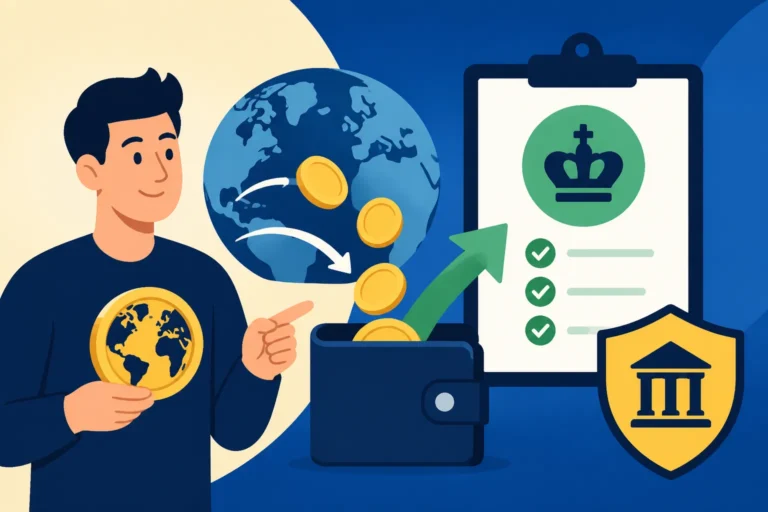
Once your form is stamped, the hard part is over, but you still need to get your money. If you didn't get cash at the airport, you can mail the stamped forms back to the refund agency in the pre-paid envelope provided by the shop. However, I highly recommend taking a clear photo of your stamped forms before you drop them in the mailbox. If the mail gets lost, those photos are your only evidence to file a claim.
If you are using a digital refund app, the process is slightly smoother. Some apps allow you to scan the stamped form and receive the money via a digital wallet. This is where having a service like Wise is beneficial, as you can receive the refund in DKK or EUR and convert it to your home currency at the mid-market rate, avoiding the 3-5% spread that traditional banks usually charge on "foreign" refunds.
Ultimately, the Danish VAT refund system is a test of patience and organization. If you keep your receipts together, ask for the correct forms at the point of sale, and arrive at the airport with plenty of time to spare, you can effectively give yourself a 13-19% discount (after administrative fees) on your Danish purchases. It’s a significant amount of money that is better off in your pocket than in the Danish treasury once you’ve left the shores of the Baltic.
Disclaimer
The information provided in this guide is for informational purposes only and does not constitute legal or financial advice. Tax laws and airport procedures in Denmark are subject to change, and we recommend verifying current requirements with the Danish Customs Agency (Toldstyrelsen) or official refund providers before your departure.