Surrendering Your Residence Card When Leaving Denmark Permanently
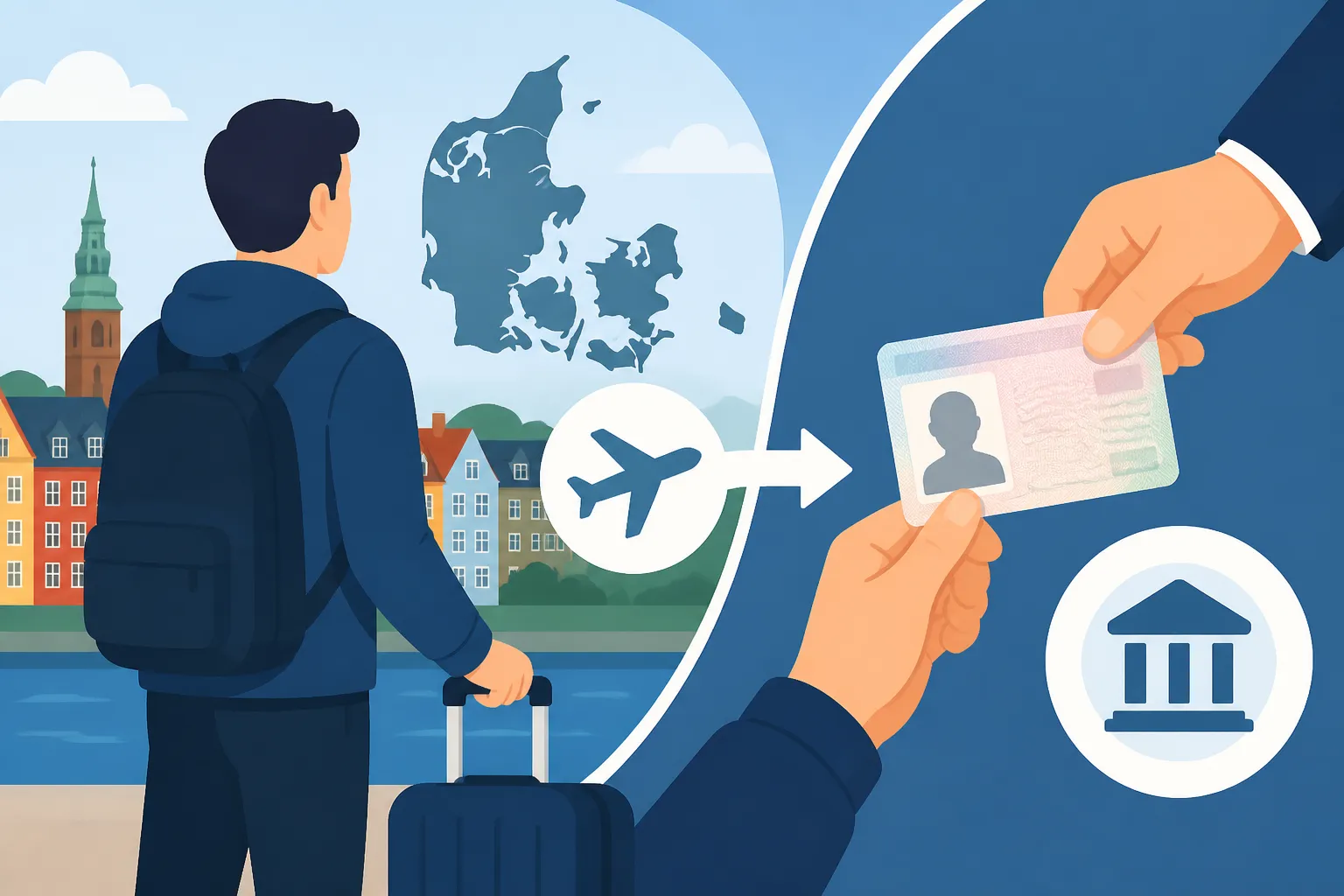
Leaving Denmark can feel like an emotional roller coaster, especially when you've built a life here. Amidst the goodbyes and packing, one administrative task that often gets overlooked, or simply isn't clearly explained, is what to do with your Danish residence card. This comprehensive guide will walk you through the essential steps for surrendering your residence card when you're making a permanent exit from Denmark, ensuring you tie up all loose ends smoothly and avoid any future headaches.
Why You Need to Surrender Your Residence Card
It might seem like a small piece of plastic, but your Danish residence card is much more than just an ID. It's a tangible representation of your legal status to live and work in Denmark, issued by the Danish Agency for International Recruitment and Integration (SIRI). When you decide to leave the country permanently, this card needs to be properly handled. Ignoring this step can lead to unnecessary complications down the road, even if you never plan to return.
The Legal Obligation and Its Purpose
The act of surrendering your residence card isn't just a suggestion; it's a legal obligation that comes with your residence permit. When SIRI grants you a permit, it's under the understanding that you meet certain criteria for living in Denmark. Once those criteria no longer apply – specifically, if you're no longer residing in the country – your permit, and by extension your card, are no longer valid. Think of it as formally notifying the authorities that your official journey in Denmark has concluded.
This process allows the Danish authorities to maintain accurate records of who is residing in the country and under what legal basis. It’s part of the broader system that ties into your CPR number, your tax status, and your access to public services. When you understand your Danish Visas and Residence Permits: The Complete Expat Guide (2027), you'll see how interconnected all these elements are, and the residence card is a key component.
It’s crucial to understand that simply leaving the country doesn't automatically invalidate your permit in the eyes of the system. While your permit becomes invalid after a certain period of absence (often six months, depending on the type of permit and if you've notified SIRI), actively surrendering the card is a clear, unambiguous statement of your departure. This proactive step helps avoid any ambiguity regarding your status.
Avoiding Future Complications
You might think, "Who cares? I'm gone, they can't do anything." But many expats find that neglecting these seemingly minor details can bite you later. Imagine applying for a visa to another country years down the line, and a background check reveals an open-ended residence status in Denmark. Or, perhaps, you decide to return to Denmark in the future for work or study. Having a clear record of your departure makes any future applications significantly smoother.
Failure to properly conclude your residence status could, in theory, impact your ability to apply for new visas or residence permits in Denmark or even other Schengen countries. While it's rare for direct penalties to be imposed for not surrendering a physical card, the administrative trail matters. It's about maintaining a clean record with immigration authorities, which is always advisable, especially if you plan to live in other countries that require extensive background checks.
Furthermore, it prevents the card from being misused. While unlikely for most, an unreturned card is technically still active on some level until its expiry or formal cancellation. Taking the simple step of returning it adds an extra layer of security to your personal data and ensures your official ties to Denmark are fully severed in the administrative sense. It’s a small effort for significant peace of mind.
The Step-by-Step Process of Surrendering Your Card
Alright, let's get down to brass tacks. The process itself isn't overly complicated, but it does require attention to detail, much like navigating any Danish bureaucracy. You'll primarily be dealing with SIRI and your local municipality.
Notifying SIRI and Your Municipality
The first and most crucial step when leaving Denmark permanently is to notify both SIRI and your municipality. Your physical residence card is issued by SIRI, so they are the primary recipient for its return. However, your departure also means you'll be deregistering from the Danish Civil Registration System (CPR register) at your local municipality, which is a separate but equally important administrative process.
You should notify SIRI of your departure and intent to surrender your card. This can usually be done by sending an email or a letter, clearly stating your full name, CPR number, date of birth, and the date you permanently left or intend to leave Denmark. You should also mention that you are enclosing your residence card. While SIRI handles your residence permit, your municipality handles your Understanding CPR Registration and Your Healthcare Entitlement and all the associated benefits and obligations. Therefore, deregistering your address and CPR number is paramount.
When you Changing Your CPR Address via Borger.dk When You Move or deregister, this also informs other public authorities, like SKAT (the tax agency) and Udbetaling Danmark, that you are no longer a resident. This ensures your tax liability ends and you don't accidentally receive any public benefits you're no longer entitled to. The deregistration process is generally done via Borger.dk or in person at your local citizen service center (Borgerservice) a few days before your actual departure. Remember, deregistering from the CPR register is a fundamental step for severing ties with Denmark, and it often goes hand-in-hand with surrendering your residence card.
How and Where to Return Your Physical Card
Once you've made your decision and initiated the deregistration process, it's time to actually send off that card. There are generally two main ways to return your residence card to SIRI: by mail or in person.
By Mail: This is the most common and often most convenient method, especially if you're already outside Denmark or have limited time before you leave. You'll need to send your physical residence card to SIRI. It's highly recommended to send it via registered mail (rekommanderet brev) or a similar tracked service. This way, you have proof that the card was sent and received. Include a short cover letter with your full name, CPR number, date of birth, and a statement that you are permanently leaving Denmark and surrendering your residence card.
The address for SIRI (The Danish Agency for International Recruitment and Integration) is typically:
SIRI
Njalsgade 72A
2300 Copenhagen S
Denmark
Always double-check the most current address on SIRI's official website (newtodenmark.dk) before mailing, as administrative addresses can sometimes change. Keep a copy of your letter and the tracking number for your records. This small piece of diligence can save you a world of trouble later on.
In Person: If you're still in Denmark right up until your departure and wish to handle it personally, you might be able to return it at a SIRI branch or a local Borgerservice that handles immigration matters. However, Borgerservice primarily deals with CPR registration and related municipal services, so while they can often receive the card, it's SIRI that processes the surrender of the residence permit. It’s always best to confirm with SIRI directly if an in-person drop-off is possible and where. Often, they will simply advise you to mail it even if you're standing in front of them, as their administrative process is set up for mail delivery.
| Method of Return | Key Action | Recommended for… | Proof of Submission? |
|---|---|---|---|
| Registered Mail | Send card to SIRI with cover letter | Most expats, especially if leaving soon or already left | Tracking number, postal receipt, copy of letter |
| In-Person (SIRI) | Drop off at SIRI office (if permitted) | Those near a SIRI office, for immediate confirmation | Receipt from SIRI (request one) |
| In-Person (Borgerservice) | Drop off at municipality (less common for card) | Coinciding with CPR deregistration (confirm first) | No direct proof for SIRI, mostly for CPR dereg. |
What if You've Lost Your Card?
Life happens, and sometimes, things get misplaced. If you've lost your Danish residence card before you could surrender it, don't panic. You're not the first, and you won't be the last. The key is to still notify SIRI of your permanent departure, explaining that the card is lost and therefore cannot be returned.
You should send a letter or email to SIRI, including your full name, CPR number, date of birth, and the date you left/intend to leave Denmark. Clearly state that your residence card has been lost and you are unable to return it. It's also a good idea to explain briefly how it was lost, if you know. This is similar to the advice for What to Do If You Lose Your Danish Residence Card While Abroad. While you won't have a physical card to send, your notification serves the same purpose of informing the authorities of your change in status.
Some people might also recommend filing a police report for a lost ID, especially if you think it might have been stolen. While this isn't strictly mandatory for surrendering a card you don't possess, it can provide an extra layer of official documentation should any unexpected issues arise from the lost card later. However, for most, simply notifying SIRI that it's lost and you're leaving permanently is sufficient.
Essential Preparations Before You Leave Denmark
Beyond just your residence card, there are several other crucial administrative and financial tasks you should handle before you make your final exit. These steps ensure a clean break and prevent lingering administrative issues.
Deregistering from the CPR Register
This is arguably the most important step for any expat leaving Denmark permanently. Your CPR number is your lifeline here – it links you to virtually every public service, from healthcare to taxes. When you permanently leave Denmark, you must deregister from the CPR register. This officially marks you as having left the country and informs all relevant authorities.
You typically do this at your local Borgerservice (Citizen Service Centre) a few days before your actual departure date, or sometimes via Borger.dk if your municipality offers that option. You'll need to provide your exact moving date and your new address abroad. This action immediately ceases your entitlement to Danish healthcare (goodbye The Yellow Health Card (Sundhedskort): Your Key to Danish Healthcare!) and alters your tax status. Make sure you understand the implications for Healthcare in Denmark for Foreign Residents: Complete System Guide (2027) if you have any outstanding medical needs.
Deregistering ensures you stop accruing tax liability in Denmark and prevents you from receiving unsolicited mail or even benefits you're no longer entitled to. Without deregistration, Denmark might still consider you a resident, leading to potential tax obligations or other administrative headaches. It’s a vital step for a clean break.
Closing Bank Accounts and Cancelling Subscriptions
Once your CPR deregistration is in process, it's time to tackle your finances. Having an open Danish bank account when you no longer reside in the country can become a hassle. Most Danish banks are quite strict about customers having a CPR number and a registered Danish address.
You should aim to close your NemKonto and any other bank accounts you hold in Denmark. This process usually requires you to visit your bank in person or send a signed request from abroad. Make sure all direct debits (Betalingsservice) for utilities, rent, and other services are cancelled, and that any outstanding bills are paid. It's also wise to check for any small balances that might remain, and arrange for them to be transferred to your new international account. For a detailed walkthrough, check out Closing Down Your NemKonto and Bank Setup Before Leaving Denmark.
Beyond banks, go through all your subscriptions. This includes internet providers, mobile phone contracts, gym memberships, streaming services, and public transport passes like Rejsekort or Pendlerkort. Danish contracts often have notice periods, so plan ahead. You don't want to be paying for a gym membership in Copenhagen while living on the other side of the world!
Digital Housekeeping: MitID, E-Boks, and other Digital Ties
In Denmark, so much of life is digital, and your departure necessitates some digital housekeeping. Your MitID is tied to your CPR number and, by extension, your residency. Once you deregister from the CPR, your MitID will eventually become inactive. However, it's wise to ensure you've handled everything that requires MitID access before it stops working. This includes checking your Sundhed.dk and MitID: Navigating Denmark’s Digital Health Portals for any outstanding medical records you might want to download or view, and ensuring all communication through E-Boks vs. Mit.dk: Receiving Official Financial Mail from the State has been addressed.
Before your MitID becomes inaccessible, ensure you've downloaded any necessary documents from public platforms, checked your tax statements on SKAT's website, and confirmed any pension information. Remember that once you're deregistered, access to these portals will become severely limited or impossible. You might also want to explicitly opt out of things like organ donation via Borger.dk if you had opted in, just to ensure your wishes are clearly recorded for your future life outside Denmark. See How to Opt Out of Organ Donation Registries via Borger.dk for more details on that process.
It’s about making sure your digital footprint in Denmark is clean and that you retain access to any information you might need for tax purposes or personal records abroad. Print out or save digital copies of important documents like payslips, tax assessments, and official letters received through e-Boks.
What to Do with Other Important Documents
Beyond your residence card, you likely have other significant papers from your time in Denmark. What should you do with those?
Translations for International Use
As an expat moving to a new country, you'll inevitably need certain documents from Denmark translated for use in your next chapter. This could include birth certificates for children born here, marriage certificates, university diplomas, or employment references. While most official Danish documents are issued in Danish, many are accepted in English within the EU/EEA. However, if you're moving outside these regions or require formal recognition, certified translations will be necessary.
It’s often best to get these translations done by a certified translator in Denmark before you leave, as it can be more difficult and potentially more expensive to do so from abroad. Look for translators who are authorized by the Danish Ministry of Foreign Affairs. Services like RushTranslate or Translayte offer certified translation services and can be a lifesaver when you need official documents recognized internationally. They understand the nuances of legal translation and can provide certified copies that adhere to international standards.
Consider getting official documents apostilled if required by your destination country. An apostille is a certification that authenticates the origin of a public document for use in countries that are parties to the Hague Apostille Convention. This is a common requirement for things like educational certificates or marriage documents. For more context on document preparation, you can refer to Apostille Stamps: Document Preparation for Danish Visa Applications.
Keeping Records for Future Reference
Even if you plan never to return to Denmark, it’s always a good idea to keep copies of essential documents from your time here. This includes your Danish employment contracts, payslips, tax assessments (Forskudsopgørelse and Årsopgørelse), pension statements, and any official letters from SIRI, SKAT, or your municipality.
These records can be invaluable for future tax declarations in your new home country, proving your work history, or even simply as a personal archive of your expat journey. For example, if you had a The Expat Tax Scheme (Forskerskatteordningen): The 27% Flat Tax Guide, you'll want to retain all documentation related to that. While Denmark may be in your rearview mirror, the administrative ripples can sometimes extend further than you expect. Having your own digital and physical copies ensures you're always prepared.
This record-keeping is especially important if you hold Permanent Residency (Permanent Opholdstilladelse) in Denmark. Even if you leave, there are rules around how long you can stay out of the country before potentially losing it. Knowing your exact dates of entry and exit, and having official documentation, can be crucial if you ever decide to return. Keep everything organized, perhaps in a dedicated "Denmark" folder on your cloud storage, so you can access it easily if needed.
Disclaimer
The information provided in this guide is intended for general informational purposes only and does not constitute legal, financial, or immigration advice. While efforts have been made to ensure accuracy based on current knowledge and publicly available information, regulations in Denmark can change. It is always recommended to consult with the official authorities (SIRI, your municipality, SKAT) or seek professional legal or financial advice for your specific situation when planning a permanent departure from Denmark.