Do I Need a Danish Credit Card to Rent a Car in Denmark?
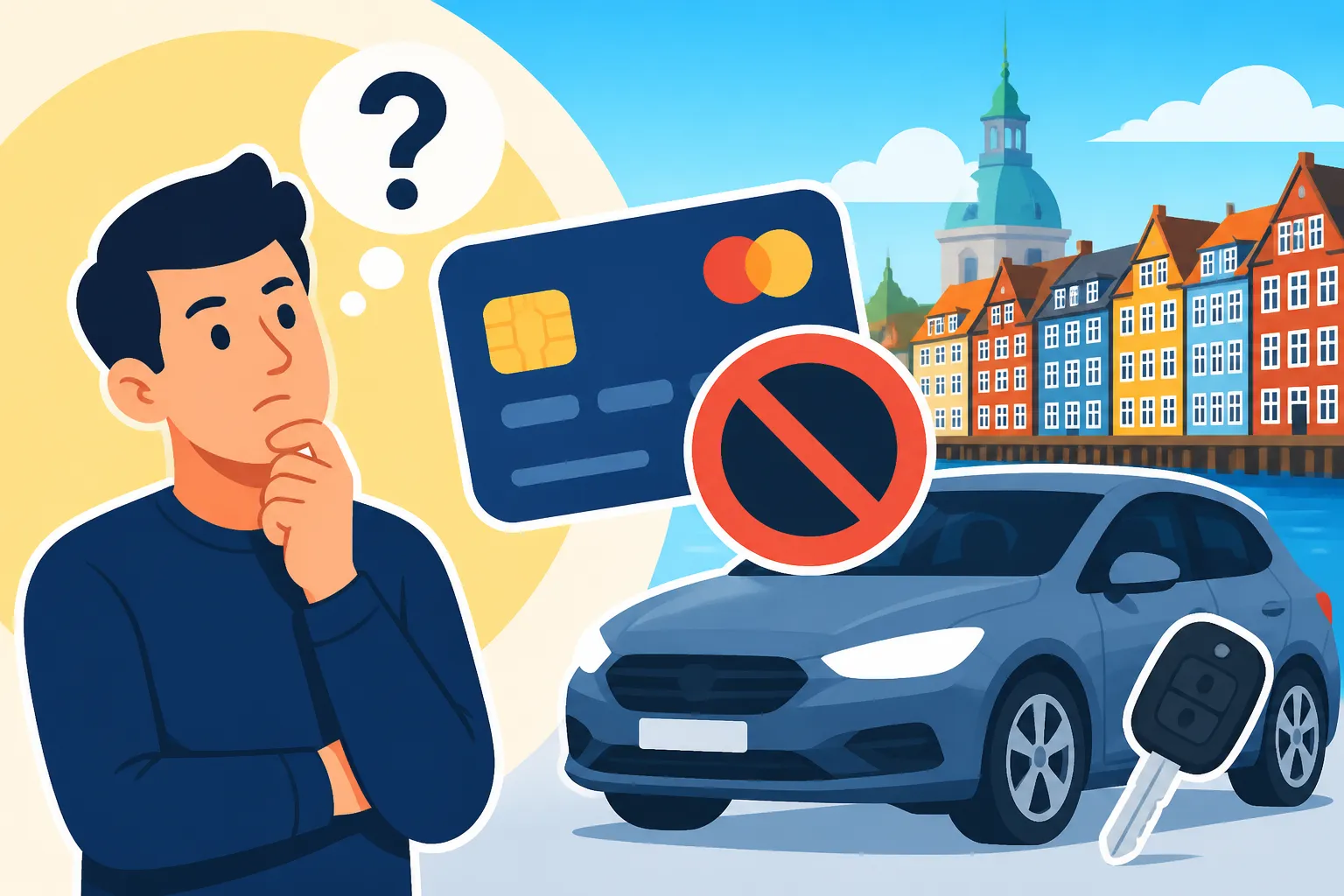
Standing at the car rental counter at Copenhagen Airport, only to have your booking rejected because you are holding a debit card rather than a "true" credit card, is a rite of passage no expat or tourist should have to endure. This guide explains why this happens and provides the financial workarounds you need to navigate Denmark's rental market successfully.
The Difference Between Credit and Debit Cards in the Danish Context
One of the most common points of confusion for newcomers is the distinction between a credit card and a debit card. In many countries, the terms are used interchangeably in casual conversation, but in the Danish financial system and the global car rental industry, the difference is absolute and non-negotiable. A debit card is linked directly to your bank account; when you spend money, it leaves your balance immediately. A credit card, however, is a line of credit provided by a bank, where the funds are borrowed and repaid later.
In Denmark, the most common card is the Dankort. While many versions of this card are co-branded with Visa, it remains essentially a debit card. If you are an expat just starting out, you might find that The Dankort: Denmark’s National Debit Card and Why You Want One is your first financial priority, but it will not necessarily solve your car rental woes. Most rental agencies in Denmark, such as Sixt, Avis, or Europcar, require a card that allows them to place an "authorization hold." This is a specific amount of money—often the rental cost plus a significant security deposit—that is blocked on your card to cover potential damage or fuel shortages.
Many international debit cards, including those from neobanks like Wise, do not support the specific type of "block" that rental companies prefer. When a rental company attempts to block 10,000 DKK on a debit card, the banking system treats it as an immediate withdrawal of funds. If you do not have that exact amount sitting in your account, the transaction is declined. Even if you do have the money, it becomes inaccessible for the duration of your trip, which can severely impact your Cost of Living in Denmark 2026: Budgets for Singles and Families if you are on a tight relocation budget.
Why Rental Companies Insist on Credit Cards
The insistence on credit cards is primarily about risk management. When you rent a car, you are effectively taking control of an asset worth hundreds of thousands of kroner. Rental agencies view a credit card as a form of security. Since a bank has already vetted you and granted you a credit limit, the rental agency feels more confident that they can recover costs if you return the car with a smashed fender or a half-empty tank.
Furthermore, credit cards allow for "offline" transactions or delayed charges more easily than debit cards. If a speeding fine or a bridge toll from the Storebælt Bridge arrives weeks after you have returned the car, it is much easier for the agency to charge a credit card than a debit card, which might have a zero balance by that time. For expats, navigating these financial nuances is a core part of Money in Denmark: Banking, Payments, and Financial Setup for Expats.
There is also a cultural element to consider. Denmark is a highly digital society, but its banking regulations are strict. Rental agencies operate on thin margins and have been burned by fraudulent debit card users in the past. By requiring a credit card, they filter for a certain level of financial stability. If you are staying in Denmark long-term for work, you may eventually want to look into Traditional Banks vs. Digital Banks (Lunar): Which is Best for Expats? to see which local institutions are more likely to grant a credit line to a non-citizen.
Can You Ever Rent a Car with a Debit Card in Denmark?
The short answer is yes, but it comes with significant "ifs" and extra costs. Some major agencies have begun to relax their rules to accommodate the rise of debit-only users, but they usually impose strict conditions. For example, you may be required to purchase the agency's highest level of insurance (Super Loss Damage Waiver) to reduce your excess to zero. This eliminates the need for a large deposit hold, making them more willing to accept a debit card. However, this insurance can often double the daily cost of the rental.
Another hurdle is the brand of the card. A "Visa Debit" or "Mastercard Debit" is more likely to be accepted than a basic "Electron" or "Maestro" card. If you are using a card from Wise, you should be aware that while it is an incredible tool for MobilePay and Cashless Denmark: Surviving Without Physical Cash, it is technically a prepaid debit card. Many rental kiosks at Kastrup or Aarhus Airport will flag these cards as "Prepaid" in their system and refuse them immediately, regardless of how much money you have in your account.
If you are determined to use a debit card, you must check the specific terms and conditions for the individual branch where you are picking up the car. Policies can vary not just by company, but by location. A branch in downtown Copenhagen might be more flexible than a small franchise in Jutland. Always have a backup plan, such as a traditional credit card from your home country, until you have successfully navigated Opening a Bank Account in Denmark: Document Checklist and Delays and secured a local credit facility.
| Rental Company | Credit Card Required? | Debit Card Accepted? | Conditions for Debit |
|---|---|---|---|
| Avis | Yes (Preferred) | Sometimes | Must buy full insurance; large hold required |
| Hertz | Yes | Rarely | Often restricted to specific car classes |
| Sixt | Yes | Yes (at select locations) | Must be a recognized Visa/Mastercard Debit |
| Europcar | Yes | Yes | Deposit can be up to 15,000 DKK |
| Enterprise | Yes | Sometimes | May require proof of return travel |
Strategic Financial Planning for Expats and Travelers
If you are moving to Denmark for a job, your financial needs will quickly evolve beyond just renting a car. You will likely be dealing with the complexities of the Danish tax system, and services like Taxes for Expats can be invaluable when you are trying to understand how your foreign income or assets are treated. Understanding Taxes in Denmark Explained: A-Skat, AM-bidrag, and Marginal Rates is essential because your "disposable" income—the amount you have left for things like car rentals—will be lower than you might expect due to the high tax brackets.
For those who do not have a credit card yet, the best strategy is to look into local digital banks. You can read a Lunar Bank Review: Free Accounts for Expats and Students to see if their offerings suit your needs. While Lunar is primarily a debit-based system, having a local Danish account makes it easier to eventually apply for credit products. If you are using Wise to move your initial relocation funds into Denmark, ensure you keep enough of a buffer to pay for the expensive insurance "workaround" at the car rental counter.
Another point to consider is the "Registration Tax" in Denmark. If you are considering skipping the rental and buying a vehicle instead, you need to be prepared for the sticker shock described in Buying and Registering a Car: The 150% Vehicle Registration Tax. This is why many expats choose to stick with rentals or car-sharing apps for as long as possible. When using car-sharing apps like GreenMobility or ShareNow in Copenhagen, the rules are often much more relaxed regarding debit cards, as the transactions are smaller and handled entirely through an app.
Hidden Costs and Administrative Frustrations
When you finally get to the counter with a valid card, the journey isn't quite over. In Denmark, you must be aware of the "Young Driver Fee" if you are under 25, and sometimes even if you are under 28. This fee is often not included in the initial quote you see on travel aggregator sites. Additionally, if you plan on driving across the border to Sweden or Germany, you must inform the rental agency. Some will charge a "Cross-Border Fee" to cover the additional insurance risks.
For those navigating a move, the administrative burden can be heavy. If you are handling complex filings, Taxes for Expats can help ensure you aren't overpaying while you settle in. Dealing with Danish bureaucracy while trying to manage a car rental can feel like a full-time job. Always ensure your driver's license is valid in Denmark; while EU licenses are fine, those from the US, Canada, or Australia may eventually need to be exchanged after you receive your CPR number.
Finally, keep an eye on your "Authorization Holds." It can take up to 30 days for a Danish rental company to "release" the block on your funds. If you used a debit card and are counting on that money for your first month's rent or deposit, you might find yourself in a difficult position. This is another reason why a credit card is the superior tool—it uses the bank's money for the hold, leaving your actual cash free for your transition into Danish life.
Disclaimer
The information provided in this guide is for informational purposes only and does not constitute financial, legal, or professional advice. Rental policies in Denmark are subject to change without notice, and individual experiences may vary based on the specific rental agency and branch. Always verify current requirements directly with your chosen provider before traveling or committing to a rental agreement.