Closing Down Your NemKonto and Bank Setup Before Leaving Denmark
Moving away from Denmark is often a bittersweet experience, but the administrative "halestik" (tail sting) can quickly turn your nostalgia into a headache. Many expats mistakenly believe that once they hand in their keys and deregister their CPR at the International House, their financial obligations simply vanish. This guide solves the complex puzzle of unwinding your Danish banking and NemKonto setup to ensure you don't lose money or access to vital post-departure documents.
The Strategic Importance of Your Financial Exit Timeline
When you decide to leave Denmark, the temptation to just "cut and run" is strong. You might think that once you stop receiving a salary, your Danish bank account is just a dormant vault. However, the Danish digital infrastructure is so tightly integrated that your bank account is more than just a place to store DKK; it is the anchor for your NemKonto, your MitID, and your gateway to the tax authorities. If you close your account too early, you may find yourself locked out of receiving your final Feriepenge (Holiday Pay): How to Claim It Through Borger.dk, which often arrives months after you have left the country.
Most traditional Danish banks like Danske Bank, Nordea, or Jyske Bank expect you to provide notice before you leave. They don't just close the account with a click; they need to ensure there are no outstanding Betalingsservice: Automating Your Rent and Utility Bill Payments agreements that could bounce and cause you legal trouble later. A veteran tip is to keep your account open for at least six months after your physical departure. This allows for the reconciliation of utility bills and the inevitable tax refund that usually arrives the following year.
The Danish tax system operates on a delay. You might be eligible for a significant refund when The Annual Tax Assessment Notice (Årsopgørelse): Claiming Deductions is finalized in March or April of the year after you leave. If you have already closed your bank account and dismantled your NemKonto, that money has nowhere to go. It sits in a government "limbo" that is notoriously difficult to access from abroad. By planning your exit over a one-year horizon rather than a one-week dash, you protect your hard-earned savings.
The NemKonto Conundrum: Moving Your "Easy Account" Abroad
Your NemKonto is simply a normal bank account that you have designated as the primary destination for all payments from the Danish public sector. When you leave, you don't "close" a NemKonto in the traditional sense; rather, you either keep the Danish account linked to it or you attempt to assign a foreign account to take its place. This is where many expats hit a wall.
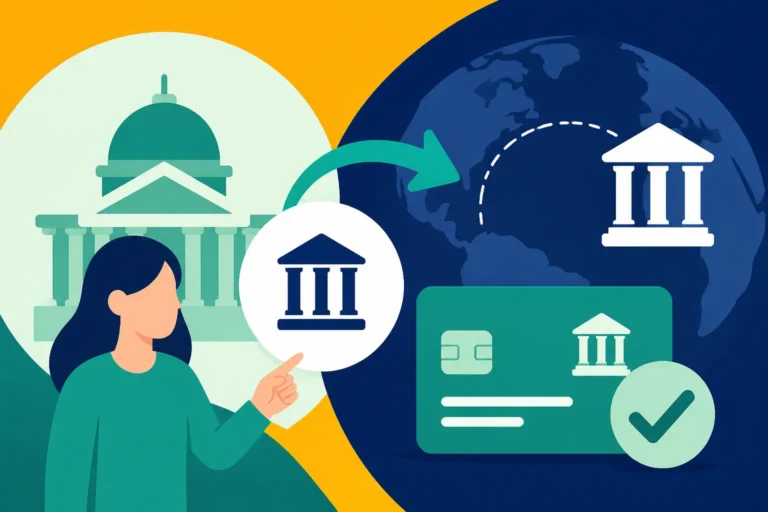
It is a little-known fact that you can actually have a foreign bank account as your NemKonto. This is a lifesaver if you are moving to a country with a stable banking system and want to receive your final tax refunds or pension payouts directly. You can find detailed instructions on How to Assign a Foreign Bank Account as Your NemKonto through the official NemKonto.dk portal, though be warned: the process for foreign accounts often involves a physical form and a "witness" or notary signature, which is much easier to handle while you are still physically in Denmark.
If you decide to keep your Danish account as your NemKonto for a few months post-departure, ensure you have updated your contact information. Once you deregister from the CPR registry, the bank is notified. Some banks will immediately try to move you to a more expensive "non-resident" account tier. This is a common frustration, and it is worth negotiating with your bank advisor before you leave. Tell them you are keeping the account open specifically to settle your final Tax Deductions in Denmark: Commuting (Kørselsfradrag) and A-Kasse and that you will close it once the final Årsopgørelse is settled.
Closing Your Traditional Bank Account: A Step-by-Step Guide
Closing a bank account in Denmark is rarely as simple as sending a message in the app. Because of the anti-money laundering (AML) laws and the complexities of the Danish credit system, banks are often hesitant to let go of a client who is moving outside of EU jurisdiction. To make the process smoother, follow these meticulous steps:
- Audit Your Subscriptions: Months before leaving, go through your bank statements and identify every recurring payment. Cancel your Joining a Fitness Center in Denmark: PureGym and SATS Contracts and ensure your insurance providers know your end date.
- Clear Your Credit: If you have any remaining consumer debt or a mortgage, the bank will not close your daily checking account until these are settled or moved. This includes small things like an unused credit line on your The Dankort: Denmark’s National Debit Card and Why You Want One.
- Transfer Your Balance: When you are finally ready to move your funds, do not use a standard wire transfer from your Danish bank. The exchange rates are often predatory. Instead, many savvy expats use Wise to move their DKK into their new local currency. Using Wise allows you to get the mid-market exchange rate, saving you thousands of kroner on large transfers of savings or house deposits.
- The Formal Request: Send a formal request via the "secure message" function in your online banking. State clearly that you are moving abroad, provide your new address, and specify which account should receive any "dust" (tiny remaining balances).
- Confirm the Termination of Betalingsservice: Ensure that the bank confirms all active payment agreements are terminated. You don't want a rogue Electricity Providers in Denmark: Choosing a Green Energy Plan bill from your old apartment to trigger a debt collection process a year later.
| Task | Recommended Timing | Why It Matters |
|---|---|---|
| Audit Betalingsservice | 2 Months Before | Prevents unexpected bills after departure |
| Set up Foreign NemKonto | 1 Month Before | Ensures tax refunds reach you abroad |
| Move bulk savings via Wise | 2 Weeks Before | Better exchange rates than Danish banks |
| Close Danish Account | 6 Months After | Allows for final tax and utility reconciliation |
| Update e-Boks email | Week of Departure | Ensures you can still read official government mail |
Handling Taxes and Digital Mail from Abroad
One of the biggest mistakes expats make is deleting the MitID app or losing access to their e-Boks the moment they cross the border at the Øresund Bridge. You will continue to receive important documents for at least a year after you leave. For instance, you might need to prove your Danish income to your new country's tax authorities. If you lose access to your digital mail, retrieving these documents becomes a bureaucratic nightmare involving physical letters sent to your new home.
Make sure you have linked a non-Danish phone number to your MitID. You should also check Navigating the Digital Post (e-Boks/Mit.dk) System for Official Mail to ensure that your "forwarding email" is set to your personal address. This ensures that every time a new document arrives from SKAT or your old municipality, you get an alert in your regular inbox.
For Americans or those moving to high-tax jurisdictions, the final year of Danish taxes can be particularly confusing. Brands like Taxes for Expats specialize in helping people navigate the overlap between Danish tax liability and foreign reporting requirements. They can help you understand if your Leaving Denmark: Can You Cash Out Your Danish Pension? is taxable in your new home. Dealing with Taxes for Expats early can prevent you from being double-taxed on your final Danish paycheck or your holiday pay payout.
Remember that even after you leave, you may still be "limited tax liable" to Denmark if you have remaining assets or income sources there. This is why keeping the digital door open is so critical. You want to be able to check How to View Your Medical Records and Lab Results on Sundhed.dk if you need medical history for a new doctor, or log in to see What Happens to Your Bank Account When Your Work Visa Expires? if you had an automated savings plan or a child savings account (børneopsparing) still running.
Final Practical Tips for the "Smooth Exit"
Before you board that plane or pack the last box into the van, do a final "digital sweep." Download every single PDF of your payslips from the last two years. While you can technically get these later, having a folder on your laptop is much easier than fighting with a VPN and a glitchy MitID login from a different continent.
Check your Preliminary Tax Assessment (Forskudsopgørelse): Avoiding Tax Debt one last time. If you know you are leaving in June, you should adjust your expected income for the year. If you don't, the system assumes you will earn that high salary for all 12 months, which might result in you paying too much or too little tax in those final months. Correcting this while you still have a Danish payroll department to talk to is much easier than trying to fix it with SKAT's international help desk later.
Lastly, don't forget about the small change. If you have a few hundred kroner left in your account, don't just leave it to be swallowed by bank fees. Use Wise to send that last bit of "coffee money" to your new account. It feels remarkably satisfying to see your Danish balance hit exactly zero. If you follow these steps, you won't be one of the many expats who post in Facebook groups two years later asking how to recover 10,000 DKK from a government agency they can no longer contact. You've worked hard for your life in Denmark; make sure you take every krone of it with you when you go.
Disclaimer
The information provided in this guide is for informational purposes only and does not constitute financial, legal, or tax advice. Banking regulations and government procedures in Denmark are subject to change. Always consult with your bank, a qualified tax professional, or the relevant Danish authorities regarding your specific situation before making significant financial decisions.