Lunar Bank Review: Free Accounts for Expats and Students
One of the most maddening hurdles you will face when moving to Denmark is the infamous financial Catch-22. To get a rental contract, you often need a bank account; to get a bank account, you need a CPR number; and to get a CPR number, you need a permanent address. This guide explores how Lunar provides a modern, digital escape from this bureaucratic loop for international residents.
The Reality of Banking as a Newcomer in Denmark
If you have spent any time in expat forums, you have likely read the horror stories. Traditional Danish banks are often slow to respond to international applicants, sometimes taking weeks or even months to process a simple account opening request. As a veteran who has navigated these waters, I can tell you there is nothing more stressful than having your first Danish paycheck ready to be issued while you are still waiting for a legacy bank to "verify" your identity.
Traditional institutions often require physical meetings, stacks of paper documentation, and a level of patience that most newcomers simply don’t have. This is where neobanks have stepped in to fill the void. Among them, Lunar has emerged as a frontrunner because it was built specifically to handle the digital-first nature of the Danish administrative system. Unlike some international fintech companies, Lunar holds a full Danish banking license, which means your deposits are protected by the Guarantee Fund up to 100,000 EUR (approx. 750,000 DKK).
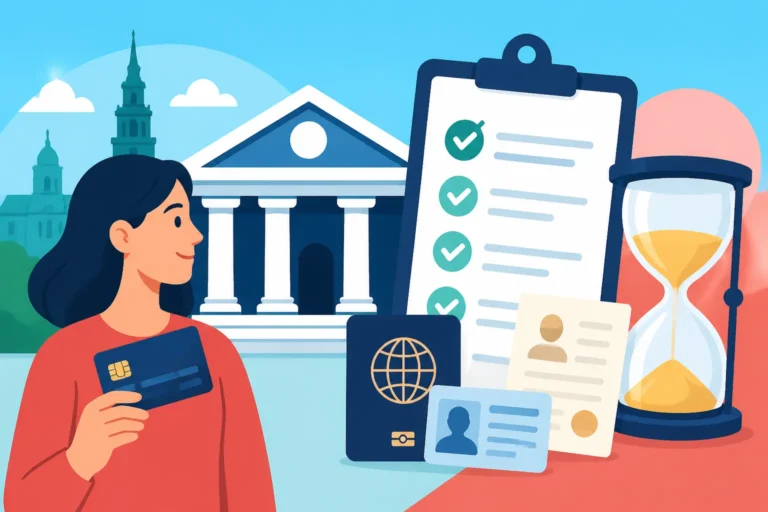
Opening a Bank Account in Denmark: Document Checklist and Delays is usually the first step on every expat's to-do list, but the process with digital challengers is fundamentally different. Instead of a stiff office in central Copenhagen, you are dealing with an intuitive app that speaks English. For many of us, this linguistic bridge is the difference between feeling like a guest in the system and actually owning our financial life here.
Understanding the Lunar Free Tier and Its Value for Students
For students arriving on a tight budget, the word "free" is a powerful motivator. In the Danish banking landscape, "free" is a rare find. Most traditional banks will charge you a "subscription" or "account maintenance" fee simply for the privilege of letting them hold your money. Lunar Light, their basic tier, offers a way to bypass these monthly costs, which is particularly helpful if you are just starting out.
For students who have successfully navigated the process of SU for EU/EEA Citizens: Proving "Worker Status" to Get the Grant, having a reliable place for those funds to land is critical. You cannot receive the State Educational Grant (SU) without a NemKonto, and Lunar makes the process of designating your account as your official "Easy Account" remarkably straightforward.
However, "free" does come with caveats. While there is no monthly subscription fee for the Light tier, you will typically have to pay a one-off fee for the physical Visa card. In a country that is rapidly becoming cashless, you might think you don't need the plastic, but trust me—you do. While MobilePay and Cashless Denmark: Surviving Without Physical Cash is a reality for most daily transactions, having a physical backup is essential for certain kiosks, government offices, or when your phone battery inevitably dies in the middle of a dark Danish winter.
The Expat Experience: Application and Integration
The biggest advantage Lunar offers to foreigners is the speed of entry. You can often start the application process the moment you have your MitID and CPR number ready. If you are still waiting on your paperwork, you should read up on Can I Open a Danish Bank Account Before Getting My CPR Number? to understand why this number is the "skeleton key" to life in Denmark.
Once you have your credentials, the Lunar app guides you through a digital "Know Your Customer" (KYC) process. You will need to scan your passport or residence card and take a selfie. For those of us used to the bureaucracy of our home countries, this feels almost too easy. But don't be fooled—the back-end checks are rigorous. They will look into your source of income and your reasons for being in Denmark.
When you are Working in Denmark: Job Market, Flexicurity, and Getting Hired (2027), your employer will ask for your registration and account numbers almost immediately. Lunar provides these instantly upon approval. You will get a Reg. nr. (four digits) and a Konto nr. (usually ten digits). This allows you to get paid without delay. If you are an American expat or a high-earning specialist, you might also find that services like Taxes for Expats are useful to ensure your new Danish accounts are properly reported back home, as the Danish tax authorities (SKAT) are very transparent with international regulators.
Comparing Lunar Tiers for International Residents
To help you decide which version of the app fits your lifestyle, here is a breakdown of what you can expect from the different Lunar levels as of 2026.
| Feature | Light (Free) | Standard | Plus |
|---|---|---|---|
| Monthly Fee | 0 DKK | ~29 DKK | ~79 DKK |
| Physical Card | One-time fee | Included | Included |
| Accounts Included | 1 | 3 | Unlimited |
| ATM Withdrawals | Fee applies | Limited free | Unlimited free |
| Travel Insurance | No | No | Included |
| Shared Accounts | No | Included | Included |
Navigating International Transfers and Daily Spending
One area where neobanks sometimes struggle is the cost of moving money across borders. If you are still paying off a student loan in your home country or receiving support from family abroad, you need to watch the exchange rates carefully. While Lunar is excellent for domestic Danish use, its international transfer fees can be higher than specialized services.
This is where many expats choose to "stack" their financial tools. I personally use Lunar as my primary hub for receiving my salary and paying my Utilities Setup: Electricity, Water, Heating, and Internet, but I keep a Wise account on the side for sending money back home. By using Wise in conjunction with your Danish account, you can often save hundreds of kroner a year in hidden exchange rate markups.
Inside the Lunar app, you can track your spending with automatic categorization. This is incredibly helpful when you are trying to adjust to the high cost of living. It can be a shock to see how much you are spending at Netto or Rema 1000 in your first few months. The app gives you a "burn rate" that helps you stay on top of your budget before the next paycheck arrives.
Linking NemKonto and Managing Digital Mail
In Denmark, your bank account is more than just a place to store money; it is a vital part of your digital identity. Every resident must have one designated NemKonto. This is the account where the government sends tax refunds, holiday pay (feriepenge), and social benefits.
During your setup, Lunar will ask if you want to make them your NemKonto. If you are new, say yes. If you are switching from an old bank, the app can often handle the migration for you. You can learn more about this in our guide on Setting Up Your NemKonto: How to Link It to Receive Salary and SU.
Furthermore, once your account is active, you will need to ensure your financial life is reflected in your tax profile. Every year, you must check your Preliminary Tax Assessment (Forskudsopgørelse): Avoiding Tax Debt. Lunar doesn't do your taxes for you, but having a clear, digital record of your income through their app makes it much easier to report your earnings accurately to SKAT. If you move apartments—which many expats do in their first year—remember to update your address in the system, as Moving Addresses: Do You Automatically Get a New Yellow Card? and it can affect your local municipal tax rate.
Potential Drawbacks for Expats to Consider
While I am a fan of the digital-first approach, it is only fair to mention the limitations. First, if you require a complex mortgage or a large business loan as a newcomer, Lunar might not be the right fit. Traditional banks like Jyske Bank or Danske Bank have much larger departments dedicated to Credit and Loans: Navigating Mortgages (Realkreditlån) for Foreigners.
Secondly, customer support is primarily digital. While they are very responsive via chat and email in English, you cannot walk into a branch and shout at someone across a desk if something goes wrong. For most of us, this is a fair trade-off for not having to deal with the 10:00 AM to 4:00 PM opening hours of traditional branches, but it is worth noting if you prefer face-to-face interaction.
Finally, keep an eye on the "negative interest" or "threshold" rules. While these have largely vanished as interest rates rose in recent years, Danish banks are known for changing their terms quickly. Always read the latest "Prisliste" (price list) in the app to make sure you aren't being charged for holding too much cash in a single account.
Final Veteran Tips for Your Lunar Setup
If you decide to go with Lunar, my advice is to do it the moment your CPR is confirmed. Don't wait until you "feel settled." The sooner you have a Danish IBAN, the sooner you can stop using your home-country credit card and losing money on every transaction due to poor exchange rates.
When you sign up, ensure your phone number is updated to a Danish one (+45). Many Danish financial apps, including those for Traditional Banks vs. Digital Banks (Lunar): Which is Best for Expats?, function much better when linked to a local SIM card. It also makes it easier to set up The CPR Registration Rule: Why Your Address Matters requirements later on.
Lastly, don't forget the social aspect of banking in Denmark. Once you have your Lunar account and your Visa card, you can finally set up MobilePay. This is the "social currency" of Denmark. Whether you are splitting a bill at a cafe or buying a used bike on DBA, you cannot truly integrate into the local lifestyle without it. How to Assign a Foreign Bank Account as Your NemKonto might be a workaround for some, but having a native Danish account like Lunar makes the whole ecosystem much smoother.
Disclaimer
The information provided in this guide is for informational purposes only and does not constitute financial, legal, or tax advice. Banking products, fees, and terms and conditions in Denmark change frequently. While we strive to keep this information up to date for 2026, you should always verify current pricing and requirements directly with the bank's official website before making a decision. The author is an expat sharing personal experiences and is not an official representative of any financial institution.