Buying Property in Denmark: Mortgage Options and 20% Down Payments
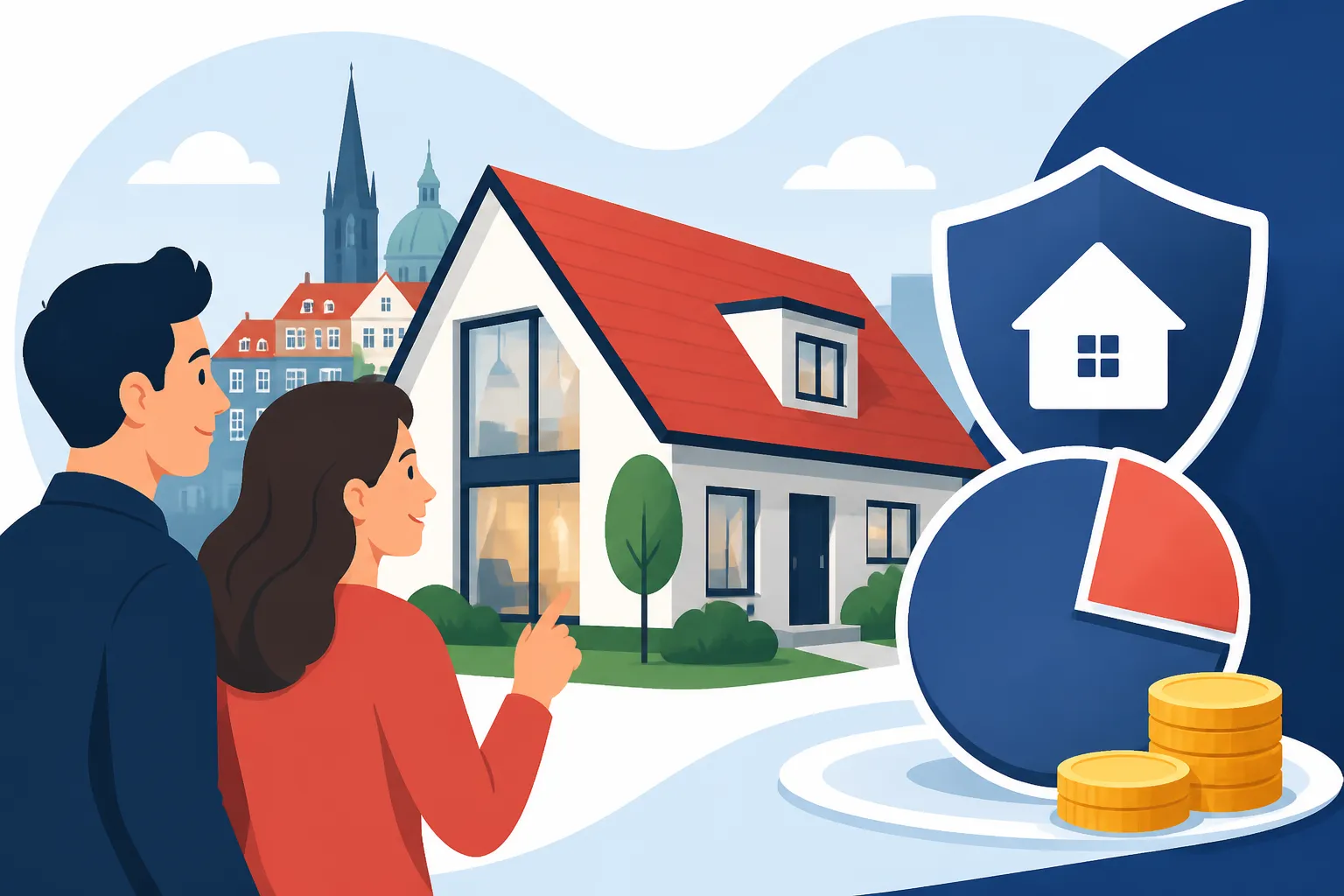
The dream of owning a little piece of Denmark, perhaps a charming villa with a garden or a sleek city apartment, is a common one for many expats. But let's be real, the Danish property market, with its unique quirks and financial structures, can feel like an impenetrable fortress, especially when you're grappling with new terminology and regulations. This guide aims to demystify the process of buying property in Denmark, focusing on the critical aspects of mortgage options and that often-daunting 20% down payment, providing a clear roadmap for your homeownership journey.
The Dream of Owning Property in Denmark: A Reality Check for Expats
When you first start looking at Danish property listings, the price tags can certainly deliver a hefty dose of sticker shock. You might find yourself converting the DKK figures back to your home currency, eyes widening with each click. But before you throw your hands up in despair, let's take a moment to understand why owning property here, despite the initial financial hurdle, is often a sound long-term investment and a true step towards planting roots.
The Initial Sticker Shock and Why It's Worth It
Yes, real estate in Denmark, particularly in sought-after areas like Copenhagen, Aarhus, and other major cities, is undeniably expensive. A decent family home in a good area can easily run into several million DKK. However, these prices reflect a robust economy, high quality of life, excellent infrastructure, and a stable housing market that generally appreciates over time. Unlike some other countries where property values can be volatile, Denmark's market, while not immune to fluctuations, is often seen as steady.
Beyond the financial aspect, buying a home here offers a sense of stability that renting often cannot. You gain control over your living space, the freedom to renovate and decorate as you please, and the satisfaction of building equity in a country you now call home. For families, it means permanence for children in schools and community life, rather than the disruption of frequent moves. It truly transforms your perception of living here from a temporary stay to a genuine residence.
Understanding the "Buyer's Permit" for Non-EU/EEA Citizens
Now, here's a crucial point that often catches non-EU/EEA expats by surprise: you can't just buy property in Denmark without special permission. If you’re not an EU/EEA citizen and you haven't lived in Denmark for at least five years with a permanent address (CPR registration) and continuous residence, you'll need to apply for a "buyer's permit" (erhvervelsestilladelse) from the Danish Ministry of Justice. This isn't a complex process, but it is an extra step that needs to be factored into your timeline.
Essentially, the Ministry wants to ensure that you intend to use the property as your primary residence, not just as a holiday home or an investment property, especially if you have no direct ties to the country yet. This rule is less about restricting foreign investment and more about protecting the housing market and ensuring properties serve their primary residential purpose. If you're an EU/EEA citizen, or you've been here for five continuous years and have that all-important CPR number and a strong link to the country, this particular hurdle usually doesn't apply. But for many newer arrivals from outside the EU/EEA, it’s a non-negotiable step.
Navigating Danish Mortgage Lenders: Banks vs. Realkreditinstitutter
When it comes to financing your Danish home, you'll quickly discover a unique two-tiered system that often baffles newcomers. It's not as simple as walking into a single bank and getting a loan approved. Instead, you'll be dealing with both a traditional bank and a realkreditinstitut, which is a specialized mortgage credit institution.
The Dual System: Your Bank and Your Realkreditinstitut
Think of it this way: your bank handles the everyday banking, your salary, potentially a smaller portion of your mortgage, and generally acts as your financial advisor. The bulk of your home loan, however, will come from a realkreditinstitut. These institutions are unique to Denmark and operate under specific legislation, essentially issuing bonds on the capital market to finance mortgages. These bonds are then bought by investors, and you, as the homeowner, repay the loan, with the interest rate linked to the performance of these bonds.
Major realkreditinstitutter include Nykredit, Realkredit Danmark (part of Danske Bank), Totalkredit (often associated with local banks), and Nordea Kredit (part of Nordea). Your regular bank will typically help you apply for a loan through one of these realkreditinstitutter, acting as an intermediary. They will assess your overall financial situation, including your income, existing debt, and savings, to determine your creditworthiness and recommend a suitable realkreditinstitut product. You will usually have a primary loan from the realkreditinstitut covering up to 80% of the property value, and then, if needed, a smaller supplementary loan from your bank to cover a portion of the remaining 20% down payment. Understanding Money in Denmark: Banking, Payments, and Financial Setup for Expats is key to navigating this entire financial landscape.
Choosing Between Fixed-Rate and Variable-Rate Mortgages
Once you’re in discussions about the mortgage, you'll face the classic dilemma: fixed-rate (fastforrentet lån) or variable-rate (flexlån or variabelt forrentet lån). Each has its pros and cons, and your choice should align with your financial risk tolerance and long-term plans.
-
Fixed-Rate Mortgages: As the name suggests, the interest rate remains the same for the entire duration of the loan (or a significant part of it, often 10, 20, or even 30 years). This provides incredible budget stability, as your monthly payments won't change even if market interest rates fluctuate wildly. The downside? The initial interest rate is usually higher than a variable rate, and you pay a premium for that security. However, fixed-rate mortgages in Denmark offer a unique feature: if interest rates rise significantly, the value of your bonds might fall, allowing you to refinance at a lower principal amount, potentially saving you a lot of money in the long run. This is known as "opkonvertering" and is a powerful tool for Danish homeowners.
-
Variable-Rate Mortgages (Flexlån): These loans offer lower initial interest rates but come with fluctuating monthly payments. The interest rate is typically reset every 1, 3, or 5 years. If rates go down, your payments decrease; if they go up, your payments increase. This option can save you a lot of money when rates are low, but it carries the risk of significantly higher payments if rates spike. It requires a greater tolerance for financial uncertainty and a healthy buffer in your budget. Many expats, particularly those new to Denmark's financial system, often prefer the predictability of a fixed-rate loan initially. The Danish pension system, for example, is also designed for long-term stability, mirroring this preference for security.
How Amortization Works in Denmark
Amortization refers to how your loan principal is paid off over time. In Denmark, most realkreditlån are annuity loans, meaning your monthly payment is a fixed amount (at least for fixed-rate loans), and initially, a larger portion goes towards interest. As you pay down the loan, more of your payment goes towards the principal, reducing the outstanding balance.
However, a key distinction here is the possibility of "afdragsfrihed," or interest-only periods. You can often choose to pay only the interest for a certain number of years (typically up to 10 years) on your realkreditlån. This significantly lowers your monthly payments initially, freeing up cash flow, but it means you're not paying down the principal during that period. While attractive, it's a decision that requires careful consideration. It makes sense for some, perhaps those expecting a significant income increase or needing cash for renovations, but it also prolongs the overall repayment period and increases the total interest paid. Your bank will help you weigh the pros and cons based on your financial situation.
The All-Important Down Payment: That 20% Rule
Now, let's talk about the elephant in the room for many prospective homebuyers: the down payment. In Denmark, the rule of thumb is that you need to be able to provide at least 20% of the property's purchase price as a down payment. This isn't just a suggestion; it's a generally strict requirement from lenders, reflecting prudent lending practices and market stability.
Where the 20% Comes From (and the 5% Bank Loan)
The 20% down payment is typically financed through a combination of your own savings and potentially a small loan from your bank. Here's a common breakdown:
- 80% Mortgage from a Realkreditinstitut: This is the largest portion of your loan and is secured against the value of the property.
- 15% from Your Own Savings: This is the ideal scenario, where you have enough capital saved up to cover this significant portion.
- 5% Supplementary Bank Loan (Boliglån): If you don't have the full 20% in cash, your traditional bank might offer a boliglån to cover the remaining 5%. This loan is usually unsecured or has a secondary lien on the property and typically comes with a higher interest rate than the realkreditlån due to the increased risk for the bank.
So, while the 20% is the target, it's often more realistic to aim for 15% in personal savings and rely on your bank for the final 5%. This still means a substantial amount of cash up front, so budgeting and saving are paramount. For new expats, this can be particularly challenging as you might have only recently started working and building up savings in Denmark.
The Importance of Saving and Financial Planning
Accumulating that 15-20% cash down payment requires diligent saving and robust financial planning. It means looking at your income and expenditure with a critical eye, perhaps cutting back on discretionary spending, and setting aggressive savings goals. Tools like Wise can be incredibly helpful for managing your finances, especially if you're transferring money from abroad to contribute to your savings. They offer competitive exchange rates and lower fees compared to traditional banks, ensuring more of your hard-earned money makes it into your Danish savings account.
Starting early is crucial. Many expats find themselves renting for a few years, using that time to get comfortable with the Danish financial system, build up a credit history (which is different here than in many other countries), and accumulate the necessary funds. It's a marathon, not a sprint, and patience will be your biggest asset.
Overcoming the Initial Capital Hurdle as a New Arrival
For new arrivals, the down payment is often the biggest barrier. You might have just moved, incurred relocation costs, and haven't had time to save significantly in Denmark. This is where creative financial planning and a clear understanding of your long-term goals come in.
- Financial Advisement: Don't hesitate to seek advice from a financial advisor at a Danish bank. They can help you create a realistic savings plan and explain how your specific income and assets fit into the lending criteria.
- Pre-Approval: Getting a pre-approval (forhåndsgodkendelse) for a mortgage can be very helpful. It gives you a clear budget and shows sellers you're a serious buyer.
- Alternative Property Types: Consider starting with an andelsbolig (co-operative housing) if your budget is tight. These are typically less expensive to purchase than ejerbolig (owner-occupied homes) as you buy a share in an association, not the property itself, and the down payment requirements can sometimes be lower. However, andelsbolig also come with their own unique rules and risks, which are important to understand thoroughly. This could be a viable stepping stone towards full ownership.
Hidden Costs and Budgeting Beyond the Mortgage
Many first-time homebuyers, both local and expat, often focus solely on the property price and the mortgage payment. However, buying property in Denmark comes with a range of additional costs that can significantly impact your budget and often catch people off guard. Neglecting these "hidden costs" can lead to financial strain down the line.
Stamp Duty, Registration Fees, and Legal Costs
Prepare for a few significant upfront expenses that aren't part of your down payment:
- Stamp Duty (Tinglysningsafgift): This is essentially a registration fee for officially changing the ownership of the property. For ejerboliger, it's a fixed amount of DKK 1,850 plus 0.6% of the purchase price or the public property valuation, whichever is higher. This can be a substantial sum, especially for more expensive properties.
- Mortgage Registration Fee: Similarly, you'll pay a fee to register your mortgage. This is typically DKK 1,850 plus 1.5% of the loan amount. This means the larger your mortgage, the higher this fee will be.
- Legal Fees (Boligadvokat): It is absolutely crucial to engage a boligadvokat, a specialized property lawyer, to review the purchase agreement, check for any legal encumbrances, and ensure your interests are protected. Their fees can vary but typically range from DKK 10,000 to DKK 20,000 or more, depending on the complexity of the transaction. Never skip this step to save money; it's an investment in peace of mind.
- Valuation Fee: Your bank or realkreditinstitut will require a property valuation (vurdering) to determine the actual market value of the home before approving the mortgage. This fee is paid by you and can range from DKK 2,000 to DKK 5,000.
Property Tax (Ejendomsværdiskat) and Homeowner's Insurance
Once you own a property, you're also responsible for ongoing costs:
- Property Value Tax (Ejendomsværdiskat): This is an annual tax paid to the state, based on the public valuation of your property. It's automatically deducted through your tax card (forskudsopgørelse) and integrated into your overall tax calculation. The rate typically sits at around 0.92% for values up to a certain threshold and 3% for values above that (for 2024, these rates are subject to change, so always check the latest from SKAT). It’s an essential part of understanding Taxes in Denmark Explained: A-Skat, AM-bidrag, and Marginal Rates.
- Land Tax (Grundskyld): This is a separate local property tax paid to your municipality, based on the value of the land. It varies significantly by municipality.
- Homeowner's Insurance (Ejerskifteforsikring and Husforsikring): While not legally mandatory, husforsikring (house insurance) is absolutely essential. It covers fire, water damage, storms, and other unforeseen events. Without it, you could face catastrophic financial loss. Ejerskifteforsikring (change of ownership insurance) is also highly recommended. It covers hidden defects in the property that are discovered after you take possession, offering crucial protection against unexpected repair bills. The seller often pays a portion of this, but you'll need to contribute.
Renovation Budgets and Unexpected Expenses
Remember that dream renovation you have in mind? Budget for it, and then add a buffer! Even if you buy a seemingly perfect home, there will always be unexpected expenses. A leaking faucet, a broken appliance, or a sudden need for roof maintenance are all possibilities.
- Initial Improvements: Few homes are truly move-in ready without needing some personal touch or minor repairs. Factor in costs for painting, new flooring, or updating old appliances.
- Ongoing Maintenance: As a homeowner, you're responsible for all maintenance. Set aside an annual budget for this, covering everything from gutter cleaning to boiler servicing.
- Energy Efficiency: Older Danish homes, while charming, might not be the most energy-efficient. Consider potential costs for insulation, new windows, or upgrading your heating system – these can save you money in the long run but require an upfront investment. Understanding Utilities Setup: Electricity, Water, Heating, and Internet will help you grasp ongoing home costs.
| Cost Type | Description | Estimated Range (DKK) | Frequency |
|---|---|---|---|
| Upfront Costs | |||
| Stamp Duty (Tinglysningsafgift) | Registration of ownership | 1,850 + 0.6% of purchase price (or public valuation) | Once |
| Mortgage Registration Fee | Registration of mortgage deed | 1,850 + 1.5% of loan amount | Once |
| Legal Fees (Boligadvokat) | Property lawyer for contract review, due diligence | 10,000 – 20,000+ | Once |
| Valuation Fee | Property appraisal for mortgage approval | 2,000 – 5,000 | Once |
| Ejerskifteforsikring | Insurance for hidden defects (shared cost with seller) | Varies significantly (e.g., 10,000 – 30,000+ for buyer's share) | Once |
| Ongoing Costs (Annual) | |||
| Ejendomsværdiskat | State property value tax | 0.92% of public valuation (up to threshold), then 3% | Annually |
| Grundskyld | Municipal land tax | Varies by municipality and land value | Annually |
| Husforsikring | Homeowner's insurance (fire, water damage, etc.) | 3,000 – 8,000+ | Annually |
| Utilities | Electricity, water, heating (Aconto payments are common) | Highly variable (e.g., 15,000 – 30,000+) | Monthly/Annually |
| Maintenance/Renovation | General upkeep, repairs, improvements | Highly variable (budget 1-2% of property value recommended) | Ongoing |
| Community Fees | For andelsbolig or apartments with shared facilities (e.g., fællesudgifter) | Varies (can be 1,000 – 5,000+ per month) | Monthly |
Key Steps in the Property Buying Process
Buying a home is a big deal, and the process in Denmark, while structured, involves several crucial steps. Taking your time and getting the right professional support can make all the difference between a smooth transaction and a stressful ordeal.
Finding the Right Property and Making an Offer
This is the fun part, right? Browsing online at sites like Boligsiden.dk or EDC.dk, visiting open houses (åbent hus), and imagining yourself in a new home. Once you find a property you love, the process begins:
- Contact the Real Estate Agent (Ejendomsmægler): In Denmark, the real estate agent primarily represents the seller's interests. They will provide you with all the relevant documents (property report, energy certificate, etc.).
- Review the Documents (with your Lawyer!): This is where your boligadvokat comes in. They will meticulously examine all legal and financial documents related to the property. This is crucial for identifying any potential issues like easements, zoning restrictions, or outstanding debts on the property.
- Make an Offer (Købstilbud): Your offer is usually made in writing, often with conditions (forbehold) such as "subject to attorney's approval" (forbehold for advokatens godkendelse) and "subject to financing approval" (forbehold for bankens/realkreditinstituttets godkendelse). These conditions are vital for protecting you. The agent will then present your offer to the seller. Be prepared for some negotiation back and forth!
- Deposit (Udbetaling): Once your offer is accepted, it's common to pay a small deposit (often 1% of the purchase price) to the real estate agent's client account. This confirms your serious intent. This deposit is typically returned if your conditions (lawyer/financing approval) are not met.
Engaging a Boligadvokat (Lawyer) and Financial Advisor
I cannot stress enough how important it is to have your own independent professional advice. While real estate agents are helpful, their loyalty is to the seller.
- The Boligadvokat: Your property lawyer is your best friend throughout this process. They will review every single document, explain complex Danish legal terms, negotiate on your behalf if necessary, and ensure all conditions are met before you are legally bound. They are there to protect your interests, and their expertise is invaluable. They also ensure that any clauses in the Typeformular A10: Understanding the Standard Danish Lease Agreement are properly understood, even if it is a purchase rather than a rental, as many principles carry over.
- Financial Advisor from Your Bank: Your bank's financial advisor will help you navigate the mortgage landscape, clarify the terms of your realkreditlån and boliglån, and ensure you understand the financial commitments you're undertaking. They can also provide a clear picture of your budget and affordability. This is especially important for understanding nuances like What Happens if Your Employer Uses the Wrong Tax Card?, as even small payroll errors can affect your perceived income and thus your mortgage approval.
The Final Signing and Taking Possession
Once all conditions are met, financing is approved, and your lawyer gives the green light, it's time for the final steps:
- Signing the Purchase Agreement (Købsaftale): This is typically done digitally via MitID, and it makes the sale legally binding. Ensure every detail is correct before signing.
- Transfer of Funds and Registration: The remaining down payment and other costs are transferred, and the property's title (skøde) is officially registered in your name with the Land Registry (Tinglysningen). Your lawyer handles this.
- Taking Possession (Overtagelsesdag): This is the exciting day you get the keys! A handover meeting usually takes place where you walk through the property with the seller or agent, noting the meter readings for utilities. It's crucial to document everything at this stage, just like a move-in inspection for a rental.
Post-Purchase Realities: Life as a Danish Homeowner
Congratulations, you're a Danish homeowner! But the journey doesn't end when you get the keys. There are new responsibilities and aspects of Danish life to embrace as a property owner.
Understanding Property Maintenance and Energy Ratings
- Responsibility is Yours: No more calling the landlord for a leaky roof! All maintenance and repairs are now your responsibility. This is why budgeting for ongoing costs is so vital. Many Danes are quite handy, but if you're not, build a network of reliable tradespeople.
- Energy Certificates (Energimærke): Every property in Denmark has an energy certificate, rating its energy efficiency from A (best) to G (worst). This certificate will be provided during the buying process. It's a useful tool to understand potential heating costs and areas where improvements could save you money. Properties with lower ratings might be cheaper to buy but could come with higher utility bills and require significant investments to upgrade.
- Climate Concerns: Denmark experiences four distinct seasons, including cold winters. Proper insulation, efficient heating systems, and well-maintained roofs are not just about comfort; they're about protecting your investment from the elements.
Community Associations (Grundejerforening) and Local Rules
Depending on where you buy, especially if it's a house in a residential area or a terraced home (rækkehus), you might become a member of a grundejerforening (homeowner's association).
- Mandatory Membership: In many areas, membership is mandatory. These associations are responsible for the upkeep of common areas like roads, green spaces, and sometimes shared facilities.
- Rules and Fees: Grundejerforeninger have their own statutes and rules regarding everything from fence heights and garden sheds to noise levels and parking. You'll also pay an annual fee to cover their operational costs. It's important to review these statutes before buying, as they can impact your freedom to make changes to your property or lifestyle.
- Neighbors: This is also how you'll get to know your neighbors and integrate into the local community. These associations often organize social events, which is a great way to participate in Foreningsliv: Joining Danish Clubs and Associations to Mingle.
Future Planning: Selling Your Property in Denmark
While it might seem premature, it's wise to consider the long-term perspective. If your plans might involve leaving Denmark in the future, understand the selling process.
- Capital Gains Tax: If you sell your primary residence in Denmark, there is generally no capital gains tax, provided you have lived in the property for a certain period (the "parcelhusreglen"). This is a significant tax benefit for homeowners. However, if it's an investment property or you haven't lived in it long enough, capital gains tax can apply.
- Selling Costs: Just like buying, selling property involves costs, including real estate agent fees, lawyer fees, and potentially costs for preparing an energy certificate or a condition report (tilstandsrapport).
- Market Fluctuations: While the Danish market is generally stable, property values can fluctuate. Be mindful of market conditions if you anticipate selling in a specific timeframe.
The path to homeownership in Denmark is definitely navigable, but it requires patience, thorough research, and a solid understanding of the local financial and legal landscape. It's a significant investment, but for many expats, it's a rewarding step that truly makes Denmark feel like home.
Disclaimer
The information provided in this guide is intended for general informational purposes only and does not constitute financial, legal, or real estate advice. Property laws, tax regulations, and mortgage conditions in Denmark can change, and specific situations may require personalized professional consultation. Always consult with qualified Danish financial advisors, mortgage lenders, and property lawyers for advice tailored to your individual circumstances.