Betalingsservice: Automating Your Rent and Utility Bill Payments
Navigating the financial landscape of a new country is often one of the most headache-inducing parts of expat life, and keeping track of bills in Denmark can feel like an entirely new level of bureaucracy. Between new payment systems, unfamiliar jargon, and the sheer volume of things to pay for, it’s easy to feel overwhelmed. This guide is here to shed light on Betalingsservice, Denmark’s highly efficient (once you get the hang of it!) direct debit system, helping you automate your payments and finally get some peace of mind.
What Exactly Is Betalingsservice? Unpacking the Danish Direct Debit System
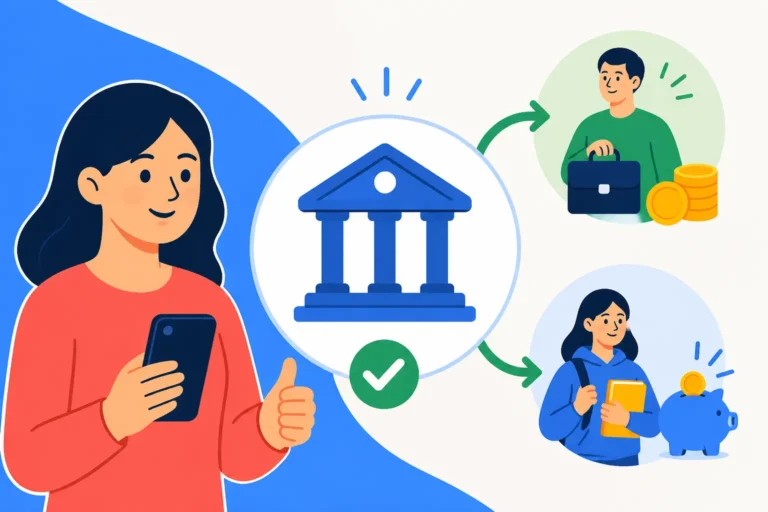
When you first arrive in Denmark, it feels like everything requires a manual payment, a unique code, or a trip to your online banking portal. But soon enough, you’ll hear the term "Betalingsservice" being thrown around. Think of Betalingsservice as the Danish equivalent of a direct debit system, but arguably even more integrated and widespread. It’s the backbone of how most Danes pay their regular, recurring bills without lifting a finger. It truly is one of those quintessential Danish solutions that, once set up, quietly hums along in the background, making life infinitely easier. It allows companies, landlords, municipalities, and even some associations to automatically deduct payments from your bank account on a specific date, provided you’ve given them prior consent.
The Core Concept: Convenience and Control
The fundamental idea behind Betalingsservice is simple: streamline recurring payments. Instead of manually logging into your bank each month to pay your rent, internet, or insurance, Betalingsservice handles it all for you. The convenience factor for expats is immense; it significantly reduces the mental load of remembering payment due dates and avoids the frustration of late fees, which can quickly add up. However, it's not a free-for-all; you, the account holder, retain significant control. Before any payment is processed, you'll receive a notification – usually digitally through your online banking or E-Boks – detailing the upcoming charge. This gives you a chance to review it, and crucially, to object if something looks wrong. This balance of automation with oversight is what makes it such a trusted system here.
It’s worth remembering that this system relies entirely on your Danish bank account. If you’re still in the early stages of settling in and haven’t quite figured out Opening a Bank Account in Denmark: Document Checklist and Delays, getting this sorted is paramount. Without a Danish bank account and a NemKonto, Betalingsservice simply isn't an option for you.
Who Uses It and Why It's Indispensable
Virtually every major company and institution in Denmark that deals with recurring payments uses Betalingsservice. Your landlord, utility providers (electricity, water, heating), internet and phone companies, insurance providers, subscription services like gym memberships or streaming platforms, and even some municipal fees are typically set up through this system. For expats, embracing Betalingsservice is not just about convenience; it's almost a necessity for smooth financial integration. Trying to manage all these bills manually each month would be an exercise in frustration, prone to errors and missed deadlines, particularly when you’re still grappling with the language and the Danish digital infrastructure.
From the perspective of the companies, it guarantees a steady and predictable flow of income, reducing administrative overhead from chasing late payments. For you, it means less time spent on admin and more time enjoying hygge or exploring your new home. For anyone trying to keep their finances in order, especially when dealing with the complexities of things like Taxes in Denmark Explained: A-Skat, AM-bidrag, and Marginal Rates, automating your bills through Betalingsservice frees up mental space to focus on the bigger picture.
Betalingsservice vs. Other Payment Methods
While Betalingsservice is the king of recurring payments, it's not the only way to pay bills in Denmark. However, for recurring bills, it’s usually the most recommended. Let's compare the main options:
- Manual Bank Transfers (Netbank/Online Banking): You can always log into your online bank and manually initiate a transfer. This is necessary for one-off payments, or for bills from smaller businesses that don't offer Betalingsservice. However, it requires you to remember the due date, the correct account number (Reg.nr. and Kontonr. – registration number and account number), and the unique payment ID (often called a "FI-kode" or "Reference nummer") for each bill. It's time-consuming and error-prone for monthly obligations.
- MobilePay: This incredibly popular app is ubiquitous for person-to-person payments and many retail purchases. Some smaller businesses and services might accept MobilePay for certain bills, but it's generally not used for core recurring utility or rent payments. It’s fantastic for splitting restaurant bills or paying for a small purchase at a local market, but not designed for the systematic automation that Betalingsservice offers. You can read more about MobilePay and Cashless Denmark: Surviving Without Physical Cash if you haven't yet mastered it.
- Payment Cards (Credit/Debit): Some subscriptions, particularly international streaming services or certain online purchases, might directly charge your credit or debit card. However, for most Danish utility providers and landlords, Betalingsservice through your bank account is the preferred, and often the only, automated option.
Here’s a quick overview to highlight the differences:
| Feature | Betalingsservice | Manual Bank Transfer (Netbank) | MobilePay (for bills) |
|---|---|---|---|
| Payment Type | Recurring, automated | One-off or manual recurring | Primarily P2P, some small business |
| Setup Effort | One-time setup per creditor | Manual input each time | Often ad-hoc, payee-dependent |
| Required Information | Creditor's Betalingsservice #, Customer # | Reg.nr., Kontonr., FI-kode/Ref. # | Phone number or MobilePay business # |
| Risk of Late Payment | Low (if funds available) | High (if forgotten) | Moderate (if not recurring) |
| Control/Oversight | Notification before deduction, easy pause | Full control (manual initiation) | Immediate payment (no pre-notification) |
| Common Use Cases | Rent, utilities, insurance, subscriptions | One-off purchases, invoices without BS | Casual payments, small purchases, splitting |
| Expat Friendliness | High (once set up) | Low (prone to error) | High (for general use) |
Getting Started with Betalingsservice: Your Step-by-Step Setup Guide
Setting up Betalingsservice can feel a bit like decoding an ancient scroll if you're new to the Danish system, but I promise, it's fairly straightforward once you understand the components. The key is gathering the right information from your service provider or landlord. Don't worry if you don't speak perfect Danish; most online banking portals will have at least some English support, or you can use a translation tool.
The Information You'll Need: From Creditor to Customer Number
Before you even think about logging into your bank, you need to arm yourself with specific details from the company or person you're paying. This information is crucial for your bank to correctly link your account to the recipient's Betalingsservice agreement. Look for it on the invoice, your contract, or reach out directly to the service provider if you can't find it.
You'll typically need:
- Aftalenummer (Agreement Number) or Debitorgruppe (Debtor Group): This is a unique identifier for the company's Betalingsservice agreement. It ensures your payment goes to the right 'pool' of customers for that specific company.
- PBS-nummer (PBS Number) or Leverandørnummer (Supplier Number): This is the company's unique identifier within the Betalingsservice system. Sometimes it's just called a "Betalingsservice nummer."
- Kundenummer (Customer Number) / Abonnementsnummer (Subscription Number) / Medlemsnummer (Membership Number): This is your unique identification number with the specific company you are paying. It tells them who the payment is from. This is vital; without it, they won't know which account to credit.
- Registreringsnummer (Registration Number) and Kontonummer (Account Number) of your Danish bank account: This is your own bank account information from which the payments will be deducted.
It might seem like a lot of numbers, but they all serve to ensure accuracy. If you’re setting up utilities, for instance, for electricity, heating, and water, you'll likely need to do this for each separate utility provider. Remember that for heating and water, your bills are often based on Aconto Payments: How Danish Heating and Water Bills Are Estimated, so setting up Betalingsservice ensures these regular estimations are paid on time.
How to Register: Online Banking vs. Physical Forms
There are two primary ways to set up Betalingsservice:
- Through your Online Banking (Netbank): This is by far the most common and easiest method. Almost all Danish banks offer a clear section within their online banking portal dedicated to setting up new Betalingsservice agreements. You'll typically find a menu item like "Betalinger" (Payments) or "Betalingsservice" where you can initiate the process. You'll then input the PBS/Aftalenummer and your Kundenummer. The bank system will often validate these numbers in real-time to ensure they belong to a recognized Betalingsservice creditor. It’s incredibly intuitive once you’re in the right section. Remember that your online banking usually requires NemKonto and MitID: The Core of Danish Digital Finance (2027) for secure access and transactions.
- Using a Physical Form: Some companies, especially older or more traditional ones, might still send you a physical form to fill out to authorize Betalingsservice. This form will ask for the same information (PBS-nummer, your customer number, your bank account details) and requires your signature. You then typically mail this form back to the company. While less common now, it's good to be aware of this option. Your bank might also have a physical form you can fill out if you prefer to do it in person, though this is rare for most standard setups these days.
Always double-check all the numbers before confirming the agreement. A single digit error can lead to a payment not going through or being misallocated, which can cause significant hassle later.
Navigating Your Bank's Online Portal
Once you've got your MitID fired up and are logged into your Danish bank's online portal (like Nordea, Danske Bank, Jyske Bank, or even a digital bank like Lunar, which caters to many expats), look for the "Betalinger" or "Betalingsservice" section. The exact layout varies by bank, but the steps are generally similar:
- Find "Opret ny Betalingsserviceaftale" (Create new Betalingsservice agreement) or similar.
- Enter the "PBS-nummer" or "Leverandørnummer" of the company you want to pay.
- Enter your "Kundenummer" / "Abonnementsnummer" / "Medlemsnummer". This is your unique ID with that specific company.
- Confirm the payee name and details. Your bank system should display the name of the company once you've entered the correct PBS-nummer, allowing you to verify.
- Choose the bank account from which the payments should be drawn (usually your NemKonto). You can confirm your NemKonto setup via Setting Up Your NemKonto: How to Link It to Receive Salary and SU.
- Review and approve the agreement using your MitID.
Once approved, it usually takes a few days for the agreement to become active. You should receive a confirmation from your bank, and the company you’re paying should also notify you that your Betalingsservice agreement is now in place. Keep an eye on your online banking and E-Boks for these confirmations.
Managing Your Betalingsservice Agreements: Staying in Control
Just because payments are automated doesn't mean you should ignore them entirely. In fact, one of the biggest expat frustrations can be unexpected charges or a lack of clarity on what exactly is being deducted. Betalingsservice is designed with transparency and control in mind, but it requires you to actively use the tools your bank provides.
Understanding Your Betalingsoversigt (Payment Overview)
Every month, usually a few days before the actual deduction, your bank will provide a "Betalingsoversigt" or "Oversigt over kommende betalinger" (Overview of upcoming payments). This is often found within your online banking portal, sometimes under a specific Betalingsservice tab, or it might be emailed to your E-Boks. This overview is your best friend for staying on top of your automated payments.
It lists:
- The date of the deduction.
- The name of the company making the deduction.
- The amount to be deducted.
- A reference (often your customer number or invoice number) so you can match it to your actual bills.
It's crucial to get into the habit of checking this overview. Imagine you’ve just moved into a new apartment, and you’re navigating Initial Rental Costs: Navigating Deposits and Prepaid Rent Laws alongside setting up utilities. This overview will show you exactly what your landlord or utility company plans to deduct, allowing you to cross-reference with your actual bills and contracts. If you see an amount that looks off, or a deduction from a company you don't recognize, this is your warning signal.
Changing Payment Details or Stopping an Agreement
One of the great features of Betalingsservice is the flexibility it offers. Life in Denmark changes, and so might your financial commitments.
- Changing Account: If you switch bank accounts (though for your NemKonto, this isn't a common occurrence for expats unless you switch banks entirely), you'll need to update your Betalingsservice agreements to reflect the new account from which payments should be drawn. Your bank can usually help you with a mass update, or you might have to do it individually for each agreement.
- Temporarily Stopping a Payment: If you see an upcoming payment on your Betalingsoversigt that you believe is incorrect, or if you've been in contact with the company and agreed to delay a payment, you can often "stop" or "reject" a specific upcoming payment directly from your online banking portal before it's processed. There's usually a deadline for this (e.g., up to one banking day before the due date). This is a powerful feature that gives you agency over the automation.
- Cancelling an Agreement: If you no longer need a service (e.g., you’ve moved out of a rental, cancelled a gym membership, or switched insurance providers), you must explicitly cancel the Betalingsservice agreement. While you should also notify the company directly, cancelling the Betalingsservice agreement in your bank ensures no further deductions are made. You can usually do this with a few clicks in your online banking under the Betalingsservice section, or by contacting your bank directly.
Always ensure you have confirmed cancellation with the service provider and cancelled the Betalingsservice agreement. Don't rely solely on one method, or you might find yourself in an awkward situation later.
When Things Go Wrong: Handling Missed Payments and Disputes
Even with the best systems, sometimes things go awry. Here’s what to do if you encounter issues:
- Insufficient Funds: If there aren't enough funds in your account when a Betalingsservice payment is due, the payment will be rejected. Your bank will usually notify you of this. The company attempting to collect the payment will also be notified and will typically send you a reminder (rykker) along with a late fee. It's crucial to pay this immediately. Some companies might attempt to rededuct the payment a few days later, while others will require you to make a manual transfer. This is why it's so important to always have sufficient funds in your NemKonto, particularly as it's often the designated account for most financial transactions and your salary via Understanding CPR Registration and Your Healthcare Entitlement.
- Incorrect Deductions: If you identify an incorrect deduction (e.g., charged for a service you cancelled, or an amount is wrong), the first step is always to contact the company that made the deduction. Provide them with details of the charge and your customer number. If you can't resolve it with the company, or if they are unresponsive, you can then contact your bank. Your bank can assist with disputing the charge or potentially reversing it, but they will almost always require you to attempt to resolve it directly with the payee first. Keep records of all your communication!
Common Bills You Can Automate with Betalingsservice
The sheer breadth of bills that can be handled by Betalingsservice is testament to its central role in Danish financial life. As an expat, understanding which payments can be automated takes a significant burden off your shoulders.
Rent and Housing Costs: Making Life Easier with Your Landlord
For many expats, rent is by far their largest monthly expense. The good news is that the vast majority of landlords, particularly those managing professional rental properties, offer Betalingsservice for rent payments. This is a massive relief, as it ensures your rent is always paid on time, avoiding any potential late fees or strained relationships with your landlord.
When you sign your rental contract, often called a Typeformular A10: Understanding the Standard Danish Lease Agreement, the landlord will usually provide the necessary Betalingsservice details. This includes their PBS-nummer and your specific customer number or agreement ID for your tenancy. It’s essential to set this up as soon as you have your Danish bank account. Sometimes, if your rent includes "aconoto" payments for heating or water, these might be part of the same Betalingsservice agreement or might require separate setups, so always clarify with your landlord or rental agency.
Utilities: Electricity, Heating, and Water
After rent, utilities are the next big recurring expense. In Denmark, you'll typically have separate providers for electricity, potentially district heating (fjernvarme) or gas, and water. Each of these will almost certainly offer Betalingsservice. When you move into a new place and arrange Utilities Setup: Electricity, Water, Heating, and Internet, the providers will send you initial invoices that include all the necessary information to set up Betalingsservice.
For electricity, you might choose a specific green energy provider, or simply go with the default. For heating and water, your options are often dictated by your location and building. Regardless, these are perfect candidates for automation. The amounts might fluctuate slightly throughout the year, especially with aconto payments for heating based on consumption, but with Betalingsservice, you won't have to worry about missing a bill amidst the seasonal changes.
Insurance, Subscriptions, and Other Regular Expenses
Beyond the essentials, a myriad of other recurring payments can and should be automated:
- Insurance: Whether it's your indispensable indboforsikring (home contents insurance), car insurance, or any personal liability policies, insurance premiums are almost always paid via Betalingsservice. It’s a good idea to research Optional Insurances: Indboforsikring (Home Contents) and Travel and get covered, then automate the payments.
- Phone and Internet: Your mobile phone contract and home internet bill are classic Betalingsservice candidates.
- Gym Memberships: Most Danish fitness centers will require you to set up Betalingsservice for your monthly membership fees.
- Union and A-kasse fees: If you've joined a trade union or an A-kasse (unemployment insurance fund), their monthly fees are also typically paid this way. For advice on these crucial organizations, look into Trade Unions and A-Kasse: Why Every Expat Must Understand Them.
- Donations and Subscriptions: Many charities, clubs, and subscription services will also offer a Betalingsservice option.
Automating these payments simplifies your financial life immensely, ensuring that you remain a customer in good standing and don't accidentally lose access to services or benefits due to a missed payment.
Pros and Cons for Expats: Is Betalingsservice Always the Best Option?
While I've waxed lyrical about the benefits of Betalingsservice, it's essential to look at it from an expat's perspective with a balanced view. There are undeniable advantages, but also a few quirks and potential pitfalls that newcomers should be aware of.
The Undeniable Benefits: Time-Saving and Avoiding Late Fees
Let’s be honest, as expats, we have enough on our plate without worrying about a stack of physical bills or a long list of manual transfers each month. The primary benefit of Betalingsservice is the sheer time and mental energy it saves. No more scribbling down due dates, no more frantic logins, no more missing an obscure bill because it arrived in Danish and you didn't quite understand it. It just happens.
This automation is particularly crucial in Denmark, where the consequences of late payments can include hefty fees or even service interruptions. For instance, missing a rent payment can put you in a precarious position with your landlord. Automating these through Betalingsservice essentially removes the human error factor, ensuring you're always on time, every time (assuming, of course, you have funds available). It brings a sense of financial order and calm, allowing you to focus on adapting to Danish culture, mastering the language, or just enjoying your life here. Even for managing international funds, while Wise vs. Revolut in Denmark: Why They Cannot Replace a Danish Bank for things like Betalingsservice, services like Wise are invaluable for other transfers, allowing you to focus your Danish account on automated local payments.
Potential Pitfalls: Overpayments and the Language Barrier
While robust, Betalingsservice isn't entirely foolproof, especially for expats.
- Overpayments or Incorrect Charges: The system relies on the companies to send the correct deduction amounts. If a company makes an error, or if you forget to cancel a service, Betalingsservice will still process the deduction. This is why checking your Betalingsoversigt monthly is so vital. It’s your last line of defense before the money leaves your account. If you're a customer of "Taxes for Expats," for instance, you'd want to ensure that any deductions they make (if they ever used such a system) are accurate and reflect your agreed-upon services.
- Language Barrier: Setting up the initial agreements or dealing with disputes can be challenging if your Danish isn't strong. While online banking often has English options, some smaller companies or specific parts of their websites might be entirely in Danish. This can make finding the correct PBS-nummer or understanding a bill detail more difficult.
- The Catch-Up Period: Sometimes, if you're delayed in setting up Betalingsservice (e.g., waiting for your CPR number or bank account), you might receive a few manual invoices that need to be paid before the automated system kicks in. These manual invoices will need to be paid separately, usually via a bank transfer, and you'll still need the correct FI-kode for each.
When to Consider Alternatives (and When Not To)
For genuine recurring bills that don't vary wildly in amount (like rent, fixed internet plans, or insurance premiums), Betalingsservice is almost always the superior choice. The convenience and reliability are unparalleled within the Danish system.
However, there are situations where alternatives or careful oversight are warranted:
- Variable or Unpredictable Payments: For bills that fluctuate significantly and unpredictably, especially if you want to control the timing of payment more precisely, a manual bank transfer might offer more peace of mind. However, most variable bills (like electricity based on consumption) are still handled well by Betalingsservice, as you get a preview of the deduction.
- New or Untrusted Providers: If you're dealing with a very new or unknown service provider, you might prefer to make the first few payments manually until you build trust and ensure their billing is accurate. This is rare for established Danish companies, but a sensible precaution.
- One-Off Payments: Clearly, for anything that isn't recurring (e.g., buying furniture, paying a plumber for a single job), Betalingsservice isn't applicable. Manual bank transfers or MobilePay are your go-to for these.
Ultimately, for most expats, embracing Betalingsservice is a crucial step towards seamless financial management in Denmark. It’s a system built on efficiency and trust, and once you overcome the initial setup hurdle, it truly makes everyday life much smoother. Just remember to keep an eye on your payment overviews, and don’t be afraid to ask your bank for help if something looks amiss.
Disclaimer
The information provided in this guide is for general informational purposes only and does not constitute financial, legal, or tax advice. While we strive to provide accurate and up-to-date information, the Danish financial system and regulations can change. Always consult with a qualified professional or your bank for advice tailored to your specific situation.