Does the Public Health System Cover Glasses or Contact Lenses?
The transition to life in Denmark usually involves a series of "aha" moments, followed by "wait, how much?" moments. I remember vividly the day I realized my prescription had changed; I walked into a sleek boutique in Vesterbro thinking my yellow health card would handle the bill, only to walk out with a quote that matched my monthly rent.
This guide is designed to help you navigate the nuances of vision care in Denmark, explaining exactly what the state pays for, what you have to cover yourself, and how to minimize those eye-watering costs.
The Reality of Vision Care and the Yellow Card
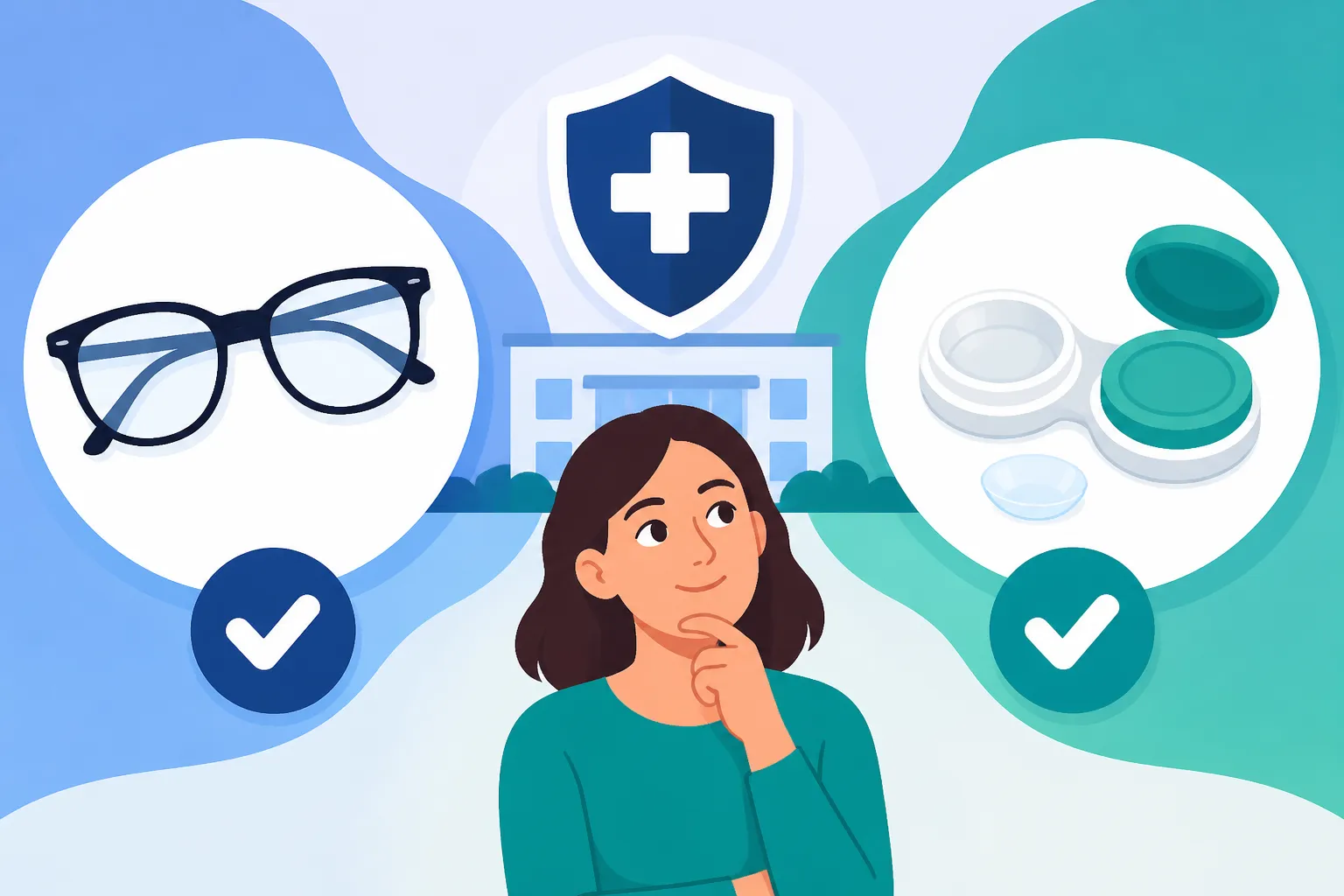
When you first receive your CPR number and that iconic yellow plastic card, it feels like a golden ticket to free healthcare. For the most part, it is. However, the Danish public health system operates on a philosophy of "medical necessity." While a broken arm or a chronic illness is covered 100%, the Danish state generally views glasses and contact lenses as a personal expense for the vast majority of the population.
This can be a significant culture shock if you come from a country where vision care is subsidized or included in basic insurance tiers. In Denmark, the responsibility for correcting your vision falls squarely on your own shoulders. This is why Understanding CPR Registration and Your Healthcare Entitlement is so important; you need to know where the state’s duty ends and your personal financial planning begins.
Why Does the Public System Exclude Glasses
The Danish healthcare model is designed to be a safety net for essential medical treatments. Because the need for glasses is so widespread and varied in cost—ranging from 500 DKK budget pairs to 10,000 DKK designer frames—the government excludes them from the universal coverage to keep the tax-funded system sustainable.
However, this doesn't mean the state ignores your eyes entirely. If you have an actual eye disease, such as glaucoma or cataracts, your consultations and surgeries are fully covered through the public system. The "Yellow Card" covers the medical health of the eye, but not the hardware required to see more clearly.
When the Public Health System Does Pay
While the general rule is "pay it yourself," there are specific exceptions where the municipality (Kommune) or the regional health authorities will step in. These are usually reserved for children, people with specific medical diagnoses, or those on very low incomes.
Children and Vision Support
For parents moving to Denmark, there is a bit of relief. The public system is much more generous toward children under the age of 18. If a child is diagnosed with a vision problem that requires correction, the municipality often provides a subsidy. This is particularly true if the child needs glasses to prevent permanent vision development issues like amblyopia (lazy eye).
In many cases, the school health visitor or a referred ophthalmologist will trigger this process. If you are navigating this with your family, you might also want to look into Family Health in Denmark: Pregnancy, Maternity, and Pediatric Care to see how other childhood health needs are managed within the same system.
Medical Conditions and Special Lenses
There is a category of vision correction called "medical-optical" aids. If your vision cannot be corrected with standard glasses and you require specialized contact lenses due to a condition like Keratoconus (a thinning of the cornea) or after cataract surgery where an intraocular lens wasn't used (aphakia), you may be eligible for a full or partial subsidy.
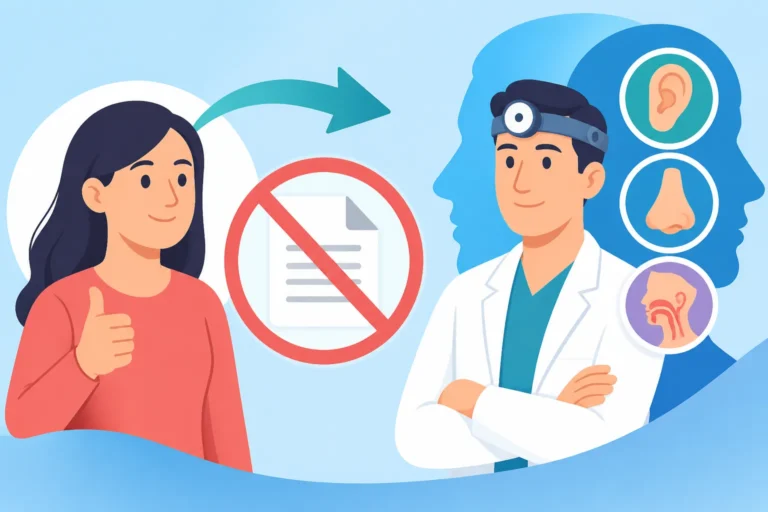
In these instances, you cannot simply go to a local optician. You must be seen by an ophthalmologist (Øjenlæge). In Denmark, unlike many other specialties, you do not always need a referral from your GP to see an eye doctor. You can find more about this in Eye Care in Denmark: Opticians, Glasses, and Ophthalmology Referrals.
Support for Pensioners and Low-Income Residents
If you are a pensioner or receiving certain social benefits, you may be eligible for a "health supplement" (helbredstillæg). This is a means-tested benefit where the municipality covers a portion of the cost of glasses. You must apply for this before you buy the glasses, as they rarely reimburse retroactively.
Opticians vs Ophthalmologists in Denmark
Understanding who to see is the first step in managing your eye health and your wallet. In Denmark, there is a very clear distinction between the commercial side of vision and the medical side.
The Role of the Optician (Optiker)
Opticians are where most Danes go for a standard "Synsprøve" (eye test). These are private businesses like Louis Nielsen, Synoptik, or Profil Optik. When you walk into these shops, you are a customer, not a patient.
- Eye Tests: Usually cost between 0 and 500 DKK. Many chains offer "free" eye tests if you end up buying glasses.
- Hardware: This is where they make their money. Frames, lenses, and contact lens subscriptions are all private transactions.
- Technology: Most modern opticians in Denmark have advanced equipment like retinal cameras and OCT scanners, but they cannot legally diagnose or treat eye diseases. They can only "recommend" you see a doctor.
The Role of the Ophthalmologist (Øjenlæge)
An ophthalmologist is a medical doctor specializing in eye health. Their services are free if you are a member of Group 1 (which almost every expat is).
- When to go: If you have sudden vision loss, pain, redness that won't go away, or a family history of glaucoma.
- Cost: 0 DKK. It is fully covered by your The Yellow Health Card (Sundhedskort): Your Key to Danish Healthcare.
- Referrals: As mentioned, you can usually book an appointment directly with an eye doctor without seeing your GP first, though waiting times can be long (often several months for non-emergency cases).
Comparing Costs for Vision Care in Denmark
To give you a realistic idea of what you’ll be spending, I’ve put together a table based on current market averages in 2026. Keep in mind that prices in Copenhagen might be slightly higher than in smaller towns.
| Service / Product | Public System Coverage | Estimated Private Cost (DKK) |
|---|---|---|
| Standard Eye Test | None | 0 – 450 DKK |
| Budget Glasses (Single Vision) | None | 500 – 1,500 DKK |
| High-End Designer Glasses | None | 3,000 – 8,000 DKK |
| Monthly Contact Lenses | None | 150 – 400 DKK per month |
| Cataract Surgery | 100% Covered | 0 DKK (Public Hospital) |
| Medical Eye Exam (MD) | 100% Covered | 0 DKK |
| Laser Eye Surgery (LASIK) | None (usually) | 15,000 – 30,000 DKK |
How Expats Can Save Money on Glasses
Since the state isn't helping, you have to be strategic. Having lived here for years, I’ve learned a few tricks to avoid the "expat tax" on vision care.
Join Sygeforsikring danmark
This is the single most important piece of advice for any expat. "danmark" is a private, member-owned insurance group that over 2 million Danes belong to. It isn't "health insurance" in the traditional American sense; rather, it's a reimbursement club.
If you are a member of Group 1 or Group 2 in "danmark," they will reimburse you a fixed amount for glasses and contact lenses every year. For example, they might cover 300 DKK of your frames and a portion of your lenses. It doesn't make the glasses free, but it certainly softens the blow. For more details on whether this is right for you, check out Private Health Insurance (Sygeforsikring "danmark"): Is It Worth It?.
Timing Your Purchase
Danish opticians are aggressive with sales. Campaigns like "2-for-1" or "Pay your age in discount" are incredibly common. If you don't need glasses urgently, wait for the seasonal sales (usually January and August). You can often get a spare pair or prescription sunglasses for free during these periods.
Online Retailers
If you have a copy of your prescription (which you have a legal right to ask for after an eye test), you can order glasses from online retailers like Zenni Optical or local Nordic equivalents. This can save you thousands of Kroner. Just be aware that if you need complex progressive lenses, the "fitting" process is much harder to do online.
Insurance Considerations for New Arrivals
If you are brand new to the country and haven't received your CPR number yet, you are in a vulnerable spot. The public system won't cover you, and even the medical eye exams aren't free until that yellow card arrives.
For this "bridge" period, many expats rely on international providers. SafetyWing is a popular choice for those looking for affordable, flexible coverage during their first 90 days. It’s particularly useful if you lose or break your glasses and need a medical exam to get a new prescription while you're still in administrative limbo. You can read more about this in Expat Health Insurance: Coverage Before You Get Your CPR Number.
If you prefer a more "all-in" approach, Cigna Global offers comprehensive plans that can actually include vision modules. These modules often provide much higher coverage for glasses and lenses than the Danish public system or even "danmark" would provide. If you have a very high prescription or a history of eye issues, having a private policy through Cigna Global might save you more in the long run than paying out of pocket in the expensive Danish market.
Laser Eye Surgery in Denmark
A common question I get is whether the public system covers LASIK or other corrective surgeries. The answer is almost always "no." In the eyes of the Danish state, if your vision can be corrected with glasses, then surgery is considered a cosmetic or elective procedure.
The only exception is if there is a massive difference in the prescription between your two eyes (anisometropia) that makes wearing glasses impossible, or if you have a medical condition where glasses/contacts cause physical harm to the eye. For everyone else, laser surgery is a private expense. If you are considering this, look into Does Denmark Have Private Hospitals? Costs and Access to compare the private clinics offering these procedures.
Navigating the Prescription (Recept)
When you get an eye test in Denmark, the optician will give you a "Brilleseddel" (glasses note). It uses the same international format (Sphere, Cylinder, Axis), but the terminology might be in Danish.
If you also need medication for an eye condition, such as antibiotic drops for an infection, your ophthalmologist will send a digital prescription to the national server. You can then pick it up at any "Apotek" by scanning your yellow card. To understand how the subsidy for that medication is calculated, see Pharmacies in Denmark: Apotek Rules, Prescriptions, and Subsidies.
Dealing with Emergencies
If you get something in your eye or experience a sudden, painful infection on a Saturday night, do not wait for an optician to open on Monday. While the public system doesn't cover your glasses, it absolutely covers emergency eye care.
In such cases, you should contact the out-of-hours medical service. Depending on where you live, this might involve Emergency vs. Out-of-Hours Care: When to Call Lægevagten (1813). They can refer you to the emergency eye clinic at a hospital like Rigshospitalet in Copenhagen.
Summary of Action Steps for Expats
- Check your current insurance: If you are moving from abroad, see if your current policy covers "international vision care."
- Get your Yellow Card: Nothing happens in the public system without it.
- Join "danmark": Do this as soon as you have your CPR number. There is a "waiting period" for some benefits, so the earlier, the better.
- Find a local optician: Walk in and ask about their next sale. Danes love a good "tilbud" (offer).
- Keep your prescription digital: Use apps or take a photo of your "Brilleseddel" so you can order contacts or glasses if you're traveling.
Living in Denmark requires a shift in how you budget for health. While you'll never have to worry about a $50,000 hospital bill, you do need to set aside a few thousand Kroner every few years for your vision. It's just part of the "price" of the high-functioning, stable society we enjoy here.
Disclaimer
This guide is for informational purposes only and reflects the Danish healthcare system as of 2026. Healthcare laws and subsidy rates can change. Always consult with a qualified medical professional or the Danish Health Authority (Sundhedsstyrelsen) for specific medical advice or up-to-date coverage information regarding your personal circumstances.