How to Find a GP Accepting New Patients in Copenhagen
Finding a doctor in Copenhagen often feels like trying to find a vacant apartment in Vesterbro—everything is marked as full, and the options that are open seem miles away from where you actually live. I spent my first three weeks in the city staring at a map of "red" clinics on my laptop, wondering if I would ever actually get a GP. This guide walks you through the digital maze of the Danish healthcare system to help you secure a general practitioner who is actually accepting new patients.
The Gatekeeper System Why Your GP Choice is Critical
In Denmark, the healthcare system is built on a "gatekeeper" model. This means your General Practitioner (Praktiserende læge) is your primary point of entry for almost everything. If you have a weird rash, a persistent cough, or need a referral for a psychologist, you cannot just walk into a specialist's office. You must go through your GP first.
When you first move to Copenhagen and register for your CPR number, you are usually asked to pick a doctor from a list. The problem is that many expats just pick the one closest to their temporary Airbnb or the one with the friendliest-sounding name, only to realize later that the clinic is perpetually overbooked or located in a zone that makes commuting a nightmare. The Yellow Health Card (Sundhedskort): Your Key to Danish Healthcare is what grants you access to this system, but the card is only as useful as the doctor’s name printed on it.
If you are currently without a CPR number and find yourself in need of medical attention, you might feel stranded. In these "in-between" periods, many expats rely on Expat Health Insurance: Coverage Before You Get Your CPR Number to bridge the gap. Brands like SafetyWing are particularly popular for digital nomads or those waiting for their administrative paperwork to clear, as they provide a safety net while you navigate the local bureaucracy.
How to Locate Clinics with Open Patient Lists
The most important thing to understand about finding a GP in Copenhagen is the "closed list" status. Most clinics in the city center—especially in Nørrebro, Østerbro, and Frederiksberg—have "closed" (lukket) lists because they have reached their maximum capacity of patients. A clinic only opens its list when a patient moves away or passes away, or if a new doctor joins the practice.
To find an open clinic, you need to use the official tool on the "Find en behandler" section of Sundhed.dk. Here is how you should navigate it:
- Visit the Sundhed.dk website and look for the "Find behandler" (Find practitioner) tool.
- Select "Praktiserende læge" (General Practitioner).
- Enter your postal code (e.g., 2100 for Østerbro or 2300 for Amager).
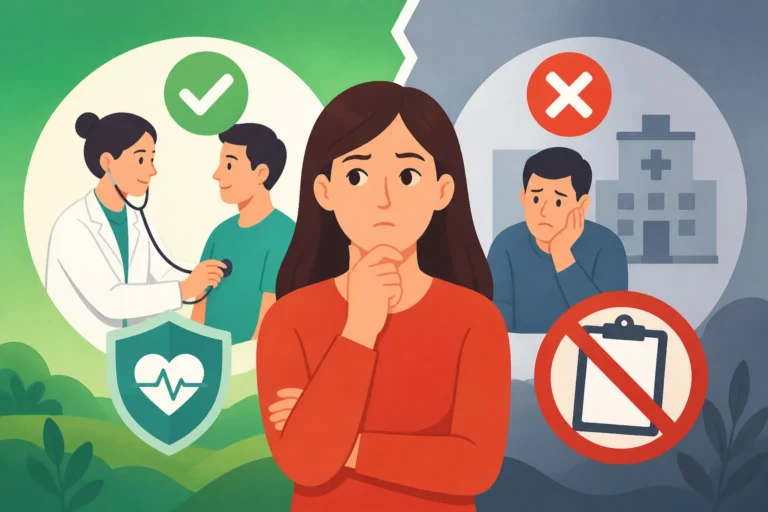
- Look for the status indicator. A green dot or the word "Åben" means they are accepting new patients. A red dot or "Lukket" means they are full.
I recommend checking this list early in the morning. Since Copenhagen is a high-turnover city with people moving in and out constantly, a clinic that was closed on Tuesday might suddenly have two openings on Wednesday morning. It is very much a "first-come, first-served" digital race. If you find an open clinic you like, do not wait; log into Borger.dk immediately to make the change. For a deeper look at this process, you can read about How to Change Your Doctor Online via Borger.dk to ensure you don't miss a spot.
The 5km and 15km Rules in Copenhagen
Copenhagen has specific rules regarding the distance between your home and your GP. Generally, you must choose a doctor located within 5 kilometers of your registered address if you live in a dense urban area like Copenhagen. In some cases, this is extended to 15 kilometers, but for most residents in the capital region, the 5km limit is the standard for "Group 1" insurance.
Why does this matter? If you choose a doctor further away, you are technically waiving your right to home visits from the doctor. In the Danish system, if you are too sick to leave your bed, your GP is supposed to be able to visit you. If you live 10km away in Valby but your doctor is in Hellerup, they won't make that trip.
However, many expats choose to bypass the distance rule because they find a specific English-speaking doctor they trust further away. If you find a GP you love who is 7km away, the system will often let you pick them, but you will have to click a digital waiver acknowledging that you won't get home visits. This is a common trade-off for those who prioritize a specific doctor's expertise over physical proximity. For more on how these choices affect your care, check out Finding Medical Care in Denmark: GPs, Specialists, and Referrals.
Strategies for Finding English-Speaking Doctors
While almost all Danish doctors speak excellent English, there is a difference between "speaking English" and being "culturally comfortable" treating international patients. Some clinics in Copenhagen have a reputation for being more "expat-friendly" simply because they are located near international hubs like the UN City in Nordhavn or the large tech offices in Copenhagen SV.
When searching the list on Sundhed.dk, look for "Kompagniskabspraksis" (partnership practices). These are clinics where 3 or 4 doctors work together. These clinics are often more efficient and have better phone hours than "Soli-praksis" (solo doctors). More importantly, they are more likely to have at least one doctor who is particularly skilled in navigating the needs of foreigners.
If you have specific chronic health needs and the public system's waiting times or GP limits are frustrating, some expats opt for supplemental private coverage. Cigna Global is frequently used by high-earning expats in Copenhagen who want to ensure they can skip the GP referral line and head straight to a private specialist if the public system's "open" clinics don't meet their standards. While the public system is excellent, having a private backup can provide peace of mind during the months you are searching for a permanent GP.
Comparing Your GP Search Options
Finding a doctor is not a one-size-fits-all process. Depending on your location and your urgency, you might take different paths.
| Method | Best For | Pros | Cons |
|---|---|---|---|
| Borger.dk Map | New Arrivals | Direct integration with CPR | Often shows very few "open" clinics |
| Sundhed.dk Search | Active Searchers | Detailed info on clinic hours | Can be overwhelming with data |
| Min Læge App | Mobile Users | Easy to check status on the go | Requires MitID to see full details |
| Word of Mouth | Families | Real reviews on bedside manner | The recommended doctor is usually full |
| Private Insurance | High Urgency | Fast access to specialists | Monthly premiums (e.g., Cigna Global) |
The Cost of Changing Your GP
Is changing your doctor free? Not always. This is a common point of confusion for new residents. When you first move to Denmark and get your CPR, the initial choice of a GP is free. If you move house and your new address is outside your current doctor's range, changing to a new local doctor is also free.
However, if you simply decide you don't like your current doctor or you found a "better" one with an open list in a different part of the city, you will have to pay a fee. As of 2026, this fee is approximately 225-250 DKK. You pay this fee directly through Borger.dk using MitID and a credit card or MobilePay. Once you pay, a new Yellow Health Card will be mailed to your residence within about two weeks.
It is worth noting that you should always check How Long Does It Take to Receive the Yellow Card in the Mail? because you'll need the physical card (or the app version) to check in at your new clinic. At every Copenhagen clinic, there is a card scanner at the entrance. You must scan your card to "check in," which notifies the doctor that you have arrived and ensures the clinic gets reimbursed by the state for your visit.
What to Do if You Can't Find an Open Clinic Nearby
If you live in a particularly crowded part of Copenhagen, like Indre By, and every single doctor within 5km is closed, do not panic. The municipality (Københavns Kommune) is legally obligated to ensure you have access to a doctor.
In rare cases where everything is "red," the system may assign you to a clinic that is technically closed to new patients but has been mandated to take on local residents who have no other options. If the online system literally gives you zero choices, you should contact the "Borgerservice" or the health department of the municipality. They can manually override the system to ensure you are covered under Understanding CPR Registration and Your Healthcare Entitlement.
While you are waiting for these administrative wheels to turn, remember that for urgent but non-life-threatening issues, you can always use the "1813" help line. This is the out-of-hours service for the Capital Region. They can give you medical advice and, if necessary, tell you which emergency clinic to visit.
Final Tips for a Smooth GP Transition
Once you find a GP accepting new patients in Copenhagen, there are a few "unwritten rules" to make your first visit successful. First, the 15-minute rule is real. Most Danish GPs allot exactly 15 minutes per consultation. If you show up with a list of five different health concerns, the doctor will likely ask you to pick the most important one and book a new appointment for the others.
Secondly, use the technology. Download the "Min Læge" (My Doctor) app immediately after your change is confirmed. This app allows you to text your doctor for non-urgent questions, see your lab results, and even have video consultations—which is a lifesaver given the Copenhagen weather.
If you are a frequent traveler or a digital nomad who just arrived, having SafetyWing as a backup while you spend weeks "hunting" for that perfect open GP is a smart move. It takes the pressure off the search and ensures you aren't paying out-of-pocket at a private clinic while the Danish bureaucracy processes your new Yellow Card.
Disclaimer
This guide is provided for informational purposes only and does not constitute legal or medical advice. Healthcare regulations and fees in Denmark are subject to change by the Ministry of Health and local municipalities. Always consult official sources like Borger.dk or Sundhed.dk for the most current information regarding GP registration and healthcare entitlements. If you are experiencing a medical emergency, dial 112 immediately.