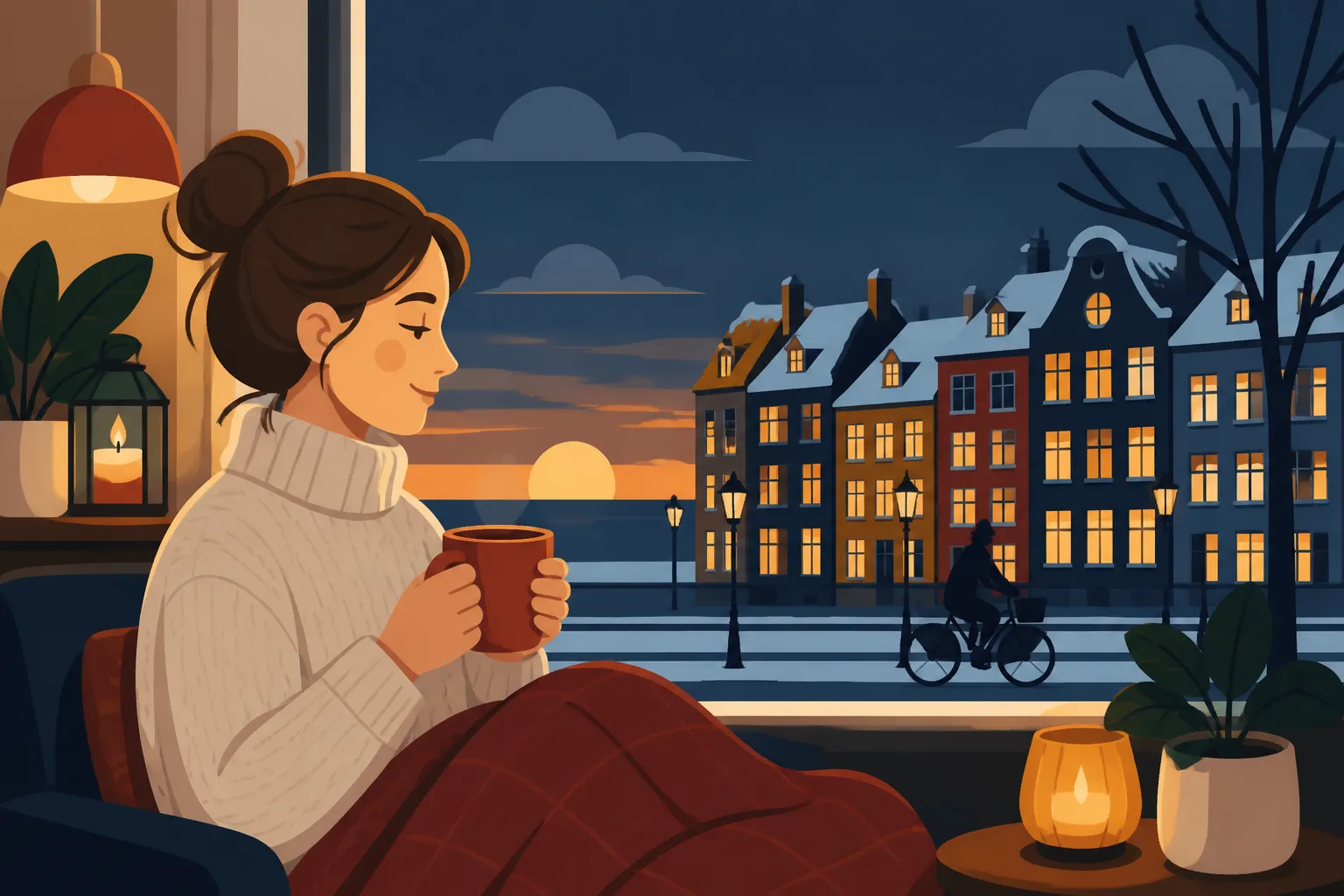
Tips for Surviving the Short Daylight Hours of Danish December
If you've just moved to Denmark, nothing quite prepares you for the sheer intensity of a Danish December. The daylight hours shrink dramatically, often leaving you feeling like you're living in a perpetual twilight, struggling to remember what the sun looks like. It’s a profound shift for many, and it’s completely normal to feel a bit lost, sluggish, or even genuinely sad as the darkness envelops everything. This guide is here to walk you through practical, real-world strategies for not just surviving, but actually finding moments of joy and peace during Denmark's darkest month.
The Stark Reality of Danish Winter Darkness
Let's be brutally honest: Danish winters, especially December, are a different beast entirely. It’s not just a little less sun; it’s a fundamental change to the rhythm of life that can catch even the most resilient expat off guard. The picturesque winter wonderland you might imagine from Christmas cards often translates into grey, damp, and very dark days in reality.
Understanding the Sun's Schedule in December
The sun, bless its heart, makes only a fleeting appearance in December. In Copenhagen, for example, you're looking at roughly seven hours of daylight on the shortest day around the winter solstice (December 21st). But here’s the kicker: that "daylight" is often more of a prolonged dawn merging into an early dusk. The sun rarely climbs high in the sky, often just skirting the horizon, casting a muted, soft light that can feel more like a permanent grey filter than true sunshine. It's a surreal experience that many of us, coming from sunnier climes, find genuinely disorienting. You'll wake up in the dark, commute in the dark, and often find yourself heading home in the dark again, sometimes without ever really seeing a clear sky or a bright sunbeam.
This isn't just a minor inconvenience; it can truly mess with your internal clock and mood. I remember my first Danish December feeling like I was living in a black and white movie for weeks on end. It’s not just the lack of light; it’s the quality of the light – often diffused, cloudy, and a far cry from the crisp, bright days many of us are accustomed to.
The Impact on Mood and Energy Levels
You’re not alone if the gloom starts to creep into your spirit. The reduced exposure to natural light can have a profound effect on our bodies and minds. Our circadian rhythm, the internal clock that regulates sleep-wake cycles, relies heavily on light cues. When those cues are diminished, you might find yourself feeling constantly tired, struggling to wake up in the morning, or experiencing a persistent lack of energy throughout the day. This isn't just "feeling a bit down"; it’s a physiological response.
Many expats have experienced symptoms akin to Seasonal Affective Disorder (SAD), or what Danes often call "vinterdepression" (winter depression). This can manifest as low mood, lethargy, increased appetite (especially for carbs), difficulty concentrating, and a general loss of interest in activities you once enjoyed. It can feel like a heavy blanket has settled over your enthusiasm and motivation. And when you add the inherent challenges of being an expat – navigating a new culture, language barriers, and potentially feeling a bit isolated – the darkness can amplify these feelings exponentially. It’s crucial to validate these feelings and understand that it’s a real, common phenomenon, not just you being overly sensitive.
Practical Strategies for Maximizing Light and Energy
Since we can't magically summon more sun, the next best thing is to be proactive about how we interact with the light we do have, and how we supplement it artificially. This is where Danish pragmatism meets expat resilience.
Harnessing Every Bit of Natural Light
Even if it’s sparse, every photon counts! Make it a habit to open your curtains and blinds the moment you wake up, even if it's still pitch black outside. Let any glimmer of dawn into your home. Keep your windows clean – it might sound trivial, but grime on the glass can significantly reduce the light filtering in.
When you're looking for housing in Denmark, especially if you're coming during the darker months, pay close attention to window direction and size. South-facing windows will always be your best friend. While sites like Spotahome are great for finding available rentals, remember to ask about or look for photos that indicate natural light. It's not just about the square footage; it's about how much light can actually enter. A strategically located window can make a huge difference in your daily mood. Try to position your desk or main living areas near windows, allowing you to catch any available light while working or relaxing. For more insights on securing your living space, you might find our guide on The CPR Registration Rule: Why Your Address Matters helpful, as a stable address is often a prerequisite for many services.
Investing in Artificial Light Solutions
Since natural light is a luxury, artificial light becomes a necessity. But not all light is created equal.
- Light Therapy Lamps (SAD Lamps): These are often recommended by doctors for SAD symptoms. They emit a very bright light (typically 10,000 lux) that mimics natural sunlight, helping to regulate your circadian rhythm and boost mood. The key is consistency: using one for 20-30 minutes each morning, ideally shortly after waking up. You can often find them at pharmacies (apotek), larger electronics stores like Elgiganten, or online. They're not a magic bullet, but many expats swear by them for making mornings feel less like a struggle.
- General Home Lighting: Think about layering your lighting. Instead of one harsh overhead light, use a combination of floor lamps, table lamps, and task lighting. Opt for warmer light temperatures (around 2700-3000K) to create a cozier, more inviting atmosphere, leaning into the "hygge" vibe. Smart bulbs can be fantastic here, allowing you to schedule lights to gradually brighten in the morning, mimicking a sunrise, or to dim slowly in the evening. Don't underestimate the power of a well-lit home to combat the external gloom.
Here’s a quick overview of light therapy lamps to give you an idea:
| Feature | Description | Usage Tips |
|---|---|---|
| Light Intensity | Typically 10,000 lux (to be effective for SAD) | Sit 15-30 cm away for 20-30 minutes each morning. Don't stare directly into the light. |
| UV Filter | Essential for eye safety and skin protection. Most reputable lamps have this. | Always check for a "UV-filtered" or "UV-free" label. |
| Timer Function | Allows for automatic shut-off after a set period. | Handy for consistent use. Set it and forget it while you have your morning coffee or breakfast. |
| Portability/Size | Varies from small desk lamps to larger panels. | Consider where you'll use it most. A smaller one might be good for travel; a larger one for home use. |
| Cost | Ranges from DKK 500 to DKK 2000+, depending on features and brand. | View it as an investment in your well-being. Look for medical-grade certifications if possible. |
For more detailed advice on managing the darker months, check out our article on Winter Depression (SAD) in Denmark: Light Therapy and Vitamin D Tips.
Adjusting Your Daily Routine
The darkness demands a re-evaluation of your daily habits.
- Embrace Morning Light Exposure: Even if it’s still dark when you wake up, try to get some light exposure first thing. This means turning on your SAD lamp, or at least bright indoor lights. This signals to your brain that the day has begun, helping to kickstart your energy levels and regulate melatonin production.
- Schedule Outdoor Time: This is non-negotiable. Make a conscious effort to get outside during the brightest part of the day, even if it’s only for a 15-minute walk. Lunch breaks are perfect for this. Even on a cloudy day, the natural light exposure outside is significantly more beneficial than indoor light. Dress warmly, get some fresh air, and move your body. It sounds simple, but it makes a world of difference.
- Maintain a Consistent Sleep Schedule: The temptation to hibernate or sleep in when it’s constantly dark is strong, but resisting it is key. Go to bed and wake up around the same time each day, even on weekends. This helps reinforce your circadian rhythm, preventing further disruption from the lack of light. Consider dimming lights and avoiding screens an hour or two before bed to signal to your body that it’s time to wind down.
Embracing Danish Winter Culture: Hygge and Connection
While the darkness can be isolating, Denmark offers a powerful antidote: hygge. This isn't just a marketing buzzword; it's a profound cultural approach to navigating the long, dark months, and it’s something you absolutely must lean into as an expat.
The Art of Hygge as a Coping Mechanism
Hygge is more than just coziness; it’s a feeling of comfort, contentedness, and connection, often in the presence of loved ones or enjoyed in solitude. It's about creating a warm, inviting atmosphere and savoring the simple pleasures of life. And crucially, it's a deliberate act designed to make the cold and dark more bearable.
Think about it:
- Candlelight: Danes burn more candles per capita than almost any other nation. It's not just for aesthetics; it’s for the soft, warm glow that instantly changes the mood of a room. Invest in some good quality, unscented candles.
- Warm Drinks and Comfort Food: Embrace the Danish tradition of coffee, tea, and gløgg (mulled wine) during winter. Bake some æbleskiver or simply enjoy a hearty stew. These small, sensory experiences contribute significantly to the feeling of hygge. Our guide to Supermarkets in Denmark: Netto, Rema 1000, and Føtex Compared can help you find all the ingredients you need.
- Cozy Textiles: Blankets, soft pillows, wool socks – anything that adds to your physical comfort. Wrap yourself in a warm blanket while reading a book or watching a movie.
- Good Company: Hygge is often best shared. Invite friends over for dinner, play board games, or simply have a long chat over coffee. The shared warmth and human connection are vital.
Embracing hygge means actively deciding to create warmth and light from within, rather than passively succumbing to the external darkness. It's a mindset shift that can profoundly change your winter experience.
Fostering Social Connections
Isolation can be particularly debilitating during the dark months. As an expat, building a support network is already a challenge, and the winter can exacerbate feelings of loneliness. So, be intentional about connecting with people.
- Join Local Groups and Associations: Denmark has a rich "foreningsliv" (club life). Whether it's a sports club, a language exchange group, a book club, or a hobby group, these are fantastic avenues for meeting like-minded people. Don't be shy; Danes are often more open to connecting in structured settings. You can find more information in Foreningsliv: Joining Danish Clubs and Associations to Mingle or specifically on Joining a Local Football Club or Sports Association (Idrætsforening).
- Expat Communities: Seek out expat groups on Facebook or through local organizations. These communities understand your unique challenges and can provide a vital support network. There's comfort in knowing others are going through the same thing.
- Stay Connected Digitally: Don’t forget your support system back home. Schedule regular video calls with family and friends. Modern solutions like Airalo for eSIMs can be a lifesaver, ensuring you have reliable data connectivity to make those calls without worrying about roaming charges or spotty Wi-Fi. It’s a small thing, but seamless communication can really lift your spirits when you're far from home. Make sure your home internet is up to snuff too, with tips from Utilities Setup: Electricity, Water, Heating, and Internet.
- Be Proactive: Danes can seem reserved at first, but they are generally warm once you get to know them. Take the initiative to invite colleagues for a post-work drink, suggest a coffee meet-up, or plan a potluck dinner. Building these connections takes effort, but it's incredibly rewarding.
Prioritizing Your Physical and Mental Well-being
Beyond light and social interaction, your fundamental physical and mental health are paramount during Danish winter. Don't neglect these aspects, as they form the bedrock of your resilience. For a general overview of the healthcare system, our Healthcare in Denmark for Foreign Residents: Complete System Guide (2027) is a good starting point.
Diet, Exercise, and Vitamin D
These three pillars are crucial for maintaining energy and mood.
- Vitamin D Supplementation: This is perhaps the most critical advice for surviving Danish winter. Due to the minimal sunlight, most people in Denmark (expats and Danes alike) are vitamin D deficient during winter. It's strongly recommended by health authorities to take a daily vitamin D supplement (typically 10-20 micrograms, or 400-800 IU). You can buy these over-the-counter at any pharmacy (apotek) or even most supermarkets. It can significantly impact your mood and energy levels. While you can get some vitamin D from fatty fish like salmon or cod liver oil, supplementation is usually necessary here.
- Healthy Eating: The temptation to comfort eat sugary, carb-heavy foods is real when it's dark and cold. However, a balanced diet rich in fruits, vegetables, and lean proteins will provide more sustained energy and better mood regulation. Focus on nourishing your body, not just filling it.
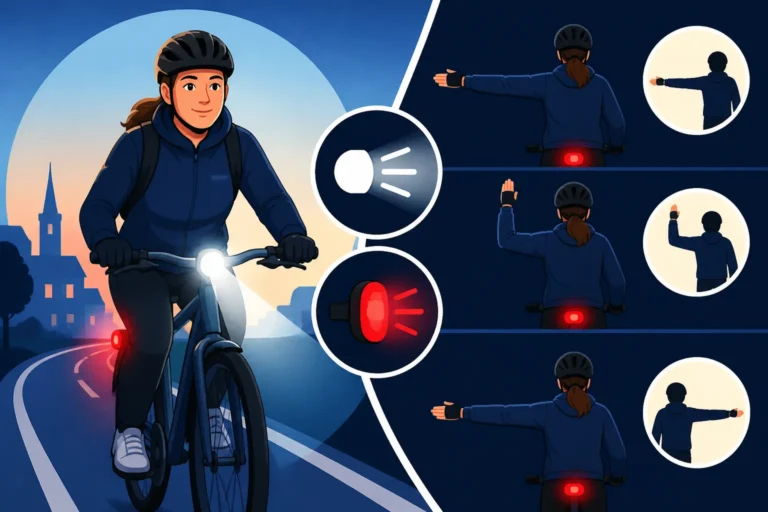
- Stay Active: It’s harder to motivate yourself to go to the gym or for a run when it’s grey and cold. But exercise is a powerful mood booster. Find indoor activities you enjoy: gym classes, swimming, yoga, dancing, or even just working out at home. If you're hardy, embrace winter walks, runs, or cycling – just make sure you're well-equipped with warm clothing and proper reflective gear. Regular physical activity can combat lethargy and improve sleep quality.
Seeking Professional Help When Needed
While many of us can cope with the winter blues using the strategies above, sometimes the darkness can lead to more serious mental health challenges. It's absolutely vital to recognize when you need more than self-care and to seek professional help. There's no shame in admitting you're struggling.
- Consult Your GP (General Practitioner): Your GP (læge) is always your first point of contact in the Danish healthcare system for any health concerns, including mental health. If you consistently feel sad, hopeless, have trouble sleeping or eating, or struggle with daily tasks, make an appointment. Your GP can assess your symptoms, offer advice, and potentially recommend light therapy, or refer you to a psychologist or psychiatrist. Don’t hesitate to bring up concerns about "vinterdepression." Learn how to find your doctor in Finding an English-Speaking Doctor: Directories and Local Strategies.
- Psychologists and Therapy: If your GP believes it’s necessary, they can refer you to a psychologist. With a referral, a portion of the cost is covered by the public health system, making therapy more accessible. Many psychologists in Denmark, especially in larger cities like Copenhagen and Aarhus, offer sessions in English. Our articles Mental Health in Denmark: Accessing Psychologists and Therapy for Expats and How GP Referrals Reduce the Cost of Psychologist Visits provide detailed information. You might also find specific resources in Accessing English-Speaking Therapists and Counselors in Copenhagen.
- Be Persistent: Navigating any healthcare system in a foreign country can be daunting, and Denmark is no exception. Don’t be afraid to clearly articulate your feelings to your GP and advocate for the support you need. They are there to help.
Surviving December in Denmark isn't about wishing the darkness away, but about actively adapting and building resilience. By maximizing light, embracing hygge, connecting with others, and prioritizing your well-being, you can not only get through it but potentially discover a deeper appreciation for the unique charm of a Danish winter. You've got this!
Disclaimer
Please remember that this guide provides general information based on common expat experiences in Denmark. While we strive for accuracy, the information shared here is not a substitute for professional medical, legal, or financial advice. Always consult with a qualified professional for advice tailored to your specific situation. Regulations and recommendations can change, so it's always wise to check the latest official sources.