Psychiatric Care in Denmark: Referrals, Diagnosis, and Treatment
Navigating the mental health landscape in a foreign country is a daunting task, especially when the system's gatekeeping feels like a maze of bureaucracy. I remember sitting in my GP's office in Vesterbro during my second winter, trying to find the words to explain that my exhaustion wasn't just the lack of sunlight, but something deeper. This guide provides a clear roadmap for accessing psychiatric care in Denmark, from your first GP visit to specialized treatment.
Understanding the Danish Psychiatric System: The Gatekeeper Model
The Danish healthcare system is built on a foundation of primary care gatekeeping. This means you cannot simply walk into a psychiatrist's office and ask for an appointment. Everything, unless it is a life-threatening emergency, begins with your General Practitioner (GP). For many expats used to direct-access systems, this can feel like an unnecessary hurdle, but in Denmark, your GP is the essential bridge to the Healthcare in Denmark for Foreign Residents: Complete System Guide (2027). They are responsible for your initial screening and deciding whether your needs can be managed in a primary care setting or require a specialist.
The system is divided into two main sectors: the public regional health service and the private sector. The public system is funded through taxes, meaning that if you have a referral, the treatment is free of charge. However, the trade-off is often a significant wait. For those who need immediate or highly specific care, the private sector offers a faster route, though it requires out-of-pocket payments or comprehensive Expat Health Insurance: Coverage Before You Get Your CPR Number. Understanding this distinction early on will save you weeks of frustration when you are already feeling vulnerable.
It is also vital to distinguish between a psychologist and a psychiatrist in the Danish context. A psychologist (psykolog) focuses on talk therapy and is generally accessed through a subsidized referral where you still pay a portion of the fee. A psychiatrist (psykiater) is a medical doctor who handles complex diagnoses and medication management. If your condition requires clinical diagnosis or pharmacological intervention, you must navigate the psychiatric referral path specifically.
The Role of the General Practitioner
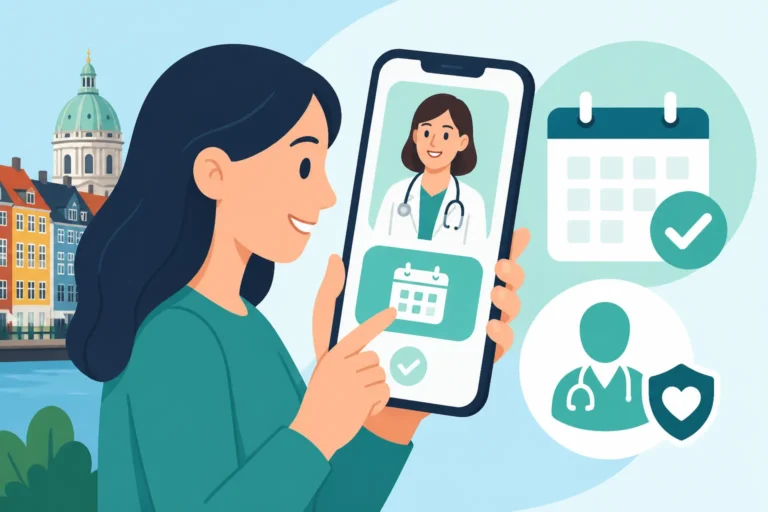
Your GP is the most important person in your journey toward mental health support. When you book an appointment, it is helpful to specify that it is for a "mental health talk" (samtale), as these appointments often require more than the standard ten-minute slot. During this session, the GP will perform a basic assessment, which may include standardized questionnaires for depression or anxiety. I found that being brutally honest about the impact of my symptoms on my daily life was the only way to ensure the referral was taken seriously.
If the GP determines that you need specialist care, they will issue an electronic referral. This referral is sent to a central system, but in many cases, you are responsible for finding a private psychiatrist who has a contract with the public health service. This is where The Role of the GP: Why You Cannot Go Directly to a Specialist becomes most apparent; without that electronic mark in the system, no public psychiatrist will see you.
Public vs. Private Psychiatry
Public psychiatric care is managed by the five administrative regions in Denmark (such as Region Hovedstaden or Region Midtjylland). The public "Psykiatri" handles the most severe cases, including schizophrenia, bipolar disorder, and severe clinical depression. For moderate conditions, you are usually referred to a private-practice psychiatrist who operates under a regional agreement. These specialists are free for you but often have waiting lists ranging from six months to over a year.
If you cannot wait, you may opt for the purely private market. Here, you pay the full price of the consultation, which can range from 1,500 to 3,000 DKK per hour. For expats who have not yet secured their Understanding CPR Registration and Your Healthcare Entitlement, or those who want to bypass the public queues, using a provider like Cigna Global can be a lifesaver, as their international plans often cover private psychiatric consultations that the standard Danish system does not.
The Referral Process: Moving from Your GP to a Specialist
Once you have your referral, the clock starts ticking, but the pace is rarely fast. The referral is usually valid for a specific period and allows you to contact specialists listed on Sundhed.dk. This is a critical stage where many foreigners get stuck because the list of doctors is in Danish, and many clinics are not accepting new patients. You must be proactive; the system does not "assign" you a psychiatrist in the moderate-care tier; you must find one with an open slot.
For those with more acute needs, the referral might be sent to the "Central Visitation" (CVP) of your region. They will review the GP's notes and decide if you qualify for a "pakke-forløb" (treatment package) within the hospital system. These packages are highly structured and designed to provide a set number of hours of therapy and medical follow-up for specific diagnoses like PTSD or personality disorders.
How to Prepare for the Referral Appointment
When you finally get that first appointment with a specialist, preparation is key. Because the Danish system is efficiency-oriented, the psychiatrist will expect a clear history of your symptoms. I highly recommend writing down a timeline of your mental health history before you go. Mention any previous diagnoses from your home country, as well as any medications you have taken in the past.
It is also a good idea to check How to View Your Medical Records and Lab Results on Sundhed.dk to see what your GP wrote in the referral. Sometimes nuances get lost in translation, and if your GP didn't emphasize the severity of your situation, the psychiatrist might not prioritize your case. Being your own advocate is a necessary skill in the Danish medical world.
Waiting Times and Regional Differences
Waiting times for psychiatric care are a frequent topic of debate in the Danish parliament, and for good reason. Depending on where you live, the wait for a non-urgent psychiatric evaluation can be staggering. In Copenhagen and Aarhus, the demand is incredibly high, and it is not uncommon to see waiting times of 40 to 60 weeks for private-practice psychiatrists.
| Region | Typical Wait (Non-Urgent) | Specialized Clinics Availability |
|---|---|---|
| Region Hovedstaden (Copenhagen) | 40-65 weeks | High |
| Region Sjælland | 30-50 weeks | Medium |
| Region Syddanmark | 25-45 weeks | Medium |
| Region Midtjylland (Aarhus) | 35-55 weeks | High |
| Region Nordjylland | 20-40 weeks | Low |
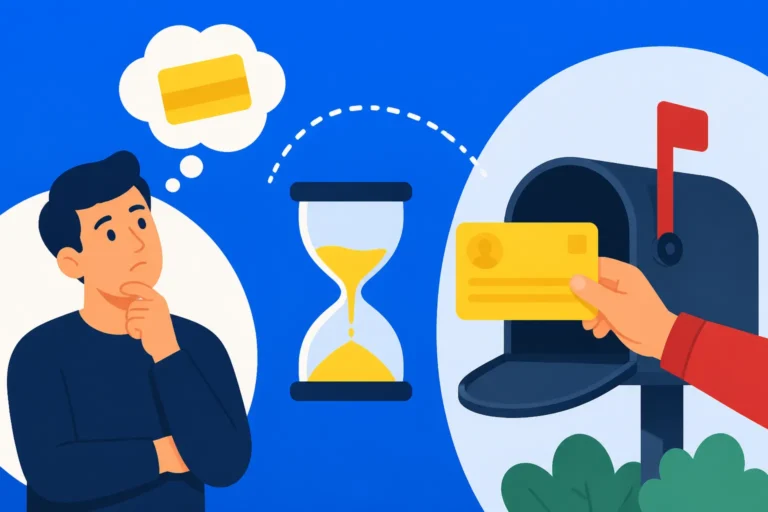
To mitigate these waits, some expats choose to use temporary coverage like SafetyWing during their first few months in the country. While primarily a travel and nomad insurance, it can provide a buffer while you wait for your The Yellow Health Card (Sundhedskort): Your Key to Danish Healthcare to arrive and for the public system to move your file forward.
Diagnosis and Assessment: What to Expect in the Public System
The diagnostic process in Denmark is known as "udredning." This is a thorough investigation that usually involves several sessions. You will meet with a psychiatrist or a specialized psychologist who will use clinical interviews and standardized testing. The goal is not just to give you a label, but to determine which "treatment package" you fit into. In the Danish system, the diagnosis dictates the resources allocated to your care.
For many foreigners, this process can feel cold or overly clinical. The Danish approach is very evidence-based, and they often rely heavily on the ICD-10 (moving toward ICD-11) criteria. Do not be surprised if they ask deep questions about your childhood, your work life, and your social habits. They are looking for a holistic view to ensure the diagnosis is robust enough to justify long-term public funding.
The Initial Assessment (Udredning)
During the udredning, you may also be asked to provide blood samples or undergo physical exams at your GP to rule out underlying conditions like thyroid issues or vitamin deficiencies. This is standard procedure. If you are seeking Neurodiversity Support: ADHD and Autism Diagnosis for Adults, the process is even more specialized and may involve interviews with family members if possible, to establish that symptoms were present in childhood.
The outcome of the udredning is a diagnostic report. Once this is finalized, the psychiatrist will discuss the "behandlingsplan" (treatment plan) with you. This could involve medication, group therapy, individual therapy, or a combination. If you are in the public hospital system, this plan is usually time-limited, often lasting 6 to 12 months, after which you are transferred back to your GP for ongoing maintenance.
Managing Language Barriers During Diagnosis
While almost all Danish psychiatrists speak excellent English, the nuance of mental health can sometimes be lost when you aren't speaking your native tongue. You have a legal right to an interpreter if the doctor deems it necessary for the treatment. However, for most English speakers, the bigger challenge is cultural. Some concepts of mental health in the US or UK don't translate perfectly into the Danish medical framework.
If you feel you are not being understood, it is okay to ask for clarification. You can also look for Accessing English-Speaking Therapists and Counselors in Copenhagen to supplement your psychiatric care. Having a therapist who understands your cultural background can be a vital support while you navigate the more rigid medical side of the Danish psychiatric system.
Treatment Options: Therapy, Medication, and Hospitalization
Treatment in Denmark is generally divided into pharmacological (medication) and psychotherapeutic (talk therapy) interventions. If your psychiatrist prescribes medication, the prescriptions are handled digitally. You can pick them up at any pharmacy (apotek) using your yellow health card. I found the Using the Medicinkortet App: Managing Your Prescriptions Digitally incredibly helpful for keeping track of renewals and seeing how much of my "subsidy" I had used for the year.
Psychotherapy within the psychiatric system is often group-based. The Danish system is a big believer in the efficacy of group therapy for conditions like anxiety, PTSD, and personality disorders. While this can be intimidating at first, it is often where people find the most profound support from others navigating the same system.
Public Therapy and Subsidies
If your needs are primarily for talk therapy rather than psychiatric intervention, the GP referral works slightly differently. You will be referred to a psychologist, and the government will cover about 60% of the cost, leaving you with a co-pay of around 350-450 DKK per session. There are specific categories for this subsidy, such as "depression," "anxiety," or "bereavement."
For many expats, the limited number of subsidized sessions (usually 12) isn't enough for long-term recovery. This is why many choose to supplement with Private Health Insurance (Sygeforsikring "danmark"): Is It Worth It?, which provides additional reimbursements for psychologist visits. If you have a global plan from a provider like Cigna Global, you may find that your therapy is covered more extensively than what the Danish public system allows.
Inpatient Care and Emergency Psychiatry
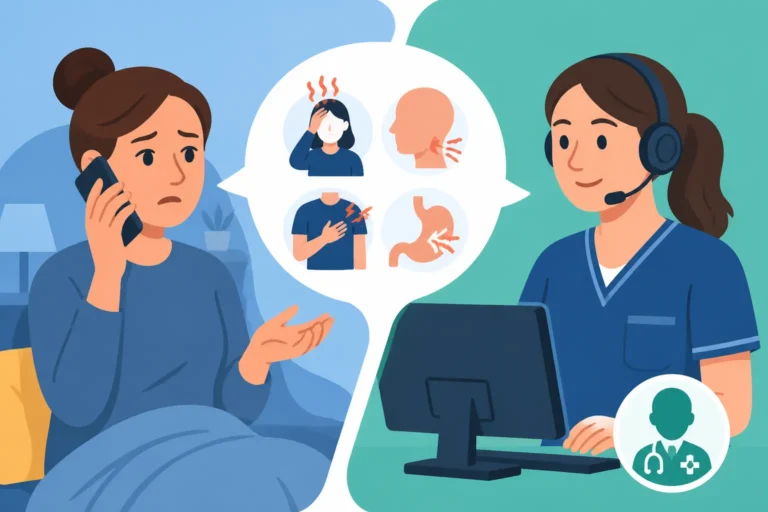
In the event of a mental health crisis, Denmark has a dedicated "Psykiatrisk Skadestue" (Psychiatric Emergency Room). You do not need a referral to go here. If you are in immediate danger of harming yourself or others, or if you are in a state of psychosis, you can show up at any time. It is always better to call the Emergency vs. Out-of-Hours Care: When to Call Lægevagten (1813) line first if you are in the Copenhagen area, as they can guide you to the right location.
Inpatient treatment is reserved for the most acute phases of illness. The goal of Danish psychiatric wards is stabilization and a quick return to outpatient care. The wards are generally safe and modern, but the focus is heavily on medical stabilization rather than long-term intensive therapy. If you are admitted, you will be assigned a "contact person" who coordinates your care and your eventual discharge plan.
Costs and Insurance: Navigating Public Subsidies and Private Options
One of the greatest shocks to new arrivals is that while "healthcare is free," the path to accessing that free care can be so long that it feels inaccessible. This is where your financial strategy for mental health comes into play. The Yellow Card is your ticket to free public psychiatry, but it doesn't cover everything, such as the full cost of psychologists or certain brand-name medications.
For those who are moving to Denmark for work, check if your employer provides a "Sundhedsforsikring" (Private Health Insurance). These corporate plans, often through providers like PFA or Danica, frequently include a "fast-track" to psychiatric evaluation, bypassing the 50-week public wait. This is one of the most valuable benefits an expat can have in Denmark.
The Yellow Card (Sundhedskort) Coverage
The Yellow Health Card (Sundhedskort): Your Key to Danish Healthcare covers all consultations with a psychiatrist if you have a referral. It also covers the cost of hospitalization and the majority of the diagnostic tests. However, medication is tiered. You pay 100% of the cost until you reach a certain threshold, after which the government starts covering a percentage of the price.
| Annual Spending on Medication | Reimbursement Percentage |
|---|---|
| 0 – 1,075 DKK | 0% |
| 1,075 – 1,755 DKK | 50% |
| 1,755 – 3,810 DKK | 75% |
| Above 3,810 DKK | 85% – 100% |
Private Health Insurance: Is It Worth It?
If you don't have an employer-funded plan, you might wonder if it's worth buying your own. For those who prioritize mental health, the answer is often yes. A private plan can give you access to a psychiatrist within 2-4 weeks. When I was struggling, knowing I could see someone quickly without waiting for a year was worth the premium.
SafetyWing is an excellent option for the transition period when you are waiting for your CPR number, as it covers unexpected crises. For long-term residents, Cigna Global offers more comprehensive psychiatric modules that can be tailored to include outpatient therapy and mental health hospitalizations. These private options allow you to choose your own doctor, which can be essential if you are looking for a specialist who speaks your native language or understands a specific cultural context.
Neurodiversity and Specific Conditions (ADHD, Depression)
Denmark has seen a massive surge in ADHD and autism diagnoses over the last few years, leading to a significant strain on the psychiatric system. If you are an expat arriving with a pre-existing diagnosis, do not assume your foreign prescription will be immediately honored. You will likely need to go through a "re-validation" process with a Danish psychiatrist to get a local prescription for controlled substances like Ritalin or Elvanse.
Depression is also a major focus, particularly given the Scandinavian climate. The "winter blues" is taken very seriously here, and GPs are well-versed in Winter Depression (SAD) in Denmark: Light Therapy and Vitamin D Tips. If your depression is seasonal, the treatment path might focus more on light therapy and lifestyle adjustments before moving into the psychiatric "pakke-forløb."
Adult ADHD Diagnosis in Denmark
The process for getting an ADHD diagnosis as an adult in the public system is currently one of the longest queues in the country. Many expats find it more efficient to pay for a private assessment (which costs around 10,000 to 15,000 DKK) and then transfer the treatment back to the public system for medication management.
If you go this route, ensure the private psychiatrist provides a detailed "epikrise" (summary) that your GP can use. The Neurodiversity Support: ADHD and Autism Diagnosis for Adults guide offers more specific details on which clinics are expat-friendly and how to handle the transfer of foreign medical records into the Danish system.
Winter Depression (SAD) Support
The dark Danish winters can exacerbate existing psychiatric conditions or trigger new ones. It is not uncommon for GPs to suggest Vitamin D supplements and light lamps as a first line of defense. However, if your symptoms are severe, you may be referred for Mental Health in Denmark: Accessing Psychologists and Therapy for Expats.
Danes have a concept called "hygge" to cope with the winter, but they also have a very high rate of antidepressant use. There is no stigma in the Danish medical community regarding medication for depression; in fact, the approach is very pragmatic. If you need it to function and work, the system will support you in finding the right dosage and type.
Disclaimer
This guide is intended for informational purposes only and does not constitute professional medical advice, diagnosis, or treatment. The Danish healthcare system is subject to frequent legislative and administrative changes. Always consult with a qualified General Practitioner (GP) or a licensed psychiatrist in Denmark regarding your specific health needs. If you are experiencing a mental health emergency, please call 112 or contact your local psychiatric emergency room immediately.