Public Holidays in Denmark 2026: When Supermarkets Are Closed
Ah, the joys and subtle frustrations of Danish public holidays! You've just found your perfect apartment, got your CPR Registration Rule: Why Your Address Matters sorted, and you're finally settling into your new life here in Denmark. You think you've got this adulting thing down, proudly navigating your Utilities Setup: Electricity, Water, Heating, and Internet and even figuring out the nuances of your MobilePay and Cashless Denmark: Surviving Without Physical Cash app. Then, BAM! You wake up on a seemingly normal Friday, pop down to your local Netto for some milk and rugbrød, only to find it completely locked up, dark, and desolate. Welcome to the wonderful world of Danish public holiday closures, my friend! It’s a rite of passage for every new expat, that moment of realization that your carefully planned grocery run has been utterly foiled by a national day off.
This guide is going to walk you through all the public holidays in Denmark for 2026, with a special focus on when those all-important supermarkets will be taking a well-deserved break. We’ll cover how to plan your shopping, what services might still be available, and how to embrace the Danish way of celebrating these festive (and sometimes surprisingly quiet) days. Trust me, a little foresight goes a long way here, and you'll be a pro at holiday logistics in no time.
Navigating the Danish Calendar of Public Holidays in 2026
Danish public holidays, or helligdage, are woven deep into the fabric of the country’s rhythm. They’re not just days off work; they often mean a significant slowdown of commercial activity, especially when it comes to grocery stores. For those of us coming from countries where "public holiday" might just mean a bank is closed but shops hum along as usual, this can be quite a cultural adjustment.
Why Danish Public Holidays Impact Daily Life
The impact of public holidays here goes far beyond just your employer giving you a day off. It's a fundamental shift in the pace of life. Imagine a city that usually buzzes with the quiet efficiency you’ve come to expect from Denmark suddenly feeling a bit… empty. Streets might be quieter, many businesses shuttered, and if you haven't prepared, you could find yourself staring into an empty fridge with nowhere to buy food. This isn't just about inconvenience; it’s about a deeply ingrained cultural practice of using these days for family, reflection, and slowing down. So, when shops close, it’s not just a commercial decision; it’s a reflection of society taking a collective breath.
Official Public Holidays in Denmark 2026
While Denmark isn't known for having a huge number of public holidays compared to some other European nations, the ones we do have are properly observed. One common point of confusion for new arrivals is the abolition of Store Bededag (Great Prayer Day) in 2023. So, if you hear Danes reminiscing about it, know it’s no longer a statutory day off. For 2026, here's your essential list to keep track of:
| Holiday Name (Danish) | Holiday Name (English) | Date (2026) | Typical Supermarket Status |
|---|---|---|---|
| Nytårsdag | New Year's Day | January 1 | Closed |
| Skærtorsdag | Maundy Thursday | April 2 | Closed or Reduced Hours |
| Langfredag | Good Friday | April 3 | Closed |
| Påskedag | Easter Sunday | April 5 | Closed |
| 2. Påskedag | Easter Monday | April 6 | Closed or Reduced Hours |
| Kristi Himmelfartsdag | Ascension Day | May 14 | Closed or Reduced Hours |
| Pinsedag | Whit Sunday | May 24 | Closed |
| 2. Pinsedag | Whit Monday | May 25 | Closed or Reduced Hours |
| Grundlovsdag | Constitution Day | June 5 | Often closes early (12 pm) |
| Juledag | Christmas Day | December 25 | Closed |
| 2. Juledag | 2nd Day of Christmas | December 26 | Closed or Reduced Hours |
It’s worth noting that Constitution Day (Grundlovsdag) on June 5th is a bit of a mixed bag. While it's a significant national day, many workplaces treat it as a half-day, and while banks and public offices are often closed, some larger supermarkets might be open with reduced hours or close early, usually around noon. However, smaller shops and local bakeries might defy these closures, but don't count on it for a full grocery haul.
Bank Holidays vs. Retail Closures: What's the Difference?
In many countries, a "bank holiday" often means governmental offices and banks are shut, but retail shops, especially supermarkets, largely remain open. Not so much in Denmark. Here, the concept of a helligdag generally extends to most retail operations. So, while banks and public institutions are almost always closed, you'll find that the larger supermarkets like Føtex, Bilka, Netto, and Rema 1000 will also adhere to these closures, particularly on the really significant ones like Good Friday, Easter Sunday, Whit Sunday, Christmas Day, and New Year’s Day.
The difference lies in the cultural expectation and, to some extent, the legislation that governs retail opening hours. These days are seen as genuine days of rest for most workers, including those in the retail sector. It's a stark contrast to some places where public holidays are prime shopping days, meaning staff might even earn higher wages for working. Here, it’s just expected that everyone gets a break.
Supermarket Closures: Your Guide to Grocery Shopping on Holidays
This is arguably the most critical piece of information for any expat in Denmark – knowing when and where you won't be able to buy your daily necessities. Getting caught out on a public holiday with an empty fridge is a rookie mistake, and one we want you to avoid!
The Strict Rules for Retail on Major Holidays
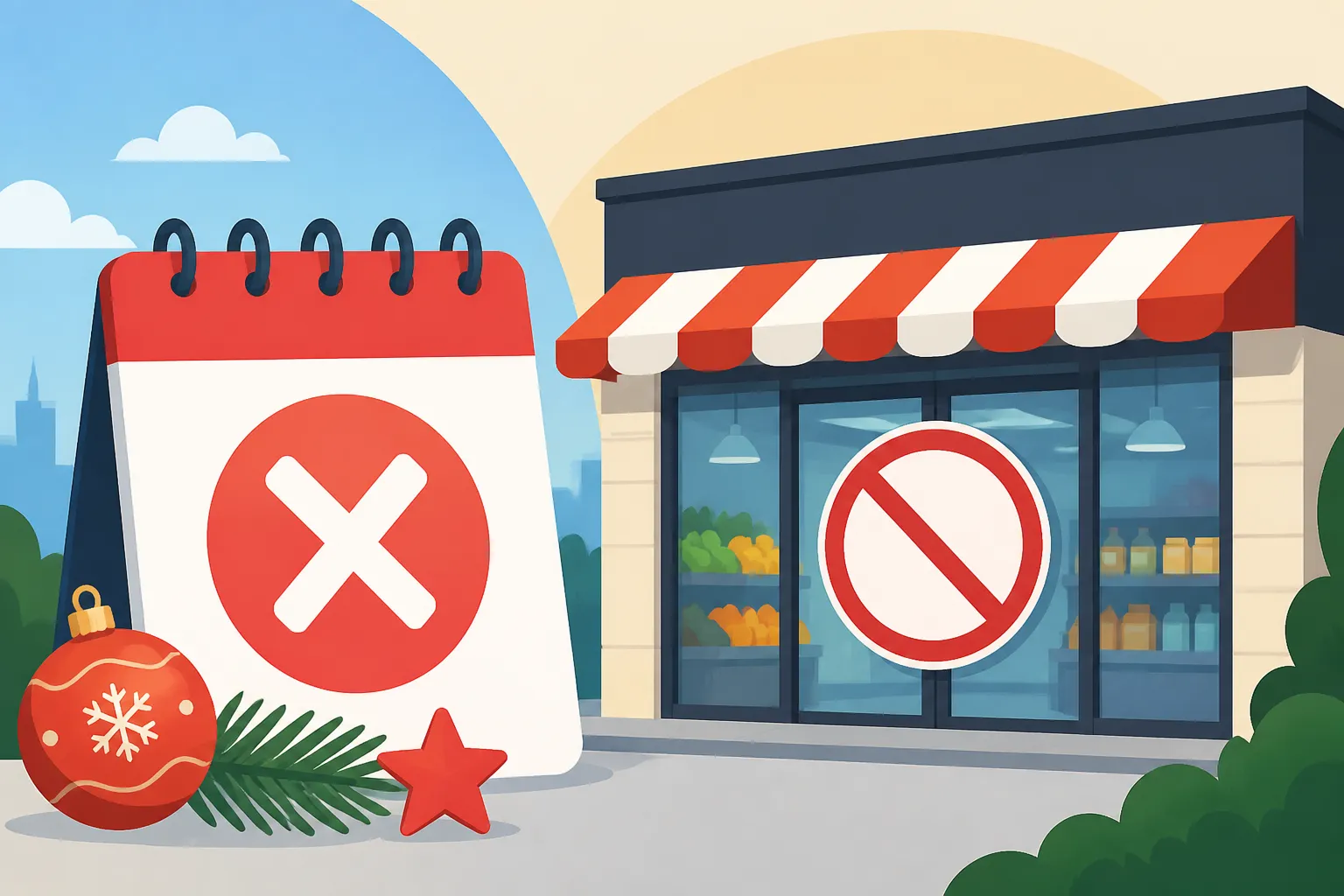
Danish law, specifically the Lukkelov (Closing Hours Act), dictates when shops can and cannot be open. While the law has been significantly liberalized over the years, certain major public holidays still command strict closures for most retail businesses. This is partly due to tradition, partly due to collective bargaining agreements, and partly because Danes genuinely value these collective days off. For most major holidays like Easter Sunday, Whit Sunday, Christmas Day, and New Year's Day, you can pretty much guarantee that all your usual Supermarkets in Denmark: Netto, Rema 1000, and Føtex Compared will be shut tight.
Even on days that aren't full closures, like Maundy Thursday or Easter Monday, you'll often find reduced hours. Shops might open later and close earlier, making those last-minute dashes even more stressful. This is why planning is key. If you know a big holiday is coming, treat the day before like a mini-Christmas Eve for groceries.
Planning Your Grocery Runs Around 2026 Public Holidays
So, how do you avoid the dreaded empty fridge dilemma? Simple: plan ahead. Look at the 2026 holiday calendar (the table above is a great start!) and mark the major closure days in your personal planner or phone calendar.
- The Day Before: Make sure your main grocery shop is done on the day before the holiday. If the holiday falls on a Friday, make sure your shopping is done on Thursday. If it’s a Monday, get it done by Saturday. Sunday is already a quieter shopping day, but the Saturday before a long weekend will be bustling.
- Stocking Staples: Keep a small stash of non-perishable staples at home. Think pasta, rice, canned goods, frozen vegetables, and long-life milk. These can be lifesavers if you forget a crucial item or just misjudge the closures.
- Freshness Factor: Buy fresh items like bread, milk, and fresh produce closer to the holiday, but always with the knowledge of when the last shopping window is. A little extra rundstykker (Danish breakfast rolls) bought on Saturday can often be frozen and quickly baked on a Monday holiday morning.
It might feel a bit like preparing for a mini-apocalypse at first, but it quickly becomes second nature. And honestly, it’s quite a nice forced slow-down.
Emergency Shopping: What's Open (and What Isn't)
Okay, so despite your best efforts, you did forget something crucial, or maybe you just arrived in Denmark and haven’t quite grasped the rhythm yet. Don’t panic entirely! There are usually a few exceptions, though they come with caveats:
- Smaller Kiosks and Convenience Stores: Kiosker (kiosks) and convenience stores like 7-Eleven, particularly in train stations or busy urban areas, are often open on public holidays. Their selection is limited, their prices are higher, but they can save you in a pinch for essentials like milk, bread, a forgotten bottle of wine, or a quick snack.
- Bakeries (Bagerier): Many local bakeries will open their doors for a few hours on holiday mornings, especially for Easter and Christmas. This is a godsend for fresh bread and pastries to start your day. Always check their specific holiday hours, which are usually posted on their doors or websites in advance.
- Tourist Areas and Petrol Stations: In very tourist-heavy areas, you might find a handful of smaller shops or speciality stores open. Petrol stations with attached convenience stores are also a good bet for very basic items, although again, expect higher prices.
- Ethnic Grocers (sometimes): Depending on the local community, some smaller, independent ethnic grocery stores might have different opening hours and might be open when the larger chains are not. This is not a guarantee and requires local knowledge.
Do not, under any circumstances, count on a full grocery shop from any of these options. They are strictly for emergency top-ups. So, while you might grab that forgotten carton of milk, don’t expect to find fresh salmon or that specific type of artisan cheese you were craving.
Beyond Supermarkets: Other Closures and Services to Note
It's not just about food! Public holidays in Denmark affect many other services, and knowing this can save you further frustration. From getting around to handling administrative tasks, expect a quieter day.
Public Transport and Service Hours
Good news: public transport generally runs on public holidays! Bad news: it's usually on a reduced schedule, similar to a Sunday service. This means fewer trains, buses, and metro departures, especially in the early mornings and late evenings. If you have plans that require travel on a public holiday, make sure to check the Public Transport in Denmark: Rejsekort, Trains, and Commuting schedule well in advance using apps like Rejseplanen. It's usually reliable, but you don't want to be stranded waiting for a bus that only comes once an hour.
Remember that these services are crucial for many Danes visiting family or taking short trips, so while reduced, they are very much operational. If you’re staying connected to check these schedules or simply browsing for things to do, remember that services like Airalo can ensure your phone data is always working, no matter where you are in the country.
Banks, Post Offices, and Government Services
This one is fairly straightforward: banks, post offices, and all municipal and government offices (including Borgerservice – citizen service centres) will be closed on official public holidays. This includes SKAT (the tax agency) and SIRI (the Agency for International Recruitment and Integration). So, if you've got a crucial administrative task to do, plan it around these days. You won’t be able to open a new bank account, pick up a package from the post office, or get help with your Understanding CPR Registration and Your Healthcare Entitlement questions in person.
Even online services might see slower response times. The digital nature of Denmark means a lot can be done through Borger.dk or other portals, but don’t expect immediate human assistance on these days. It’s a complete shutdown for these types of services.
Restaurants, Cafes, and Tourist Attractions
Here's where things get a bit more varied and often more open. While supermarkets and administrative offices largely close, many restaurants, cafes, and tourist attractions remain open, albeit sometimes with reduced hours or special holiday menus.
- Restaurants and Cafes: Many will be open, especially in larger cities and popular tourist areas. However, it's always a good idea to check their specific holiday opening times and, for popular spots, make a reservation. Some might even offer special holiday brunches or dinners.
- Museums and Attractions: A good number of museums, galleries, and other tourist attractions will operate on public holidays. Again, verify their specific hours on their websites before heading out. Sometimes, these can be great days to visit, as they might be less crowded than a regular weekend.
- Cinema and Entertainment: Movie theaters and other entertainment venues are typically open, providing a great option for indoor activities, especially during the darker, colder holidays.
So, while you might not be able to buy groceries, you can certainly still enjoy a meal out or explore some of Denmark's cultural offerings, which is a lovely way to embrace Social Integration: Making Friends and Understanding Danish Etiquette and the local scene.
Surviving Danish Public Holidays as an Expat: Practical Tips
Navigating public holidays as an expat isn't just about avoiding an empty fridge; it's also about embracing the Danish way of life. These days are opportunities to slow down, reflect, and enjoy time with family and friends (or just yourself!).
Stocking Up Like a Local
One of the quickest ways to adapt is to adopt the Danish habit of stocking up. Locals often make larger grocery runs on the days leading up to major holidays, filling their fridges and pantries. They know the drill. This isn't just about having food; it's about having everything you need to relax and not worry about errands.
Think about not just food, but also essentials like medicine (pharmacies often have limited hours or only emergency service), pet food, and any specific household items you might need. It’s about preemptive peace of mind. And if you're still in the process of finding your footing, perhaps looking for a long-term home through platforms like Spotahome can help you secure a place with a decent kitchen, so you're always prepared for those holiday cooking sessions!
Embracing the Danish Way: Hygge and Relaxation
Danish public holidays are a prime time for hygge. This untranslatable concept of coziness, comfort, and contentment is truly at its peak when everything else is closed. Instead of seeing the closures as an inconvenience, try to view them as an invitation to slow down.
- Family Time: If you have family here, it’s a time for shared meals, board games, or simply relaxing at home.
- Outdoor Activities: Many Danes use public holidays to enjoy nature. Even in winter, a brisk walk in a park or forest can be incredibly refreshing. The beaches are beautiful year-round.
- DIY Projects: With a full day off, it can be a great time for those little home projects you've been putting off – provided you bought all your supplies before the shops closed!
- Rest and Recharge: Sometimes, the best way to spend a public holiday is simply to rest. Catch up on sleep, read a book, watch movies. It's a chance to truly disconnect from the daily grind, a crucial aspect of Danish Work Culture: Flat Hierarchies, Hygge, and Direct Communication.
Exploring Alternatives and Local Brands
While large supermarkets are closed, don't forget about some of the smaller, independent shops that might offer niche products or unique experiences. Sometimes, your local grønthandler (greengrocer) might have slightly different hours, or a small butcher might open for a couple of hours. These are not guarantees, but it’s worth a walk around your local neighbourhood to see if any hidden gems are open for limited hours.
Also, consider what you can do with what you have. Instead of stressing about a specific ingredient, challenge yourself to create something delicious with your existing pantry. It's a fun way to get creative and save a bit on your Cost of Living in Denmark 2026: Budgets for Singles and Families.
Disclaimer
Please note that while every effort has been made to provide accurate and up-to-date information regarding Danish public holidays and typical opening hours for 2026, circumstances can change. This guide is for informational purposes only and does not constitute legal or official advice. Always double-check specific opening hours for businesses and services directly, particularly closer to the actual holiday dates, as individual establishments may vary their schedules.