Celebrating Fastelavn and Sankt Hans Aften as a New Resident
New to Denmark? You've probably noticed that Danes truly cherish their traditions, and two of the most enchanting, yet perhaps slightly baffling, celebrations for newcomers are Fastelavn and Sankt Hans Aften. These aren't just obscure folk holidays; they're deeply ingrained cultural experiences that offer a fantastic window into Danish community spirit and a chance to truly feel like you're part of something special, rather than just an observer. This guide is here to demystify these wonderfully unique events, explaining their origins, traditions, and most importantly, how you can jump in and celebrate like a true Dane, even if you’re still figuring out where to buy decent rye bread.
Fastelavn: The Danish Carnival of Whimsical Mayhem
If you've spent any time in Denmark during late winter or early spring, you've likely seen hints of Fastelavn creeping in. It’s a bit like Halloween and Mardi Gras had a quirky Danish baby, and honestly, it’s one of the most delightful ways to shake off the last vestiges of winter’s gloom. As expats, we often arrive with expectations shaped by our own cultures, only to find Danish celebrations have their own unique flair. Fastelavn is typically celebrated seven weeks before Easter Sunday, usually falling in February or early March, perfectly timed to provide a much-needed burst of color and silliness. It’s a stark contrast to the quiet, dark months, truly embodying the spirit of communal joy.
The "What" and "Why": Cat in a Barrel and Costume Fun
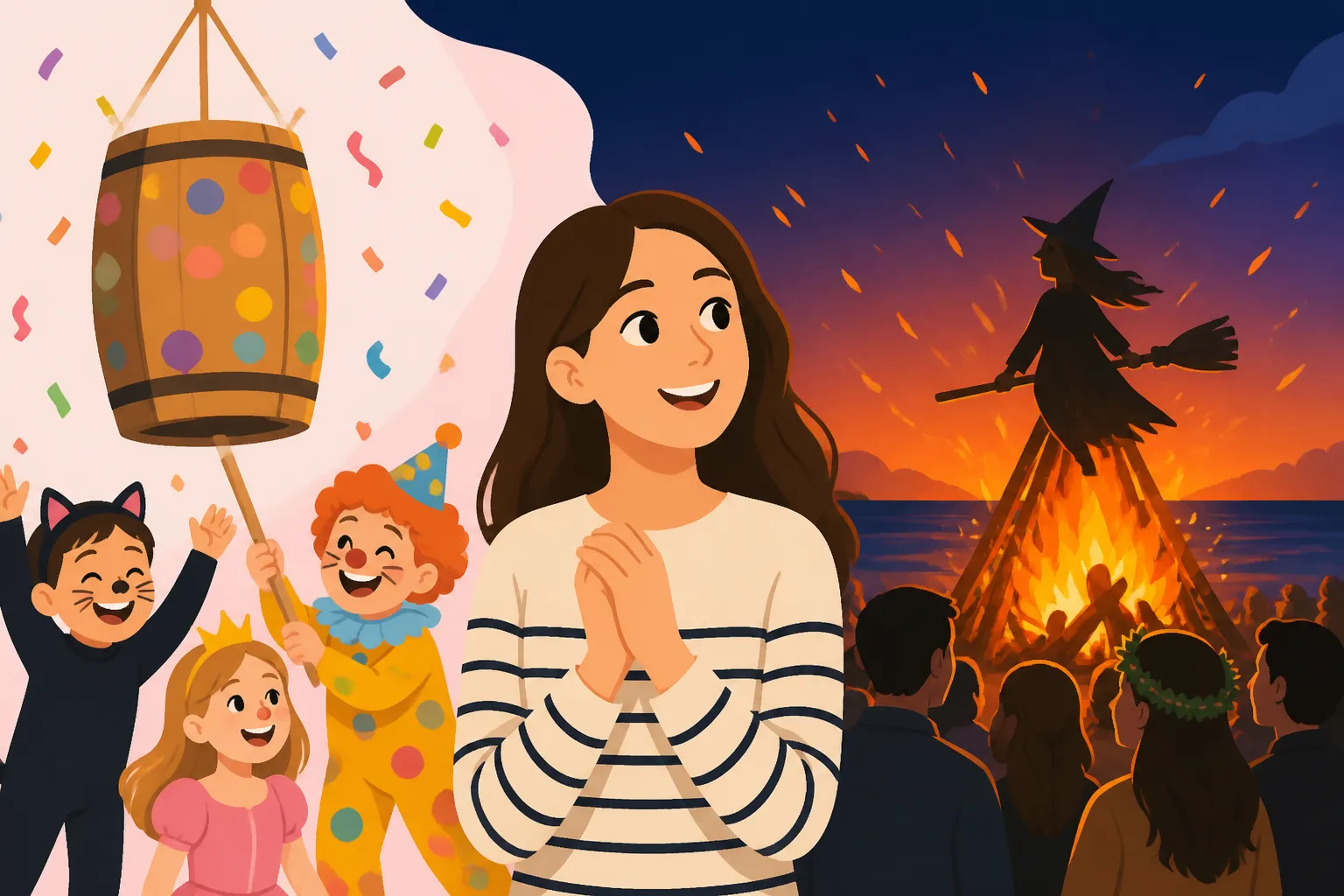
At the heart of Fastelavn lies the tradition of "slå katten af tønden" – literally, "hitting the cat out of the barrel." Now, before you panic, rest assured that no actual felines are harmed in this process anymore! This tradition dates back centuries to a time when a real black cat, believed to be a symbol of evil spirits, would be placed in a wooden barrel. The goal was to beat the barrel until it broke, freeing the cat, which was thought to drive away evil from the community before Lent. Today, the barrel is filled with candy and small toys, and children (or sometimes adults) take turns hitting it with a bat until it bursts open, spilling its sweet contents.
The child who knocks out the bottom of the barrel and releases the candy is crowned "kattedronning" (cat queen), and the one who smashes the last piece of the barrel is named "kattekonge" (cat king). These titles come with a sense of pride and a small prize, usually a crown and sash. It’s all in good fun, a joyful, slightly chaotic melee that perfectly captures the playful nature of the holiday. For us foreigners, witnessing this for the first time is often a mix of amusement and a slight sense of "what is even happening here?" – but it’s utterly charming.
Kids' Fastelavn: Schools, Kindergartens, and Home Celebrations
For families with young children, Fastelavn is a major highlight. Danish schools and børnehaver (kindergartens) go all out, organizing costume parties and barrel-hitting events. If you have kids enrolled, expect them to come home buzzing with excitement, probably covered in glitter, and with a bag full of candy. It’s a wonderful way for children to bond with their Danish peers and truly immerse themselves in a local tradition. Your child’s institution will usually send out a note about costume themes or guidelines, though generally, anything goes – from superheroes to princesses, animals to fantastical creatures.
Beyond school, children also participate in "Fastelavn ris" and "rasle," which are Danish versions of trick-or-treating. Armed with a "Fastelavn ris" (a small branch decorated with feathers, candy, and often small fabric cats), kids knock on neighbors' doors, singing a Fastelavn song and asking for treats or a coin. It’s a sweet, quaint tradition, less demanding than Halloween, and a fantastic opportunity to see your little ones interact with the local community. Don't be surprised if your own doorbell rings; having a bowl of small candies ready is always a good idea. This is also where you might spot a local community center hosting an event, a great way to meet other parents and get involved in the Foreningsliv: Joining Danish Clubs and Associations to Mingle – a crucial aspect of Danish integration.
Adult Fastelavn: Parties and Social Gatherings
While often seen as a children's holiday, Fastelavn is by no means exclusive to the younger generation. Many workplaces, student organizations, and private groups host adult Fastelavn parties. These can range from relaxed gatherings with friends in costumes to more elaborate themed events. The barrel-hitting might even make an appearance, often with a stronger bat and a slightly more competitive spirit! It’s an excuse to let loose, dress up, and enjoy a bit of lighthearted fun during what can still be a chilly time of year. As an expat, accepting an invitation to an adult Fastelavn party is a fantastic way to broaden your social circle and experience a side of Danish camaraderie that you might not encounter in everyday work life.
If you’re hosting or attending, expect traditional Fastelavn buns (fastelavnsboller). These delicious pastries, filled with cream, jam, or marzipan, are a quintessential part of the celebration and can be found in every bakery and supermarket in the weeks leading up to the holiday. Trying all the different varieties becomes a national pastime! Embrace the silliness, put on a wig, and enjoy the sugar rush. It’s these kinds of joyful, slightly absurd moments that help you understand the unique blend of seriousness and playfulness in Danish culture, a wonderful respite from the general Winter in Denmark: Hygge, Heating Strategies, and Surviving the Dark.
Sankt Hans Aften: Midsummer Magic and Witches' Flights
Fast forward to summer, and Denmark transforms from winter's cozy hygge to a land of long, bright evenings, ripe for outdoor celebrations. Sankt Hans Aften, or Midsummer's Eve, on June 23rd, is arguably the most atmospheric and iconic of Danish summer traditions. It's a night steeped in folklore, pagan rituals, and a sense of shared community as Danes gather to celebrate the longest day of the year and the approaching summer solstice. For anyone coming from a country with less pronounced seasonal shifts, the sheer joy and anticipation around this time of year are palpable and infectious.
Bonfires, Speeches, and Witches: The Core Elements
The star of Sankt Hans Aften is undeniably the bonfire (bål). As dusk settles on the evening of June 23rd, immense bonfires are lit all across the country – by lakes, on beaches, in parks, and in countless backyards. Perched atop each bonfire is often a straw witch, destined to be 'burned' and sent off to Bloksbjerg (the Brocken mountain in Germany), a mythical gathering place for witches according to folklore. This tradition, though dark in its origins, is now purely symbolic, a playful nod to ancient beliefs, not taken seriously by anyone involved. The sight of these towering flames against the fading sky, often with hundreds of people gathered around, is truly a spectacle.
Before the bonfire is lit, it’s customary for a local dignitary, politician, or sometimes even a celebrity, to give a Sankt Hans speech (båltale). These speeches often reflect on Danish society, the beauty of summer, and community values. Following the speech, everyone joins in singing the classic Sankt Hans song, "Vi elsker vort land" (We love our country), a powerful and moving moment of collective pride and belonging. The air is thick with anticipation, the crackle of the fire, and the murmur of conversation, creating an atmosphere that is uniquely Danish and incredibly inviting.
Public vs. Private Celebrations: Where to Go
You'll find two main types of Sankt Hans Aften celebrations: large public events and smaller, private gatherings. Public bonfires are organized by municipalities, local associations, or community groups, and these are often the most impressive, drawing huge crowds. In Copenhagen, popular spots include Frederiksberg Have, Amager Strandpark, and the lakes (Søerne) in the city center. Aarhus boasts stunning bonfires along the beaches, while in Odense, the riverfront often hosts celebrations. These public events are usually family-friendly, with food stalls, music, and often entertainment before the main bonfire lighting. It’s a fantastic way to experience the scale of the celebration and feel connected to a broader Danish community. If you’re visiting another city for a big event, remember that finding short-term rentals can be key. Services like Spotahome could be useful if you're planning a weekend trip to catch a particularly renowned Sankt Hans celebration.
Many Danes also host private Sankt Hans gatherings in their gardens or at summer houses. These are typically more intimate, relaxed affairs with friends and family, often involving a smaller bonfire, a barbecue, and plenty of drinks. If you’re lucky enough to be invited to a private party, it’s a wonderful opportunity to experience Danish hygge in its summer form – convivial, relaxed, and bathed in the soft glow of the long evening. Don't worry if you don't have a huge social network yet; many public events are designed for everyone, locals and newcomers alike, and are a great opportunity for Social Integration: Making Friends and Understanding Danish Etiquette.
Food, Drinks, and Hygge by the Fire
No Danish celebration is complete without good food and drink, and Sankt Hans Aften is no exception. At public events, you’ll find vendors selling traditional Danish hot dogs (pølser), ice cream, and a variety of beverages. Many people pack picnic baskets with their own sandwiches, salads, and snacks, alongside plenty of beer and snaps (a traditional Danish spirit). The atmosphere is relaxed and festive, with families spreading out blankets and enjoying the mild evening air. Don’t forget to check out the local Supermarkets in Denmark: Netto, Rema 1000, and Føtex Compared for all your picnic needs beforehand.
At private gatherings, the grill will almost certainly be fired up. Think barbecued meats, fresh salads, and often a dessert like a strawberry tart. The long daylight hours mean that even as the bonfire burns, it doesn’t get truly dark until very late, extending the sense of warmth and festivity. The combination of good company, delicious food, the crackling fire, and the gentle buzz of conversation creates a unique kind of summer hygge that is truly special. It's a night to savor the peak of summer, enjoy good company, and feel the deep connection Danes have to their land and its ancient rhythms. If you are looking for specific items for costumes or decorations, Finding Flea Markets (Loppemarked) During the Danish Summer) could be a treasure trove!
Embracing Danish Festivities: Practical Tips for Expats
Navigating new cultural traditions can sometimes feel like trying to solve a puzzle in a foreign language. But with Fastelavn and Sankt Hans Aften, the key is usually just to show up, be open, and follow the flow. Danes are generally quite welcoming when you make an effort to engage with their customs, even if your execution is a little less-than-perfect.
Getting Your Costumes and Supplies
For Fastelavn, costumes are paramount. For kids, you can find a wide variety in toy stores, supermarkets, and specialty costume shops in the weeks leading up to the event. For adults, don't feel pressured to buy something elaborate. Many Danes put together witty or humorous costumes from everyday items. Thrift stores (genbrugsbutikker) can be a treasure trove, or you can get creative with items from your own wardrobe. Fastelavn buns are easily bought at any bakery or supermarket, so don't worry about baking them yourself unless you're feeling ambitious!
For Sankt Hans, you don't need a costume, but a picnic blanket, some comfortable outdoor seating, and layers of clothing are essential. Even on a summer evening, it can get chilly by the water or once the sun fully sets. If you're contributing to a private party, bringing a dish or a bottle of wine is a thoughtful gesture. Remember to think about what you’ll be sitting on and whether you’ll need a small cooler for drinks, especially for longer public events where the nearest shop might be a walk away.
Transport and Connectivity for Events
Both Fastelavn and Sankt Hans Aften can involve travel, especially if you're attending larger public events or visiting friends. Denmark’s public transport system is excellent, and it's often the best way to get to major events, particularly for Sankt Hans bonfires, where parking can be a nightmare. Be sure to check the Public Transport in Denmark: Rejsekort, Trains, and Commuting guide, and plan your routes in advance using apps like Rejseplanen. For local travel, Danish Cycling Culture: Rules, Buying a Bike, and Safety is key; a bike is often the quickest and most Danish way to get around!
For those who are still settling in and haven't secured a local Danish SIM card, or perhaps you're traveling within Denmark for a celebration, having a reliable eSIM from providers like Airalo can be a lifesaver for coordinating with friends, navigating to event locations, and sharing those memorable moments online. It means you won't miss out on group plans or get lost trying to find that perfect bonfire spot. Just make sure your phone is charged!
Navigating Social Norms and Local Etiquette
When participating in these festivities, a few things will help you blend in seamlessly. For Fastelavn, especially with kids, enthusiasm is key! Cheer for the barrel hitters, admire the costumes, and don't be afraid to try a fastelavnsbolle. For Sankt Hans, find a spot near the bonfire, but maintain a respectful distance from the flames. Don't interrupt the båltale (bonfire speech), and join in the singing of "Vi elsker vort land" even if you only know a few words – the effort is appreciated.
Danes tend to be quite direct, but also value a relaxed atmosphere. Don't feel you need to make grand gestures; simply enjoying the moment and being present is enough. These events are deeply communal, a chance for Danes to connect with their heritage and with each other. By observing, participating, and showing genuine interest, you'll find these celebrations become some of your most cherished expat memories. They’re fantastic opportunities to practice your Danish, too, even if it’s just ordering a pølse or asking about the history of the straw witch. It’s all part of the journey of Moving to Denmark with Family: Schools, Childcare, and Logistics and getting to know the country.
Key Differences and Similarities: Fastelavn vs. Sankt Hans
While both Fastelavn and Sankt Hans Aften are deeply cherished Danish traditions, they offer very different experiences. Understanding these distinctions can help you appreciate the unique flavor of each.
A Quick Comparison Table
| Feature | Fastelavn | Sankt Hans Aften |
|---|---|---|
| Timing | Late Winter/Early Spring (Feb/March) | Midsummer's Eve (June 23rd) |
| Theme | Carnival, costumes, driving out winter evils | Summer solstice, light, witches, national pride |
| Main Tradition | "Slå katten af tønden" (hitting the barrel) | Bonfires with straw witches, speeches, singing |
| Atmosphere | Playful, silly, chaotic (especially for kids) | Atmospheric, communal, reflective, celebratory |
| Primary Participants | Children (costumes, trick-or-treating) & Adults | All ages (families, couples, friends) |
| Typical Food/Drink | Fastelavnsboller, candy | BBQ, picnics, beer, snaps |
| Weather Expectation | Cold, potentially snowy/rainy | Mild, long daylight hours, pleasant evening |
Seasonal Experiences and Community Spirit
Fastelavn serves as a vibrant, playful antidote to the long, dark Danish winter, a burst of color and sweetness that signals hope for spring. It's a celebration that often feels more intimate, centered around family and local community. Think of it as a cheerful send-off to the cold, often enjoyed indoors or in sheltered outdoor areas, emphasizing creativity and childlike wonder. It’s also a time when parents deeply engage with their children’s schools and Childcare in Denmark: Vuggestue (Crèche) and Børnehave (Kindergarten) to ensure their kids have the full experience.
Sankt Hans Aften, on the other hand, is an ode to the peak of summer, a grander, more expansive celebration that pulls entire towns and cities outdoors. It’s about reveling in the abundant daylight, connecting with nature, and sharing a communal experience under the open sky. The bonfires serve as a focal point for collective joy and a quiet appreciation for the natural world. Both holidays, however, share a deep-seated Danish value: a strong sense of community, a love for tradition, and an innate ability to find hygge in shared experiences, whether it's beating a barrel for candy or watching flames dance against the longest twilight of the year.
Embracing these unique celebrations is more than just fun; it's a genuine step towards understanding and integrating into Danish culture. So, whether you're donning a silly costume or gathering around a crackling bonfire, lean into the Danish way of celebrating. You'll be glad you did.
Disclaimer
Please note that while this guide provides comprehensive information, traditions and local regulations can vary slightly by municipality and year. Always check local municipality websites or community boards for the most up-to-date information on event timings, locations, and any specific rules or safety guidelines for Fastelavn and Sankt Hans Aften celebrations in your area. This article is for informational purposes only and does not constitute official advice.