Managing Humidity and Mold (Skimmelsvamp) During Danish Winters
Moving to Denmark, especially as winter settles in, often brings a unique set of challenges beyond just learning the language and navigating the tax system. One particularly insidious problem many expats face is the battle against indoor humidity and, its ugly cousin, skimmelsvamp, or mold. This guide is here to walk you through why mold is such a common issue in Danish homes and, more importantly, how you can effectively prevent and manage it to keep your living space healthy and your sanity intact.
Understanding the Danish Winter and Your Home's Humidity
Denmark's climate is notoriously damp, characterized by long, cool, and often rainy winters. This isn't just about the weather outside; it has a profound impact on the indoor environment of your Danish home. Many expats, especially those from drier climates, are genuinely caught off guard by the sheer amount of moisture that can accumulate indoors.
The Unseen Enemy: Humidity and Condensation
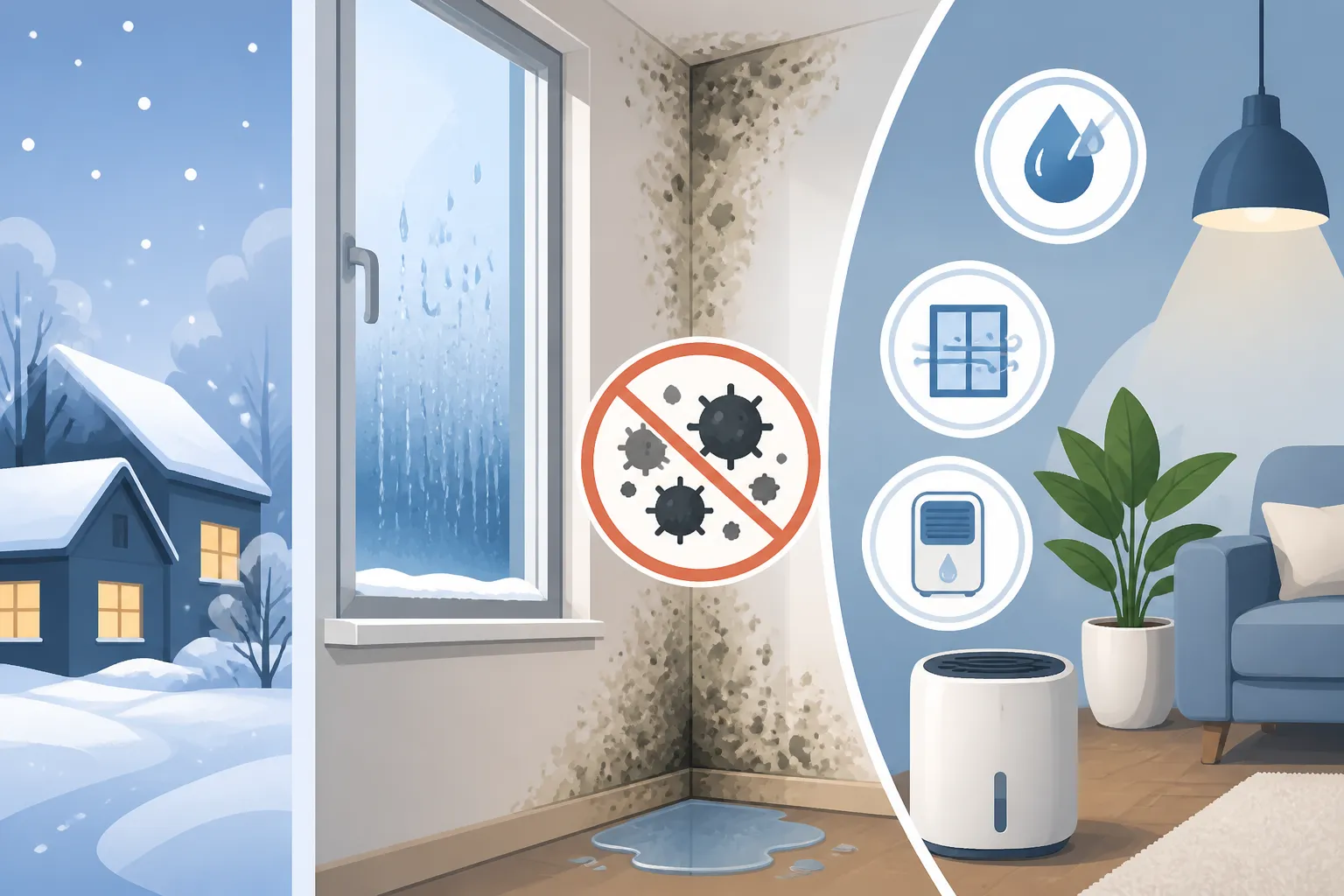
When you first arrive, you might notice windows fogging up, or a general feeling of dampness that just seems to cling to the air, even when your heating is on. This is condensation, a direct result of warm, moist air meeting colder surfaces, like windows, outer walls, or even poorly insulated corners. Danish homes, particularly older ones, can be quite "tight" – meaning they don't have much natural air leakage. While this is great for energy efficiency, it also means that all the moisture you generate indoors gets trapped. You’re not just living in your apartment; you’re cooking, showering, breathing, and maybe even drying laundry, all contributing significantly to the humidity levels. It’s an eye-opener for many of us who expected a cozy, dry haven from the Scandinavian chill, only to find our windows weeping and a faint, musty smell starting to creep in.
The Science Behind Skimmelsvamp
So, what exactly is skimmelsvamp? It’s simply the Danish word for mold, and it's a type of fungus that thrives in damp, dark, and still environments. Mold spores are always present in the air, both indoors and out, but they only start to grow and colonize when they find the perfect conditions: moisture, a food source (like wallpaper, plaster, wood, or dust), and a lack of proper ventilation. In Danish homes, these conditions often converge in bathrooms, kitchens, bedrooms (especially behind furniture pushed against exterior walls), and even in window frames. The health implications can range from mild allergic reactions, respiratory issues like asthma, and skin irritation, to more severe problems for vulnerable individuals. It can feel like a silent, creeping invasion, and the frustrating part is that it often feels like you're fighting an uphill battle against your own home.
Common Causes of Mold in Danish Apartments
Understanding why mold appears is half the battle. Many factors contribute, some of which are unique to Danish living or are simply habits that need adjusting for this climate.
Poor Ventilation Habits
This is perhaps the biggest culprit and the one that often clashes with expat habits. In many cultures, we might keep windows closed to maintain heat, especially during winter. In Denmark, this is a recipe for disaster. Modern, tightly sealed buildings, along with older structures that might lack sufficient mechanical ventilation, necessitate active airing out. If you're not regularly creating a "gennemtræk" (a cross-draft) in your home, you're essentially creating a humid, stagnant greenhouse for mold. People often worry about losing heat, but the short, intense burst of fresh air is far more effective than leaving a window slightly ajar for hours, which just cools down surfaces without effectively replacing the air.
Heating Strategies and Cold Spots
Danish heating systems are generally efficient, but how you use them matters. Many expats from warmer countries are used to turning off radiators in unused rooms to save money. In Denmark, this can actually be counterproductive and lead to mold. When a room is unheated, its walls become significantly colder than the rest of the apartment. As warmer, moister air from heated rooms drifts into this colder space, it rapidly cools and dumps its moisture onto the cold surfaces, creating perfect conditions for mold growth. It's often better to maintain a consistent, albeit lower, temperature across all rooms rather than turning radiators off entirely. The financial savings you might gain from shutting off a radiator can be quickly eaten up by the cost of professional mold remediation down the line, not to mention potential health costs. If you are struggling to understand your heating bills, you might find our guide on Aconto Payments: How Danish Heating and Water Bills Are Estimated helpful.
Daily Activities that Generate Moisture
It's easy to overlook how much moisture we create in our daily lives. Think about it:
- Showering: A single hot shower can release litres of water vapour into the air. If you don't have a strong exhaust fan, or if you don't run it long enough, that moisture disperses throughout your home.
- Cooking: Boiling water, simmering stews, or even just using a kettle creates steam. Again, if your kitchen vent isn't up to scratch, or you forget to use it, that moisture lingers.
- Drying Laundry Indoors: This is a huge one. While laundromats or shared laundry rooms exist, many people dry clothes on racks in their apartments, especially in winter. Each load of wet laundry can release several litres of water as it dries, significantly increasing indoor humidity.
These seemingly innocuous activities, when combined with insufficient ventilation and heating, create the perfect breeding ground for skimmelsvamp.
Practical Steps to Prevent and Combat Mold
Now for the good stuff: what you can actually do to keep your Danish home mold-free and pleasant, even during the darkest, dampest months.
The Danish Art of Ventilation (Udluftning)
This is your number one weapon. You need to embrace the Danish approach to airing out your home.
- Frequency and Duration: Aim for 5-10 minutes of intense cross-ventilation, 2-3 times a day. Morning, midday, and evening are ideal.
- The "Gennemtræk" Method: Open windows on opposite sides of your apartment to create a strong draft. This rapidly replaces humid indoor air with fresh, drier outdoor air without significantly cooling down your walls and furniture.
- Post-Moisture Ventilation: Always air out your bathroom thoroughly after a shower. If there's no fan, leave the window open, even if it’s cold, for 10-15 minutes. The same goes for the kitchen after cooking.
- Even in Winter: Don't skip this practice just because it's cold outside. The cold air is usually drier, and even a brief blast will improve your indoor climate without making your home unbearably chilly. For more tips on making your home cozy during the darker months, check out Winter in Denmark: Hygge, Heating Strategies, and Surviving the Dark.
Smart Heating for a Dry Home
Heating your home correctly is about more than just comfort; it's about mold prevention.
- Consistent Temperatures: Try to maintain a relatively consistent temperature throughout your apartment. Aim for around 20-22°C in living areas and bedrooms, and don't let unused rooms drop below 17-18°C. This prevents cold spots where condensation can form.
- Radiator Placement: Don't block radiators with furniture or heavy curtains. They need to circulate warm air freely to be effective.
- Bathroom Heating: Keep your bathroom consistently warm. This helps dry out surfaces after showers and prevents cold, damp environments that mold loves.
Managing Moisture Sources
Being proactive about moisture generation is key.
- Kitchen & Bathroom Fans: If you have exhaust fans, use them religiously! Run them during and for at least 15-20 minutes after showering or cooking. Clean the filters regularly to ensure efficiency.
- Drying Laundry: If you must dry laundry indoors, do it in a well-ventilated room (with a window slightly ajar and a door closed to the rest of the apartment) or, even better, invest in a dehumidifier. A dehumidifier can pull litres of water out of the air, making a huge difference. Empty it regularly.
- Potted Plants: While beautiful, too many plants can contribute to indoor humidity. Consider consolidating them or ensuring they're not overwatered.
- Wipe Down Surfaces: After showering, use a squeegee or towel to wipe down shower walls and tiles. This removes standing water and reduces the moisture available for evaporation.
Monitoring Humidity Levels
You can't fight what you can't measure! Invest in a simple hygrometer (they're inexpensive and widely available at hardware stores or online).
- Ideal Range: Aim for indoor humidity levels between 40-60%. If it consistently goes above 60-65%, you need to increase your ventilation or take other moisture-reducing steps.
- Strategic Placement: Place hygrometers in bedrooms (especially behind furniture), bathrooms, and kitchens – these are typically the highest-risk areas.
Regular Cleaning and Inspection
Don't wait for mold to become a major problem.
- Vigilant Inspection: Regularly check notorious spots like window sills, around ventilation grilles, behind curtains, in cold corners of bedrooms, and inside wardrobes (especially if they're against exterior walls).
- Early Intervention: If you see small spots of black mold, tackle them immediately. A mild solution of household cleaner, vinegar, or a specific mold remover (available at apoteks or supermarkets) can often do the trick. Always follow product instructions and ensure good ventilation while cleaning.
- Cleaning Walls and Ceilings: Dust and grime on walls can act as a food source for mold. Regular cleaning can prevent spores from taking hold.
When you're looking for a new place to rent, it's always a good idea to perform a thorough The Move-In Inspection (Indflytningssyn): Documenting Property Flaws to catch any pre-existing issues. While platforms like Spotahome can help you find available rentals, nothing beats an in-person viewing to assess ventilation and potential dampness.
Dealing with Existing Mold and Tenant Rights
Finding mold can be alarming, but it's important to know your rights and how to approach the situation correctly.
Identifying the Severity of Mold
Not all mold is created equal.
- Surface Mold: Small patches of black or green mold on window frames, bathroom tiles, or in grout are often superficial. These can usually be cleaned yourself with appropriate mold-killing sprays or a strong vinegar solution. Ensure you wear gloves and a mask.
- Deep-Seated or Widespread Mold: If you find large areas of mold (larger than a hand-sized patch), if it keeps returning despite cleaning, if there's a strong, persistent musty smell, or if it appears to be growing within walls or under flooring, this indicates a deeper problem that likely stems from structural issues, water leaks, or severe long-term humidity. This requires professional attention.
Your Rights as a Tenant
In Denmark, both tenants and landlords have responsibilities regarding mold.
- Tenant's Duty: You, as the tenant, are generally responsible for maintaining a healthy indoor climate through proper ventilation and heating. If mold is a direct result of your living habits (e.g., never airing out, always drying laundry indoors without ventilation), you might be held responsible for the remediation costs.
- Landlord's Duty: However, if the mold is caused by structural defects (e.g., leaky pipes, poor insulation, inadequate ventilation systems, damp exterior walls), the landlord is responsible for fixing the underlying issue and covering the remediation.
- Documentation is Key: As soon as you discover mold, document everything. Take clear photos and videos, note dates, and communicate with your landlord in writing (email is usually sufficient). Describe the location, extent, and any associated smell.
- The 14-Day Rule: Remember The 14-Day Defect Reporting Rule After Moving Into a Rental? This rule allows you to report defects found shortly after moving in. If you suspect mold from day one, make sure it's documented.
- Seeking Advice: If your landlord is unresponsive or blames you unfairly, or if the problem is significant, contact an organization like LLO (Lejernes Landsorganisation), the national tenants' union. They can advise you on your rights, help mediate with your landlord, and even represent you in legal disputes. Joining Tenant Rights and LLO (Lejernes Landsorganisation) Protection is often a wise move for expats. Maintaining reliable phone service through an eSIM from providers like Airalo can ensure you can quickly contact your landlord or LLO if an issue arises.
When to Seek Professional Help
Don't try to tackle extensive mold yourself.
- Health Risks: Large mold infestations release significant amounts of spores, which can be hazardous to your health.
- Incomplete Removal: If the underlying moisture source isn't identified and fixed, the mold will just come back. Professionals have the tools and expertise to identify hidden moisture and ensure complete remediation.
- Structural Damage: Mold can cause significant damage to building materials. A professional assessment will determine the extent of the damage and the necessary repairs.
Be prepared for a back-and-forth discussion with your landlord, but stand firm on your rights, especially if you have been diligent about proper ventilation and heating. Documenting your efforts, such as humidity readings, can also strengthen your case.
Do's and Don'ts for Mold Prevention in Denmark
Here’s a quick overview of the key takeaways to keep your Danish home fresh and mold-free.
| Do's | Don'ts |
|---|---|
| Ventilate aggressively: 5-10 min, 2-3x daily cross-draft (gennemtræk). | Leave windows tilted: This cools surfaces, encourages condensation, and is inefficient. |
| Heat consistently: Maintain 17-18°C in unused rooms, 20-22°C elsewhere. | Turn off radiators in unused rooms: Creates cold spots for mold growth. |
| Use kitchen/bathroom fans: During and 15-20 min after cooking/showering. | Dry clothes indoors without ventilation/dehumidifier: Releases excessive moisture. |
| Wipe down wet surfaces: After showers, clean spills immediately. | Push furniture directly against exterior walls: Blocks airflow, creates cold spots. |
| Monitor humidity with a hygrometer: Keep levels between 40-60%. | Ignore small mold spots: They grow quickly and can indicate a bigger problem. |
| Inspect regularly: Check cold corners, behind furniture, window frames. | Overwater plants or leave standing water in saucers. |
| Communicate with landlord in writing: Document issues and your efforts. | Attempt to remove large or returning mold yourself without professional advice. |
| Join LLO if issues arise: Get expert advice on tenant rights. | Assume mold is "normal" for Danish winters; it's a sign of an issue. |
By implementing these strategies, you can take control of your indoor climate and enjoy a healthier, cozier winter in Denmark. It might require a shift in habits, but trust me, it’s worth it to avoid the headaches and health risks associated with skimmelsvamp. Understanding your Utilities Setup: Electricity, Water, Heating, and Internet is also crucial for optimizing your indoor climate and managing costs effectively.
Disclaimer
The information provided in this guide is intended for general informational purposes only and does not constitute legal, medical, or professional advice. While we strive to provide accurate and up-to-date information, local regulations, landlord-tenant laws, and health guidelines can change. Always consult with relevant professionals (e.g., your landlord, LLO, a mold remediation specialist, or a doctor) for specific advice tailored to your situation.