Paying Rent Deposits Before Signing a Contract: Red Flags and Scams
Moving to Denmark can feel like an Olympic sport: thrilling, exhilarating, but also riddled with unexpected hurdles. One of the biggest stressors, especially when you're fresh off the plane or still planning your relocation, is securing a place to live. The rental market, particularly in popular cities like Copenhagen or Aarhus, is incredibly competitive. This pressure often leads newcomers to make rushed decisions, and sadly, it makes them prime targets for rental scams. This guide is going to walk you through the absolute red flags and cunning tricks scammers use, especially when it comes to demands for rent deposits before a contract is signed, so you can protect your hard-earned cash and peace of mind.
The Harsh Reality: Why Upfront Payments Before a Contract Are a Trap
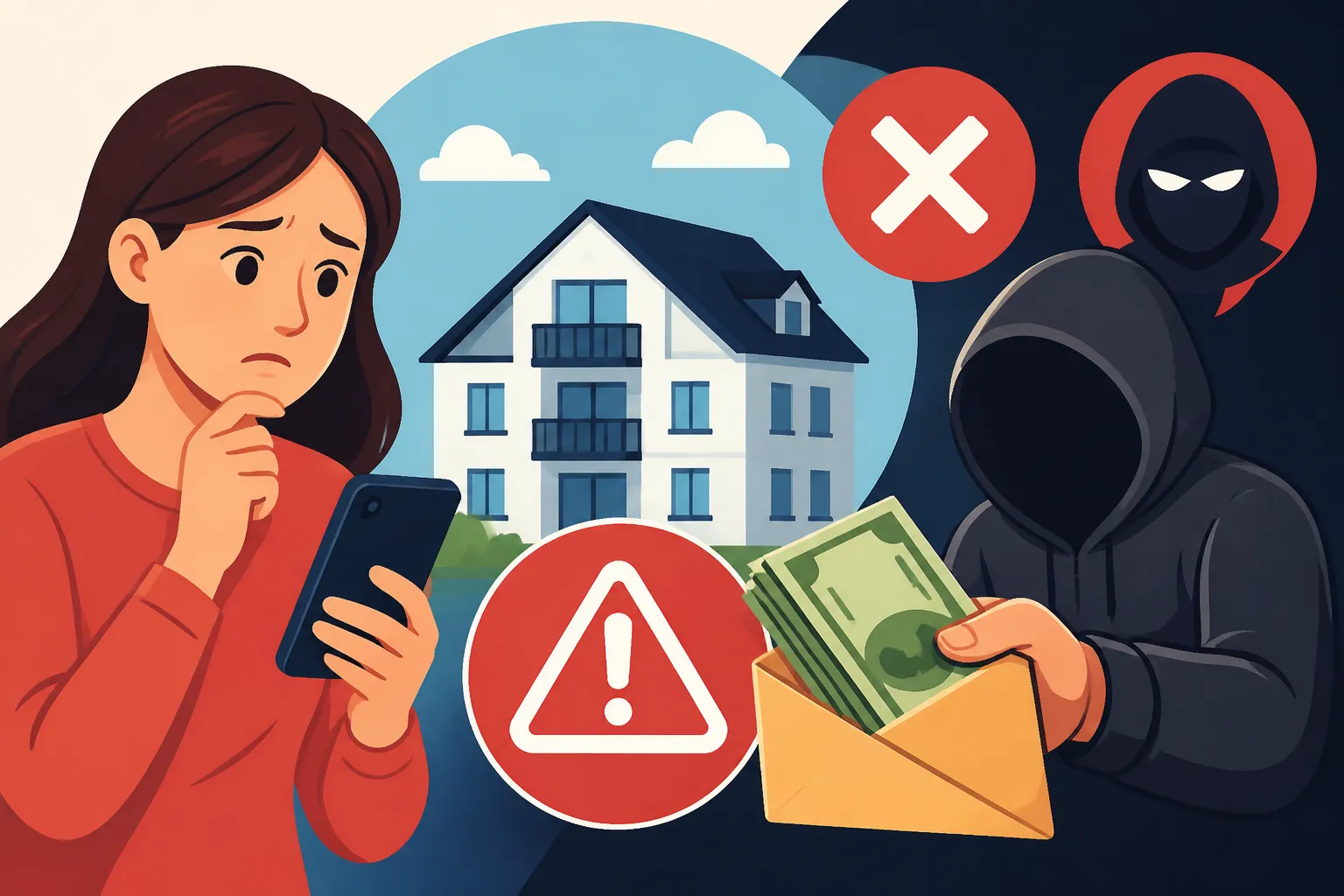
Believe me, I've seen it countless times. Expats, eager to find that perfect hyggelig apartment, are under immense pressure. They've heard stories about how difficult it is to find housing, how quickly places get snapped up. So, when a "landlord" asks for a deposit to "secure" the place before any official paperwork, it's easy to think it's just part of the competitive Danish market. But let me tell you, this is almost always a trap. In Denmark, legitimate landlords simply do not operate this way.
Understanding Danish Rental Laws on Deposits
Denmark has very clear laws designed to protect tenants, but you need to know what they are. A proper rental agreement, often using the standardized Typeformular A10: Understanding the Standard Danish Lease Agreement, is the legal backbone of your tenancy. This document outlines everything from the rent amount to the deposit, prepaid rent, and utility costs. The law states that a landlord can demand a maximum of three months' rent for a deposit (depositum) and three months' rent for prepaid rent (forudbetalt leje). So, in total, you could be asked for up to six months' rent upfront, plus the first month's rent. That's a lot of money!
However, the crucial point is when this money is exchanged. These funds are only due after you have thoroughly reviewed and signed a legally binding rental contract. Any request for money prior to this stage, no matter how small or how urgent the "landlord" claims it is, should raise every single one of your alarm bells. There are no exceptions for "holding fees," "viewing fees," or "application fees" before a contract. These are simply not part of the legitimate Danish rental process.
The Psychology of the Scam: How Desperation is Exploited
Scammers are masters of psychology. They understand the desperation of new arrivals. You're far from home, navigating a new culture, possibly struggling with the language, and under immense pressure to find a place to live so you can even get your CPR Registration Rule: Why Your Address Matters. They play on your fear of missing out, presenting an apartment that seems too good to be true – perfect location, reasonable rent, beautiful photos. They'll tell you there are many other interested parties, and if you don't act fast and pay a "small holding fee" or "deposit" right now, the apartment will go to someone else.
Often, they'll invent elaborate stories: they're working abroad, they can't show the apartment in person, they need the money for a flight back to sign the contract, or they'll send the keys via mail after payment. These stories are designed to explain away why you can't view the property, meet them in person, or receive a contract immediately. They create a sense of urgency and exclusivity, making you feel special, but it's all a manipulation. They thrive on the fact that you might not be familiar with Danish legalities or cultural norms around renting.
Common Red Flags: Trust Your Gut, Always
Recognizing the red flags is your first line of defense. If something feels off, it probably is. Here are some of the most common warning signs to watch out for:
- Payment before contract: This is the absolute biggest red flag. No legitimate landlord will ask for any money (deposit, first month's rent, holding fee) before a signed, valid Typeformular A10 rental contract is in your hands.
- Inability to view the property: If the "landlord" constantly makes excuses about why you can't see the apartment in person (e.g., "I'm abroad," "My current tenant is sick," "Keys are with my assistant who is out of town"), walk away. Always insist on a physical viewing, and ideally, bring a Danish-speaking friend along.
- Too good to be true pricing: Denmark is expensive. If you find a beautifully renovated, centrally located apartment for significantly below market rate, it's highly suspicious. Do your research on average rental prices in the area.
- Communication issues: The "landlord" might only communicate via email, avoid phone calls, or have poor grammar. They might also pressure you with rapid-fire messages.
- Unusual payment methods: Scammers often ask for payments via irreversible methods like Western Union, MoneyGram, cryptocurrency, or even direct cash transfers to an unknown account. Legitimate payments for rent and deposits in Denmark are almost always bank transfers made after a contract is signed, ideally to a NemKonto and MitID: The Core of Danish Digital Finance (2027) associated with the landlord or agency.
- Generic or stolen photos: The apartment photos might look professional but could be lifted from real estate websites or even stock photo sites. A reverse image search can sometimes reveal this.
- Lack of official documents: They might refuse to provide proof of ownership, a CPR number, or proper identification. Any reputable landlord or real estate agent will be transparent with their details.
- Pressuring tactics: They will create a sense of urgency, telling you that many others are interested and you need to pay now or lose the opportunity. They want you to bypass critical thinking.
How Real Rental Processes Work in Denmark
Navigating the Danish rental market can be a maze, but understanding the legitimate steps will empower you to spot the fakes. It's a structured process, and deviations from it are usually a cause for concern. Remember, haste makes waste, especially when it comes to your money.
The Standard Procedure: Contract First, Then Payment
The gold standard for renting in Denmark is straightforward: find an apartment, view it, agree on terms, sign a contract, then make any payments. This sequence is absolutely critical.
- Finding the Property: You'll typically search on reputable Danish rental platforms like BoligPortal, HousingAnywhere, or even directly through real estate agencies. While Facebook groups can sometimes yield results, they are also hotbeds for scammers, so proceed with extreme caution and follow all verification steps. (For more on this, check out our guide on BoligPortal vs. Facebook: How to Spot Rental Scams in Denmark).
- Viewing the Apartment: You must see the apartment in person. If you're not in Denmark, arrange for a trusted friend, colleague, or even a relocation agent to view it on your behalf, ideally on a video call with you. This is non-negotiable. If you cannot physically confirm the apartment exists and matches the description, do not proceed.
- Agreement and Contract Draft: Once you've viewed the place and agreed on the terms (rent, move-in date, utilities, etc.), the landlord or agency will draft a rental contract, almost always based on the standard Typeformular A10.
- Contract Review and Signing: This is where you, or ideally a legal expert from LLO (Lejernes Landsorganisation), thoroughly review every clause. Pay close attention to sections regarding initial rental costs: Navigating Deposits and Prepaid Rent Laws, maintenance, and termination. Only once you are 100% satisfied and understand all terms should you sign.
- Payment: After the contract is signed by both parties, you will then transfer the agreed-upon deposit, prepaid rent, and first month's rent via bank transfer. Ensure the bank account details match the landlord or agency named in the contract.
Verifying the Landlord and Property
Due diligence is your best friend. In Denmark, there are ways to verify ownership and ensure you're dealing with a legitimate party.
- Meet in Person and Ask for ID: Always meet the landlord or agent in person. Ask for official identification. If they represent an agency, verify the agency’s credentials.
- Check Property Ownership (Tinglysning): This is a public registry where you can see who legally owns a property. You can access this information via Tinglysning.dk. You'll need the property's address. If the person claiming to be the landlord isn't listed as the owner (or doesn't have a clear mandate from the owner), it's a huge red flag. This requires a bit of Danish or a helpful Dane, but it's a powerful tool for verification.
- Request the CPR Number (for private landlords): A legitimate private landlord will often share their CPR number for the contract. This isn't always standard practice, but if they provide it, it can be a way to cross-reference their identity. Agencies will provide their CVR (business registration) number.
- Contact Current/Previous Tenants: If possible, try to talk to current or previous tenants. They can offer invaluable insight into the landlord's practices and the property's condition.
Safe Payment Methods: Bank Transfers Only, After Signing
When it comes to paying, stick to secure and traceable methods. In Denmark, this primarily means direct bank transfers.
- Bank Transfer: Once you have a signed contract, the landlord will provide their Danish bank account details. Use your own bank to make the transfer. This leaves a clear paper trail, which is crucial if any disputes arise later. Ensure the name on the bank account matches the name of the landlord or company on your signed contract.
- Avoid Cash, Western Union, Crypto: Absolutely avoid paying cash unless you receive a fully signed, official receipt, which is rare for large deposits. Never, ever use untraceable services like Western Union, MoneyGram, or cryptocurrency. These are favored by scammers precisely because the money disappears instantly, and there's no way to get it back.
- MobilePay Considerations: While MobilePay is ubiquitous for everyday payments in Denmark, it's generally not used for large sums like rental deposits. MobilePay transactions are typically linked to a NemKonto and CPR number, so if someone asks for a MobilePay payment to an unregistered number or without a proper contract, it's suspicious. For the initial setup, you might even consider using an eSIM from a provider like Airalo to ensure you have consistent, reliable mobile data when you're apartment hunting, especially if you're coordinating viewings and verifying details on the go, avoiding reliance on spotty public Wi-Fi. It's a small detail, but reliable communication is key to avoiding miscommunications that scammers often exploit.
| Feature | Legitimate Rental Process | Rental Scam Red Flags |
|---|---|---|
| Contract | Always signed before any money changes hands. | Payment requested before a signed contract. |
| Property Viewing | Physical viewing is standard and expected. | Excuses for inability to show the property in person. |
| Payment Method | Danish bank transfer, traceable. | Western Union, MoneyGram, cash without receipt, crypto. |
| Landlord ID | Provides full name, contact, CVR/CPR, often property ownership proof. | Vague or inconsistent identity, avoids meeting. |
| Pricing | Generally market rate, transparent about costs. | "Too good to be true" prices, hidden fees. |
| Communication | Professional, responsive, clear, in Danish or English. | Poor grammar, high pressure, rapid-fire urgency. |
| Urgency | Reasonable timelines for decision-making. | Extreme pressure to pay immediately or "lose the deal." |
Protecting Yourself: Proactive Steps for Expats
You've come all this way to live your Danish dream, not to be financially exploited. Being proactive and informed is your best defense against rental scams. Don't be afraid to ask questions, verify details, and walk away if anything feels off.
Utilizing Reputable Platforms and Agents
Your choice of where to search for an apartment significantly impacts your risk of encountering scams. Stick to well-known, established platforms and professional real estate agencies.
- Verified Listing Sites: Platforms like BoligPortal and HousingAnywhere often have verification processes for landlords and listings, though you still need to exercise caution. Some international platforms, such as Spotahome, also specialize in verified mid- to long-term rentals, often including video tours and checked properties, which can be a lifeline for expats who cannot view apartments in person. While no platform is 100% foolproof, these reputable sites significantly reduce your risk compared to unmoderated social media groups. They understand the unique challenges faced by expats trying to find a home remotely.
- Real Estate Agents (Ejendomsmæglere): Engaging a reputable real estate agent can be expensive, but it offers a high degree of security. They handle all legal aspects, property viewings, and ensure the landlord is legitimate. This can be particularly beneficial if you're looking for Renter in Denmark: Complete Guide for Expats (2026) and want to streamline the process.
- Company Relocation Services: If your employer is relocating you, they might offer a relocation package that includes housing assistance. These services often work with trusted agents and landlords, further safeguarding you from scams.
Getting Professional Help: LLO and Legal Advice
Even with all the best intentions, the Danish rental system can be complex. Don't hesitate to seek professional help.
- Join LLO (Lejernes Landsorganisation): The Danish Tenants' Union, LLO, is an invaluable resource for renters. For a modest annual fee, they offer legal advice, help review contracts, and can even mediate disputes with landlords. Joining LLO (Tenants' Union): How to Fight Unfair Rent Increases should be one of the first things you do once you've secured your CPR number and are settling into Denmark. Their expertise is crucial, especially when dealing with complex clauses in your rental contract or if you suspect an unfair request for funds.
- Legal Counsel: For particularly complex situations or if you have specific concerns, consulting a lawyer specializing in rental law can provide peace of mind. While it comes with a cost, it's a small price to pay compared to losing a large deposit to a scammer.
What to Do If You Suspect a Scam
If you encounter a suspected scam or, worse, if you've already paid money to a fraudulent "landlord," act swiftly.
- Stop All Communication and Payments: Immediately cease all contact with the scammer. Do not send any more money, even if they threaten legal action or promise to return your money after a small "final fee."
- Contact Your Bank: If you transferred money via your bank, contact them immediately. Explain that you've been scammed. While recovering funds can be difficult with international transfers, your bank might be able to initiate a recall or at least block further transactions.
- Report to the Police: File a report with the Danish police (Politiet). Provide them with all details: communication (emails, messages), "landlord" information, bank details, and any "contract" you might have received. Even if the money is gone, reporting helps authorities track these criminals.
- Report to the Platform: If you found the listing on a rental platform, report the scammer and the listing to the platform's administrators. They can remove the fraudulent listing and prevent others from falling victim.
- Share Your Experience: While it's embarrassing, share your experience in expat forums and groups. This helps warn others about current scam tactics.
Remember, the Danish system, with all its quirks, is generally designed to be fair and transparent. Any attempt to circumvent established procedures, especially regarding payments before a signed contract, is a major warning sign. Stay vigilant, trust your instincts, and use the resources available to you. Your peace of mind (and your wallet!) will thank you for it.
Disclaimer
The information provided in this guide is for general informational purposes only and does not constitute legal advice. While we strive to provide accurate and up-to-date information, rental laws and regulations in Denmark can change. We recommend consulting with a legal professional or the Danish Tenants' Union (LLO) for specific advice regarding your rental situation.