Subletting a Room: Does the Main Tenant Become Your Landlord?
Moving to Denmark, you quickly learn that securing housing is a beast, and sometimes, subletting a room seems like the only viable option in a competitive market, especially in cities like Copenhagen or Aarhus. But then, a nagging question creeps into your mind: if you're just renting a room from someone else who is also a tenant, does that main tenant officially become your landlord? It’s a valid and often confusing concern that many expats wrestle with when trying to navigate the Danish rental market, and it touches on some fundamental legal distinctions that are critical to understand.
This guide will dive deep into the world of Danish subletting, or "fremleje," to clear up this common confusion. We'll explore the legal framework, the responsibilities of both the main tenant and the subtenant, and how to protect yourself whether you're looking to rent out a room or move into one.
The Nuance of Subletting (Fremleje) in Denmark
The Danish rental landscape has its quirks, and the concept of subletting is definitely one of them. It's not as simple as just "sharing an apartment" with a flatmate; there's a formal legal structure at play that many foreigners initially misunderstand.
Distinguishing Subletting from a Roommate Situation
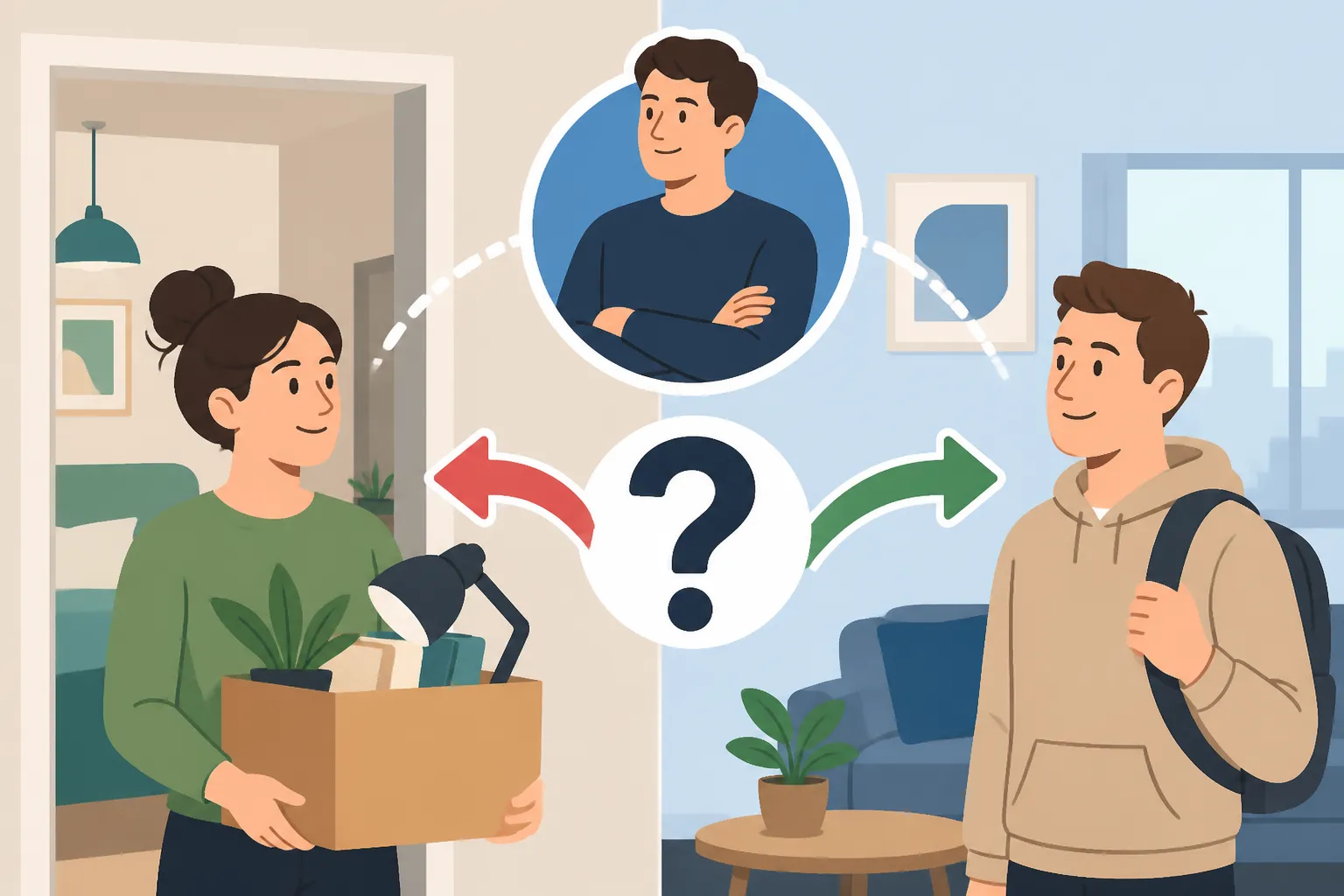
In many countries, if you share an apartment with someone and both your names are on the main lease, you’re co-tenants or roommates, and you both have direct relationships with the landlord. In Denmark, however, if you are renting a room from someone who is themselves the primary tenant (meaning only their name is on the main lease with the property owner), you are almost certainly entering into a sublease agreement, and that main tenant becomes your direct contractual party.
This distinction isn't just semantics; it carries significant legal weight. Even if you share common facilities like a kitchen, bathroom, or living room, if your agreement is with the main tenant for a specific room within their rented property, you are considered a subtenant. The main tenant effectively steps into the shoes of a landlord in relation to you. They are responsible for collecting your rent, handling your deposit, and ensuring the conditions of your sublease are met. Your direct legal ties are with them, not with the property owner. This means that if something goes wrong, your first port of call, and the person legally responsible for resolving the issue, is the main tenant.
Why This Distinction Matters Legally
The legal implications of this distinction are far-reaching and directly impact your rights and obligations. For instance, the main tenant is bound by rental laws when dealing with you, the subtenant. This affects how much rent they can charge, the notice periods for moving out, and how your deposit must be handled. They cannot simply make up rules or charges outside the legal framework governing rental agreements.
As a subtenant, you gain certain protections under Danish tenancy law, but these protections are primarily against the main tenant, not the original property owner. If the main tenant's lease with the property owner is terminated, your sublease might also be affected, even if you’ve upheld your end of the bargain. Understanding this chain of responsibility is crucial for both parties. The main tenant is ultimately accountable to their landlord for your actions and any breaches of the original lease agreement. For comprehensive understanding of your protections, it's worth familiarizing yourself with Tenant Rights and LLO (Lejernes Landsorganisation) Protection. This organisation can be an invaluable resource for navigating complex rental issues, whether you're a main tenant or a subtenant.
Yes, The Main Tenant Takes on Landlord Responsibilities
This is often the most surprising part for new expats. When you, as the main tenant, decide to rent out a spare room in your apartment, you don't just become a flatmate with an extra income stream. You legally assume many of the duties and obligations typically associated with a landlord. It's a significant shift in responsibility that requires careful consideration.
What it Means to Be a "Sub-Landlord"
As a "sub-landlord," the main tenant becomes the direct contractual party for the subtenant. This means they are the one collecting rent from the subtenant, managing the deposit, and handling the day-to-day issues that arise. If the tap is leaking in the shared bathroom, the subtenant will (and should) approach the main tenant first. If there's a disagreement about cleanliness or noise, it's the main tenant's role to mediate and enforce the rules that were (hopefully) laid out in the sublease agreement.
The main tenant is responsible for providing a habitable living space, ensuring that the subtenant's basic rights are upheld, and communicating effectively about any changes or issues related to the apartment or the tenancy. It’s a formal legal relationship, not just a handshake agreement. This means that even if you're both sharing a coffee in the kitchen, when it comes to the legalities of the tenancy, one party is the "landlord" and the other is the "tenant."
Legal Obligations for the Main Tenant
Taking on the role of a sub-landlord comes with a clear set of legal obligations under Danish law, similar to those of any property owner renting out a space. Ignoring these can lead to serious legal and financial headaches.
Firstly, the main tenant must provide a written sublease agreement (fremlejekontrakt). This isn't optional. It should clearly outline the terms: the exact rent amount, the deposit, any prepaid rent, the notice periods for both parties, what utilities are included (and how they're calculated if not), and any specific house rules. Simply stating "we have an agreement" won't stand up in court. This contract is your primary protection, both for the main tenant and the subtenant.
Secondly, the main tenant cannot charge excessive rent. This is a major point of protection for subtenants. The rent charged for the room cannot exceed a proportionate share of the main tenant's own rent for the entire apartment, plus a reasonable amount for any furniture provided and utilities. For example, if you rent a 100 sqm apartment for DKK 10,000 and sublet a 25 sqm room, you can't charge DKK 8,000 for that room. If a subtenant suspects they are being overcharged, they have the right to challenge this with the Huslejenævnet (Rent Control Board), which could result in the main tenant having to pay back the difference.
Lastly, the main tenant must follow rules for deposits and prepaid rent. Deposits must be placed in a separate, secure account (not simply spent), and can only be used to cover damages or outstanding rent at the end of the tenancy. The rules regarding the return of deposits are strict, and main tenants must conduct a proper The Move-Out Inspection Fraflytningssyn Getting Your Deposit Back with the subtenant, documenting any damages beyond normal wear and tear.
Navigating the Legalities: What You Need to Know
Whether you're looking to sublet your extra room or find a sublet yourself, understanding the legal framework is paramount. Denmark has quite specific rules, and bending them can lead to significant problems.
Obtaining Permission from the Original Landlord
This is perhaps the most crucial step for the main tenant. Before even thinking about advertising a room for rent, the main tenant must obtain permission from their original landlord. This permission should ideally be in writing. Many standard Danish lease agreements, like the Typeformular A10 Understanding the Standard Danish Lease Agreement, will have clauses addressing subletting. Some landlords are perfectly fine with it, especially if the sublease is for a limited period (e.g., while the main tenant is abroad). Others might be more reluctant.
The original landlord can typically only deny permission under specific, legally defined circumstances, such as if the number of residents in the apartment would become unreasonably high, or if they have a valid, objective reason to object to the subtenant (though this is rare and hard to prove). If the landlord denies permission without valid grounds, the main tenant may still be allowed to sublet, but it's a legal grey area best navigated with expert advice. Without explicit permission, the main tenant risks violating their primary lease, which could lead to their own eviction. This is a severe consequence, highlighting why clear communication and documented consent are non-negotiable.
The Sublease Agreement (Fremlejekontrakt)
As we touched upon earlier, a written sublease agreement is not just a formality; it's an absolute necessity. For both the main tenant and the subtenant, this document is the foundation of their legal relationship and protects both parties. It should be comprehensive, leaving no room for ambiguity.
The agreement should detail:
- Parties involved: Full names, CPR numbers, and contact details of both the main tenant and the subtenant.
- Property details: The specific address and the room being rented, including any shared facilities.
- Rent amount: Clearly state the monthly rent, due date, and payment method.
- Deposit and prepaid rent: Specify the amounts, how they are held, and the conditions for their return. Remember the rules from Initial Rental Costs Navigating Deposits and Prepaid Rent Laws apply here.
- Utilities: Clearly state which utilities (electricity, water, heating, internet, etc.) are included in the rent, or how they will be calculated and paid for if separate.
- Lease term: Is it a fixed-term agreement (with a start and end date) or indefinite? This affects notice periods significantly.
- Notice periods: What are the terms for either party to terminate the agreement?
- House rules: Any specific rules regarding noise, guests, pets, cleaning responsibilities in shared areas, etc.
Standard Danish sublease forms exist and can be a good starting point, but it's often wise to have someone knowledgeable review them. Never sign a contract you don't fully understand.
CPR Registration and Address
For subtenants, one of the most practical and crucial aspects of any rental agreement in Denmark is the ability to register your CPR number at the address. Your CPR Registration Rule Why Your Address Matters is your key to almost everything in Denmark – getting a NemKonto bank account, receiving your Yellow Health Card, accessing healthcare, and even applying for a library card.
As a subtenant, you must be able to register your CPR number at the sublet address. This means the main tenant must confirm to the municipality that you reside there. Furthermore, the original landlord must not have any objections to the subtenant residing there for CPR registration purposes. If the main tenant refuses to allow CPR registration, or if the original landlord prohibits it, this is a massive red flag. Living in Denmark without CPR registration is incredibly difficult and effectively leaves you in a legal and administrative limbo. Always clarify this point before signing any sublease agreement or paying a deposit.
Rights and Responsibilities for Subtenants
As a subtenant, you might feel like you're in a vulnerable position, but Danish tenancy law actually provides significant protections. It's vital to know your rights so you can stand up for yourself if needed.
Fair Rent and Deposit Protections
One of the most important rights for subtenants is protection against unfair rent. As mentioned, the main tenant cannot charge you more than a proportionate share of their own rent, plus a reasonable amount for furnished items and utilities. If you believe the rent is excessive, you have the right to take the case to the Huslejenævnet (Rent Control Board) in your municipality. They can assess whether the rent is fair and, if not, order the main tenant to reduce it and even repay any overcharged amounts. This mechanism is a crucial safeguard for subtenants against exploitation.
Regarding deposits, your main tenant must treat your deposit responsibly. It cannot be used for anything other than covering legitimate damages beyond normal wear and tear or unpaid rent at the end of your tenancy. They cannot simply withhold it without cause. Upon your move-out, they must provide a detailed breakdown of any deductions. If there's a dispute over deductions, you can also take this to the Rent Control Board. Knowing these protections can save you a lot of grief and money, which is especially important when considering the How Much Does Groceries Cost Per Month for a Single Person in Denmark? and other daily expenses.
Notice Periods and Eviction
Subtenants are entitled to proper notice periods, just like any other tenant. The standard notice period for a room is typically one month, while for an entire apartment it's usually three months, unless a fixed-term contract specifies an earlier, legally compliant end date. If your sublease is for a fixed term, it usually cannot be terminated by either party before the end date unless specific clauses for early termination were agreed upon in the contract.
More importantly, a main tenant cannot simply evict a subtenant on a whim. There must be valid legal grounds for eviction, such as consistent failure to pay rent, significant breaches of the lease agreement (e.g., causing damage, persistent noise complaints), or if the main tenant themselves is being evicted and the sublease is tied to their primary lease. Even then, proper legal procedures, including written warnings and formal notice, must be followed. Understanding these rules is critical, as many expats fall prey to informal "agreements" that leave them vulnerable. Always refer back to the clauses in your Section 11 of Typeformular A10 The Hidden Clauses to Watch For for specifics on termination.
Access to Utilities and Facilities
The sublease agreement should clearly outline which utilities and facilities are included in your rent and which you are responsible for. This could include electricity, heating, water, and internet. It's not uncommon for main tenants to include a fixed amount for utilities in the rent or to add an "aconto" payment that is reconciled annually. Ensure these arrangements are transparent and fair. If the main tenant attempts to overcharge significantly for utilities, this can also be challenged.
While many apartments come with internet, it’s not always a given in a sublet. If you’re in a pinch and need temporary data while you figure out your long-term internet solution, or if you’re traveling, a local eSIM from providers like Airalo can be a lifesaver. It’s always good to have a backup plan for staying connected.
Rights and Responsibilities for Main Tenants (as Sub-Landlords)
If you're the main tenant considering subletting a room, you're taking on significant responsibilities. This isn't just about earning some extra cash; it's about navigating a legal relationship with potential complexities.
Protecting Your Primary Lease
Your paramount responsibility is to protect your own primary lease with the original landlord. Any breach of your sublease agreement by your subtenant could inadvertently become a breach of your primary lease. For instance, if your main lease prohibits pets, and your subtenant brings in a dog, you are liable to your landlord for that violation. If your subtenant causes damage to the apartment beyond normal wear and tear, you are responsible for repairing it to your landlord, and then you would pursue the subtenant for those costs.
This underscores the critical need for a solid sublease agreement that mirrors the terms of your primary lease where relevant. You must also conduct a thorough The Move-In Inspection Indflytningssyn Documenting Property Flaws with your subtenant, just as your original landlord would do with you. Document the condition of the room and any shared areas with photos and a written report before the subtenant moves in. This protects you in case of damage claims later on.
Financial and Administrative Duties
As the sub-landlord, you are responsible for all financial and administrative aspects of the sublease. This includes:
- Collecting rent: Ensuring rent is paid on time and managing any late payments.
- Managing the deposit: This is crucial. Your subtenant's deposit must be held in a separate, secure account, not mixed with your personal funds. This ensures that the money is available for return at the end of the tenancy and protects you from accusations of misuse.
- Providing receipts: Always provide written receipts for rent and deposit payments.
- Calculating fair utility costs: If utilities aren't included in the fixed rent, you need to fairly calculate the subtenant's share, especially for aconto payments that are reconciled annually.
- Communication: Being the primary point of contact for your subtenant means you'll be handling their questions, concerns, and potential complaints.
These duties require a degree of organization and attention to detail.
The Burden of Eviction and Dispute Resolution
Should things go south – and sometimes they do, despite best intentions – the main tenant bears the burden of initiating legal proceedings against the subtenant. This means if a subtenant stops paying rent, causes significant problems, or refuses to move out after proper notice, you are the one who has to go through the potentially lengthy and stressful legal process to evict them. You cannot simply change the locks or throw their belongings out; Danish law is very protective of tenants.
In cases of dispute, the main tenant may find themselves facing the Huslejenævnet (Rent Control Board) if the subtenant lodges a complaint, or even needing to take the subtenant to court. This can be time-consuming, emotionally draining, and potentially costly. While you might consider seeking legal advice, organisations like Joining LLO Tenants' Union How to Fight Unfair Rent Increases can be an excellent resource, offering guidance and support for both main tenants and subtenants on Danish rental law.
Common Pitfalls and Practical Advice
The Danish rental market can be tricky, and subletting, while offering flexibility, also comes with its own set of potential pitfalls. Being aware of these can save you a lot of stress and money.
Rental Scams Targeting Subtenants
Unfortunately, expats are particularly vulnerable to rental scams in Denmark, and sublets are no exception. Scam artists prey on the urgency and unfamiliarity of foreigners. Be incredibly wary of any main tenant (or fake main tenant) who:
- Requests large deposits or prepaid rent before you've seen the room in person or signed a contract.
- Claims to be abroad and unable to show the property, asking you to transfer money sight unseen.
- Pressures you into making a quick decision or paying immediately.
- Communicates poorly or provides vague answers to your questions.
Always insist on viewing the property, meeting the main tenant in person, and signing a detailed, written contract before exchanging any money. If something feels off, trust your gut. Remember the advice from Paying Rent Deposits Before Signing a Contract Red Flags and Scams. While platforms like Spotahome offer a level of verification for longer-term rentals, always apply extreme caution when dealing with direct subletting arrangements advertised elsewhere, such as on Facebook groups or classifieds. Always cross-reference and verify information where possible.
Overcharging and Unfair Terms
As a subtenant, it’s crucial to know what constitutes a fair price for a room in Denmark. Main tenants are legally restricted in how much they can charge. If the rent seems disproportionately high compared to the overall apartment rent or other rooms in the area, it's a red flag. Similarly, be cautious of sublease agreements with unusually short notice periods (shorter than one month for a room, or without mutual agreement for fixed-term leases), or clauses that seem to waive your basic tenant rights.
Main tenants should strive for transparency. Don't try to make a profit from subletting; the Danish system isn't designed for it, and you could face legal repercussions. Your goal should be to cover a reasonable portion of your own housing costs, not to turn a profit.
Communication is Key
This might sound simple, but clear, open, and consistent communication can prevent most disputes. For the main tenant, this means:
- Being transparent with your subtenant about any issues with the original landlord or the property.
- Clearly outlining house rules, especially regarding Quiet Hours and Apartment Rules How to Avoid Neighbor Conflicts, cleaning schedules for shared spaces, and guest policies.
- Promptly addressing any concerns the subtenant raises.
For the subtenant, this means:
- Clearly communicating any issues with the property or concerns with the main tenant.
- Respecting shared spaces and house rules.
- Giving proper notice when planning to move out.
Document everything important in writing – emails or messages are better than verbal agreements for significant matters. This creates a clear record that can be invaluable if a dispute arises.
Subletting in Denmark: Main Tenant vs. Subtenant Responsibilities
To make things a bit clearer, here's a quick overview of the key responsibilities and rights for both the main tenant (as sub-landlord) and the subtenant in a Danish subletting scenario:
| Aspect | Main Tenant (Sub-Landlord) Responsibilities | Subtenant Rights & Responsibilities |
|---|---|---|
| Legal Status | Direct contractual party to subtenant. Legally acting as landlord. | Direct contractual party to main tenant. Legally a tenant. |
| Rent & Deposit | Collects rent; holds deposit in separate account; cannot overcharge. | Pays rent on time; deposit protected; right to fair rent. |
| Contract | Must provide written sublease agreement (fremlejekontrakt). | Right to a written contract outlining all terms. |
| Original Landlord | Must obtain permission from original landlord to sublet. | Not directly involved with original landlord. |
| CPR Registration | Must allow subtenant to register CPR at address. | Right to register CPR at the sublet address. |
| Notice Periods | Must provide legal notice for termination/eviction. | Entitled to legal notice for termination. |
| Property Damage | Responsible for subtenant's actions to original landlord. | Responsible for damages beyond wear and tear. |
| Dispute Resolution | Must initiate legal process against subtenant if issues arise. | Right to appeal to Rent Control Board (Huslejenævnet). |
| Maintenance | First point of contact for minor repairs/issues in the apartment. | Report issues/repairs needed to main tenant. |
Disclaimer
The information provided in this guide is for general informational purposes only and does not constitute legal advice. While we strive to provide accurate and up-to-date information, rental laws in Denmark can be complex and are subject to change. It is always recommended to seek professional legal advice from a lawyer or a tenant's organization like LLO (Lejernes Landsorganisation) for specific situations or before entering into any rental or subletting agreement. We are not liable for any actions taken based on the information presented herein.