Why Your Danish Apartment Comes Without Light Fixtures
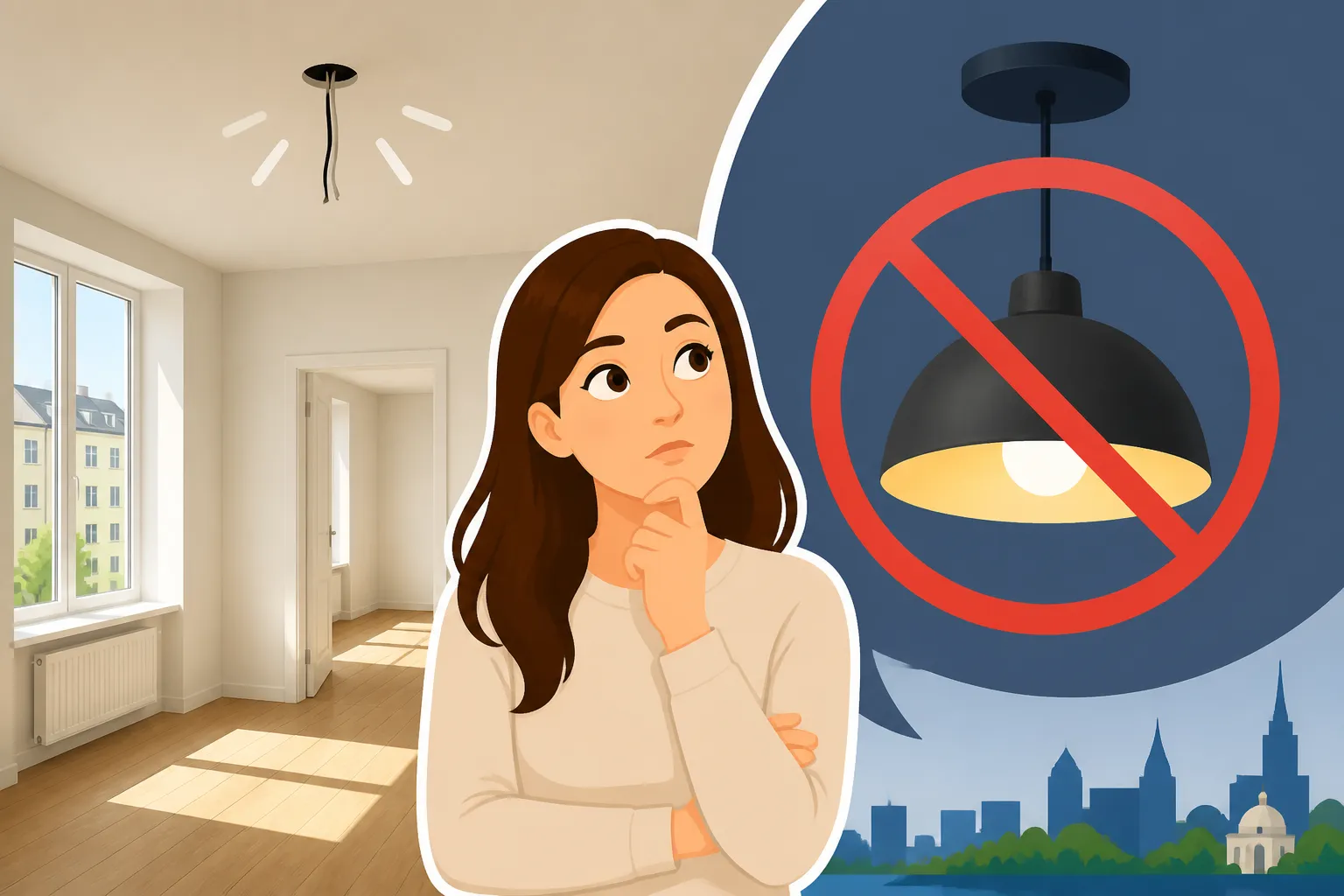
One of the most perplexing and, frankly, dim realities many new arrivals face when finally getting the keys to their Danish apartment is walking into a space that, while otherwise lovely, often lacks the most basic necessity: light fixtures. You might find bare bulbs dangling from wires, or perhaps just a ceiling rose with exposed terminals, leaving you literally in the dark and wondering, "Did I miss something?" Trust me, you didn't. This guide is here to shed some light (pun intended!) on why this is the norm in Denmark and how you can illuminate your new home without too much stress.
The Cultural and Historical Roots of Bare Bulbs
It’s easy to feel a bit frustrated, maybe even a little ripped off, when you move into a place and realize you need to buy and install all the light fixtures yourself. In many parts of the world, this would be unheard of – a basic expectation for any rental property. But here in Denmark, it’s just part of the furniture, or rather, the lack of furniture. Understanding the cultural reasons behind this tradition can help you adjust and even appreciate the unique Danish approach.
The Danish DIY Ethos and Personalization
Danes have a deep-seated love for their homes, and this translates into a strong desire for personalization. When you rent an apartment, it’s seen as your canvas, a place where you're encouraged to put your own stamp on things. Light fixtures are a prime example of this. They're not just about illumination; they're an integral part of interior design, ambiance, and personal style. Imagine if every apartment came with generic, mass-produced fixtures – it would stifle that sense of individual ownership and design freedom.
This strong DIY ethos means that most Danes are quite handy when it comes to home improvements. Installing a light fixture is often considered a basic skill, much like assembling IKEA furniture. It's not something you'd necessarily call a professional for unless it's a complex wiring job or a brand-new installation point. This cultural expectation contrasts sharply with countries where landlords typically provide everything, seeing it as part of the initial investment. Here, the landlord provides the basic wiring, and you provide the aesthetic. It’s about building your hjem (home) from the ground up, literally. You're not just renting a space; you're adopting a lifestyle.
Electrical Standards and Safety
Beyond the cultural aspects, there's a practical, historical foundation rooted in Danish electrical standards. The electrical systems in most Danish apartments are designed with easy fixture installation in mind. You'll typically find standard ceiling outlets (known as lampeudtag) that are relatively straightforward to connect a fixture to, usually with a simple screw terminal system. These connections are standardized, ensuring that most off-the-shelf light fixtures can be installed without needing an electrician to reconfigure the wiring in the wall.
This approach also subtly shifts some of the responsibility. While the landlord ensures the underlying wiring is safe and up to code, the tenant is responsible for the safe installation of their chosen fixture. This empowers tenants to select high-quality, safe products for their homes. While you might be tempted to just twist some wires together, it's crucial to follow safety guidelines. If you're truly unsure about electrical work, it's always best to consult an English-speaking handyman to avoid any hazards. Danish regulations are stringent, and improper installation can be dangerous. Knowing that the existing wiring infrastructure is usually reliable, however, can provide some peace of mind as you embark on your lighting quest.
Navigating the Rental Market: What to Expect
When you're first looking for an apartment, especially from abroad, the detail of light fixtures is probably pretty low on your checklist. You're likely more focused on location, size, and getting a good grasp on the initial rental costs, like deposits and prepaid rent. But once you sign that lease and get the keys, the reality often hits.
Understanding Your Lease Agreement
The standard Danish lease agreement, often referred to as a Typeformular A10: Understanding the Standard Danish Lease Agreement, is a crucial document that outlines all the terms and conditions of your rental. While it might not explicitly state "no light fixtures included," it's usually implied by omission. If a landlord does provide fixtures, it would almost certainly be noted in the special conditions or an addendum. It’s always worth a thorough read, ideally with a Danish speaker or someone familiar with local rental laws, to understand what exactly is included.
Don't be shy about asking your landlord or the rental agency for clarification before you sign. A simple question like "Are light fixtures included, or will I need to bring my own?" can save you a surprise later. If there are existing fixtures, confirm their condition during the move-in inspection. This is important for the move-out inspection, as you don't want to be blamed for pre-existing damage or missing items. Remember, while a platform like Spotahome can help you find verified rental properties, the onus is still on you to read the fine print of the actual lease contract you sign.
Practical Solutions for a Brighter Home
So, you’ve got the keys, and it’s dark. What now? Don't panic! There are plenty of straightforward and even fun solutions.
First, for immediate light, grab some floor lamps, table lamps, or even string lights. These plug directly into wall sockets and offer instant illumination without any installation hassle. They're also great for creating a cozy, hygge atmosphere, which Danes are masters of. You can usually pick these up at supermarkets like Føtex or Bilka, or hardware stores, which we'll discuss in a moment.
When it comes to actual ceiling fixtures, you have a few options:
- DIY Installation: If you're comfortable with basic electrical work, you can buy fixtures and install them yourself. Most hardware stores like Harald Nyborg, Jem & Fix, or Bauhaus will have a wide selection of fixtures and the necessary tools. Just make sure to turn off the main power switch before you start!
- Professional Help: If you’re not comfortable, or if the wiring looks particularly daunting, don’t hesitate to hire an electrician or a skilled handyman. It's a small investment for your safety and peace of mind. Many foreigners search for English-speaking handymen to help with these sorts of tasks.
- Second-hand Finds: This is a very Danish solution! Check out online marketplaces like DBA (Den Blå Avis) or local loppemarkeder (flea markets) for affordable and often stylish used light fixtures. It's not only budget-friendly but also environmentally conscious. You can find some real gems that add character to your space.
Many new arrivals in Denmark often rely on their phones for everything from finding directions to translating grocery labels. Having reliable mobile data is key, especially when you're settling in and constantly looking up where to buy things or how to install them. Services like Airalo can be a lifesaver for getting an eSIM quickly upon arrival, ensuring you're connected right away to search for that perfect lamp or follow a DIY installation guide.
Here's a quick comparison of light fixture options:
| Option | Pros | Cons |
|---|---|---|
| Floor/Table Lamps | Immediate light, no installation, versatile, good for hygge | Not primary overhead light, takes up floor/table space, multiple needed |
| DIY Ceiling Fixtures | Full control over aesthetics, cost-effective if you have skills | Requires electrical knowledge, potential safety risk if done incorrectly |
| Professional Install | Safe, reliable, convenient | Can be expensive |
| Second-hand Finds | Unique style, environmentally friendly, budget-friendly | May require cleaning/repair, limited selection, still needs installation |
The Financial and Environmental Implications
While the initial surprise of no light fixtures might sting your wallet a bit, there are actually some interesting financial and environmental benefits baked into this Danish tradition. It speaks to a broader Danish sensibility of practicality, sustainability, and personal choice.
Cost Savings for Landlords and Tenants
From a landlord's perspective, not providing light fixtures is a simple way to keep initial setup costs down. Imagine having to buy and install fixtures for every single apartment unit, only for the next tenant to dislike them and want to change them. This system avoids that waste of time and money. It streamlines the rental process, allowing landlords to focus on the essential structural and utility aspects of the property.
For you, the tenant, this might feel like an added expense at first, but it can actually lead to long-term savings and better choices. You get to select fixtures that are not only aesthetically pleasing but also energy-efficient. With Denmark's relatively high electricity prices, choosing LED bulbs and efficient designs can significantly reduce your monthly utility bills. You're not stuck with whatever cheap, inefficient fixtures a landlord might have installed. This empowers you to make conscious decisions about your energy consumption, aligning with the Danish emphasis on green living and cost awareness. Thinking about how to be even more efficient with your electricity? You might want to read up on tips like Saving Money on Electricity: Running Appliances at Night in Denmark.
Sustainable Choices and Personalization
The practice of tenants bringing their own light fixtures inherently supports a more sustainable approach to living. When you move out, you take your fixtures with you to your next home, reducing waste. It’s a stark contrast to a system where landlords might rip out perfectly good, but old, fixtures every few years just to update the aesthetic, sending them straight to landfill. This aligns with the Danish value of recycling, reusing, and generally being mindful of one's environmental footprint. Buying second-hand fixtures further amplifies this sustainable aspect, giving new life to pre-loved items. Many Danes frequent Finding Flea Markets (Loppemarked) During the Danish Summer for such treasures.
Ultimately, this tradition encourages a deeper connection to your living space. Choosing your own lighting allows you to curate an environment that truly reflects your personality and needs. Whether you prefer bright, functional task lighting, warm and cozy ambient light, or a dramatic statement piece, the choice is entirely yours. It transforms the act of "moving in" from merely occupying a space to actively creating your personal sanctuary. It's a small hurdle, perhaps, but one that leads to a home that feels uniquely yours.
Disclaimer
Please note that this guide provides general information based on common practices and experiences in Denmark. Rental laws and specific lease agreement clauses can vary. Always consult your individual lease agreement, relevant legal resources, or professional advisors for specific advice tailored to your situation. Electrical work should always be undertaken with caution and adherence to safety regulations. If in doubt, hire a certified electrician.