Supermarkets in Denmark: Netto, Rema 1000, and Føtex Compared
Oh, the humble Danish supermarket. You might think it's just a place to grab your groceries, but for many of us expats, it's often one of the first bewildering cultural experiences you have when you land in Denmark. From the initial sticker shock to the unfamiliar brands and the curious absence of certain items you took for granted back home, it's a whole new world. This guide is here to demystify the main players in the Danish grocery scene – Netto, Rema 1000, and Føtex – helping you navigate the aisles, find the best deals, and feel a little more at home, one shopping trip at a time.
The Danish Supermarket Landscape: Beyond Just Groceries
When you first arrive, even something as mundane as grocery shopping can feel like a monumental task. You’re trying to decode product labels in a new language, figure out what’s a good deal, and frankly, just find something that resembles the food you’re used to. It's perfectly normal to feel a bit overwhelmed.
Initial Culture Shock: Price, Packaging, and Produce
I remember my first few trips to the supermarket here. My jaw practically hit the floor with some of the prices, especially for imported goods or specialty items. You quickly learn that certain things are just inherently more expensive in Denmark, and you adapt, or you go without. Forget finding a huge variety of exotic fruits and vegetables year-round for cheap – seasonality and local produce often dictate what’s available and at what price. The packaging can also be a bit different; sometimes you find less variety in sizes, or maybe certain products come in formats you’re not accustomed to. And let's not even get started on the sheer audacity of expecting you to buy your own lightbulbs or install your own showerheads in your rental apartment! But you get used to it. You really do.
Understanding Danish Shopping Habits: Efficiency and Value
Danes, by and large, are incredibly efficient shoppers. They often go with a list, they know what they want, and they get in and out. You won't see as much browsing or impulse buying as in some other cultures. There's a strong focus on value, which doesn't always mean "cheap," but rather "getting good quality for the money." This is why discount chains thrive, but also why even the more upscale stores still maintain a sensible approach to pricing. You’ll notice an emphasis on organic (økologisk) products across all price points, reflecting a national commitment to sustainability and health. Many Danes also appreciate the convenience of having various options, from the quick grab-and-go discount stores to the larger hypermarkets where you can find everything under one roof. They are masters of the weekly grocery haul, often planning meals to make the most of sale items. If you're a new arrival and still finding your feet with things like finding an apartment, maybe through a service like Spotahome, don't forget to factor in how close you are to your preferred supermarket for those daily essentials.
The Role of Supermarkets in Daily Expat Life
For us expats, supermarkets become more than just places to buy food; they're often a gateway to understanding Danish culture. You learn about seasonal eating, discover new local products, and perhaps even strike up a brief conversation with a cashier (though don't expect too much small talk – efficiency, remember?). They’re also crucial for managing your Cost of Living in Denmark 2026: Budgets for Singles and Families. Getting a handle on where to buy what, and when, can significantly impact your monthly expenses. Whether it's stocking up on rugbrød (rye bread) or hunting down a specific ingredient for a taste of home, these stores become a familiar part of your routine. And let's be honest, those initial trips can even provide some much-needed entertainment as you try to decipher the labels and work out the baffling logic behind some of the store layouts!
Discount Giants: Netto and Rema 1000
When it comes to stretching your kroner, Netto and Rema 1000 are often the first places expats get to know. These are the workhorses of the Danish grocery scene, designed for efficiency and offering competitive prices.
Netto: The Yellow and Black Budget Icon
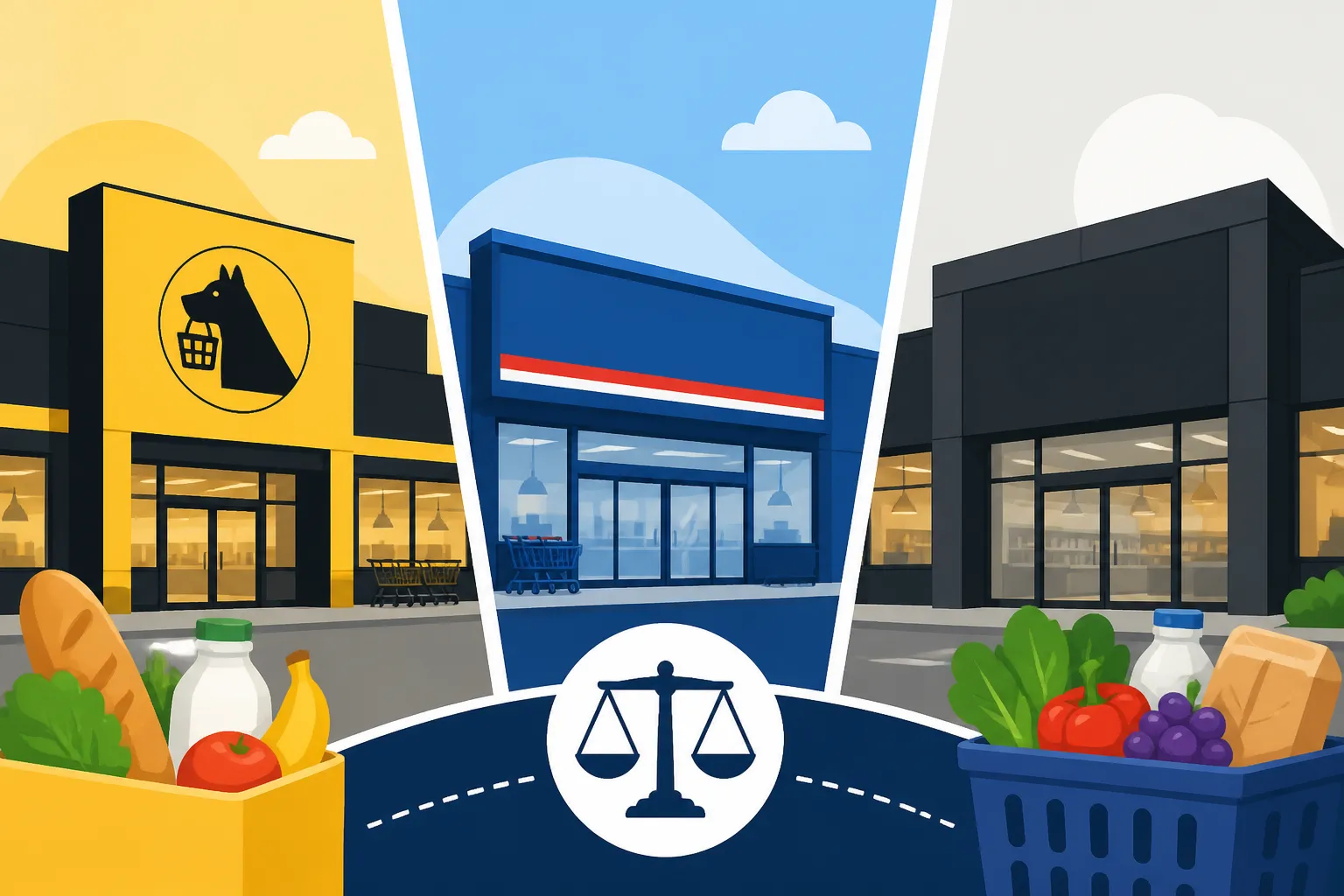
Netto, with its distinctive yellow and black branding, is probably the most ubiquitous supermarket chain in Denmark. You'll find a Netto practically everywhere – in city centers, suburbs, and even smaller towns. It's owned by Salling Group, one of Denmark's largest retail conglomerates.
What can you expect from Netto? Think no-frills, straightforward shopping. The stores are generally smaller than Føtex, often with a more basic layout. Their strength lies in their low prices, especially on everyday essentials like dairy, bread, some meats, and cleaning supplies. They frequently have "spot" deals on a variety of items, which can be fantastic if you catch them at the right time. However, the product range can be limited, and sometimes you might find the quality of fresh produce to be a bit inconsistent compared to more upscale options. If you're looking for a specific brand or something a bit more gourmet, Netto might not be your first stop. It's the place you pop into for your milk, eggs, and that week's discounted chicken. It's often busy, especially during peak hours, and the checkout lines move at a brisk pace. Don't be surprised if the cashier practically throws your items into your cart – it's just efficiency, not rudeness!
Rema 1000: Value and Simplicity from Norway
Rema 1000 is the Norwegian-owned challenger that has carved out a significant niche in the Danish market by focusing on a specific strategy: a limited, carefully curated selection of popular products at consistently low prices. The "1000" in their name originally referred to the approximate number of different items they stocked, though this number is now higher.
My experience with Rema 1000 is that they often feel a bit cleaner and more organized than some Netto stores, and their product quality, particularly for fresh produce and basic meats, can feel a touch more reliable. They focus heavily on their own private label brands, which are generally of good quality and excellent value. You won't find endless rows of different brands of pasta; you'll find one or two good options at a great price. This focus on simplicity makes shopping quicker and easier, as you're not overwhelmed by choice. Rema 1000 also puts a strong emphasis on local sourcing where possible, and you'll often find good deals on Danish seasonal vegetables. They are fantastic for your weekly bulk buy of staples and for finding consistently good offers without having to scour countless flyers.
Price vs. Quality: Making Your Budget Go Further
Deciding between Netto and Rema 1000 often comes down to specific items and your personal priorities. For sheer rock-bottom prices on basic packaged goods, Netto can sometimes edge out Rema 1000, especially with their weekly special offers. However, for a slightly better overall shopping experience, a more consistent quality of fresh items, and excellent private label products, Rema 1000 often wins in my book.
Many expats I know adopt a hybrid approach: they might do their main grocery run at Rema 1000 for staples, and then pop into Netto for specific deals or items that they know are cheaper there. It’s all about learning the landscape and figuring out what works for your budget and palate. Don't be afraid to experiment, especially when you're still working out your Money in Denmark: Banking, Payments, and Financial Setup for Expats and trying to keep costs down. A little extra effort in shopping smart can save you quite a bit over the month.
Mid-Range and Department Store Experience: Føtex and Bilka
Moving up the scale from the discount stores, we enter the realm of Føtex and its larger sibling, Bilka. These stores offer a broader selection, more services, and a generally more pleasant shopping environment, though with slightly higher price points on average.
Føtex: More Than Just Food
Føtex, also part of the Salling Group (like Netto), positions itself as a department store with a strong grocery section. This is where you go when you want a wider selection, better quality produce, a dedicated deli counter, a fresh bakery, and often, a small non-food section selling everything from electronics and clothing to household items and books.
Walking into a Føtex feels different from a Netto. The aisles are generally wider, the lighting is better, and there’s a greater sense of order. You’ll find a much more extensive range of international foods, specialty ingredients, and a more diverse selection of organic products. Their meat and fish counters often boast higher quality options, and the in-store bakeries produce some truly delicious fresh bread and pastries. Føtex is also known for its good selection of wines and beers, often with staff who can offer recommendations. For expats looking for a taste of home or a specific ingredient for a complex recipe, Føtex is often the place to start. It’s also a fantastic spot for picking up gifts, household items, or even a new pair of socks while doing your grocery run. It's certainly a more comprehensive shopping experience, reflecting its "department store" roots.
Bilka: The Hypermarket Experience
While Føtex is a department store, Bilka takes it to the next level, offering a true hypermarket experience. Think of Bilka as the Danish equivalent of a Walmart or Carrefour, but usually with better quality products and a much more structured layout. Bilka stores are massive, typically located in out-of-town retail parks, and they truly have everything.
Beyond an enormous grocery section – which includes an even wider range of fresh produce, specialty items, and international foods than Føtex – Bilka features huge departments for clothing, home goods, electronics, garden supplies, toys, and often even car repair services or tire changes. They are designed for large weekly family shops where you can stock up on groceries and buy a new TV, garden furniture, or your kids' school supplies all at once. For some expats, especially those with families or those living outside the immediate city centers with access to a car, Bilka can be a lifesaver for its sheer convenience and range. However, for daily or smaller weekly shops, it can be overwhelming, and the prices aren't always the cheapest across the board, though they do have excellent sales on non-food items. If you're looking to buy a new bike or a washing machine, Bilka is definitely a place to check.
The Convenience Factor: Breadth of Assortment and Services
The primary advantage of Føtex and Bilka over the discount stores is undoubtedly their breadth of assortment and the additional services they offer. You can count on finding specific cuts of meat, a wider array of cheeses, a better organic selection, and generally a more inspiring shopping environment. Føtex often has postal services, parcel pick-up points, and even small cafés. Bilka, with its vast scale, offers even more, from pharmacists to opticians and often a range of in-store eateries.
This comprehensive approach makes them ideal for those big weekly shops or when you need something beyond just basic groceries. While the overall price level might be a bit higher, the convenience of finding everything in one place, coupled with generally good quality and a more pleasant atmosphere, often makes them worth the extra kroner, especially if you're time-poor. Having a reliable internet connection to check opening times or look up recipes while you're there can be super helpful, especially when you're new. If you're using a local SIM, services like Airalo can ensure you have data on the go for these essential tasks.
Specialty Stores and Local Gems: Beyond the Big Three
While Netto, Rema 1000, and Føtex cover most of your grocery needs, Denmark also offers a vibrant ecosystem of smaller, more specialized stores that can truly enhance your culinary experience. Don't limit yourself to the big chains!
Organic and Health Food Stores
Danes are very keen on organic products (økologisk), and while you'll find them in all major supermarkets, there are dedicated stores that take it a step further. Irma, for example, is a slightly more upscale chain, known for its focus on high-quality, often organic, and locally sourced products. Shopping at Irma feels like a treat, with beautifully displayed produce and a curated selection of gourmet items. Prices are generally higher, but so is the quality and the shopping experience.
Beyond Irma, you'll also find smaller independent health food stores (often called "Helsemin" or similar), especially in larger cities like Copenhagen and Aarhus. These stores specialize in dietary supplements, natural remedies, gluten-free and vegan products, and often have staff who are knowledgeable about various health-conscious diets. If you have specific dietary needs or are looking for niche health products, these are the places to explore.
Ethnic Grocers and International Delights
One of the most exciting discoveries for many expats is the world of ethnic grocery stores. While the big Danish chains have improved their international selections, nothing beats the authenticity and variety of a dedicated ethnic grocer. You’ll find Turkish, Asian, Middle Eastern, and Eastern European supermarkets, particularly in diverse neighborhoods like Nørrebro in Copenhagen.
These stores are treasure troves for specific spices, unique cuts of meat, fresh herbs, exotic fruits and vegetables, and ingredients for cuisines that are hard to find elsewhere. Prices for many staple items (like rice, pasta, pulses) can also be significantly cheaper than in Danish supermarkets. I've often found that a trip to an Asian market can stock my pantry for weeks with delicious and affordable ingredients. They're also fantastic for finding those specific comfort foods from home that you’ve been craving. Many of these stores accept MobilePay and Cashless Denmark: Surviving Without Physical Cash, making payment easy.
Butcher Shops, Bakeries, and Fishmongers
Before the rise of the supermarket, Danes relied on specialty shops for their meat, bread, and fish, and these artisanal traditions are still very much alive. While you can get decent meat, bread, and fish at Føtex and Bilka, dedicated butcher shops (slagter), bakeries (bager), and fishmongers (fiskehandler) offer unparalleled quality and expertise.
- Bakeries: Danish bread is fantastic, and a local bakery will offer freshly baked rugbrød, franskbrød (white bread), rundstykker (breakfast rolls), and an array of delicious pastries (like wienerbrød) that are far superior to supermarket versions. It's a bit more expensive, but the quality is undeniable.
- Butcher Shops: For special occasions, or just when you want really good meat, a local butcher is worth the visit. They can offer specific cuts, give cooking advice, and the quality is usually excellent.
- Fishmongers: Living by the sea, fresh fish is a highlight of Danish cuisine. A dedicated fishmonger will have the freshest catch, advise on preparation, and often have a wider selection than what you find in a supermarket.
Incorporating these specialty shops into your routine can elevate your cooking and give you a deeper appreciation for local culinary traditions. Don't forget that using your The Dankort: Denmark’s National Debit Card and Why You Want One is pretty much universally accepted across all these establishments.
Navigating the Checkout: Self-Scan, MobilePay, and Pant
The checkout process in Denmark is generally efficient, but there are a few local quirks that might surprise new arrivals, particularly regarding payment methods and recycling.
Payment Methods: MobilePay, Dankort, and Cash
Denmark is a famously cashless society, so be prepared to rely heavily on digital payments.
- MobilePay: This is the dominant payment app in Denmark. Everyone uses it – for splitting bills with friends, paying in shops, even for small street vendors. It's incredibly convenient once you've set up your Danish bank account and MitID. Many supermarkets, especially the smaller ones, have self-checkout lanes that accept MobilePay. You’ll find it's often preferred for smaller transactions and is almost universal.
- Dankort: This is Denmark's national debit card, and it's widely accepted everywhere. Many Danes will have a Dankort co-branded with Visa or Mastercard. While foreign credit and debit cards are generally accepted, sometimes smaller shops or discount stores might have a minimum purchase amount for foreign cards or even charge a small fee, though this is less common in major supermarkets. Having a Danish debit card is truly the easiest way to pay.
- Cash: Yes, cash still exists, but you'll find fewer and fewer people using it. Most transactions are digital. While stores are legally required to accept cash during opening hours, it's not uncommon to see signs saying "Card preferred" or even "Cashless store" (though the latter is mainly for very small, independent shops). Don't rely on cash for everything. It's definitely worth exploring How Much Does Groceries Cost Per Month for a Single Person in Denmark? and then deciding how much cash, if any, you want to keep on hand for emergencies.
The Pant System: Recycling and Getting Your Deposit Back
The "Pant" system is a fantastic, if sometimes initially confusing, aspect of Danish shopping. "Pant" refers to the deposit you pay on bottles and cans. When you buy a drink (soda, beer, some juices), a small deposit (typically between 1 DKK and 3 DKK) is added to the price. To get this money back, you return the empty bottles and cans to a "Pantomaten" (reverse vending machine) at almost any supermarket.
These machines scan the barcode, calculate your total deposit, and print out a receipt. You then take this receipt to the checkout counter, and the amount is deducted from your grocery bill or given back to you as cash. It's an incredibly effective recycling system, and everyone participates. You'll quickly get into the habit of saving your empties. Just make sure the bottles and cans aren't too crushed or dirty, as the machine might reject them. Seriously, get into this habit – it’s a quick way to get some kroner back into your pocket! Check out Understanding the "Pant" System: Getting Money Back for Bottles for more detailed info.
Loyalty Programs and Digital Deals
Most major supermarket chains offer some form of loyalty program or digital deals, often accessed through their apps.
- Netto+ App: Netto has its "Netto+" app, which offers weekly personalized deals, discounts on specific items, and sometimes even a free coffee or pastry. You scan your app at checkout to apply the discounts.
- Rema 1000 App: Rema 1000 also has an app that provides access to weekly offers and helps you track your purchases.
- Føtex and Bilka: These stores often have their own apps or loyalty schemes that give you access to discounts, digital coupons, and sometimes early access to sales.
It's definitely worth downloading the apps for the supermarkets you frequent most. They can lead to significant savings over time, especially on everyday items or when a particular deal aligns with your shopping list. Plus, many of them offer digital versions of their weekly catalogues (aviser), so you can plan your shopping based on upcoming sales.
| Supermarket Chain | Price Level | Product Range | Atmosphere | Special Features |
|---|---|---|---|---|
| Netto | Low | Basic to Medium | Functional, Busy | Many locations, strong weekly "spot" deals |
| Rema 1000 | Low to Medium | Medium, Curated | Clean, Organized | Focus on private labels, consistent value |
| Føtex | Medium | Extensive | Pleasant, Department-store feel | In-store bakery, deli, non-food section, international items |
| Bilka | Medium | Very Extensive | Hypermarket, Industrial | Everything under one roof, large non-food departments |
| Irma | High | Premium, Organic | Upscale, Boutique | High-quality organic, gourmet items, curated selection |
Smart Shopping Strategies for Expats
Navigating the Danish supermarket scene can be quite efficient and even enjoyable once you get the hang of it. Here are some strategies to help you shop smarter and save money.
Weekly Offers and Aviser (Catalogues)
One of the best ways to save money is to pay attention to the weekly offers. Every supermarket chain publishes an "avis" (catalogue or flyer) each week, detailing their upcoming discounts. These are usually available in print at the store entrance, or more commonly now, digitally via their apps or websites.
I can't stress this enough: check the aviser! Danes are masters of shopping the sales, and you should too. If chicken is on offer at Netto this week, but beef is cheaper at Rema 1000, you might plan your meals and your shopping trips accordingly. Many expats develop a routine of glancing through the digital aviser on a Sunday or Monday to plan their grocery list for the week. This also helps you discover new products you might not have tried otherwise. It's a key part of the Danish consumer culture, and embracing it will save you real money.
Meal Planning and Reducing Food Waste
Given the generally higher cost of groceries in Denmark, meal planning and reducing food waste are not just good habits, they're essential for your budget. Planning your meals for the week based on what’s on sale and what you already have in your pantry will prevent impulse buys and ensure you use up what you purchase.
Danes are quite conscious about food waste, and you’ll find initiatives like "Too Good To Go" (an app that allows you to buy surplus food from bakeries, supermarkets, and restaurants at a discounted price at the end of the day) are very popular. Make use of your freezer, repurpose leftovers, and be mindful of portion sizes. It’s also a good idea to cook in batches – prepare a larger meal and freeze portions for busy weeknights. This approach not only saves you money but also time during the week. Thinking about where your money goes for meals is especially relevant when comparing against Eating Out in Denmark: Why Restaurant Taxes Make Dining Expensive.
Online Grocery Shopping and Delivery Services
For those who prefer convenience or want to avoid the crowds, online grocery shopping and home delivery services are growing in popularity in Denmark.
- Nemlig.com: This is arguably the most prominent online-only supermarket in Denmark. They offer a vast selection of groceries, including organic options, fresh produce, meat, and specialty items, delivered directly to your door. Nemlig.com is known for its wide range and reliable delivery, though delivery slots can sometimes be booked up quickly, especially during peak times. They often have good deals and a comprehensive selection that rivals larger Føtex or Bilka stores. You can also track your order through their app, which is super handy. Learn more about it with Using the Nemlig.com Grocery Delivery Service in Denmark.
- Other Supermarkets: Many of the larger chains like Føtex and Bilka also offer click-and-collect services (where you order online and pick up at the store) or limited home delivery in certain areas.
- Specialty Deliveries: You'll also find smaller services specializing in organic produce boxes, meal kits, or local delicacies.
Online shopping can be a real time-saver, especially if you have a busy schedule or prefer to avoid the sensory overload of a crowded supermarket. While there's usually a delivery fee, the convenience often outweighs the cost, particularly for large weekly shops. It’s also an excellent way to shop for items you know you need without being tempted by impulse buys. Remember, setting up your life in a new country can involve many digital solutions, so mastering online grocery shopping is just another step, much like finding your new home through a platform like Spotahome or keeping connected with an Airalo eSIM.
Disclaimer
Please remember that while I strive to provide the most accurate and up-to-date information based on my experiences and available data, the retail landscape and specific offers can change. Prices, product availability, and policies in Danish supermarkets may vary by location and time. Always check current store information, local flyers, and app deals for the most precise details. This guide is for informational purposes only and does not constitute financial or legal advice.