Enrolling Your Child in a Danish Folkeskole Without Knowing Danish
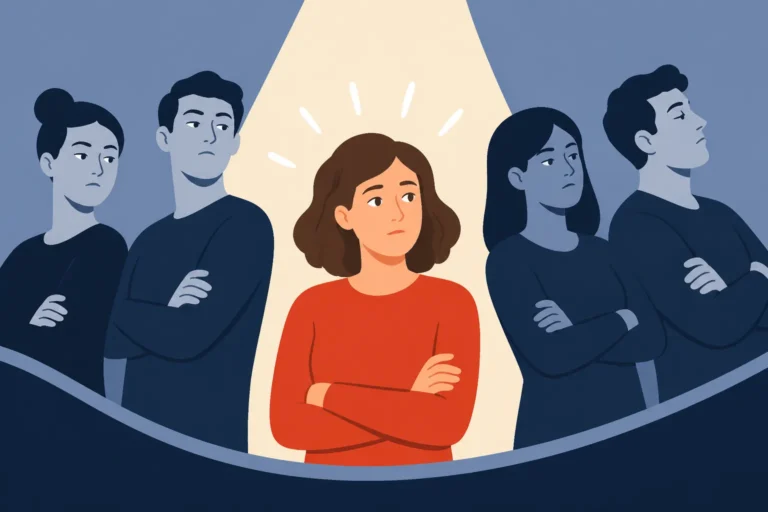
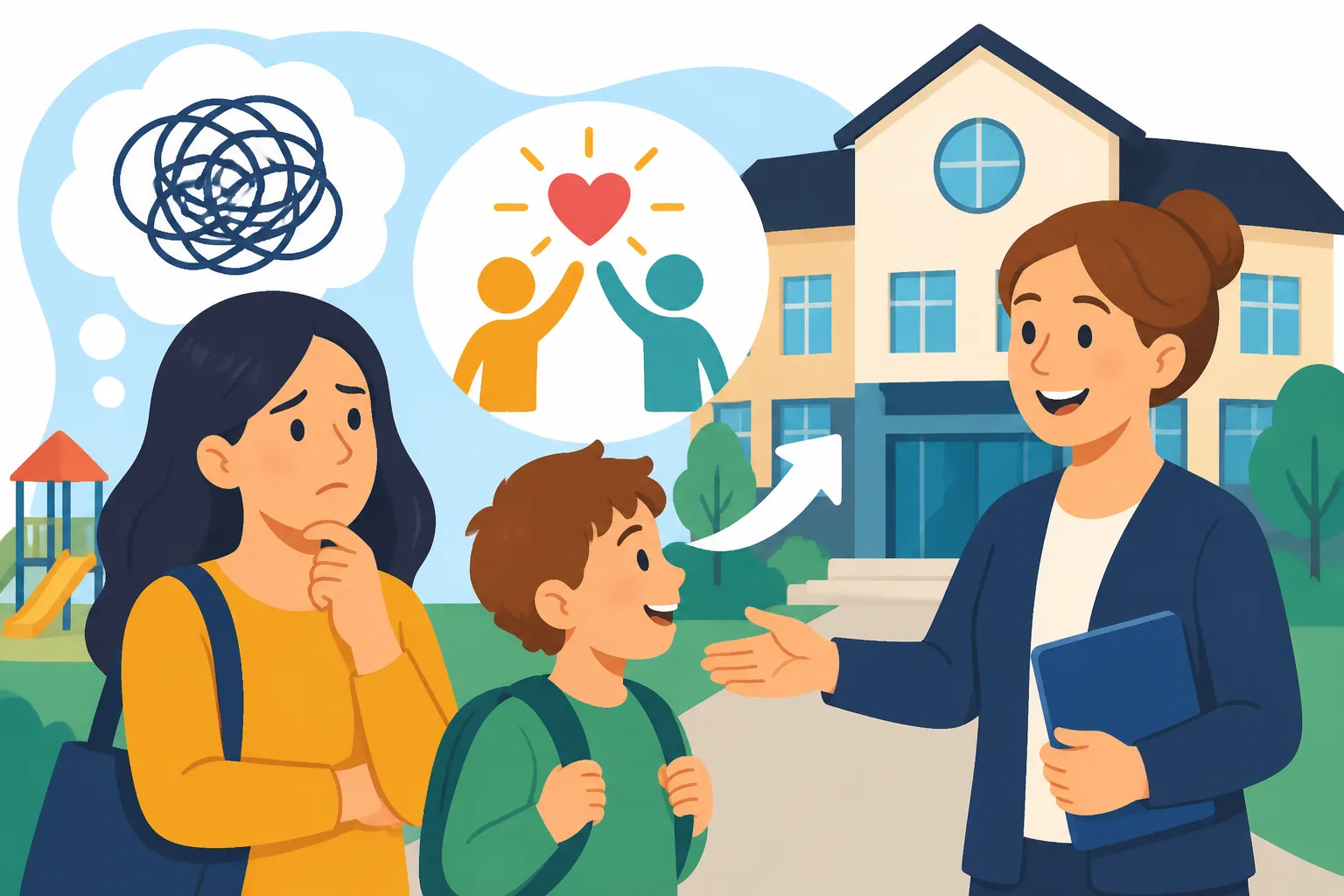
One of the biggest worries I hear from expat parents moving to Denmark is about their children starting school without a lick of Danish. It's a completely valid fear! You picture your little one feeling lost, struggling to understand teachers, and unable to make friends. The Danish folkeskole system might seem daunting with its focus on integration and a language you don't yet master, but this guide is here to walk you through exactly how your child can thrive in a Danish public school, even if they arrive speaking only their mother tongue.
Understanding the Danish Folkeskole System and Language Support
When you first land in Denmark, especially if you’ve come from a system where English might be the default for international students, the idea of a public school (a folkeskole) for a non-Danish speaker can feel like a huge leap of faith. But let me reassure you, the Danish system is set up with inclusion at its heart, and they have specific provisions to help children integrate linguistically.
The Philosophy of Inclusion, Not Segregation
Unlike some countries where non-native speakers might be immediately shunted into separate international schools or fully English-speaking streams, the Danish approach for the folkeskole is firmly rooted in the belief that all children should, as much as possible, be educated within their local community and alongside Danish-speaking peers. This philosophy extends to language acquisition. The goal isn't just to teach them Danish, but to integrate them fully into Danish society, and school is seen as a primary vehicle for that.
What this means in practice is that while there is significant language support, the ultimate aim is for your child to join mainstream classes and learn Danish through immersion, supplemented by structured language education. It’s a very different mindset from expecting schools to switch to English for your child. The teachers and the system are generally incredibly patient and empathetic, understanding that learning a new language, especially for younger children, takes time and varied approaches. They view bilingualism and multiculturalism as an asset, not a deficit, and work to harness your child’s existing language skills while building new ones. You'll find that teachers are often quite adept at using non-verbal cues, visual aids, and peer support to bridge communication gaps in the initial stages.
Different Models of Language Support
The specific model of language support your child receives will largely depend on their age, prior schooling, and the policies of your local municipality (kommune). It's not a one-size-fits-all approach across the entire country, which can sometimes be a bit confusing for new arrivals.
One common model, particularly for children who are completely new to Danish or have very limited proficiency, is reception classes (modtageklasser). These are specialized classes designed specifically for newly arrived non-Danish speaking children. Here, they receive intensive Danish language instruction (often called Dansk som andetsprog or DASA, Danish as a Second Language) in a smaller group setting. The curriculum in these classes is often tailored to rapidly build foundational Danish skills while still covering core subjects like math and science, simplified to be accessible. The duration a child stays in a reception class varies, but the goal is always to transition them into a regular mainstream class as soon as they have sufficient Danish to participate meaningfully. Some municipalities might integrate the reception class into a specific folkeskole, while others might have a centralized reception class serving multiple schools in the area.
For children with some existing Danish proficiency, or those who are considered ready to be integrated more quickly, the support might come in the form of DASA support within a mainstream class. This could involve a dedicated DASA teacher pulling the child out of class for a few hours a week for targeted language sessions, or supporting them directly within the classroom setting. The general classroom teachers also receive training and resources to help them support non-native speakers, often using differentiated instruction, visual aids, and buddy systems with Danish-speaking classmates. The emphasis here is on immediate integration into the social and academic life of the regular class, with language learning happening concurrently.
In some larger municipalities, you might even find two-language schools (tosprogede skoler) or programs that offer a more structured transition with initial instruction in both Danish and another common language (often English), gradually phasing into full Danish instruction. However, these are less common in the folkeskole system and more typically found in international or private schools. Regardless of the model, the core principle remains: equip the child with the Danish language skills necessary for successful participation in the Danish education system and society. It’s a marathon, not a sprint, and the schools are generally prepared for the journey.
The Step-by-Step Enrollment Process
Navigating bureaucracy in a new country is rarely straightforward, and enrolling your child in school in Denmark can have its moments. The key thing to remember is that the local municipality (kommune) is your primary point of contact and they hold most of the answers. This isn't like picking a school from a list; it's a geographically determined process.
Registering Your Child with the Municipality
Before you can even think about specific schools, the absolutely critical first step is to register your family at your new Danish address and obtain your CPR numbers. This Central Person Register number is your gateway to virtually all public services in Denmark, including schooling. Without a valid CPR number and a registered address, the school system simply won't have a record of your child. You can't enroll a child in a folkeskole if they're not officially residing in the municipality. If you're still in the process of getting your CPR number, it's a good idea to research your municipality's process for children's enrollment. Some will allow preliminary inquiries, but formal registration requires the CPR. You might also want to look into your options for Expat Health Insurance: Coverage Before You Get Your CPR Number, as healthcare access is often tied to this as well.
Once you have your CPR numbers and are registered as residents, your next move is to contact your local municipality's Children and Education department (Børn og Undervisning). This can usually be done through their website (find the English section, if available, or use Google Translate) or by calling them directly. Be prepared to explain that you are new to Denmark, your child does not yet speak Danish, and you wish to enroll them in a folkeskole.
The municipality will then guide you through their specific enrollment procedure. This often involves:
- Filling out an application form: This will ask for basic information about your child, their date of birth, previous schooling, and your contact details.
- Providing documentation: You'll likely need copies of your child's birth certificate, your residence permit, and their CPR number. If your child has any previous school reports or medical records, it's a good idea to have those translated (even informally) and ready, as they can sometimes be helpful for placement.
- School assignment: Based on your registered address, the municipality will typically assign your child to a specific folkeskole in your catchment area. You usually don't get to "choose" your folkeskole in the same way you might in other countries; it's geographically determined. However, if there are specific reasons (e.g., a particular school has a strong DASA program, or your child has special needs), you can inquire about other options, but there's no guarantee. This is also where your housing choice becomes critical, as the school your child attends is directly linked to where you live. Platforms like Spotahome can be useful for finding family-friendly apartments in specific districts, allowing you to research the local folkeskole before committing to a rental.
After this initial registration, the municipality will then connect you with the assigned school, or sometimes they will handle the initial language assessment directly.
The Language Assessment and Placement
This is often the part that expat parents find most anxiety-inducing, but it's a crucial step designed to ensure your child receives the right support.
After you've registered with the municipality, your child will typically undergo a language assessment (sprogtest). This isn't a pass/fail exam, nor is it meant to judge your child's intelligence. Instead, it's a diagnostic tool used to gauge their current proficiency in Danish (or lack thereof), and sometimes their cognitive abilities in their native language or through non-verbal tasks.
The assessment usually involves:
- Observation: A DASA specialist or a teacher might observe your child in a playful or interactive setting.
- Simple tasks: They might be asked to point to objects, follow basic instructions, identify colors, or engage in simple conversations in Danish if they have any existing vocabulary. For older children, it could involve more structured language tasks.
- Review of prior schooling: If your child has attended school before, information about their academic background and any learning challenges will be taken into account.
Based on this assessment, and considering your child's age and grade level, the municipality (in consultation with the school) will then make a placement decision. This is where they decide whether your child should start in a dedicated reception class (modtageklasse) for intensive Danish language acquisition, or if they can be integrated directly into a mainstream class with supplementary DASA support.
For instance, a 7-year-old with no Danish might go directly into a modtageklasse at a central school, while a 12-year-old with basic English (which can be a bridge language) might join a regular 6th-grade class with daily pull-out sessions for Danish. The goal is always the most effective and swift integration into the regular school environment. This is a process, and the school will usually be quite transparent about the reasoning behind their decision. Don't hesitate to ask questions during this phase, even if it feels like you're navigating complex terrain. Remember, your child's well-being is paramount, and understanding their educational path will empower you.
Navigating the First Few Months: Beyond the Classroom
The initial enrollment is just the beginning. The real journey of adaptation for your child, and indeed for you as parents, begins in the first few months. This period is often a mix of small victories and minor setbacks, and it's essential to understand how Danish schools approach social integration and how you can actively support your child.
Social Integration and Peer Support
Danish schools place a high value on social well-being and group dynamics, often referred to as fællesskab (community). This is a huge advantage for new expat children. While the language barrier can initially feel like a wall, Danish children are generally very good at including others, often using English as a bridge or simply resorting to gestures and play. Teachers actively facilitate this by:
- Buddy systems: It's very common for new non-Danish speaking children to be assigned a "buddy" or a small group of classmates who are specifically tasked with helping them navigate the school day, explaining rules, and inviting them to play. These buddies are often chosen for their empathy or sometimes for their own English skills.
- Group work: Danish education is heavily reliant on group work and collaborative projects. This naturally creates opportunities for your child to interact with peers, learn from them, and contribute in non-linguistic ways initially. Even if they can't articulate complex ideas, they can participate in drawing, building, or simple tasks.
- Play-based learning: Especially in the younger grades, a lot of learning happens through play. This is a universal language that allows children to connect and learn social cues long before they master grammar. Break times are crucial for this informal language acquisition and friendship building.
- Focus on shared activities: Sports, arts, music, and school outings are all integrated into the school week. These activities reduce the pressure of verbal communication and allow children to bond over shared experiences. Learning Danish is not just about vocabulary and grammar; it's about learning the cultural nuances and social dynamics, and these activities are vital for that. This holistic approach makes the transition smoother than you might expect.
It's also worth noting that many Danish children have a decent grasp of English from a young age due to cartoons, movies, and early English teaching in schools, so your child might find a few English-speaking friends faster than you anticipate. This can be a vital lifeline for their confidence.
How Parents Can Actively Support Their Child's Language Journey
As a parent, you might feel helpless if you don't speak Danish yourself, but there's actually a lot you can do to support your child's integration and language learning:
- Maintain and celebrate their native language: Research consistently shows that a strong foundation in a child's first language actually helps them learn a second language more effectively. Continue speaking your native language at home, read books, tell stories, and validate its importance. It builds cognitive skills and maintains a crucial family bond. Don't worry about it hindering Danish; it actually supports it.
- Engage with the school, even with language barriers: Don't shy away from parent-teacher meetings. Schools are usually very accommodating and can arrange for an interpreter if needed. You have a right to a translator in Danish Healthcare, and this often extends to crucial school meetings. Your presence and engagement signal to your child that you value their education, and it helps you understand their progress. Ask about their DASA support, what they're learning, and how you can reinforce it at home.
- Encourage social interaction outside school: This is huge. Sign your child up for local sports clubs (idrætsforening), art classes, or other after-school activities. These are fantastic places for them to make Danish friends in a less formal setting. Danes are big on foreningsliv (club life), and it’s a direct route to social integration for both children and adults. Don't worry if they resist at first; gentle encouragement and a consistent routine will usually pay off.
- Embrace digital resources: There are many Danish children's TV shows, apps, and websites designed for native speakers that can be incredibly helpful for language acquisition. Even watching them together can be a fun family activity. Libraries (bibliotek) are also fantastic resources, often offering free access to digital learning tools and children's books.
- Be patient and positive: There will be tough days. Your child might feel frustrated, tired, or homesick. Validate their feelings, offer comfort, but keep a positive outlook on their progress. Celebrate every small victory – a new Danish word, a new friend, understanding a simple instruction. Your resilience will be their strength.
Remember, this is a transition for the whole family. Be kind to yourselves and allow for the ups and downs that come with adapting to a new culture and language.
Practicalities: Choosing Schools, Communication, and Resources
Beyond the initial cultural and linguistic hurdles, there are practical aspects of school enrollment and daily life that require your attention. Making informed choices and staying connected are key to a smoother experience.
Public vs. Private and Finding the Right District
As mentioned, the Danish folkeskole system assigns your child to a school based on your registered address within a municipality. This means that where you choose to live directly impacts which folkeskole your child will attend. Therefore, when you are looking for housing, it’s worth researching the reputation and specific offerings of the schools in different neighborhoods or towns. Some municipalities might be known for having particularly strong DASA programs or a higher number of expat families, which can ease the transition.
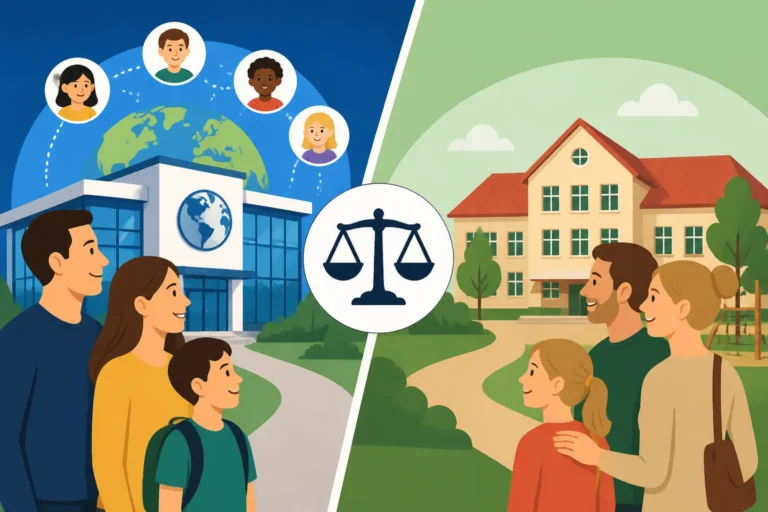
While this guide focuses on the folkeskole, it's important to acknowledge that Denmark also has a vibrant ecosystem of private schools (friskoler or privatskoler) and international schools. These operate independently from the municipality's catchment area rules and often offer instruction in English or a bilingual curriculum. If the folkeskole route doesn't feel right for your family, or if you prefer a fully English-speaking environment, these are alternative options. However, they come with tuition fees and often have their own application processes and waiting lists. It’s a personal choice, but for many expats, the folkeskole offers an authentic Danish experience and a direct path to integration, often with excellent educational standards.
When searching for housing, especially if you have a specific folkeskole in mind, using reputable housing platforms can be beneficial. While the rental market can be tough, sites like Spotahome offer a good way to find apartments, often with virtual tours, which can be invaluable when you're trying to secure accommodation in a specific school district before your physical arrival. This allows you to cross-reference potential addresses with municipal school assignments.
Staying Connected: School-Parent Communication
Communication with the school is vital, and the good news is that Danish schools are generally quite good at this. Most schools use digital platforms, often integrated with Sundhed.dk and MitID, for sharing information, scheduling parent-teacher meetings, and communicating with families. You'll likely encounter a specific school portal or app.
Here's how to ensure you stay connected:
- Digital Mailbox (E-Boks/Mit.dk): Official communications from the municipality or even sometimes the school might come through your digital post. It’s crucial to understand how to use E-Boks vs. Mit.dk: Receiving Official Financial Mail from the State, as this is how many formal letters are sent in Denmark.
- School-specific platforms: Many folkeskoler use platforms like SkoleIntra (though some are moving to newer systems like Aula). These are where you'll find class schedules, homework assignments, school news, and direct messaging with teachers. Ask the school to help you set up access as soon as your child is enrolled.
- Translation tools: Don't be afraid to use online translation tools (like Google Translate or DeepL) for school communications. While teachers often speak English, official notices might be in Danish. It's better to translate and understand than to miss crucial information.
- Reliable internet and phone access: Keeping in touch with the school requires reliable connectivity. Ensuring you have a functional phone and internet plan from day one is essential for receiving updates. For new arrivals, setting up an eSIM with a provider like Airalo can offer immediate data connectivity, allowing you to use translation apps, navigate digital school platforms, and communicate with the school from the moment you land, without the hassle of a physical SIM card or contract.
- Parent-Teacher Meetings (Forældremøder): These are regular occurrences. Even if you need a translator, attend them. They are invaluable opportunities to understand your child’s academic and social progress.
- Teacher contact: Don’t hesitate to reach out to your child’s teacher (via the school platform or email) if you have questions or concerns. Building a good relationship with the teacher is key to your child's success.
By proactively managing these practical aspects, you can ensure you’re well-informed and able to support your child effectively throughout their schooling journey in Denmark.
| Aspect | Folkeskole (Public) | International/Private School |
|---|---|---|
| Language of Instruction | Primarily Danish, with DASA (Danish as a Second Language) support | English or other languages; sometimes bilingual |
| Tuition Fees | Free for all residents with a CPR number | Significant tuition fees apply |
| Enrollment | Municipality-assigned based on address, then language assessment | Application process, entrance exams, waiting lists |
| Curriculum | Danish national curriculum | International curricula (IB, British, American, etc.) |
| Integration Focus | Deep integration into Danish society and language | Often caters to mobile expat community, diverse student body |
| Teacher Communication | Mostly via digital platforms (Aula, SkoleIntra), often in Danish; translation support available for meetings | Often in English; direct communication with teachers |
| Social Environment | Primarily Danish-speaking peers, focus on local community | Diverse student body, often a mix of expat and local families |
| Accessibility | Accessible to all, regardless of financial means | Entry often depends on meeting academic or financial criteria |
Disclaimer
Please note that while this guide provides comprehensive information based on current practices, regulations, and systems in Denmark can change. Always verify the latest requirements and procedures directly with the relevant Danish authorities, such as your local municipality (kommune) or the Danish Agency for International Recruitment and Integration (SIRI). This content is intended for informational purposes only and does not constitute legal or official advice.