Navigating Negative Interest Rates: Historical Context in Danish Banks
The history of negative interest rates in Denmark explains why banks charged fees and how expats navigate modern banking.
Make your money work.
Banking, taxes, salary basics, payments, budgeting, and cost-of-living tips.

The history of negative interest rates in Denmark explains why banks charged fees and how expats navigate modern banking.

Peer-to-peer lending taxation in Denmark involves reporting platform interest and capital gains to SKAT as capital income.

The Børneopsparing savings account for children in Denmark provides tax-free wealth building with strict annual contribution limits.

Value-added tax refunds for departing travelers in Denmark require strict adherence to airport customs rules, thresholds, and timelines.

Danish customs rules dictate 25% VAT, import duties, and handling fees on online purchases, impacting international shipping costs for expats.
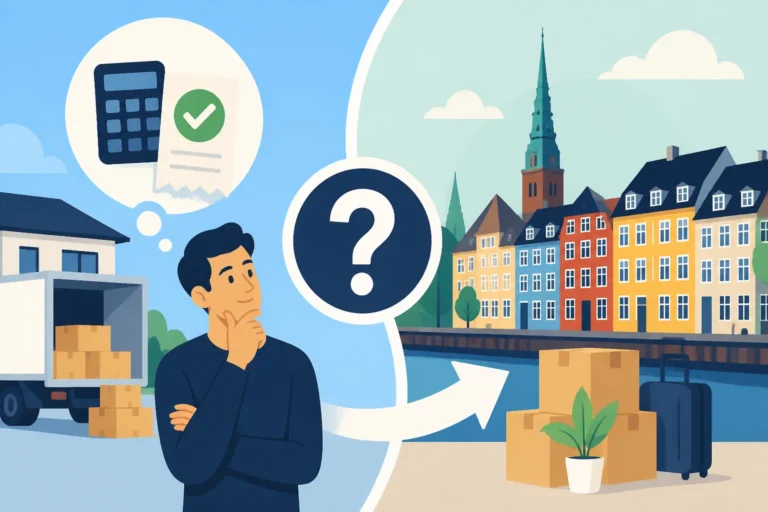
Danish tax law regarding private relocation expenses explains what costs you can claim on your return and when employers can pay tax-free.
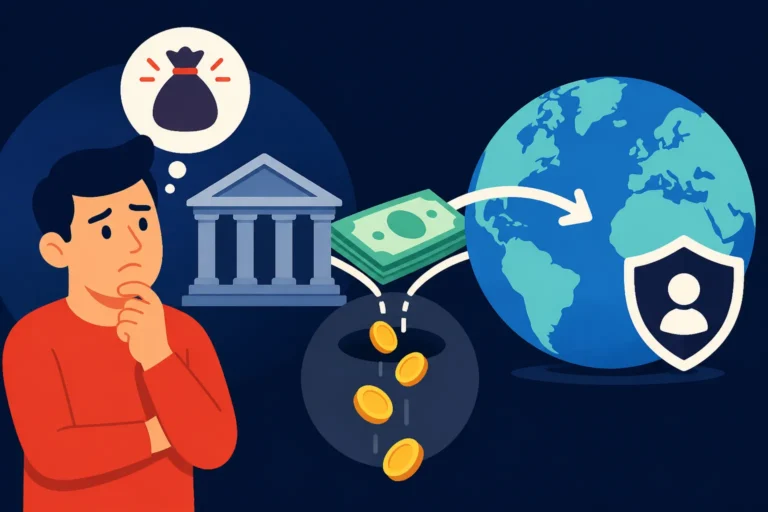
International money transfers from Denmark to non-EU countries involve hidden exchange rate markups, intermediary bank fees, and SWIFT processing delays.
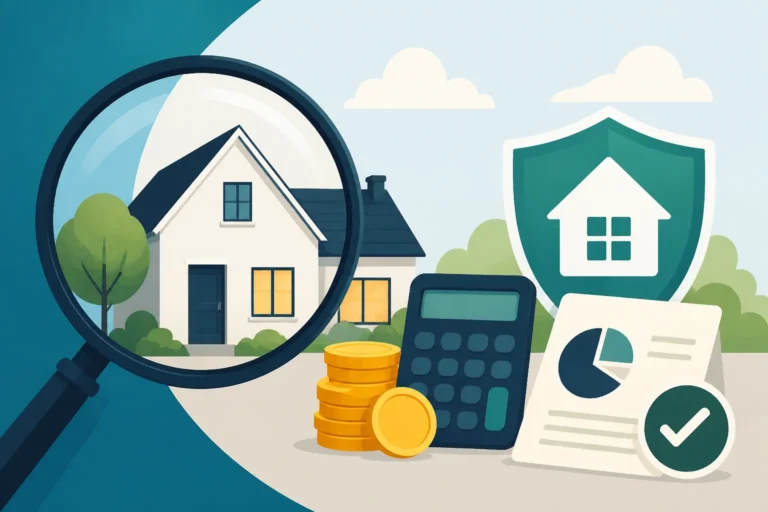
Ejendomsværdiskat is a Danish property tax calculated from the combined house and land value, affecting monthly budgets and preliminary tax assessments.
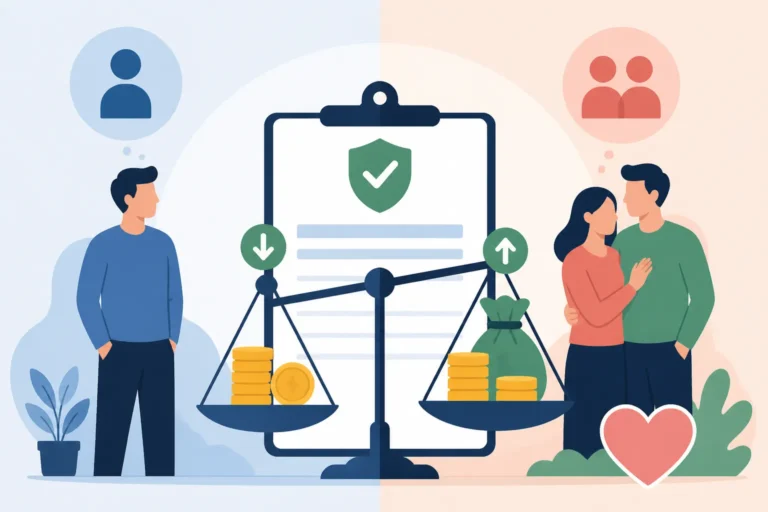
Marital status in Denmark affects tax deductions by transferring unused personal allowances, sharing investment losses, and creating joint tax liability.

The Danish employment deduction reduces taxable income for workers, lowering the overall tax burden and boosting take-home pay.