BoligPortal vs. Facebook: How to Spot Rental Scams in Denmark
Finding a place to live in Denmark often feels like a cruel hazing ritual. You arrive with dreams of hygge and cycling, only to be met with the brutal reality of the "CPR catch-22": you need an address to get a CPR number, but you often need a CPR number to sign a formal lease or open a bank account. This guide breaks down the two primary battlegrounds for housing—BoligPortal and Facebook—to ensure you find a home without losing your deposit to a scammer.
The Danish Rental Landscape: Why Scammers Target Expats
The Danish housing market, particularly in cities like Copenhagen, Aarhus, and Odense, is characterized by an extreme supply-demand imbalance. When you are browsing listings from abroad or sitting in a temporary hostel, your desperation is palpable. Scammers know this. They understand that international residents are often unfamiliar with local laws, such as the standard Initial Rental Costs: Navigating Deposits and Prepaid Rent Laws, and they exploit that lack of knowledge with clinical precision.
The Supply and Demand Crisis
In Copenhagen, it is not uncommon for a reasonably priced apartment on a major portal to receive hundreds of inquiries within the first hour. This creates a "hunger games" environment where renters feel pressured to skip due diligence just to "win" the room. Scammers thrive in this urgency. They create listings for beautiful, centrally located apartments at prices that seem just a bit too good to be true—perhaps 8,000 DKK for a two-bedroom in Indre By when the market rate is closer to 14,000 DKK. As a veteran who has spent many nights refreshing these pages, I can tell you: if it feels like a steal, you are likely the one being robbed.
The "Too Good to be True" Psychological Trap
Scammers use high-quality photos stolen from Airbnb or real estate sales sites to create a sense of aspiration. They often target the specific emotional needs of expats, such as proximity to international schools or the Metro. They rely on the fact that you might be trying to secure housing before you even land. To stay ahead of the curve and keep your research going while on the move, having a reliable data connection through a service like Airalo can be a lifesaver, allowing you to cross-reference addresses on Google Maps the moment a suspicious listing pops up.
BoligPortal: The Professional Approach to Renting
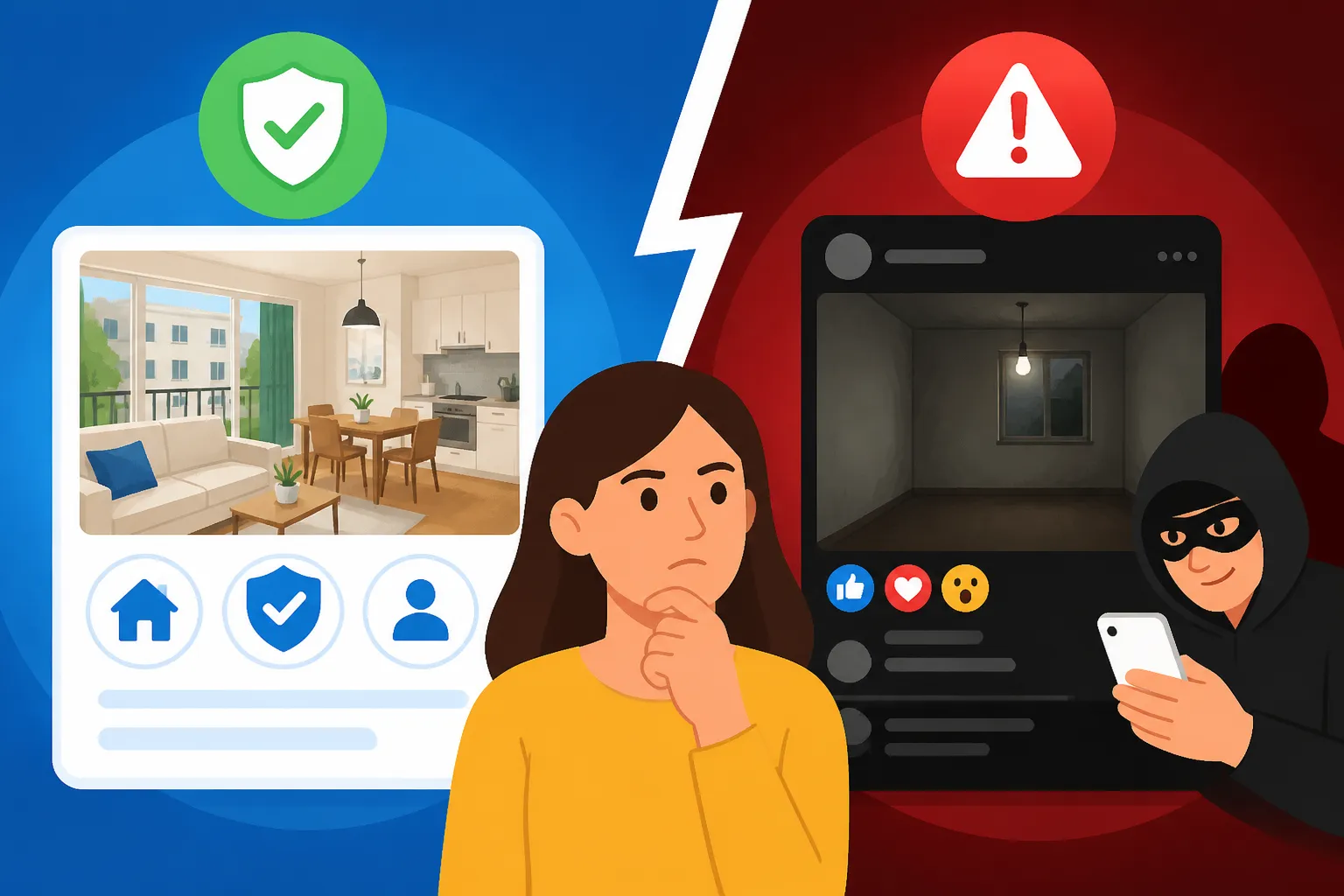
BoligPortal is the largest and most established rental platform in Denmark. For most expats, it is the first stop. It functions as a bridge between professional landlords, housing associations, and private individuals. While it is generally much safer than social media, it is not an airtight fortress. You must still approach every "Verified" checkmark with a healthy dose of skepticism.
Verification and Safety Features
BoligPortal employs a dedicated validation team that manually reviews listings. They look for inconsistencies in IP addresses, phone numbers, and image metadata. This layer of security is why many consider it the "gold standard." However, a common tactic for sophisticated scammers is to "hijack" a legitimate account or use a stolen identity to bypass these initial checks. When you are using the platform, look for the "Valideret" (Validated) icon, but remember that even a validated user can ask you to move the conversation to WhatsApp—which is a massive red flag.
Costs and Subscription Models
Unlike Facebook, BoligPortal is a paid service. You typically pay for a subscription to contact landlords. While this might feel like another annoying expense on top of your relocation costs, it actually serves as a barrier to entry for low-effort scammers. They prefer free platforms where they can blast out hundreds of fake ads without an upfront cost. Think of your subscription fee as a "safety tax." If you are feeling overwhelmed by the competitive nature of these portals, some expats find success using mid-term booking platforms like Spotahome, which can provide a safer, vetted bridge while you look for a permanent long-term contract.
Facebook Groups: The Wild West of Danish Housing
Facebook is where the most affordable rooms and "hidden" gems live, but it is also where 90% of the horror stories originate. Groups like "Housing in Copenhagen" or "Apartments for Rent in Aarhus" are flooded with both legitimate tenants looking for roommates and predatory scammers. Navigating this requires a detective's mindset and a very thick skin.
Finding the "Hidden" Gems
The benefit of Facebook is the personal connection. You can see a person's profile, their mutual friends (if any), and their history in the group. Sometimes, a student who is going on exchange needs to fill their room quickly and will post on Facebook rather than paying for a BoligPortal ad. This is how many expats find their first "vibe-checked" shared house. However, you must ensure that any sub-lease offered is legal and that you can actually register your CPR at that address. Always ask for proof of residency and check our guide on How to Check if an Apartment allows CPR Registration before handing over a single krone.
High-Risk Red Flags on Social Media
On Facebook, the scams are often more aggressive. Profiles are frequently "new" or have very little activity. A classic sign of a scam is a profile that claims to live in London or Berlin but is posting an apartment in Frederiksberg. If the "landlord" refuses to do a video call or insists that their "lawyer" or "agent" will handle the keys after you transfer the deposit via a non-traceable method like Western Union or Revolut, block them immediately. Legitimate Danish landlords will almost always use a standard bank transfer to a Danish IBAN.
Spotting the Scam: Real-World Scenarios and Tactics
Scammers are creative, but they tend to follow a few predictable scripts. Recognizing these patterns is your best defense. They often play on your empathy or your fear of missing out, creating a narrative that explains why they can't meet you in person or why the price is so low.
The "Out of Town" Landlord
This is the most common script. The person claims to be a doctor, a researcher, or a retired professional who moved abroad for work. They tell you they don't want the apartment to sit empty and are looking for a "responsible person" to take care of it. They offer to mail the keys through a "secure delivery service" once the deposit is paid. In reality, there are no keys, and the apartment might not even be for rent. There are cases where multiple people show up at the same address on the same day, all with fake contracts, only to find the real owner has no idea what’s happening.
Pressure Tactics and Urgent Transfers
Scammers love to create a sense of artificial urgency. They might tell you that five other people are ready to sign, but they "liked your profile" and will give you priority if you pay the deposit within the hour. They may even send you a fake PDF of the Typeformular A10: Understanding the Standard Danish Lease Agreement to make it look official. Never let the fear of losing an apartment push you into a financial mistake. A real landlord will give you time to read the contract and verify the details.
Comparing Your Options: BoligPortal vs. Facebook vs. Alternatives
Choosing where to spend your time and energy is crucial. If you have the budget, professional portals are better. If you are a student on a shoestring budget, Facebook might be your only choice, but it requires 10x the vigilance.
| Feature | BoligPortal | Facebook Groups | Spotahome / Professional Services |
|---|---|---|---|
| Cost | Subscription Fee (approx. 298 DKK/mo) | Free | Booking Fee |
| Safety Level | High (Vetted listings) | Low (No vetting) | Very High (Platform guarantee) |
| Speed | Competitive (Requires quick response) | High (Often first-come, first-served) | Instant Booking |
| CPR Eligibility | Usually 100% | High Risk of "No CPR" | Usually 100% |
| Contract Type | Standard Typeformular A10 | Varies (Often informal) | Professional Sub-lease |
While BoligPortal is great, don't ignore other avenues. If you are struggling with the digital noise, you might consider Joining LLO (Tenants' Union): How to Fight Unfair Rent Increases later on, but for the search itself, some people even find success through local networking or LinkedIn.
Immediate Steps if You’ve Been Scammed
If the worst happens and you realize you have sent money to a scammer, every minute counts. The "I’ve been scammed" realization is a sickening feeling, but you need to move from panic to action immediately to have any hope of recovery or at least to prevent others from falling into the same trap.
Reporting to the Police and Banks
First, contact your bank. If the transfer was recent, they might be able to freeze the funds, though this is rare with instant transfers. Second, file a report with the Danish Police (Politiet). You can do this online via their website. While they may not be able to get your money back if it has left the country, your report helps them track the bank accounts used by scammers and potentially shut them down. Be sure to provide all screenshots of conversations, the listing, and the contract they sent you.
Seeking Legal Advice via LLO
If you have signed a contract that seems "off" or if the landlord is suddenly asking for more money for "furniture insurance" or "key fees," do not pay. Contact Lejernes Landsorganisation (LLO). They are the primary tenant advocacy group in Denmark. While they primarily deal with existing rental disputes, they can provide guidance on whether a contract looks legitimate. Understanding Section 11 of Typeformular A10: The Hidden Clauses to Watch For is also vital, as scammers often hide illegal demands in this specific section of the Danish lease.
The Importance of a Physical Viewing
The single most effective way to avoid a scam is to insist on a physical viewing. If you are not in Denmark yet, find a friend, a future colleague, or even hire a local "viewing agent" to go to the address, knock on the door, and verify that the person showing the apartment actually has the keys.
The Move-In Inspection Requirement
A legitimate landlord will always conduct a The Move-In Inspection (Indflytningssyn): Documenting Property Flaws and provide a report. If a landlord says this isn't necessary or tries to rush you past this stage, be wary. This inspection is your legal protection against losing your deposit when you eventually move out. Furthermore, a real landlord will be able to explain exactly Why Landlords Ask for 3 Months Deposit and 3 Months Prepaid Rent and won't be offended if you ask for their CVR number (if they are a company) or to see their ID.
Navigating the "No CPR" Red Flag
In your search, you will frequently see listings that say "No CPR." This means you cannot register your address with the civil registry at that location. For an expat, this is a non-starter. Without a CPR registration, you cannot legally work, access healthcare, or get a phone contract. Often, "No CPR" listings are illegal sublets where the main tenant is trying to hide extra income from the municipality or their own landlord. Stay away from these; they leave you with zero legal rights as a tenant. For more on why this is so critical, read our guide on The Catch-22: Getting a CPR Number Without a Permanent Address.
By remaining vigilant and following these steps, you can navigate the treacherous waters of the Danish rental market. It’s a tough start to your journey in Renting in Denmark: Complete Guide for Expats (2027), but once you have those keys in hand and your name on the door, the stability of Danish life is well worth the initial struggle.
Disclaimer
The information provided in this guide is for informational purposes only and does not constitute legal advice. While we strive to keep the information up to date, the Danish rental market and legislation can change. Always consult with a legal professional or the LLO for specific concerns regarding rental contracts and tenant rights.