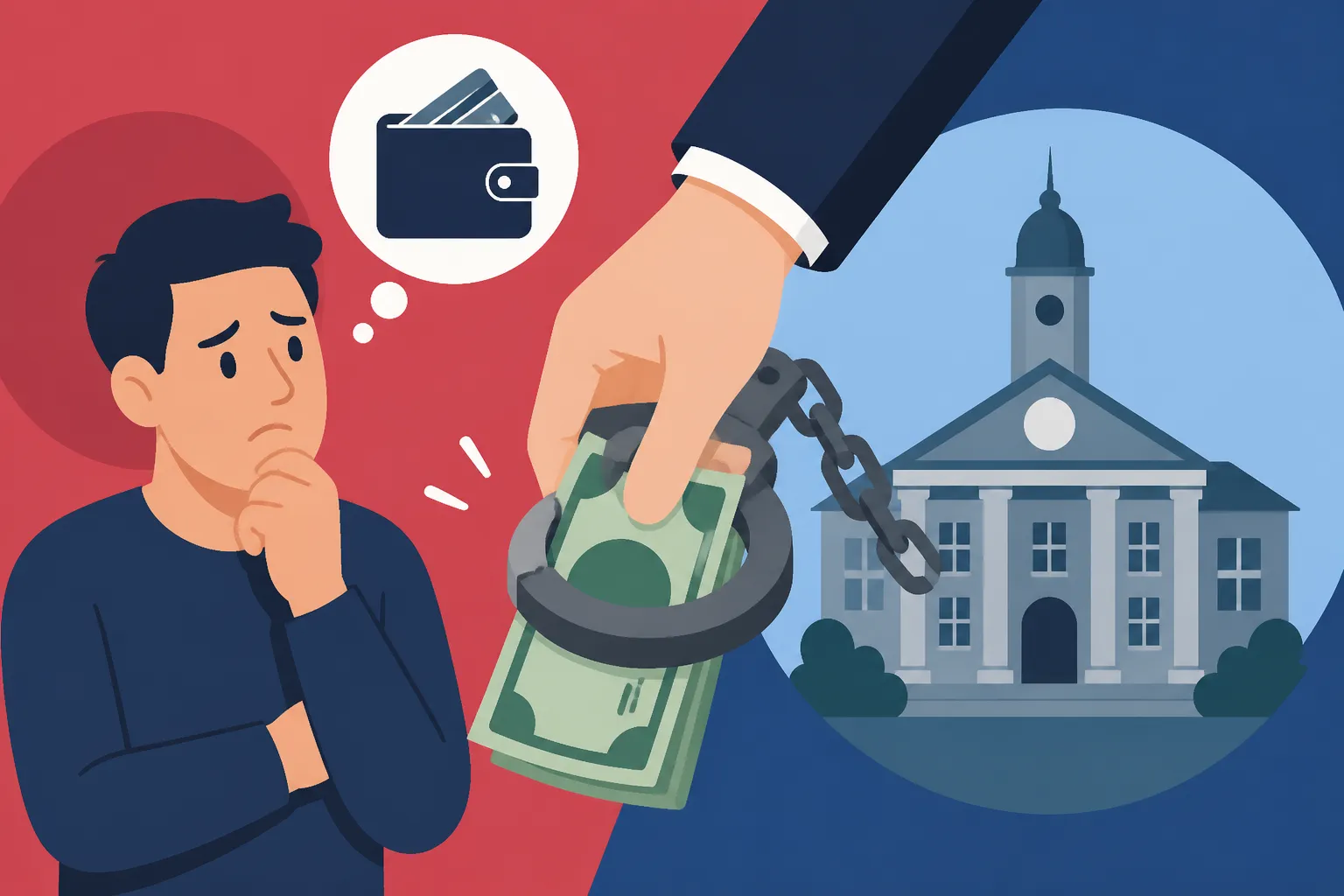
Can the Municipality Garnish Your Wages for Unpaid Debt?
Getting a letter from your local municipality or the Danish Debt Agency (Gældsstyrelsen) is rarely a highlight of the expat experience. If you have found yourself staring at a notice claiming you owe money for unpaid daycare, property taxes, or even library fines, you might be wondering just how much power the state has over your paycheck. This guide explores the mechanics of wage garnishment in Denmark, your rights as a resident, and how to navigate the system without losing your financial stability.
The Reality of Public Debt Collection in Denmark
In many countries, garnishing someone's wages requires a lengthy court process and a specific judicial order. In Denmark, the system is much more streamlined—and for the debtor, much more intimidating. The Danish state operates under the principle that public debts must be settled to maintain the social welfare model. When you owe money to a municipality (kommune), they don't just send a polite reminder and give up; they eventually hand the case over to Gældsstyrelsen.
Once the debt is in the hands of Gældsstyrelsen, they have the legal authority to perform what is known as løntilbageholdelse (wage withholding). This means they can order your employer to deduct a certain percentage of your salary before it ever reaches your Money in Denmark: Banking, Payments, and Financial Setup for Expats. For many foreigners, this comes as a shock, especially if they are used to systems where their private income is more shielded from administrative overreach.
The psychological toll of seeing a reduced paycheck cannot be understated. You might be struggling with the high cost of living or trying to understand Taxes in Denmark Explained: A-Skat, AM-bidrag, and Marginal Rates, only to find that your disposable income has been slashed. It feels personal, but in the eyes of the Danish administration, it is a mathematical necessity. They view wage garnishment as a last resort, but one they are highly efficient at executing.
Which Types of Municipal Debt Can Be Garnished
Not every small disagreement with the municipality leads to your wages being seized, but the list of "collectible" debts is longer than most expats realize. The most common triggers for wage garnishment involving the municipality are related to services that are subsidized by the state but require a parental or resident contribution.
For example, if you have children in the Danish childcare system, you are likely aware of the monthly fees. If you fall behind on these, the municipality will eventually seek to recover those funds. You can read more about how these costs are structured in our guide on Costs of Børnehave: Sibling Discounts and Municipal Subsidies. Similarly, unpaid property taxes (ejendomsskat) or fees for municipal utilities like waste management can be sent for collection.
Even smaller debts can eventually spiral. Unpaid library fines, fees for municipal housing repairs, or overpaid How to Apply for Municipal Housing Support (Boligstøtte) that was not returned can all find their way into the Gældsstyrelsen system. The key thing to remember is that once the debt moves from the municipality to the central debt agency, it is treated as a unified "debt to the state," which gives the collectors much broader powers.
Common Debts Subject to Garnishment
| Debt Type | Original Creditor | Collection Authority |
|---|---|---|
| Unpaid Childcare Fees | Local Municipality | Gældsstyrelsen |
| Property Taxes | Municipality / SKAT | Gældsstyrelsen |
| Overpaid Housing Subsidy | Udbetaling Danmark | Gældsstyrelsen |
| Unpaid Traffic Fines | Police / Municipality | Gældsstyrelsen |
| Media Licenses (Historic) | DR / SKAT | Gældsstyrelsen |
How the Garnishment Process (Løntilbageholdelse) Actually Works
The process does not happen overnight. Before your employer is ever contacted, you will receive several notifications. This is where Navigating the Digital Post (e-Boks/Mit.dk) System for Official Mail becomes your most important tool. If you are not checking your digital post regularly, you might miss the "varsel" (warning) that your wages are about to be garnished.
Once the warning period expires, Gældsstyrelsen calculates your "betalingsevne" (ability to pay). This is a complex calculation based on your reported income and the standard costs of living in Denmark. They look at your Preliminary Tax Assessment (Forskudsopgørelse): Avoiding Tax Debt to see what your expected income is for the year. If they determine you have a surplus after basic necessities, they will set a percentage—often between 5% and 20%—to be withheld from your net pay.
Your employer is then sent a legal order. They have no choice in the matter; they are legally obligated to withhold the money and transfer it to the state. This can be embarrassing for many expats, as it reveals a financial struggle to the HR department. However, it is important to know that in Denmark, this is handled fairly routinely by payroll departments, and it does not legally allow an employer to terminate your contract. You should still keep a close eye on your Understanding Your Danish Payslip (Lønseddel): Deductions Decoded to ensure they are taking the correct amount.
Protecting Your Minimum Subsistence Level
The Danish legal system does have safeguards to ensure that wage garnishment doesn't leave you homeless or unable to buy food. This is known as rådighedsbeløbet (the disposable amount). The law dictates that a person must always be left with a "beskedent hjem og et beskedent underhold"—a modest home and modest living expenses.
When Gældsstyrelsen calculates how much they can take, they use standardized rates for what it costs to live. If your actual expenses, like rent or childcare, are significantly higher than their estimates, you have the right to object. This is often where expats run into trouble because they might be living in more expensive "expat-friendly" housing that exceeds the state's "modest home" benchmark. If you feel the garnishment is too aggressive, you must provide a detailed budget to the agency.
Using services like Taxes for Expats can be helpful if your financial situation is complicated by income or assets in other countries, as they can help you understand how your total global financial picture might interact with Danish reporting requirements. If the Danish authorities think you are wealthier than you are because of poorly reported foreign income, they might set a higher garnishment rate. It is your responsibility to prove that your "ability to pay" is lower than they assume.
The Impact of Public Debt on Your Residency Status
For many foreigners living in Denmark, the concern isn't just the money—it's the visa. Denmark has some of the strictest rules in Europe regarding "debt to the public" and its impact on immigration status. If you are planning to apply for permanent residency or citizenship, having outstanding debt to the municipality or the state can be a total deal-breaker.
Specifically, the "self-support" requirement for permanent residency often stipulates that you cannot have any overdue public debt. This includes the very debts we’ve discussed, such as unpaid daycare fees or taxes. If Gældsstyrelsen is currently garnishing your wages, it is a clear signal to the immigration authorities that you are not meeting the self-support criteria. You can delve deeper into this in our article on Can Traffic Fines or Debt Stop You from Getting Permanent Residency?.
Even if you have a payment plan in place, some types of debt can still trigger a rejection of your residency application until they are paid in full. This makes it vital to resolve municipal debts as quickly as possible. If you are moving money from abroad to settle a large debt quickly, using a platform like Wise is often much more cost-effective than a traditional bank transfer, as it avoids the high exchange rate markups and hidden fees often found in the Danish banking sector.
How to Negotiate or Stop Wage Garnishment
The best way to stop an active garnishment is to pay the debt in full, but that isn't always possible. If you find yourself in a position where the garnishment is making it impossible to pay your rent, you need to act immediately. You cannot simply ignore the letters; you must engage with Gældsstyrelsen.
You can often negotiate a voluntary payment plan (afdragsordning). If you propose a plan that pays off the debt within a reasonable timeframe, the agency may agree to stop the involuntary wage withholding. This gives you more control over your finances and removes your employer from the equation. When setting up these plans, make sure you are looking at your The Annual Tax Assessment Notice (Årsopgørelse): Claiming Deductions to see if there are any tax refunds coming your way that could be used to settle the balance.
Another crucial step is to verify that the debt is actually yours and that it is correct. Errors do happen in the municipal systems. If the debt is related to a tax error, you might need to look into What is A-Skat vs B-Skat vs C-Skat in the Danish System? to ensure you weren't misclassified or overtaxed, which could have led to the "debt" in the first place. If you find an error, you must appeal to the original municipality that issued the bill, as Gældsstyrelsen only handles the collection, not the underlying legality of the debt.
Practical Steps if Your Wages Are Being Garnished
If you open your payroll app and see that Gældsstyrelsen has taken a chunk of your pay, don't panic. Take the following steps to regain control:
- Check your Digital Post: Find the "Afgørelse om løntilbageholdelse" letter. It will list the exact amount of the debt, the interest being charged, and the percentage being taken.
- Verify the Debt: Contact the municipality if you don't recognize the charges. Sometimes daycare fees are billed for months after a child has left the facility due to notice periods you might have missed.
- Submit a Budget: If the percentage is too high, use the "budgetskema" provided by the Debt Agency to show your actual costs for rent, heating, and food.
- Use Professionals: If you have assets or income in the US or elsewhere, Taxes for Expats can help ensure you aren't being double-taxed, which could free up cash to pay the Danish debt.
- International Transfers: If you have savings in another currency, use Wise to pay off the debt in a lump sum to stop the high interest rates (which can be significantly higher than bank loans) that Gældsstyrelsen charges.
Remember that interest on public debt in Denmark is not tax-deductible, unlike most private loan interest. This means that public debt is essentially "expensive" debt. It is always in your best interest to prioritize paying off the municipality over paying off a credit card or a private loan.
Debt Collection and the Expat Exit
What happens if you leave Denmark with unpaid municipal debt? Many expats believe that once they fly out of Kastrup, their debt disappears. This is a dangerous misconception. Denmark has mutual assistance agreements with many other EU countries and international tax treaties that allow them to pursue debt across borders.
Furthermore, if you ever intend to return to Denmark—even for a holiday or a short-term work contract—that debt will be waiting for you, likely doubled or tripled by years of accumulated interest and fees. It can also lead to complications with What Happens to Your Bank Account When Your Work Visa Expires? if the state places a lien on your remaining Danish funds. The best policy is to settle all municipal accounts before you hand in your keys and leave the country.
Managing debt in a foreign country is stressful, but the Danish system is predictable. It is a machine that follows specific rules. If you understand those rules, use your digital post, and communicate proactively with Gældsstyrelsen, you can manage the situation without it ruining your life in Denmark.
Disclaimer
This article is for informational purposes only and does not constitute legal or financial advice. Debt collection laws in Denmark are subject to change, and individual circumstances can vary greatly. Always consult with a qualified legal professional or a financial advisor familiar with Danish law before making decisions regarding debt or residency.