Claiming Deductions for Alimony and Child Support Payments
Navigating the Danish tax system while managing the emotional and financial strain of a divorce or separation is a monumental task that many expats find overwhelming. This guide simplifies the complex rules around claiming tax deductions for alimony and child support in Denmark, ensuring you don't overpay the taxman while fulfilling your familial obligations across borders or within the Kingdom.
Understanding the Difference Between Alimony and Child Support in Denmark
When you first land in Denmark and see your tax bracket, your immediate thought is often how to legally keep more of your hard-earned Danish Kroner. If you are paying support to an ex-partner or for your children, the Danish tax authority (SKAT) does offer some relief, but the rules for spousal support (ægtefællebidrag) and child support (børnebidrag) are fundamentally different. It is a common misconception among newcomers that all money sent to family is deductible. In reality, the Danish system is very specific about what constitutes a "deductible expense."
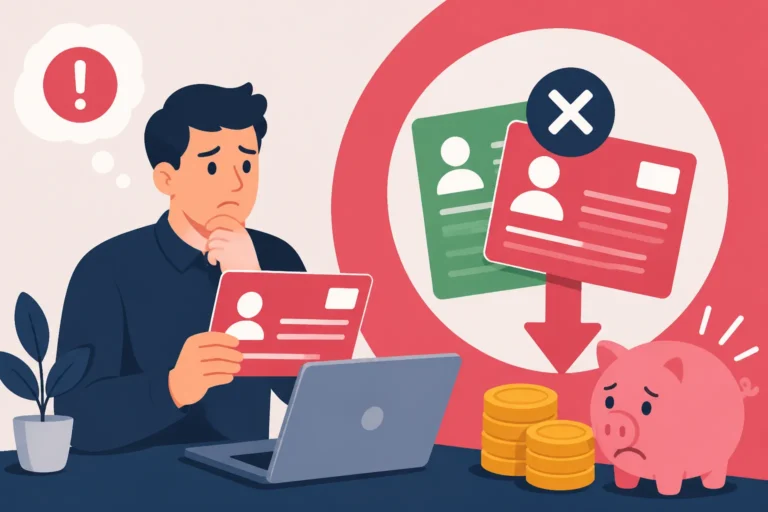
Spousal support, or alimony, is generally seen as a transfer of taxable income. This means that if you are the one paying, you get a deduction, but the person receiving it must report it as taxable income. Child support, however, works differently. The "fixed" portion of child support is deductible for the payer, but it is tax-free for the child and the custodial parent. I remember sitting in a Skattecenter in Copenhagen years ago, trying to explain why I was sending money to my ex-spouse abroad, only to realize I hadn't properly registered the agreement in my Preliminary Tax Assessment (Forskudsopgørelse): Avoiding Tax Debt. Without that digital paper trail, SKAT simply views those transfers as voluntary gifts, which carry zero tax benefits.
To qualify for any deduction, there must be a legal basis for the payment. This usually means a written agreement made at the time of separation or divorce, or a decision handed down by the Agency of Family Law (Familieretshuset). If you are just sending extra money because you are a "nice person," you cannot claim it. The Danish system thrives on documentation, and without a formal decree, your deductions will likely be rejected during a routine audit.
How to Deduct Child Support Legally
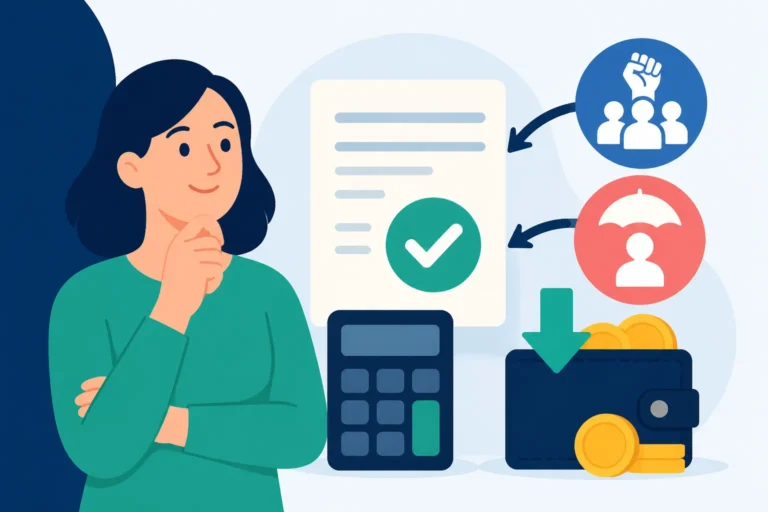
If you are paying child support for children who do not live with you, you are generally entitled to a tax deduction for the "base" amount. In Denmark, child support is divided into a basic portion (normalbidrag) and often a supplementary percentage. The rules remain consistent: you can deduct the fixed base amount and the fixed supplement, but you cannot deduct any "extra" voluntary payments you make for things like hobbies, clothing, or school trips.
When you enter these details into your tax folder, you use specific boxes. For most, this involves updating your The Annual Tax Assessment Notice (Årsopgørelse): Claiming Deductions to ensure the figures match what you actually paid during the year. It is vital to note that you only get the deduction for the months the child did not live with you. If a child moves in with you halfway through the year, you must stop claiming the deduction from that date. Failure to update this can lead to a "restskat" (tax debt) that can ruin your Cost of Living in Denmark 2026: Budgets for Singles and Families planning.
For expats, the complexity usually arises when the children live outside of Denmark. SKAT will often ask for proof of payment and proof of the legal obligation. If you are using services like Wise to send these payments to a foreign bank account, keep every single receipt. Wise is particularly helpful here because their statements clearly show the recipient's name and the date, which is exactly what a SKAT officer wants to see if they flag your return. You should also ensure that the name on your transfer matches the name on the legal agreement.
| Type of Support | Tax Treatment for Payer | Tax Treatment for Recipient | Requirement for Deduction |
|---|---|---|---|
| Child Support | Deductible (Base amount) | Tax-Free | Legal agreement or decree |
| Alimony (Spousal) | Fully Deductible | Taxable Income | Written agreement |
| Voluntary Gifts | Not Deductible | May be Gift Taxed | None |
Navigating Alimony Deductions and Cross-Border Challenges
Alimony, or ægtefællebidrag, is where things get truly tricky for international residents. Unlike child support, the entire agreed-upon amount is usually deductible for the payer. However, because this is considered a transfer of income, SKAT is much stricter about the "arm's length" nature of the agreement. You cannot simply decide to pay your ex-spouse 20,000 DKK a month to lower your tax bill; the amount must be reasonable and documented.
If your ex-spouse lives in Denmark, the process is automated once you both report the figures. But if your ex-spouse lives abroad, you must be able to prove that they are liable for tax on that money in their home country, or at least that you are legally bound to pay it. This is where many Americans or Brits find themselves in hot water. For those navigating the intersection of Danish and US tax laws, consulting a specialist like Taxes for Expats can be a lifesaver. They understand how the Danish deduction interacts with your home country's tax filing requirements, ensuring you don't accidentally trigger a double-taxation event.
When you look at your Understanding Your Danish Payslip (Lønseddel): Deductions Decoded, you won't see "alimony" listed as a line item. Instead, the deduction works by increasing your "personfradrag" or monthly tax-free allowance, meaning you take home more cash each month rather than waiting for a big refund in April. To set this up, you must log into TastSelv using your NemKonto and MitID: The Core of Danish Digital Finance (2027) and find the specific field for "Underholdsbidrag" (Support payments).
Documenting Payments for International Recipients
The burden of proof rests entirely on you. If you are paying support to someone in a country with which Denmark does not have an automatic exchange of information, SKAT might proactively ask you to upload documents. Expats can lose thousands of kroner in deductions simply because their bank transfers were labeled "Money for kids" instead of "Child Support [Child Name] [Month/Year]".
To safeguard your deductions, follow these steps:
- Translate the Agreement: If your divorce decree is not in English, Danish, Swedish, or Norwegian, get a certified translation.
- Use Consistent Channels: Always use the same payment method. If you use Wise, ensure the "Reference" field clearly states the purpose of the payment.
- Confirm Receipt: If possible, have the recipient sign a simple annual statement confirming they received the total amount of support for the year.
- Register with Udbetaling Danmark: If you are the one receiving support and the payer is abroad, you can sometimes get the state to "advance" the payment and handle the collection, though this is rare for non-residents.
For those who are US citizens, the situation is even more layered because the IRS has its own rules about alimony (especially for divorces finalized after 2018). Using a service like Taxes for Expats ensures that your Danish deduction doesn't create a conflict with your US Form 1040. They can help you understand how to navigate How to Avoid Paying Double Tax: US Citizens in Denmark while maximizing the benefits of the Danish-American tax treaty.
Common Pitfalls and the Risk of "Topskat"
One of the most painful realizations for high-earning expats is how support payments interact with "topskat" (the 15% additional tax on income over a certain threshold). Deductions for support are "ligningsmæssige fradrag," which means they generally reduce your municipal tax but not necessarily your topskat liability in the same way a pension contribution might.
You should also be aware of the difference between What is A-Skat vs B-Skat vs C-Skat in the Danish System? when it comes to reporting. Support payments are essentially a way to move your income from the "taxable" column to the "deductible" column, but if you miscalculate the amount on your Forskudsopgørelse, you might find that you haven't had enough tax withheld throughout the year.
A common mistake is claiming a deduction for "family support" that isn't actually child support or alimony. For example, if you are supporting your elderly parents back home, this is generally not deductible in Denmark unless they are specifically covered under very narrow and rare social welfare agreements. Stick strictly to the definitions of børnebidrag and ægtefællebidrag to avoid the dreaded audit. If you are ever unsure, the SKAT website has an English portal, but be prepared for long wait times during the "Årsopgørelse" season in March and April.
Finally, keep in mind that the "base amount" for child support is adjusted every year. You should check the current rates on the Borger.dk website or the Agency of Family Law (Familieretshuset) to ensure you are claiming the correct DKK amount. Claiming the 2024 rate in 2026 will result in a discrepancy that might trigger an automated flag in the SKAT system.
Practical Steps to Update Your Tax Profile
To ensure your deductions are active and you are receiving the monthly benefit in your paycheck, follow this workflow:
- Log into SKAT.dk with your MitID.
- Select 'Forskudsopgørelsen' for the current year.
- Look for box 461 (for child support) or box 462 (for alimony).
- Enter the total expected amount you will pay for the entire year.
- Click 'Beregn' (Calculate) and then 'Godkend' (Approve).
- Your tax card will be updated automatically and sent to your employer within a few days.
By being proactive and meticulous with your record-keeping, you can turn a stressful financial obligation into a manageable part of your Danish life. Use tools like Wise for transparent transfers and consult experts like Taxes for Expats if your financial life spans multiple continents. Denmark's system is rigid, but it is also fair if you follow the rules to the letter.
Disclaimer
This guide is for informational purposes only and does not constitute legal or financial advice. Tax laws in Denmark, including deduction rates and eligibility criteria, are subject to change annually. Individual circumstances vary significantly, especially for cross-border cases involving international treaties. Always consult with a qualified tax professional or contact the Danish Tax Agency (Skattestyrelsen) directly before making changes to your tax filings.