Using Trustpilot in Denmark: Avoiding Fraudulent Online Stores
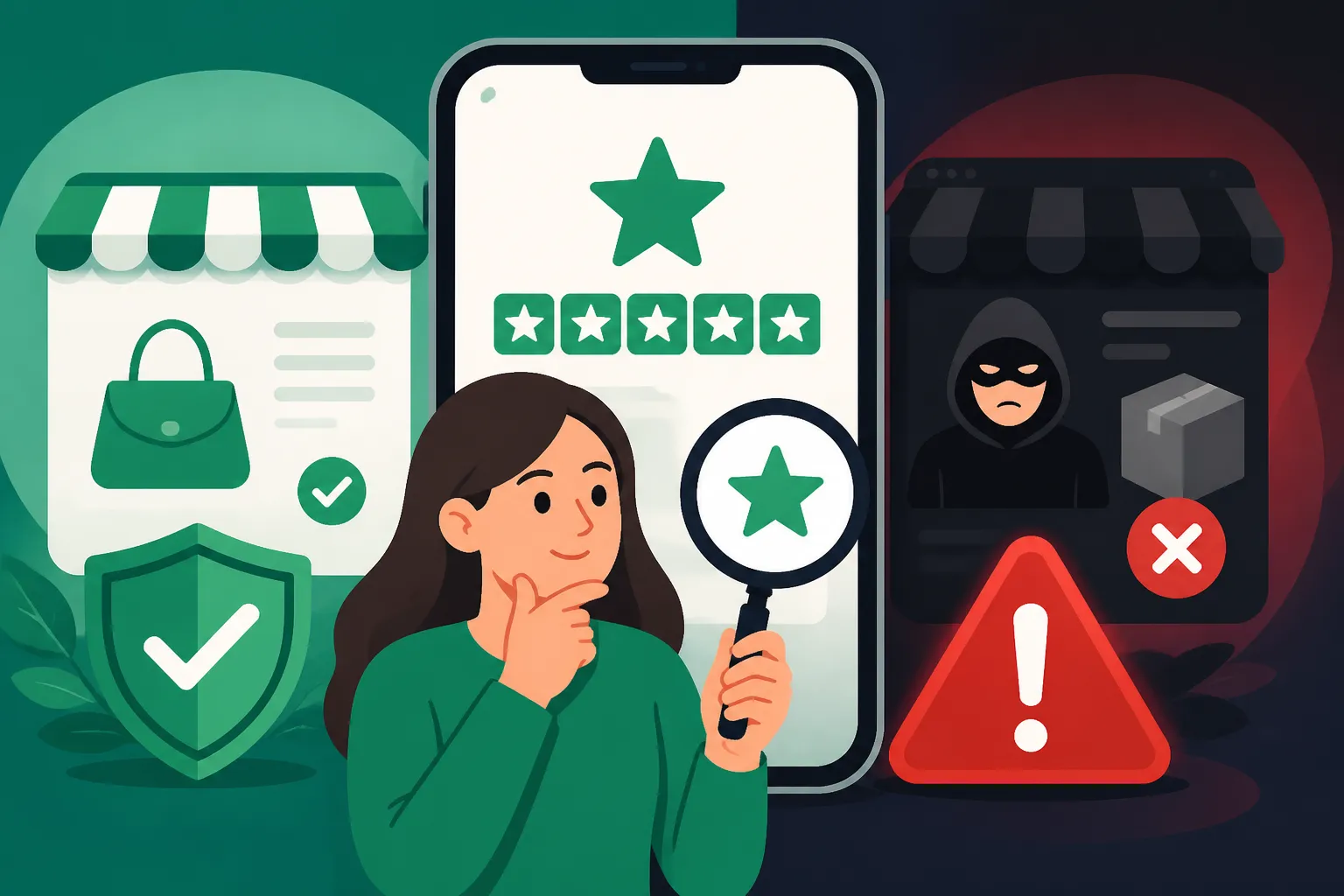
Moving to Denmark involves a lot of online shopping, from furniture for your new apartment to heavy winter gear you didn't know you needed. But nothing stings more than realizing the sleek, Danish-looking webshop you just sent 2,000 DKK to is actually a fraudulent front. This guide teaches you how to use Trustpilot like a local to vet stores, spot scammers, and keep your hard-earned money safe.
Why Trustpilot Carries So Much Weight in Denmark
If you are new to the Nordics, you might think of Trustpilot as just another review site like Yelp or TripAdvisor. However, in Denmark, Trustpilot is a cultural institution. Founded in Denmark back in 2007, it is the first place a Dane looks before clicking "buy" on an unfamiliar site. Because the Danish market is relatively small and highly digitized, word of mouth—even digital word of mouth—moves incredibly fast. A bad rating on Trustpilot can genuinely sink a local business, while a high score is often proudly displayed in shop windows across Copenhagen and Aarhus.
When you are navigating the Money in Denmark: Banking, Payments, and Financial Setup for Expats landscape, you quickly realize that trust is the currency of the country. Danes tend to trust the system, their government, and their neighbors. Scammers know this and they prey on that inherent sense of security. They create websites that use the ".dk" domain, feature pictures of the Little Mermaid or the Danish flag, and use perfect (or near-perfect) Danish text to make you feel at home. This is where Trustpilot becomes your primary shield.
For many of us, the first few months are a whirlwind of spending. Between deposits and setting up a household, your Cost of Living in Denmark 2026: Budgets for Singles and Families can skyrocket. Using Trustpilot effectively ensures that your setup costs don't include "donations" to scammers. It is about more than just seeing a star rating; it is about understanding the Danish context behind those reviews.
Red Flags of Fraudulent Online Stores in Denmark
Scammers have become incredibly sophisticated at mimicking the Danish aesthetic. They know we love minimalist design and "hygge." However, there are specific technical and visual cues that most fraudulent sites share. Before you even head to Trustpilot, you should perform a quick visual audit of the shop. If the prices for high-end Danish brands like Gubi, Hay, or Royal Copenhagen seem too good to be true, they probably are.
Analyzing the Language and Currency
One of the most common signs of a fraudulent shop is "Google Translate" Danish. While AI has made this harder to spot, look for awkward phrasing or the use of formal pronouns that Danes rarely use in a retail context. Furthermore, check the currency. A legitimate Danish shop will almost always default to DKK. If you see prices in Euro or USD on a site claiming to be local, be wary.
When I first arrived, I was often tempted by "outlet" sites. I eventually learned that if a site doesn't have a Dankort: Denmark’s National Debit Card and Why You Want One logo or a MobilePay option, it is a massive red flag. Most fraudulent sites will only accept credit cards because it is easier for them to process those through international gateways. If you are using an international card or a service like Wise to fund your initial purchases, the lack of local payment options should make you pause.
The Importance of the CVR Number
Every legitimate business in Denmark must be registered with the Central Business Register and have a CVR number. By law, Danish webshops should display this number, usually in the footer or on the "About Us" page. If you can't find a CVR number, leave the site immediately. If you do find one, you can cross-reference it on the official Virk.dk website.
Scammers often steal the CVR numbers of defunct companies or small unrelated businesses. This is where Trustpilot comes back into play. If a webshop claims to have been around for ten years but the Trustpilot profile was only created last month, you are likely looking at a scam. Keeping your finances organized is key, and services like Taxes for Expats often emphasize the importance of dealing with legitimate, receipt-providing entities for your records.
How to Decipher Danish Trustpilot Reviews Like a Pro
Once you are on the Trustpilot page for a specific shop, don't just look at the aggregate score. A store can have a 4.2-star rating and still be a nightmare for expats. You need to look at the "Review Distribution" and the specific content of the negative reviews. In Denmark, consumers are generally very reasonable, so a one-star review usually means something went seriously wrong with delivery or a refund.
Spotting Fake Bot Reviews
Scammers often "seed" their Trustpilot pages with dozens of five-star reviews written in broken Danish or generic English. Look for patterns: are ten reviews posted on the same day? Do the reviewers only have one review on their entire profile? In the Danish community, people tend to be active reviewers across many sectors, from their local Pharmacies in Denmark: Apotek Rules, Prescriptions, and Subsidies to their favorite bakery. A profile full of "one-hit-wonder" reviewers is a bad sign.
If you see a lot of reviews in English, check if they sound like they are from fellow expats. We often mention things like "shipping took forever to my apartment in Østerbro" or "the customer service spoke great English." These specific details add a layer of authenticity that bots can't replicate. If you're using Wise to pay for these items, you'll want that peace of mind before you authorize a transfer.
The Significance of the Verified Tag
Trustpilot has a "Verified" status for businesses that proactively invite their customers to leave reviews. While a company can technically "buy" a business subscription, the verified status means there is a verifiable link between the purchase and the review. In Denmark, legitimate companies are obsessed with their "TrustScore."
If a company is unverified and has a high number of negative reviews claiming they never received their items, it’s a clear signal to stay away. Many expats lose money on "boutique" clothing sites that turn out to be dropshipping scams from outside the EU. Not only do the clothes never arrive, but you might also get hit with unexpected Understanding the Danish Customs Rules for Importing Goods Online fees if they do.
Financial Safety Measures for Online Shopping
Even if a store looks decent on Trustpilot, you should always have a "safety first" mindset when it comes to your digital wallet. Denmark is a pioneer in cashless payments, but that also means your digital footprint is your primary vulnerability. Managing your money correctly starts with your NemKonto and MitID: The Core of Danish Digital Finance (2027) setup, which is the backbone of all secure transactions in the country.
Paying via MobilePay or Credit Cards
Whenever possible, use MobilePay. It is linked to your CPR number and your Danish bank account, providing a high level of traceability. If a shop doesn't offer MobilePay, use a credit card rather than a debit card. Most Danish banks offer "indsigelsesret" (the right to object), which allows you to claim your money back if a product is never delivered.
If you are still waiting for your Danish bank account to open, you might be using Wise or an international card. Wise is excellent for low-fee currency conversion, but remember that the consumer protection levels might differ from a traditional Danish bank's Dankort. Always check the "Buyer Protection" terms of whatever card you are using. If you find yourself needing to track these expenses for international tax reasons, Taxes for Expats can help you categorize these transactions so you can identify potential losses or deductible business expenses.
Comparison of Verification Methods for Danish Online Stores
| Verification Tool | What it Confirms | Reliability for Expats |
|---|---|---|
| Trustpilot | Customer experience and satisfaction | High, if you read the 1-star reviews. |
| E-mærket | Compliance with Danish consumer law | Very High; this is a Danish certification. |
| CVR Register | Legal existence of the business | Essential for checking company age. |
| MobilePay | Valid Danish business registration | High; requires a Danish CVR and bank. |
| Whois Search | Age and ownership of the .dk domain | Good for spotting brand-new "scam" domains. |
What to Do If You Get Scammed
Despite your best efforts, sometimes a scammer wins. It happens to the best of us, especially when we are distracted by the stress of Finding Medical Care in Denmark: GPs, Specialists, and Referrals or trying to understand our first Understanding Your Danish Payslip (Lønseddel): Deductions Decoded statement. If you realize you’ve bought from a fraudulent store, speed is your best friend.
Contacting Your Bank and Card Provider
Your first phone call should be to your bank's fraud department. If you used a Danish card, tell them you want to make an "indsigelse" (chargeback). You will need to provide documentation: a copy of the order confirmation (if you got one) and proof that you tried to contact the seller without success. If you used Wise, use their in-app reporting tool immediately to freeze the transaction if it is still pending.
Documentation is also vital for your annual tax filings. If you are using a service like Taxes for Expats, keeping a clear record of these incidents is helpful, especially if you are claiming "theft or loss" deductions in your home country (like the US). While Denmark doesn't typically offer tax breaks for being scammed on a pair of sneakers, your home country might have different rules for high-value losses.
Filing a Report with the Police (Politiet)
In Denmark, you can file a police report online for digital fraud. While it is unlikely the police will raid a warehouse to find your missing coffee table, the report is often a prerequisite for your bank to finalize a chargeback. Go to Politiet.dk and look for "Anmeld IT-kriminalitet." You will need your MitID to log in and sign the report.
Once the report is filed, update the Trustpilot page for the scam shop. By writing a detailed review in English, you are helping the next expat who comes along. Mention the website URL, the payment method they forced you to use, and the fact that you have filed a police report. This creates a public record that is much harder for the scammers to "bury" with fake reviews.
Avoiding the "Subscription Trap" on Danish Sites
A specific type of "semi-fraudulent" behavior common in Denmark is the subscription trap (abonnementsfælde). You think you are buying a cheap iPhone or a set of kitchen knives for 10 DKK, but you are actually signing up for a monthly "loyalty club" that costs 499 DKK per month. These sites often have mediocre Trustpilot scores because they technically provide a service, but their marketing is deceptive.
When you look at Common Financial Scams Targeting New Expats in Denmark, these subscription traps are at the top of the list. Always read the tiny grey text at the bottom of the checkout page. If you see words like "medlemskab" (membership) or "løbende måned" (current month), proceed with extreme caution. These companies are notorious for making it almost impossible to cancel, often requiring you to call a premium-rate number or send a physical letter.
If you’ve accidentally joined one of these, you can often find "how-to-cancel" guides on Trustpilot from other angry customers. Use those as your roadmap. If they continue to charge your card, you may need to block the card entirely and order a new one through your banking app. Remember, keeping your Preliminary Tax Assessment (Forskudsopgørelse): Avoiding Tax Debt in order is stressful enough—you don't need 500 DKK being drained from your account every month by a "shaving club" you never wanted.
Final Thoughts on Safe Shopping
Denmark is one of the safest countries in the world, both on the street and online, but that doesn't mean you can lower your guard. Trustpilot is an invaluable tool, but it is most effective when used in conjunction with a healthy dose of skepticism and a check of the Initial Rental Costs: Navigating Deposits and Prepaid Rent Laws or other major expenses that might be draining your attention.
By using Wise for your currency needs and Taxes for Expats to keep your global financial life in order, you are already ahead of the curve. Just remember: if a website looks like it was built in 1995, has prices that are 70% lower than the Illum department store, and isn't on Trustpilot, it’s not a "hidden gem"—it’s a trap. Stay safe, shop smart, and enjoy your new life in Denmark without the financial headache of online fraud.
Disclaimer
This guide is provided for informational purposes only and does not constitute legal or financial advice. Online fraud tactics change rapidly, and while Trustpilot is a helpful tool, it is not infallible. Always consult with your bank or a legal professional if you have been a victim of significant financial crime.