Second-Hand Shopping (DBA and Genbrug): Saving Money Like a Dane
Moving to Denmark often comes with a significant side of sticker shock when you realize that outfitting a small apartment can easily cost as much as a used car. The 25 percent value-added tax (moms) makes retail prices eye-watering for those transitioning from lower-tax environments. This guide solves the financial burden of relocation by teaching you how to master the local second-hand economy, specifically through DBA and physical Genbrug stores, to save thousands of kroner.
Why Second Hand Shopping is a Survival Skill in Denmark
When I first landed in Copenhagen, I remember walking into a high-end design store and seeing a lamp that cost more than my first month's rent. It wasn't just luxury items; even basic kitchenware seemed to carry a premium. This is the reality of the Cost of Living in Denmark 2026: Budgets for Singles and Families. To survive and thrive here without draining your savings in the first six months, you have to adopt the Danish mindset of "Genbrug" (re-use). It is not just about being frugal; it is a cultural cornerstone built on sustainability and a deep appreciation for quality items that last decades.
The Danish retail market is heavily influenced by high labor costs and the aforementioned VAT. This means that even a "budget" dresser from a big-box retailer can feel expensive. By shifting your focus to the second-hand market, you effectively bypass these taxes. Many expats find that they can buy high-quality, solid wood Danish mid-century furniture for the same price as new, flimsy particle-board alternatives. It is the ultimate hack for creating a beautiful home while keeping your budget intact.
Furthermore, the quality of second-hand goods in Denmark is exceptionally high. Danes tend to take excellent care of their belongings. It is quite common to find items on the second-hand market that look virtually brand new, often because the previous owner simply decided to change their interior design style. Embracing this cycle allows you to allocate your hard-earned Danish kroner toward experiences, travel, or perhaps your Preliminary Tax Assessment (Forskudsopgørelse): Avoiding Tax Debt instead of overpriced home goods.
If you are still waiting for your Danish bank account to be approved, using services like Wise can be a lifesaver during these early second-hand transactions. While MobilePay is the king of the market, having a Wise card or account allows you to manage your initial currency conversions at much better rates than traditional banks, ensuring you aren't losing money on the exchange before you even make a purchase.
Mastering DBA The Online Marketplace Giant
DBA (Den Blå Avis) is the undisputed heavyweight of the Danish second-hand world. Think of it as a localized, much more polite version of eBay or Craigslist. For an expat, it is the primary tool for finding everything from designer chairs to winter coats. However, it isn't just a "list and sell" site; there is a specific etiquette and technical setup required to succeed. Most importantly, you need to understand that trust is the currency of DBA.
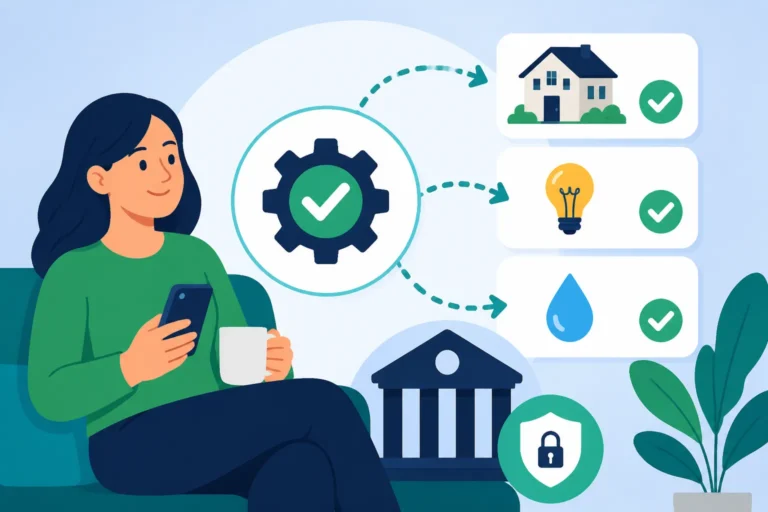
To truly unlock DBA's potential, you should verify your profile. In Denmark, digital trust is tied to your official identity. While you can browse without it, many sellers will prioritize buyers who have verified their identity via MitID. This proves you are a real person living at a registered address. If you haven't set this up yet, you should prioritize Sundhed.dk and MitID: Navigating Denmark’s Digital Health Portals to understand how this digital handshake facilitates almost every transaction in the country, including buying a used bike.
When communicating with sellers on DBA, the tone should be direct but polite. Most Danes speak excellent English, so don't be afraid to message in English if your Danish isn't quite there yet. However, a "Hej, jeg er interesseret i din…" (Hi, I'm interested in your…) goes a long way. Be prepared for the question "Er prisen til forhandling?" (Is the price negotiable?). While some prices are firm, many sellers expect a slight haggle, especially if the item has been listed for more than a week.
Logistics on DBA can be the biggest hurdle for new arrivals. Unlike professional retailers, most DBA sellers expect "afhentning" (pickup). This means you need to be ready to travel to various neighborhoods. If you are buying larger items, you will need to plan your transport carefully. Many expats use the S-train or Metro for smaller furniture pieces, but for the big stuff, you might need to look into Buying a Cargo Bike (Christiania Cykel) for Transporting Kids or renting a trailer.
The World of Genbrug Physical Thrift Stores and Charity Shops
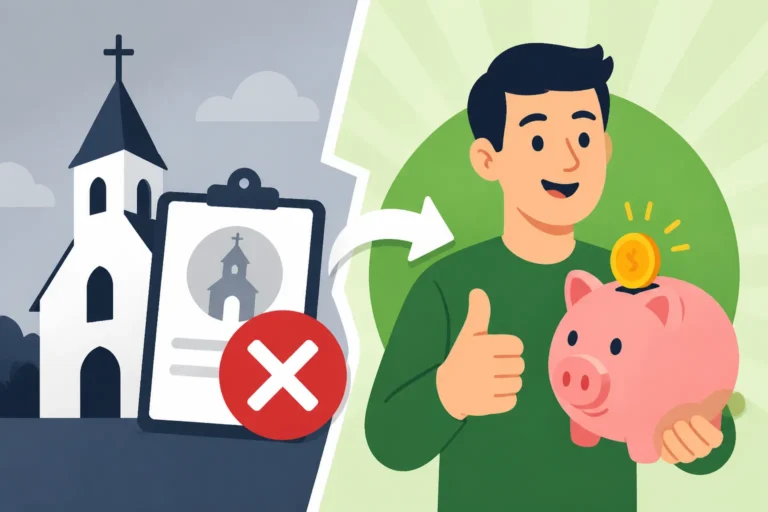
While DBA is great for specific searches, "Genbrugsbutikker" (charity shops) are where the magic of discovery happens. These shops are usually run by organizations like the Red Cross (Røde Kors), Kirkens Genbrug, or DanChurchAid (Folkekirkens Nødhjælp). They are scattered throughout every Danish city and town, often in the most unassuming buildings. Unlike thrift stores in some other countries, Danish Genbrug shops are typically very clean, well-organized, and curated with care.
The pricing strategy in these stores is usually very fair, but it varies by neighborhood. A Red Cross shop in the posh neighborhood of Hellerup might have higher prices but also higher-end designer labels, whereas a shop in a more industrial area might have incredible deals on kitchenware and books. If you are just starting out, Supermarkets in Denmark: Netto, Rema 1000, and Føtex Compared can help you benchmark what "new" prices look like so you can truly appreciate the 70-90% discounts found in Genbrug.
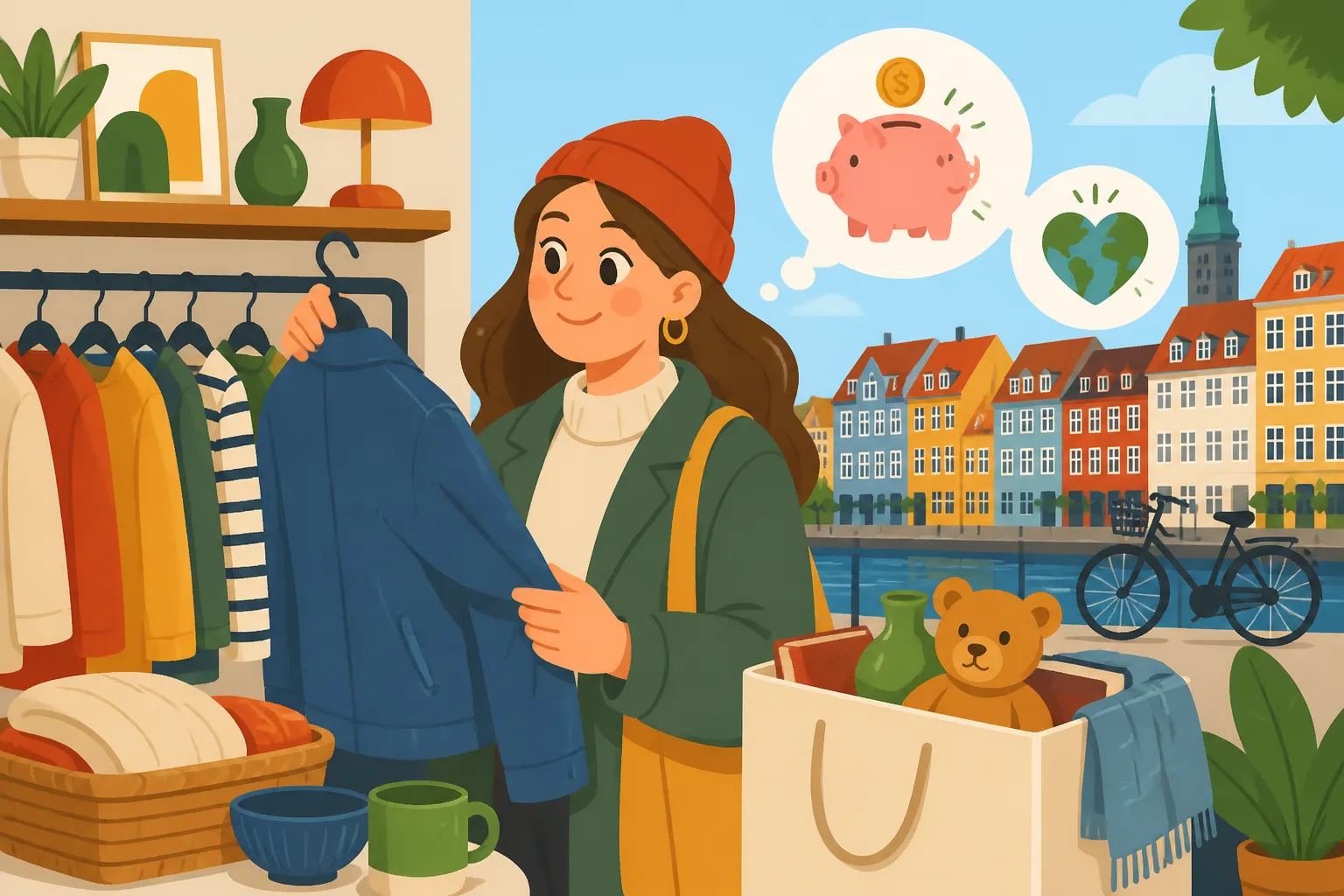
One of the best things about physical Genbrug shopping is the "all-in-one" nature of the stores. You can often find a full set of plates, silverware, and glassware for a fraction of what you'd pay at a department store. For those moving with children, these shops are a goldmine for toys and rapidly outgrown clothing. It is much easier on the soul to buy a 20 DKK winter jacket for a toddler who will grow out of it in three months than to spend 600 DKK at a boutique.
Be aware that these shops often have limited opening hours, frequently closing by 5:00 PM on weekdays and early on Saturdays. Many are staffed by volunteers, so the atmosphere is relaxed. It is also one of the few places in Denmark where you might still find a use for physical cash, though almost all now accept MobilePay or Dankort. If you are handling these transactions using international funds, Wise remains a great tool for keeping your domestic and international spending separate and transparent.
Practical Strategies for Payments and Logistics
In the Danish second-hand market, MobilePay is the absolute law of the land. It is almost impossible to navigate DBA without it. Sellers love it because the transaction is instant and verified. For a newcomer, getting MobilePay can be a bit of a "chicken and egg" problem because you need a Danish phone number, a CPR number, and a Danish bank account. You can read more about this hurdle in MobilePay and Cashless Denmark: Surviving Without Physical Cash.
Until you have MobilePay, you must be up-front with sellers. Ask if they accept cash or if you can perform a real-time bank transfer. This is where Wise can again be a hero; their instant transfer features can sometimes bridge the gap if the seller is tech-savvy. However, always carry some cash as a backup when heading out to pick up a DBA find, as many locals have moved so far beyond physical money that they might not even have change to give you.
Transporting your finds is the next challenge. Denmark's infrastructure is built for bikes and public transit, not necessarily for moving a three-seater sofa. If you don't have a car, you have a few options. You can use car-sharing apps like GreenMobility or ShareNow, which allow you to rent electric vans by the minute. Alternatively, you can use the "S-tog" (S-train) for smaller items like chairs or side tables, provided it isn't during rush hour. Just ensure you are familiar with Public Transport in Denmark: Rejsekort, Trains, and Commuting to avoid any fines while transporting your loot.
| Platform/Store Type | Best For | Payment Method | Delivery Option |
|---|---|---|---|
| DBA (Online) | Specific brands, furniture, electronics | MobilePay (Primary), Cash | Mostly Pickup |
| Røde Kors / Kirkens Genbrug | Clothes, kitchenware, books | MobilePay, Card, Cash | None |
| Facebook Marketplace | Local neighborhood deals, free items | MobilePay, Cash | Mostly Pickup |
| Loppemarked (Flea Markets) | Antiques, unique decor, clothes | MobilePay, Cash | None |
Seasonal Flea Markets and Specialized Platforms
When the Danish summer arrives, the second-hand scene moves outdoors. "Loppemarkeder" (flea markets) pop up in town squares, parks, and even private driveways. These markets are a social event as much as a shopping opportunity. The prices at these markets can be the lowest you'll find, as sellers are often individuals looking to clear out their attics before the end of the weekend. It is the perfect place to find unique Danish ceramics or vintage "Kaj Bojesen" wooden figures.
For those specifically looking for high-end fashion, there is a specialized app called Trendsales (which has recently merged operations with Vinted in some regions). This platform is much more focused on clothing and accessories than DBA. It includes built-in shipping solutions and payment protection, which can be reassuring for expensive designer purchases. It is a favorite among the younger, fashion-conscious crowd in Aarhus and Copenhagen.
If you are a student or on a very tight budget, keep an eye out for "Storskrald" (large waste) days. In many apartment complexes, residents leave functional furniture in designated areas for the municipality to collect. It is perfectly legal and socially acceptable to "rescue" items from these piles. Perfectly good IKEA desks and designer-style lamps often end up on the sidewalk simply because someone is moving out and cannot fit them into their new place. This is the ultimate level of Second-Hand Shopping (DBA and Genbrug): Saving Money Like a Dane.
Legal and Financial Considerations
While buying second-hand is generally a private affair, there are a few things to keep in mind regarding your financial footprint in Denmark. Generally, buying used items for personal use has no tax implications. However, if you find yourself getting very good at this and start "flipping" items for a profit, you need to be aware of the rules surrounding B-Income (B-indkomst) vs. A-Income (A-indkomst) for Side Hustles. The Danish tax authority, SKAT, is very efficient, and they do monitor large, frequent transfers on MobilePay.
If you are an expat who still has tax obligations in your home country, especially the US, it is wise to keep a rough record of your major purchases and sales. Companies like Taxes for Expats can provide specific advice on how these local transactions might interact with your global tax filings. While a used coffee table won't trigger an audit, a side business of exporting Danish mid-century furniture certainly will. Use Taxes for Expats to ensure you stay compliant on both sides of the Atlantic.
Finally, remember that in private sales (DBA or Facebook), there is generally no "fortrydelsesret" (right of return). Once you have handed over the money and taken the item, it is yours, "as is." Always inspect electronics or expensive gear thoroughly before paying. If a deal seems too good to be true—like a brand-new MacBook for 2,000 DKK—it probably is. Trust your gut and stick to verified sellers with good ratings to keep your transition to Danish life smooth and affordable.
Disclaimer
The information provided in this guide is for informational purposes only and does not constitute legal, financial, or tax advice. Market conditions, platform rules, and Danish tax laws (SKAT) are subject to change. Always verify current regulations and consult with a professional, such as Taxes for Expats, for specific advice regarding your individual situation.