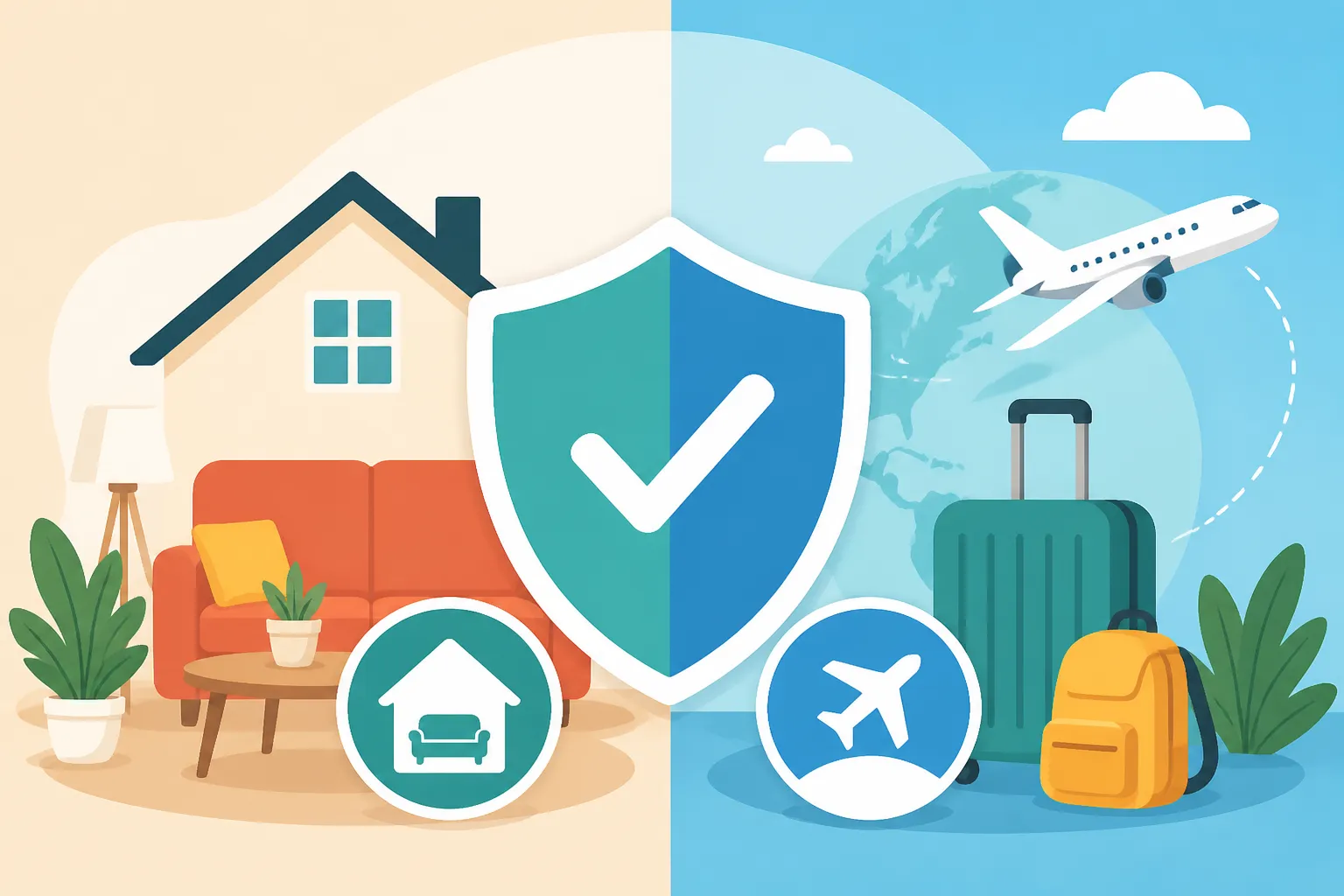
Optional Insurances: Indboforsikring (Home Contents) and Travel
Moving to Denmark, you quickly realize that while the system offers an incredible safety net, there are still crucial aspects of personal protection that fall squarely on your shoulders. One common misconception is that the robust public healthcare and social welfare system covers everything. It doesn't, and failing to understand the gaps, especially concerning your belongings and travel plans, can lead to devastating financial and emotional stress. This guide will walk you through the often-overlooked but vital optional insurances in Denmark: Indboforsikring (Home Contents Insurance) and Travel insurance, explaining why they're not just "nice-to-haves" but essential investments for any expat building a life here.
Demystifying Indboforsikring (Home Contents Insurance) in Denmark
When you arrive in Denmark, whether you’re renting a furnished apartment or a bare-bones unfurnished one, the concept of home contents insurance, or Indboforsikring, might seem like just another bill. However, it's far more than merely protecting your possessions; it’s a foundational piece of your financial security here, often covering aspects you might not expect. Many expats, myself included, have initially underestimated its importance, thinking their landlord's insurance or the overall "safe" nature of Denmark would suffice. This is a common and potentially costly mistake.
Why Your Danish Apartment Might Be Different
Danish rental apartments, especially unfurnished ones, can come as a bit of a surprise. Unlike some other countries where apartments often include basic light fixtures, curtains, or even kitchen appliances, many Danish rentals are truly bare. You'll often find yourself buying everything from light bulbs to kitchen cabinets, and the cost quickly adds up. This means your personal investment in fitting out your home is significantly higher, making robust coverage for these items even more critical. Imagine buying an entire kitchen or furnishing a whole apartment from scratch – that's a lot of value that walks in the door with you.
Furthermore, the concept of "normal wear and tear" versus "nyistandsat" (newly renovated) when you move out can have huge implications for your deposit. While Indboforsikring doesn't cover general wear and tear, it does often include a liability component that is absolutely crucial. If you accidentally cause significant damage to the property – a burst pipe due to negligence, a major spill that ruins the floorboards beyond normal cleaning, or even a fire – this liability coverage can protect you from astronomical costs. Your landlord’s building insurance covers the structure, but not necessarily the damages you cause that they then hold you responsible for. This is where your personal liability within the Indboforsikring steps in as a vital shield.
What Indboforsikring Actually Covers
Indboforsikring is a comprehensive package that typically covers a wide array of risks to your personal belongings within your home and often outside it too. The core protections usually include:
- Fire Damage: This is the most obvious and universal coverage, protecting your home contents from fire, smoke, and explosion. Even if you're careful, accidents happen, and having this safety net is non-negotiable.
- Theft and Burglary: If your apartment is broken into and items are stolen, your Indboforsikring will cover the replacement cost of these goods. This often extends to items stolen from a locked basement storage unit or even, with specific clauses, from your bicycle if it was properly secured.
- Water Damage: Burst pipes, leaks from upstairs neighbors, or even flooding can wreak havoc on your belongings. This coverage helps repair or replace items damaged by water. Be mindful of the specifics here, as some policies might differentiate between sudden damage and damage from gradual leaks.
- Storm Damage: Denmark can get its fair share of wild weather. If a storm causes damage to your windows and rain ruins your electronics, Indboforsikring helps cover these losses.
- Personal Liability (Ansvarsforsikring): This is perhaps the most critical, yet often least understood, component for expats. This covers you for damages or injuries you accidentally cause to other people or their property. Imagine you accidentally knock over an expensive sculpture in a friend’s home, or your child breaks a store display. Or, more seriously, if you accidentally injure someone and are deemed liable. This portion of your Indboforsikring will cover the legal costs and compensation. It’s so fundamental that many Danes consider it an absolute must-have, and for good reason. For detailed reasons why this particular insurance is so crucial, you can read more in our guide: Indboforsikring: Why Home Contents Insurance is Crucial for Renters.
- Accidental Damage (Udvidet Dækning): Many policies offer an "all-risk" or extended coverage option which protects against sudden, unforeseen damages to your belongings that aren't specifically fire or theft related. This could be spilling coffee on your new laptop, dropping your phone, or your child accidentally breaking a vase. While it adds to the premium, for families or those with expensive electronics, it offers immense peace of mind.
How to Choose the Right Indboforsikring
Choosing the right Indboforsikring isn't just about picking the cheapest option; it's about understanding your needs and the policy's nuances.
1. Determine Your Sum Insured (Forsikringssum): This is the maximum amount your insurance company will pay out. It needs to reflect the total value of all your belongings. Don't underestimate this! Walk through your home and calculate the replacement cost of furniture, electronics, clothing, kitchenware, and even sentimental items. Many providers, like Tryg or Topdanmark, offer online calculators to help you estimate, but always err on the side of slightly overestimating rather than underinsuring. Underinsuring could lead to "underinsurance" clauses where the payout is proportionally reduced even if your claim is below the sum insured.
2. Understand the Deductible (Selvrisiko): This is the amount you pay out of pocket before the insurance kicks in. A higher deductible usually means a lower monthly premium, but be prepared to pay that amount if you make a claim. For example, if you have a 2,000 DKK deductible and your stolen bike is worth 8,000 DKK, you'd get 6,000 DKK from the insurer.
3. Specific Coverage Needs:
- Bikes: Denmark is a cycling nation, and bikes are prime targets for theft. Ensure your policy has adequate bike coverage, often with a separate sum insured and specific requirements for locking (e.g., approved locks). Many policies will specify a maximum value for a single bike.
- Valuables and Electronics: If you have high-value jewelry, art, or specialized electronics, check if there are individual item limits. You might need to declare these separately or opt for extended coverage.
- Travel Outside the Home: Many Indboforsikring policies include limited coverage for items stolen or damaged outside your home but within Denmark, or even for short trips abroad (e.g., up to 3 months). Always check these limits, especially if you travel frequently for work or leisure.
4. Compare Providers: Don't just go with the first offer. Danish insurance companies like Alm. Brand, If P&C, and GF Forsikring all offer Indboforsikring, and their terms and prices can vary significantly. Use online comparison tools where available, and don't hesitate to call them directly. If you're a member of a trade union (like DJØF or IDA), they often have special agreements with insurance providers that can get you a better deal. When discussing your financial setup, especially with services like Taxes for Expats, remember to budget for these essential protections.
Navigating Travel Insurance for Danish Expats
For many expats, the transition to the Danish healthcare system is a journey in itself, culminating in the cherished Yellow Health Card. This card is your gateway to public healthcare in Denmark. However, it’s absolutely vital to understand its limitations when you step outside Danish borders. Relying solely on your Yellow Card for international travel is a dangerous gamble that can leave you in dire financial straits if anything goes wrong.
Beyond the Yellow Card: Why Public Health Insurance Isn't Enough
Your Yellow Health Card (Sundhedskort) is your proof of Danish residency and your right to public healthcare here in Denmark. It’s fantastic for seeing your GP, getting prescriptions, or accessing hospital care within the country. However, the moment you leave Denmark, its utility quickly diminishes.
When traveling within the EU/EEA or Switzerland, you’re covered by the European Health Insurance Card (EHIC), which is usually found on the back of your Yellow Card or can be ordered separately. The EHIC entitles you to medically necessary healthcare in public facilities under the same conditions as a local resident. This means if locals pay a co-payment, so do you. It does not cover:
- Repatriation: The cost of bringing you back to Denmark if you become seriously ill or injured. This alone can run into hundreds of thousands of DKK.
- Trip Cancellation or Interruption: If you have to cancel your trip due to illness or an unforeseen event, or cut it short, the EHIC won't help with lost flight or accommodation costs.
- Lost or Stolen Baggage: Obvious, but worth stating – the EHIC is purely for health, not property.
- Private Healthcare: If you need to use a private clinic abroad, the EHIC won't cover it.
- Coverage in countries outside EU/EEA/Switzerland: For destinations like the US, Canada, Australia, or anywhere else beyond the EU/EEA, the EHIC is completely useless. For these trips, comprehensive private travel insurance is absolutely non-negotiable.
This critical distinction is why even EU/EEA citizens need specific travel insurance, despite having access to the EHIC. It’s a common expat blind spot, often discovered only when it's too late. The cost of a medical evacuation from a distant country can easily dwarf the cost of an annual travel insurance policy. While you're getting your basic affairs in order, remember that for your first 90 days, non-EU expats might need specific coverage if they don't yet have a CPR number; you can explore this further in our guide: Expat Health Insurance: Coverage Before You Get Your CPR Number.
Types of Travel Insurance and Key Coverage Areas
Travel insurance comes in various forms, tailored to different travel habits and needs. Understanding these categories and their common coverage areas is key to selecting the right policy.
1. Single-Trip vs. Annual Multi-Trip:
- Single-Trip Insurance: Ideal if you only travel once or twice a year for short periods. You buy a policy specific to each trip, covering the exact dates of your journey.
- Annual Multi-Trip Insurance: More economical if you travel frequently. A single policy covers all your trips within a 12-month period, usually up to a certain duration per trip (e.g., 30 or 60 days per journey). Many Danes opt for this as it offers continuous coverage and peace of mind without needing to remember to buy a new policy every time.
2. Key Coverage Areas to Look For:
- Emergency Medical Expenses: This is the big one. It covers hospital stays, doctor visits, surgery, and medication if you fall ill or get injured abroad. Critically, it includes emergency dental treatment for accidents and medical repatriation to Denmark.
- Trip Cancellation, Interruption, and Delay: Reimburses non-refundable costs if your trip is cancelled (e.g., due to severe illness, death in the family), cut short, or significantly delayed due to unforeseen events.
- Lost, Stolen, or Damaged Baggage: Covers the cost of replacing your luggage and personal belongings if they are lost by the airline, stolen, or damaged during your trip.
- Personal Liability: Similar to your Indboforsikring, this covers you if you accidentally cause injury to another person or damage their property while traveling.
- Travel Assistance: Many policies offer 24/7 helplines to assist with medical emergencies, lost passports, or other travel mishaps.
- Rental Car Excess Waiver: Some premium policies include coverage for the excess (deductible) on rental car insurance, saving you from expensive add-ons at the rental desk.
Important Considerations for Travel Insurance
Beyond the basics, several factors can significantly impact your travel insurance needs and the cost of your premium.
- Pre-existing Medical Conditions: Always declare any existing medical conditions when applying for travel insurance. Failure to do so can invalidate your policy, leaving you completely uncovered if your condition flares up abroad. Some insurers might exclude these conditions, while others will cover them for an additional premium.
- Adventure Sports and Activities: Planning to ski, scuba dive, hike, or engage in other adventurous activities? Check if these are covered. Many standard policies exclude "dangerous" sports, requiring you to purchase an add-on.
- Specific Destination Coverage: Some regions might be deemed higher risk, affecting premiums or coverage availability. Always specify your destinations accurately. For instance, travel to war zones or areas with active travel warnings from the Danish Ministry of Foreign Affairs will typically be excluded.
- Family Policies: If you travel with your spouse and children, a family travel insurance policy is usually more cost-effective than individual policies. Ensure it covers all family members for their specific needs.
- Insurance Company Reputation and Claims Process: Read reviews and understand the claims process. When an emergency strikes abroad, you want a responsive and straightforward insurer. Companies like Gouda (often recommended for Danes travelling), Europæiske Rejseforsikring, and various major Danish banks often offer robust travel insurance options.
The Danish Insurance Landscape: Providers and Process
Navigating the Danish insurance market can feel like deciphering a foreign language, and frankly, sometimes it is! While many providers have English-speaking staff, the terms and conditions are often in Danish, and the processes can differ from what you're used to. Yet, engaging with this landscape is a necessary step in securing your expat life.
Major Danish Insurance Companies
Denmark has a competitive insurance market with several large, reputable players. These companies offer a wide range of personal and business insurances, including Indboforsikring and travel insurance. Familiarizing yourself with them is a good starting point for comparison:
- Tryg Forsikring: One of the largest insurance companies in Scandinavia, Tryg offers comprehensive solutions for home, car, travel, and health. They have a strong online presence and often provide discounts for bundling multiple insurances.
- Topdanmark: Another major player, Topdanmark provides a broad spectrum of insurance products. They are known for their customer service and various types of coverage tailored to different needs.
- Alm. Brand: A well-established Danish financial services group, Alm. Brand offers banking, pension, and insurance services. Their insurance offerings are diverse, and they often provide tailored advice.
- If P&C Insurance (If Skadeforsikring): A Nordic insurance company with a significant presence in Denmark. If offers competitive rates and a range of policies, often emphasizing digital solutions for policy management and claims.
- GF Forsikring: Known for its cooperative structure, GF Forsikring often offers members a "member bonus" on their premiums if the company performs well. This can be an attractive option for long-term expats looking for a more community-oriented insurer.
Many banks in Denmark, such as Danske Bank, Nordea, and Nykredit, also offer insurance products, often in partnership with or underwritten by one of these larger insurance groups. It can sometimes be convenient to bundle your banking and insurance, but always compare prices and coverage independently.
Getting Quotes and Understanding the Fine Print
Getting quotes for insurance in Denmark is relatively straightforward, but understanding the details requires diligence.
1. Online Comparison Tools and Direct Quotes: Most major insurers have online quote tools where you can input your details and get an estimate. Websites like Forsikringsguiden.dk (an independent comparison site run by the Danish Financial Supervisory Authority) can be excellent resources to compare different providers side-by-side, though it is in Danish. Don't rely solely on online quotes; sometimes, calling directly can yield a better deal or allow you to clarify specific terms in English.
2. Asking for English Terms and Conditions: While many insurance companies have English-speaking staff, the actual policy documents (terms and conditions, forsikringsbetingelser) are almost always in Danish. This can be a huge hurdle. Don't be shy about asking if they have summaries or key clauses translated, or if they can walk you through the most important sections verbally. If you're a member of a trade union, they sometimes offer advice or even legal assistance in understanding these documents. It’s also wise to get help from a Danish-speaking friend or colleague to review the crucial sections of any policy before you commit.
3. Understanding Danish Insurance Terminology: Key terms like selvrisiko (deductible), forsikringssum (sum insured), ansvarsforsikring (liability insurance), and dækning (coverage) are vital. Create a small glossary for yourself. When comparing, ensure you're comparing apples to apples – meaning similar levels of coverage and deductibles.
Making a Claim: What Expats Need to Know
Making an insurance claim is rarely a pleasant experience, and it can be particularly stressful in a foreign country. Knowing the process can significantly ease the burden.
1. Act Promptly: As soon as an incident occurs (theft, damage, injury), report it to the relevant authorities (e.g., police for theft) and then to your insurance company as soon as reasonably possible. Most policies have specific deadlines for reporting claims.
2. Document Everything:
- Photos and Videos: Take extensive photos or videos of any damage to your property or the scene of an accident.
- Police Reports: For theft, vandalism, or serious accidents, a police report (politirapport) is essential.
- Receipts and Proof of Ownership: Gather receipts, bank statements, or photos of your belongings to prove ownership and value.
- Witness Statements: If there were witnesses to an accident, get their contact details.
- Medical Records: For travel medical claims, keep all medical records, invoices, and prescription details.
3. Contact Your Insurer: Most insurance companies have online claim forms (skadeanmeldelse) and a dedicated claims department. Be prepared to provide all documented evidence. If you're abroad and need urgent medical attention, use the 24/7 emergency hotline provided by your travel insurance. They can often arrange direct billing with hospitals, significantly reducing your out-of-pocket stress.
4. Be Patient and Persistent: The claims process can take time. Follow up regularly, but politely. If you encounter language barriers, don't hesitate to ask if an English-speaking case worker can assist you. If you're using services like Wise for international transfers related to emergency expenses or receiving payouts, ensure your NemKonto details are correctly registered for any local reimbursements. For more complex cases or disputes, organisations like Ankenævnet for Forsikring (The Insurance Appeals Board) can provide independent reviews, though this is usually a last resort.
Cost vs. Benefit: Is Optional Insurance Really Worth It?
When you’re balancing the myriad costs of setting up life in Denmark – from rent and utilities to taxes and daily expenses – adding "optional" insurance premiums can feel like a luxury. However, from an expat perspective, these insurances are often far from optional. They are critical tools for risk management, providing a safety net that protects your financial future and, more importantly, your peace of mind.
The Peace of Mind Factor
Living in a new country brings a unique set of stresses. The language barrier, cultural differences, and simply navigating a new administrative system can be exhausting. The last thing you need is a major unexpected financial shock. Imagine your apartment getting broken into, or needing emergency surgery while on holiday in Thailand, only to discover you're not covered. The psychological toll of such events, coupled with the financial burden, can be immense.
This is where Indboforsikring and comprehensive travel insurance truly shine. They offer a profound sense of security. Knowing that your hard-earned belongings are protected from fire or theft, or that a medical emergency abroad won't bankrupt you, allows you to focus on enjoying your expat experience rather than constantly worrying about "what if." This peace of mind isn't just an intangible benefit; it directly impacts your quality of life and your ability to thrive in Denmark. When you're managing your finances and thinking about long-term stability, perhaps with advice from a service like Taxes for Expats, these "optional" insurances often become a mandatory line item in a sensible budget.
Real-Life Scenarios and Potential Pitfalls
Let’s look at some hypothetical, but very real, scenarios that highlight the value of these insurances:
Scenario 1: The Kitchen Fire (Indboforsikring)
You're cooking dinner, get distracted, and a small kitchen fire erupts, causing significant smoke and heat damage to your kitchen and living room.
- Without Indboforsikring: You're responsible for replacing all damaged furniture, electronics, and personal items. The cost could easily be DKK 50,000-100,000 or more, plus the massive stress of finding temporary accommodation and replacing everything from scratch.
- With Indboforsikring: After paying your deductible, your insurer covers the replacement costs, assists with temporary living arrangements if needed, and manages the logistics of your claim. The liability component also ensures that any damage to the building itself that you're held responsible for is covered, saving you from a landlord dispute that could cost a fortune.
Scenario 2: The Stolen Bike (Indboforsikring)
You park your valuable commuter bike outside the supermarket, securely locked. When you return, it's gone.
- Without Indboforsikring: You're out DKK 8,000-15,000 (or more) for a new bike, and you're back to walking or public transport.
- With Indboforsikring: Assuming your bike was properly locked according to the policy's terms, your insurer reimburses you for the value of the bike (minus deductible), allowing you to replace it without a major financial hit.
Scenario 3: The Skiing Accident in Austria (Travel Insurance)
You're on a skiing trip in the Alps and suffer a nasty fall, breaking your leg. You need immediate medical attention, surgery, and eventual transport back to Denmark.
- With just an EHIC: The EHIC covers medically necessary treatment in Austria's public health system, similar to a local. However, it does not cover the cost of a private ambulance to the slopes, a private hospital if you prefer it, nor the absolutely crucial cost of medically assisted repatriation to Denmark (a highly specialized flight or ambulance could be DKK 100,000+). You'd also likely face co-payments.
- With Comprehensive Travel Insurance: Your insurance covers the ambulance, hospital bills (even private if necessary), all medically necessary treatments, and arranges and pays for your comfortable, medically supervised transport back to Denmark. It also covers any unforeseen accommodation or flight changes.
Integrating Insurances into Your Expat Budget
While these insurances have a cost, they are generally quite affordable when weighed against the potential risks. An Indboforsikring policy often starts from around DKK 100-200 per month, depending on your sum insured and deductible. An annual multi-trip travel insurance policy for Europe might be similar, with worldwide coverage being slightly more.
When creating your monthly or annual budget as an expat, treat these "optional" insurances as mandatory expenses. Just like you budget for rent, groceries, and your phone bill, allocate a portion for these crucial protections. Many companies offer discounts for bundling home and travel insurance, or for being a member of certain organizations. Take advantage of these! In the grand scheme of your financial planning in Denmark, these relatively small expenditures protect you from potentially ruinous costs, making them an extremely wise investment.
Frequently Asked Questions about Danish Insurances
Navigating the nuances of insurance in a new country invariably brings up a host of questions. Here are some of the common ones that expats often ask, drawing from the experiences of many who've trod this path before.
Does My Landlord's Insurance Cover My Belongings?
This is a really common misconception, and the answer, almost universally, is no. Your landlord's insurance, or the building's collective insurance (if you live in an ejerforening or andelsforening), covers the structure of the building itself – the walls, roof, common areas, and fixed installations like plumbing and electrical wiring. It's there to protect their investment, not yours.
Your personal belongings, from your furniture and electronics to your clothes and kitchenware, are your responsibility. If there's a fire or a flood, the landlord's insurance might fix the building, but it won't replace your laptop, your sofa, or your wardrobe. That’s precisely why Indboforsikring exists and why it's so vital for every tenant. Furthermore, as discussed earlier, the liability component of your Indboforsikring protects you if you accidentally cause damage to the building, which the landlord's insurance might then seek to recover from you. So, don't confuse the two; they cover very different aspects.
Can I Get Insurance Before My CPR Number?
This is a tricky one, as so much of Danish administration revolves around having a CPR number. The good news is, yes, it is often possible to get certain insurances before you receive your CPR number, especially Indboforsikring. However, it might require a bit more legwork and might limit your options.
Some insurance companies understand that new arrivals need coverage. You might be able to apply using your passport number, temporary residence permit details, or even just your future Danish address. However, many standard online application forms will require a CPR number. In such cases, your best bet is to call the insurance companies directly. Explain your situation clearly – that you are a new arrival, have a residence permit, and are awaiting your CPR registration. They might have a specific process for this or be able to onboard you manually. Be prepared for slightly more administrative hurdles or potentially fewer providers willing to offer immediate coverage without a CPR. Once your CPR is issued and you have your NemKonto, you can easily update your details with the insurer and set up direct debit payments. For a deeper dive into initial healthcare coverage challenges before your CPR, check out: Expat Health Insurance: Coverage Before You Get Your CPR Number.
What about my valuable bike?
Given Denmark's passionate cycling culture, it's no surprise that bike theft is a significant concern. Many expats arrive with or quickly purchase high-quality bikes, making this a crucial point of coverage.
Standard Indboforsikring policies do include bike theft, but there are very important caveats you need to be aware of:
- Maximum Coverage Limit: Most policies have a maximum payout for a single bike, typically ranging from DKK 8,000 to DKK 15,000. If your bike is worth more than this, you will only be reimbursed up to the policy's limit.
- Approved Locks: Insurers almost always require your bike to be secured with an approved lock (Varefakta-godkendt lås). These are specific, certified locks that meet Danish security standards. If your bike is stolen and it wasn't secured with such a lock, your claim might be denied. Always check your policy for the specific requirements.
- Proper Securing: The bike must be properly locked to something fixed (e.g., a bike rack, a lamppost, another solid object) or in a locked room/shed, not just locked upon itself.
- Special Bike Insurance: If you own a very expensive bike (e.g., an e-bike, a high-end road bike, or a cargo bike) that exceeds the standard limits of your Indboforsikring, you can often purchase special bike insurance (cykelforsikring) as an add-on or a separate policy. This will have a higher sum insured specifically for your bike. Given the prevalence of bike theft, this specialized coverage can be a very sensible investment for valuable bicycles.
Always read the fine print in your Indboforsikring policy regarding bike coverage to ensure your prized possession is adequately protected.
Comparing Indboforsikring Coverage Elements
To help you get a clearer picture of what a typical Indboforsikring policy entails, here's a general comparison of common coverage elements. Keep in mind that specific terms, sums, and deductibles will vary greatly between providers and chosen policy levels.
| Coverage Element | Basic Indboforsikring | Extended/All-Risk Indboforsikring (often optional add-on) |
|---|---|---|
| Fire & Smoke Damage | Standard | Standard |
| ** |
Disclaimer
This article is for general informational purposes only and does not constitute professional advice. Laws, prices and regulations vary by location and change over time. Consult a qualified professional for guidance on your specific situation.