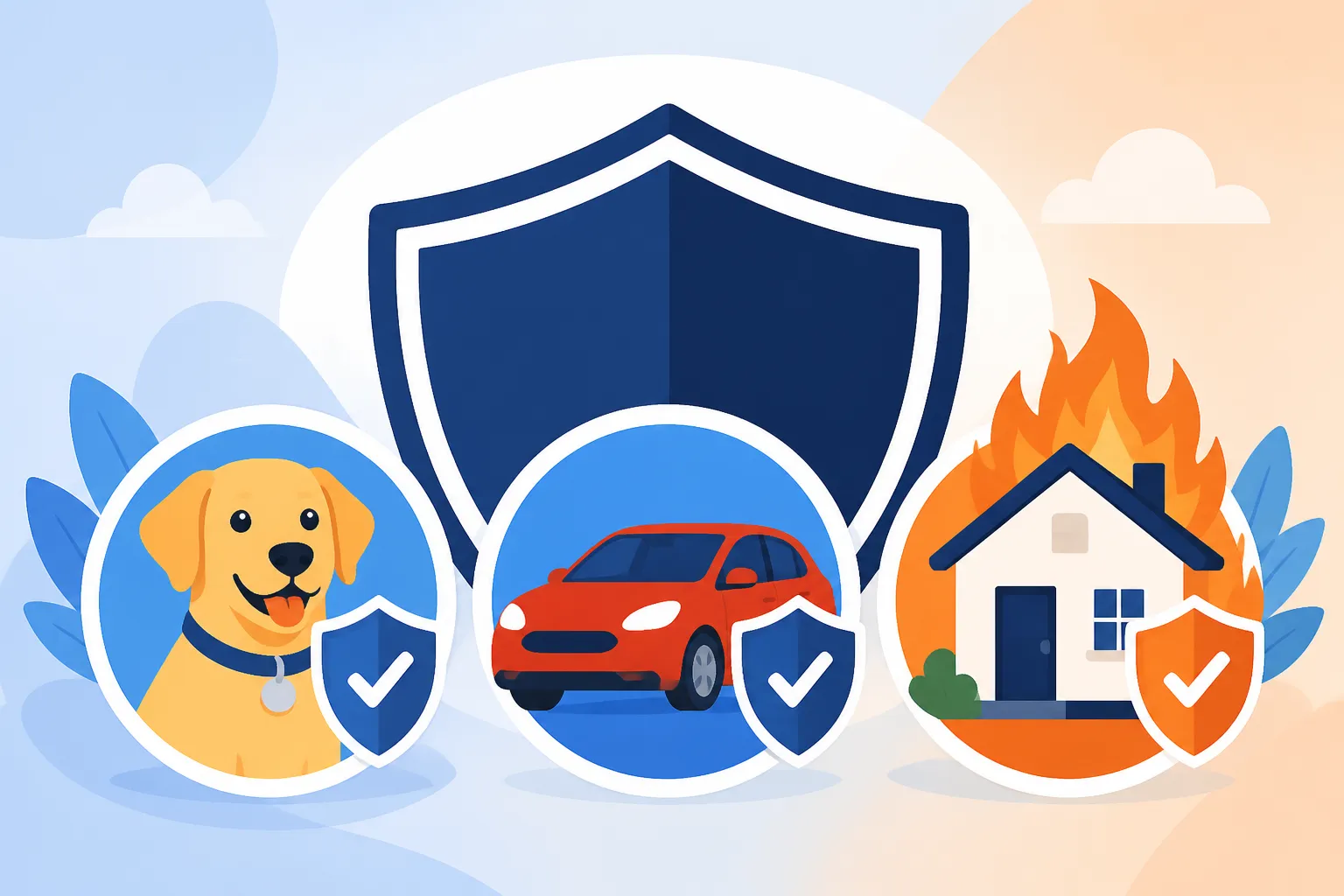
Mandatory Insurances: Dog Insurance, Car Liability, and Fire Insurance
When you first move to Denmark, it feels like there’s a new rule or bureaucratic hoop to jump through every other day. Just when you think you've figured out your CPR number and NemKonto, a whole new world of "mandatory" or "highly recommended" insurances crops up. This guide is here to untangle the complexities of Danish insurance, helping you understand what you absolutely must have, what's a really good idea to get, and why it all works the way it does in your new home.
The Danish Insurance Landscape: A Cultural Introduction
Stepping into the Danish system, especially coming from a country with a different approach to social safety nets, can be a head-scratcher. You might expect a robust welfare state to cover everything, but that's not quite how it works when it comes to personal property and liability. Here, there's a unique blend of public services and individual responsibility, and understanding this balance is key to navigating the insurance world.
Why Insurance Feels Different Here
In many ways, Denmark’s extensive welfare model means certain fundamental needs are covered by the state, like healthcare (once you have your Yellow Health Card, that is!). This public provision for core services can sometimes lead expats to assume that other areas, like personal damages or property loss, might also be broadly covered. However, this isn't the case. While the state takes care of universal healthcare and education, personal liability and protection of private assets fall squarely on the individual. This distinction often surprises newcomers who are used to more individualistic societies where everything is privatized, or more socialized systems where the state steps in more broadly. It’s a nuanced system where understanding these boundaries is crucial, and it’s a big reason why grasping the local insurance requirements is so important.
The Importance of Personal Responsibility
The Danish approach to insurance very much aligns with a sense of personal responsibility. While there's a strong collective spirit in society, when it comes to your actions impacting others, or the protection of your own belongings, the onus is on you. This isn't about being punitive; it's about a clear division of who is responsible for what. For instance, if your dog accidentally bites someone, the expectation is that you, as the owner, will compensate for the damages, and your insurance is there to facilitate that. It’s about ensuring that victims are compensated without undue burden on public funds or protracted legal battles. This mindset underpins why certain insurances aren’t just recommended, but legally enforced. It’s a pragmatic approach to daily life where individual choices and their potential consequences are managed proactively, rather than reactively by the state.
Mandatory Insurances You Cannot Skip
When you move to Denmark, there are a few non-negotiable insurance policies that you absolutely must have, primarily focusing on liability to protect third parties. Failing to secure these can result in hefty fines or significant personal financial risk.
Dog Liability Insurance Hundeforsikring: A Must for Furry Friends
If you're bringing your beloved canine companion to Denmark, or decide to adopt one here, you must have dog liability insurance (ansvarsforsikring). This isn't just a recommendation; it's a legal requirement under Danish law. The reason is simple: should your dog cause damage or injury to a third party, you, as the owner, are held fully liable. This can range from a minor incident, like your dog running into a cyclist and causing them to fall, to something much more serious, such as a dog bite requiring medical attention.
This insurance specifically covers the financial cost of damages your dog might inflict upon others or their property. It doesn't cover your own dog's medical bills (that would be a separate pet health insurance, which is optional), but rather the liability you have as an owner. The coverage typically extends to situations where your dog bites someone, damages another person's property, or causes an accident. If you're found without this mandatory insurance, you could face significant fines. Moreover, certain dog breeds, even if not explicitly banned, might have specific requirements or higher premiums due to perceived risk, so always check with your chosen insurer. It's a small annual fee to protect yourself from potentially ruinous costs, and frankly, it's just part of being a responsible dog owner in Denmark.
Car Liability Insurance Ansvarsforsikring: Hitting the Road Safely
Just like dog owners, car owners also face a mandatory insurance requirement: car liability insurance (ansvarsforsikring). This is absolutely essential if you plan to drive a car in Denmark, and you won't even be able to register your vehicle without it. When you're ready to tackle the complexities of Buying and Registering a Car: The 150% Vehicle Registration Tax, remember that this insurance is step one. This policy is designed to cover damages your car might cause to other people, their vehicles, or their property in an accident. For example, if you rear-end another car, your liability insurance will cover the repairs to their vehicle and any injuries sustained by the occupants. It does not, however, cover damages to your own car or your own injuries – that's where optional comprehensive insurance (kaskoforsikring) comes into play.
The core purpose of ansvarsforsikring is societal protection. It ensures that anyone involved in an accident caused by your vehicle can receive compensation, preventing victims from suffering financial hardship. Without it, you would be personally responsible for these costs, which could easily run into hundreds of thousands, or even millions, of Danish kroner in severe cases. This mandatory insurance is deeply integrated into the process of vehicle ownership here, highlighting the Danish focus on safeguarding individuals against the financial fallout of unforeseen events. It's a crucial part of responsible vehicle ownership and an absolute necessity before your car even touches Danish roads.
Fire Insurance Brandforsikring: Often Hidden in Housing
Fire insurance (brandforsikring) is another mandatory, though often less directly visible, insurance in Denmark, especially for homeowners. If you've taken out a mortgage to buy property here, your lender will invariably require you to have fire insurance as a condition of the loan. This ensures that their investment (your house!) is protected against one of the most devastating forms of damage. This policy covers the physical structure of your home against fire, lightning, explosion, and sometimes other perils like sudden smoke damage.
For renters, the situation is slightly different but no less important. While your landlord's building insurance will cover the structure of the apartment building itself, it will not cover your personal belongings inside your rented space. This is a critical distinction that many expats misunderstand. So, while you might not directly take out a standalone "fire insurance" policy as a renter, the fire coverage for your personal items is typically integrated into a broader home contents insurance policy. When you delve into Renting in Denmark: Complete Guide for Expats (2027), you'll see how various aspects of housing interact with insurance. This means that if a fire were to occur in your rented apartment, and you only relied on the landlord's policy, you'd be left to replace all your furniture, electronics, and personal items out of pocket. Thus, while not strictly a standalone "mandatory" purchase for a renter, securing fire coverage for your belongings via home contents insurance becomes a practical necessity.
Highly Recommended, Almost-Mandatory Insurances
Beyond the legally mandated policies, there are several other insurances that, while not strictly required by law, are so universally important in Denmark that they are often considered "practically mandatory." Skipping these can expose you to significant financial risks that could derail your expat journey.
Home Contents Insurance Indboforsikring: Protecting Your Hygge
Here’s one that often catches expats off guard: home contents insurance (indboforsikring). It's not legally required, but honestly, it’s practically indispensable, and most Danes wouldn’t dream of living without it. Think of it as the bedrock of your personal financial security in your new Danish home. This policy covers your personal belongings against a wide array of perils, including theft, fire, water damage, and vandalism. Imagine if your apartment suffers a burst pipe and all your furniture, electronics, and clothing are ruined, or if your bicycle is stolen from outside your building (a common occurrence, unfortunately!). Without indboforsikring, replacing these items would fall entirely on your shoulders.
What makes this insurance almost mandatory is that it typically includes a crucial component: personal liability insurance (privat ansvarsforsikring). This means that if you accidentally cause damage to someone else's property, or unintentionally injure another person, the policy will cover the costs. For example, if you spill red wine on a friend's expensive rug or accidentally drop your phone on someone's foot, this part of the insurance protects you. This combined coverage makes indboforsikring an incredibly comprehensive and sensible investment. The cost is usually quite reasonable, especially when you consider the peace of mind it offers. For a deeper dive, read more about Indboforsikring: Why Home Contents Insurance is Crucial for Renters. It’s a vital layer of protection that truly helps you cultivate that cozy, worry-free "hygge" lifestyle.
Personal Liability Privat Ansvarsforsikring: The Unexpected Mishaps
While often bundled within home contents insurance, personal liability (privat ansvarsforsikring) is worth highlighting as its own concept because of its immense importance. As mentioned, it's typically part of your indboforsikring, making it seem less like a standalone purchase. However, its function is critical: it covers you for situations where you, as an individual, accidentally cause injury to another person or damage to their property, not involving your car or your dog (those have their own specific liability policies).
Think about everyday scenarios. You’re visiting a friend’s apartment and accidentally knock over a valuable antique vase. Or perhaps you’re cycling (a very Danish activity!) and, through no malice, collide with a pedestrian, causing them minor injury and damaging their expensive watch. These unforeseen events, which are part of daily life, can lead to significant financial demands for compensation. Without privat ansvarsforsikring, you would be personally responsible for these costs, which could be substantial, potentially setting back your financial stability for years. It’s an insurance designed to cover the general risks of living and interacting in society, ensuring that you don't face ruin over an honest mistake. This often-overlooked component of indboforsikring is truly a guardian against the unexpected mishaps of daily life, protecting your financial future from accidental liabilities.
Navigating Providers and Policies
Once you understand what insurances you need, the next step is figuring out who to get them from and how to make sense of the policies. The Danish insurance market is competitive, but also has its own quirks and terminology that can be a bit opaque for newcomers.
Choosing the Right Provider
Denmark has several established and reputable insurance companies, and it’s a good idea to shop around to find the best fit for your needs and budget. Some of the major players you'll encounter include Tryg, Topdanmark, Alm. Brand, If, and GF Forsikring. Each has its own strengths, customer service reputation, and pricing models. Many Danes choose to bundle their insurances (e.g., car, home contents, travel) with one provider to potentially receive discounts.
When choosing, don’t just look at the price. Consider the following:
- Customer Service: Do they offer support in English? Is their claims process straightforward? This is vital, especially when you're still navigating the language and system.
- Coverage Details: Carefully compare what each policy actually covers. The cheapest option might have more exclusions or a higher deductible (selvrisiko). For example, does their indboforsikring cover accidental damage (pludselig skade)?
- Online Tools: Many providers offer online portals for managing policies and reporting claims, which can be very convenient.
- Reviews and Recommendations: Ask fellow expats or check online reviews to get a sense of other people’s experiences. While there are many options, picking one that aligns with your specific needs and offers good English support can make a world of difference when you eventually need to use it.
Understanding the Fine Print
Danish insurance policies, like any legal document, can be dense and filled with specific terminology. It’s absolutely crucial to read the fine print, even if it feels tedious. Don't be afraid to ask for explanations, or even for policy documents in English if available. Many providers cater to the international community and will have resources or dedicated English-speaking advisors.
Here are some common pitfalls and terms to watch out for:
- Selvrisiko (Deductible/Excess): This is the amount you pay out-of-pocket before the insurance kicks in. A higher selvrisiko usually means lower monthly premiums, but you'll pay more if you make a claim. Understand what your selvrisiko is for each type of claim.
- Dækningssum (Sum Insured): For home contents, this is the maximum amount the insurance company will pay out. Ensure it accurately reflects the replacement value of all your belongings. Don’t underestimate this, or you could be underinsured.
- Afskrivning (Depreciation): Understand how the insurer calculates the value of older items. Some policies might pay out the full new price for certain items within a few years of purchase, while others will depreciate items quickly.
- Exclusions: Be aware of what the policy doesn't cover. For instance, some home contents policies might not cover damage from certain types of natural disasters or specific high-value items unless separately declared.
- Anmeldelse af skade (Reporting a Claim): Familiarize yourself with the claims process. How quickly must you report damage? What documentation is required?
Navigating these details can feel like a maze, but taking the time upfront to understand your policy thoroughly will save you a lot of headache and potential financial disappointment down the line.
Costs, Deductibles, and Financial Implications
Understanding the actual costs of insurance in Denmark, what those pesky deductibles mean, and how it all fits into your broader financial picture is essential for responsible expat living. It’s not just about buying a policy; it’s about making an informed financial decision.
Breaking Down the Costs
The price of your insurance premiums in Denmark isn't a one-size-fits-all figure. Several factors come into play, influencing how much you'll pay for each policy.
For dog liability insurance, the breed of your dog can be a significant factor. Certain breeds deemed higher risk might incur slightly higher premiums. Your municipality might also play a minor role, though it’s less impactful than for car insurance.
For car liability insurance, the variables are more numerous and often lead to considerable price differences. Your age, driving experience, and claims history are crucial. Younger drivers with less experience often face higher premiums. The type, make, and model of your car also matter, as do its engine size and safety features. Where you live in Denmark – whether in a bustling city like Copenhagen or a quieter rural area – can also affect the premium, as urban areas typically have higher accident rates. Finally, how many kilometers you drive annually might also factor into the calculation. It’s always worth getting multiple quotes and being honest about your driving habits to ensure accurate pricing.
Home contents insurance (indboforsikring) is primarily influenced by the declared value of your belongings (the dækningssum) and your selvrisiko. The larger the value you need to insure, the higher the premium. Your address and the security measures in your home (e.g., alarm systems) can also play a role, as can the size of your household. Some policies might also factor in whether you live in a house or an apartment, and the general crime rate of your neighborhood.
It’s crucial to remember that these are recurring costs that need to be factored into your Cost of Living in Denmark 2026: Budgets for Singles and Families. While they might seem like an added expense, they are investments in your financial security.
Self-Risk Selvrisiko and Claims Process
The term "selvrisiko" is something you'll encounter repeatedly in Danish insurance, and it's essentially your deductible or excess. It's the fixed amount you agree to pay yourself each time you make a claim, before your insurance company covers the rest. For instance, if you have a selvrisiko of DKK 2,000 on your home contents insurance, and your stolen bicycle is valued at DKK 8,000, you will pay DKK 2,000, and the insurance company will cover the remaining DKK 6,000.
The amount of your selvrisiko is often flexible when you purchase a policy. A lower selvrisiko means you pay less out-of-pocket when a claim arises, but your annual or monthly premiums will typically be higher. Conversely, opting for a higher selvrisiko will reduce your regular payments, but you'll bear a larger initial cost in the event of damage or loss. When choosing, consider your financial comfort level and how frequently you anticipate making claims.
When it comes to the claims process, it generally involves these steps:
- Report the Incident: Contact your insurance company as soon as possible after the incident occurs. For theft, you must first report it to the police and get a police report.
- Provide Documentation: You'll typically need to provide details of the incident, photos of damage, purchase receipts for lost or damaged items, and any relevant police reports.
- Assessment: The insurance company will assess your claim, sometimes sending out an expert to evaluate the damage.
- Payout: If your claim is approved, you’ll receive compensation minus your selvrisiko.
This process can vary slightly between providers, so it's always wise to familiarise yourself with your specific insurer's claims procedures beforehand. Being prepared can significantly streamline what can be a stressful experience.
Tax Implications and Financial Planning
When you're settling into Denmark, every financial decision, including insurance, eventually circles back to taxes. While Denmark has a comprehensive tax system, it's important to understand that most personal insurances, such as home contents, car, and dog liability insurance, are not tax-deductible for individuals. This often comes as a surprise to expats who might be used to deducting certain insurance premiums in their home countries. You won't be able to claim these as expenses on your Taxes in Denmark Explained: A-Skat, AM-bidrag, and Marginal Rates or your annual tax assessment (Årsopgørelse). This means the full cost of the premiums comes out of your net income.
However, there are exceptions. If you run a business (e.g., as a freelancer with a CVR number), business-related insurances (like professional liability or business property insurance) can be tax-deductible as operating expenses. But for your personal day-to-day life, keep in mind that your mandatory and highly recommended personal insurances are an out-of-pocket expense. This highlights the importance of budgeting accurately for these costs when you're setting up your Money in Denmark: Banking, Payments, and Financial Setup for Expats.
For managing these payments, once you have your NemKonto set up, most insurance companies will offer payment via Betalingsservice, which automatically deducts the premium from your bank account. This is the most common and hassle-free way Danes manage recurring bills. If you're new to Denmark and still getting your local finances fully established, or if you need to transfer funds from an international account to cover initial lump-sum payments or annual premiums, services like Wise can be incredibly useful. They offer competitive exchange rates and lower fees than many traditional banks for international money transfers, helping you move funds into your Danish account efficiently to cover these essential expenses.
Insurance at a Glance: Mandatory vs. Highly Recommended
To help you get a clear overview, here’s a quick table summarizing the key insurances discussed and their main characteristics:
| Insurance Type | Mandatory by Law? | Primary Purpose | Key Coverage Areas | Typical Cost Factors |
|---|---|---|---|---|
| Dog Liability (Hundeforsikring) | Yes | Protects owner against third-party claims for damages/injuries caused by dog | Damages/injuries to other people, their property, or other animals by your dog. | Dog breed, municipality (minor), chosen deductible. |
| Car Liability (Ansvarsforsikring) | Yes | Protects driver against third-party claims for damages/injuries caused by car | Damages/injuries to other people, their vehicles, or property in an accident. | Driver's age/experience, claims history, car type/model, engine size, annual mileage, municipality, chosen deductible. |
| Fire Insurance (Brandforsikring) | Often, indirectly | Protects property structure (homeowners) or contents (renters via Indboforsikring) | Fire, lightning, explosion, smoke damage to building (owner) or personal belongings (renter). | Property value (owner), contents value (renter), location, security, chosen deductible. |
| Home Contents (Indboforsikring) | No (Highly Rec.) | Protects personal belongings; often includes personal liability | Theft, fire, water damage, vandalism to belongings; includes personal liability for accidental damage to others. | Contents value, location, security, household size, chosen deductible. |
| Personal Liability (Privat Ansvarsforsikring) | No (Highly Rec.) | Protects individual against accidental damage/injury to third parties (non-car/dog) | Accidental damage to others' property, accidental injury to other people. (Often part of Indboforsikring). | Typically included in Indboforsikring, so factors are the same as contents insurance. |
Disclaimer
Please remember that this guide provides general information based on current Danish laws and common practices. Insurance regulations and offerings can change, and your specific situation may require tailored advice. Always consult directly with insurance providers and, if necessary, legal professionals to ensure you have the appropriate coverage for your unique circumstances.