NemKonto and MitID: The Core of Danish Digital Finance (2027)
Oh, trying to get your head around the Danish financial and digital landscape? Believe me, I’ve been there. It feels like you’ve just landed in a meticulously organized yet utterly alien world where everything runs on invisible digital threads. One minute you’re trying to open a bank account, the next you’re being told you need a NemKonto, which then requires MitID, and suddenly you’re in a bureaucratic loop that could make even the most seasoned expat feel utterly lost. But don't despair! This comprehensive guide is here to untangle the NemKonto and MitID maze, explaining exactly why these two systems are the absolute bedrock of your financial and administrative life in Denmark, how to get them, and how to use them without losing your mind.
The Digital Backbone: Understanding NemKonto and MitID
When you first arrive in Denmark, you quickly learn that cash is, for the most part, obsolete, and physical paperwork is rapidly following suit. Instead, you're expected to navigate an almost entirely digital infrastructure. At the heart of this system are two non-negotiable pillars: NemKonto and MitID. You might feel a pang of frustration wondering why a simple bank account isn't enough, but these aren't just extra steps; they are fundamental to how Denmark operates, ensuring security, efficiency, and transparency in virtually all your interactions with both public and private entities. Embracing them isn't just a suggestion; it's a requirement to truly live and thrive here.
What Exactly is NemKonto?
Think of NemKonto, which literally translates to "Easy Account," as your official designated primary bank account for all transactions involving public authorities in Denmark. It's not just any bank account; it's the specific account that the Danish state, municipalities, and even some private companies use to pay money to you. This includes everything from your salary, if you work for a public institution, to tax refunds, child benefits, pension payouts, unemployment benefits (dagpenge), and even student grants (SU). The concept is ingeniously simple: once designated, all public payments go to this one, single account, eliminating the need for you to constantly provide your bank details to various authorities.
The reason behind NemKonto is rooted in efficiency and security. By having one verified account linked to your unique CPR number – your civil registration number – the Danish state can ensure that funds reach the correct person swiftly and without error. Imagine the administrative nightmare if every single individual had to manually update bank details with SKAT (the tax agency), Udbetaling Danmark (the public benefits administrator), and their employer separately. NemKonto streamlines this process entirely. For you, the expat, it means less paperwork, fewer forms to fill out, and a much smoother experience receiving money that you are entitled to. Without a NemKonto, receiving critical payments can become a significant hurdle, delaying funds you might desperately need. It's a legal requirement if you're receiving payments from public authorities, which you almost certainly will be at some point during your stay.
MitID: Your Digital Key to Denmark
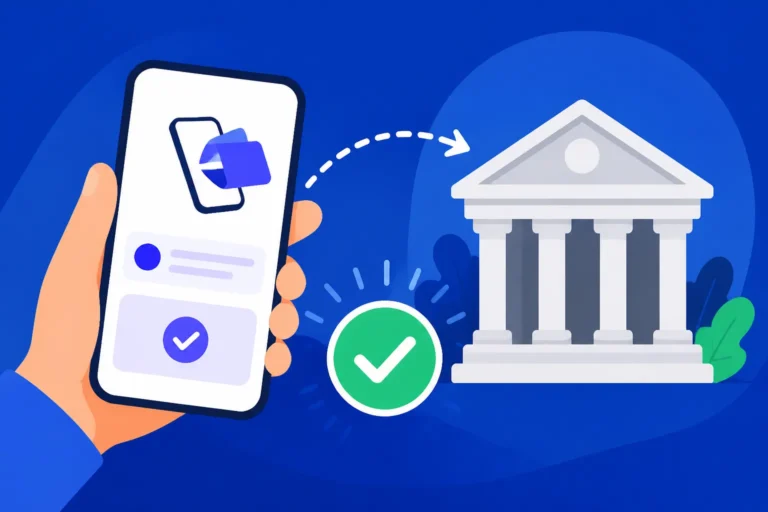
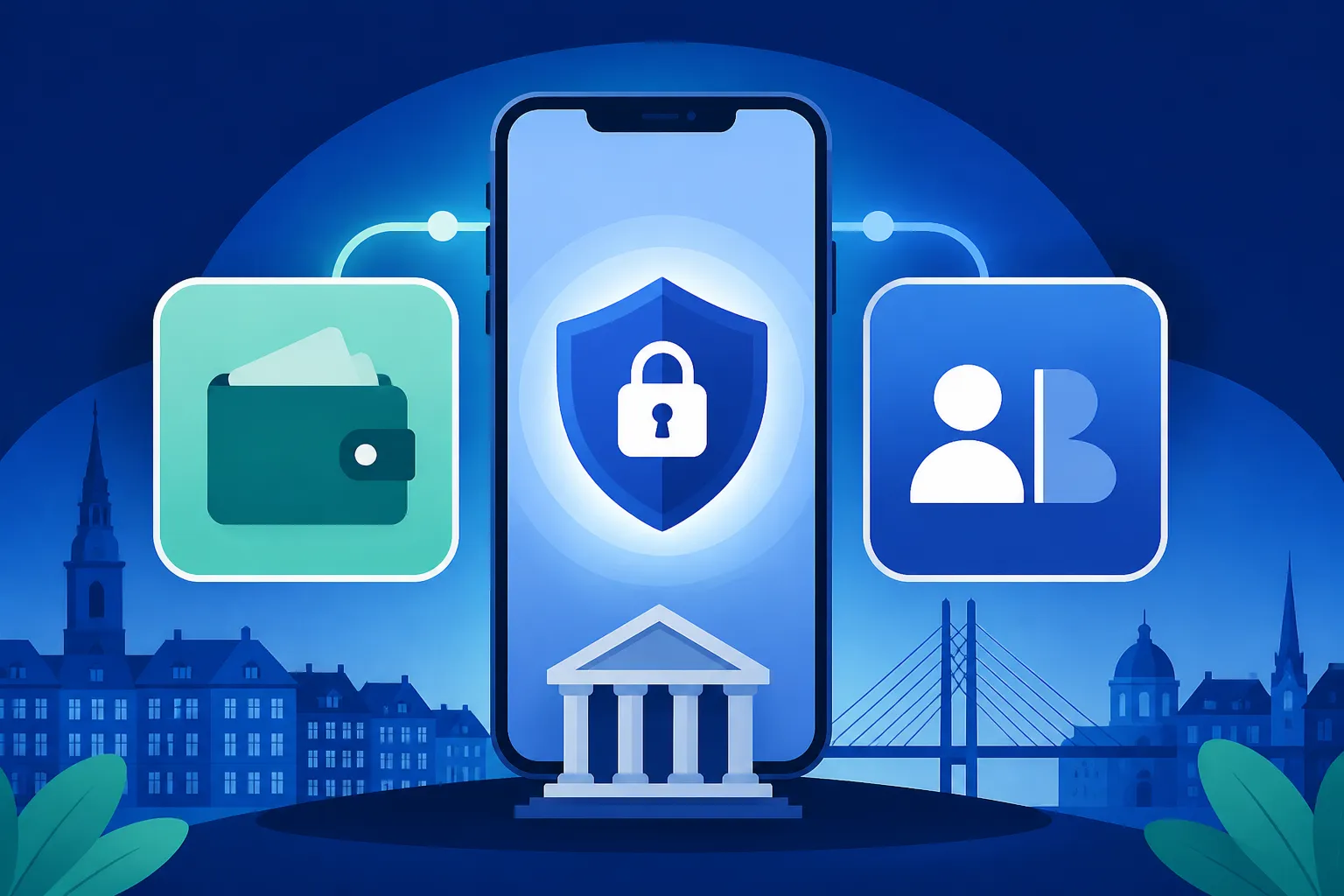
If NemKonto is the account where your money flows, then MitID is your digital key that unlocks access to nearly everything else. MitID is Denmark's official digital ID solution, replacing the older NemID system. It’s essentially your electronic signature and proof of identity rolled into one secure, smartphone-based application (or physical device). You'll use it to log into your online banking, access your tax information on SKAT.dk, check your medical records on Sundhed.dk, communicate with public authorities via Borger.dk, and even approve online purchases.
The ubiquity of MitID can feel overwhelming at first. You might be accustomed to separate logins for different services in your home country. Here, MitID consolidates access, providing a single, highly secure authentication method across hundreds of public and private platforms. Its design prioritizes security, using advanced encryption and multi-factor authentication to protect your personal data and financial transactions. This unified approach means that once you have MitID set up, you gain access to a vast array of digital services, transforming previously complex administrative tasks into simple clicks on your phone or computer. It truly is the "key" to navigating modern Danish life, and without it, you'll find yourself severely limited in managing even the most basic aspects of your residency, from paying bills to checking your payslip.
Setting Up Your NemKonto: The Essential First Steps
The process of setting up your NemKonto is often one of the first bureaucratic hurdles you'll face as an expat. It’s straightforward once you understand the prerequisites, but those prerequisites can cause a bit of a Catch-22 situation for newcomers. This is where patience and careful planning become your best friends.
The CPR Number Requirement and Choosing Your Bank
The absolute, non-negotiable foundation for NemKonto is your CPR number. Without this unique 10-digit civil registration number, you simply cannot establish a NemKonto, as it's the primary identifier linking you to all public services. This means that before you can even think about your NemKonto, you must successfully complete your CPR Registration Rule: Why Your Address Matters. It’s a common point of frustration for expats: you need a bank account for your salary, but you need a CPR number for the bank account, and you need an address to get a CPR number. It feels like trying to catch smoke!
Once you have your precious CPR number in hand, the next step is to choose a bank. Denmark offers a range of options, from traditional brick-and-mortar institutions like Danske Bank, Nordea, Nykredit, and Jyske Bank, to newer digital-first banks like Lunar. Each has its pros and cons for expats. Traditional banks often have more established English-speaking support, physical branches you can visit, and a broader range of services, but they might also have higher fees or more stringent requirements for opening an account. Digital banks, on the other hand, can offer lower fees, faster online setup, and user-friendly apps, but they might lack physical presence or extensive advisory services.
When selecting a bank, consider:
- English-speaking support: How easy is it to communicate with customer service?
- Fees: What are the monthly account maintenance fees, and are there transaction fees?
- Digital services: Does their online banking and app integrate well with other Danish digital services?
- Physical branches: Do you prefer having a physical branch to visit for complex issues?
Many expats find that traditional banks, despite their potentially higher fees, offer a smoother onboarding experience due to their familiarity with international clients and their need for personal assistance. You might find some useful comparisons in our guide on Traditional Banks vs. Digital Banks (Lunar): Which is Best for Expats?.
The Bank Account Opening Process for Expats
Once you've chosen a bank, you’ll typically need to schedule an appointment, even if it’s a digital bank that primarily operates online. The physical meeting (or video call for digital banks) is often a compliance requirement to verify your identity and explain the terms.
Here’s a typical checklist of documents you’ll need:
- Valid Passport or National ID Card: This is your primary form of identification.
- CPR Number: As mentioned, absolutely essential.
- Danish Residence Permit or EU Registration Certificate: Proof of your legal right to reside in Denmark.
- Employment Contract or University Admission Letter: Banks need to understand your source of income or purpose of stay. This helps them with money laundering regulations.
- Proof of Address: A rental contract or official letter from your municipality (Bopælsattest) confirming your Danish address.
- MitID: While you don't need MitID to open the account, you will need it shortly after to access online banking and designate your NemKonto.
The bank account opening process can sometimes be frustratingly slow, ranging from a few days to several weeks, particularly if you're a non-EU citizen or if your documents require extra verification. It's not uncommon to experience delays, so try to start this process as soon as possible after getting your CPR number. Once your account is opened, the bank will usually guide you through the process of designating it as your NemKonto. They will connect it directly to the NemKonto register, typically through their online banking portal, which you'll then need MitID to access. Rest assured, the banks are well-versed in this process and will help you complete the final step of Setting Up Your NemKonto: How to Link It to Receive Salary and SU.
Navigating MitID Registration: From Physical to Digital
Once your bank account is active and linked to your NemKonto, your next critical step is to get MitID. This is the digital key that truly unlocks your financial and administrative life in Denmark. The good news is that for most expats, the easiest way to get MitID is often through their newly opened Danish bank.
Obtaining MitID: Options and Requirements
MitID comes in a few forms, but the most common and convenient for daily use is the MitID app on your smartphone or tablet. This app allows you to approve logins and transactions with a swipe or a tap, often requiring a quick fingerprint or face ID verification for added security. However, if you don't have a smartphone or prefer a physical device, there are alternatives:
- MitID code display (kodeviser): A small electronic device that shows a one-time code.
- MitID code reader (kodeoplæser): A device that generates codes and requires your personal MitID PIN.
For most new arrivals, getting MitID typically happens in one of two ways:
- Via your Danish bank: This is usually the smoothest path. When you open your bank account, the bank will often assist you in ordering or activating your MitID. They will guide you through the initial registration steps, which usually involves verifying your identity with your passport and then receiving an activation code, either by mail or digitally, to set up the MitID app.
- Via Borger.dk or a Citizen Service Centre (Borgerservice): If for some reason you can't get it through your bank, you can register for MitID through Borger.dk, but this often requires a visit to a physical Borgerservice center. You'll need to bring valid identification (like your passport and residence permit) and your CPR number. The staff there can help you through the registration process and order a physical code display or assist with app activation.
There are a few key requirements to keep in mind:
- Age: You must be at least 13 years old to get MitID.
- Valid ID: Your passport or national ID must be valid.
- CPR Number: Again, absolutely essential.
- Danish mobile number: While not strictly required for the app, it is highly recommended as it simplifies security and recovery processes.
After successfully registering, you’ll set up a personal MitID user ID and a unique 6-digit PIN code. Remember these, as you’ll be using them constantly. Don't be surprised if you're given a temporary password or activation code that expires quickly; this is part of the security protocol. The full guide on Using MitID for Banking: Security, Device Registration, and App Setup can walk you through the specifics.
Troubleshooting Common MitID Hurdles
Let’s be honest, technology, especially when it’s tied to your entire digital existence, can sometimes fail. And when it comes to MitID, a lost phone or a forgotten password can feel like being locked out of your own life. But don't panic – there are established procedures to help you.
Common issues expats face include:
- Lost or broken smartphone: Since the MitID app is linked to your device, losing your phone means losing your MitID access.
- Forgotten user ID or PIN: It happens! Especially with so many new codes to remember.
- Blocked MitID: If you try to log in too many times with incorrect details, your MitID might get temporarily blocked for security reasons.
- Expired ID: If your passport or residence permit expires, your MitID might be flagged for re-verification.
If you encounter any of these problems, your first port of call should generally be your bank’s customer service. They are often equipped to help with basic troubleshooting, password resets, or ordering a new activation code. However, for more complex issues, especially those requiring identity verification, a visit to a local Citizen Service Centre (Borgerservice) is usually necessary. They have specialized staff who can re-verify your identity, issue new temporary activation codes, or assist with registering a new device. Remember to bring all your identification documents with you.
It's also crucial to maintain strong security practices. Never share your MitID user ID or PIN with anyone, not even official-sounding emails or phone calls claiming to be from your bank or SKAT. Phishing scams are unfortunately common, so always be vigilant. The MitID system itself is robust, but user error is often the weakest link. Think of your MitID as you would your physical passport and wallet – guard it carefully.
Why These Two Systems Are Indispensable for Daily Life
Okay, so you’ve got your NemKonto and your MitID. You might still be thinking, "Why all the fuss?" The answer becomes incredibly clear once you start living here. These two systems aren't just for opening a bank account or filing taxes; they are deeply integrated into the fabric of daily life in Denmark, making countless interactions with public and private services efficient, secure, and entirely digital.
NemKonto: The Flow of Your Finances
Your NemKonto isn't just a recipient for your salary; it's the designated destination for almost any payment you receive from a Danish public authority or government-related entity. This covers a wide spectrum of financial inflows that you might experience during your time here. For instance, when it comes to your salary, if your employer uses the public payroll system or a significant portion of your income comes from public funds (e.g., if you work in healthcare, education, or for the municipality), your NemKonto will be the account where your wages are deposited. Similarly, if you're a student, your monthly State Educational Grant (SU) will land directly in your NemKonto.
Beyond regular income, your NemKonto is crucial for:
- Tax Refunds: Come tax season, if you've overpaid your taxes (which many expats do initially, until their Preliminary Tax Assessment (Forskudsopgørelse): Avoiding Tax Debt is correctly set), your refund from SKAT will automatically be transferred to your NemKonto. No need to chase it down!
- Unemployment Benefits (Dagpenge): If you're registered with an A-kasse (unemployment insurance fund) and become unemployed, your benefits will be paid into this account. You can learn more about this in Dagpenge (Unemployment Benefits): How Much Do You Get from A-Kasse?.
- Child Benefits (Børne- og ungeydelse): If you have children, these benefits, paid quarterly by Udbetaling Danmark, will also go directly to your NemKonto.
- Pension Payouts: If you start receiving public pension payments, they will also be directed to your NemKonto.
- Sickness Benefits (Sygedagpenge): If you're off work due to illness and qualify for sickness benefits from your municipality, you guessed it – NemKonto.
The beauty of NemKonto is its set-and-forget nature for receiving money. Once linked, you rarely have to think about it. It’s a foundational element for maintaining your financial stability and ensures you receive all the public funds you’re entitled to without hassle.
MitID: Your Access Pass to Public and Private Services
MitID, on the other hand, is your omnipresent digital signature and login for practically every online service in Denmark. It's truly your universal access pass.
Here’s a glimpse of where you’ll be using it constantly:
- Online Banking: This is perhaps the most frequent use. Every time you log into your online bank to check your balance, transfer money, or pay bills, you'll authenticate with MitID. This includes signing up for automatic bill payments via Betalingsservice.
- SKAT (The Tax Agency): Whether you're checking your Annual Tax Assessment Notice (Årsopgørelse): Claiming Deductions, adjusting your Forskudsopgørelse, or simply viewing your tax details, MitID is your gateway to SKAT.dk. Understanding your taxes is a big part of expat life, and MitID makes it manageable.
- Sundhed.dk (Healthcare Portal): This is your personal health hub. With MitID, you can access your medical records, see test results, renew prescriptions, communicate with your GP (læge), and manage appointments. A vital resource, as explained in Sundhed.dk and MitID: Navigating Denmark’s Digital Health Portals.
- Borger.dk (Citizen Portal): This comprehensive portal is your official communication channel with the Danish public sector. You’ll use MitID to log in and update your address, apply for various benefits, find information on public services, and receive digital post from authorities. Seriously, so much goes through here.
- MobilePay: Denmark is virtually cashless, and MobilePay is the undisputed king of digital payments. To set up and use MobilePay, you absolutely need MitID to link your bank account and verify your identity. If you want to know more about it, check out MobilePay and Cashless Denmark: Surviving Without Physical Cash.
- Utility Providers: Many internet, electricity, and heating providers will require you to use MitID to sign up for services, manage your account, and set up direct debits.
- E-Boks and Mit.dk: These are your official digital mailboxes where you receive important letters from public authorities, your bank, and even some private companies. Logging in requires MitID.
Without MitID, you would be severely limited. You wouldn't be able to manage your finances effectively, access your healthcare information, communicate digitally with the government, or participate in the country's prevalent cashless payment system. It's not an exaggeration to say that MitID is essential for modern living in Denmark.
Managing Your Money with NemKonto and MitID: Practicalities and Tips
Once you’re set up with NemKonto and MitID, the day-to-day management of your finances becomes much more seamless. However, there are still practical considerations, especially when it comes to switching banks or managing international money transfers, which are often a concern for expats.
Changing Your NemKonto and Bank Accounts
Life happens, and sometimes you might want to switch banks. Perhaps you found a better deal, or you're simply not happy with your current bank’s service. The good news is that changing your NemKonto is a relatively straightforward process, designed to be user-friendly.
If you decide to switch banks:
- Open a new account: First, you’ll need to open an account with your new chosen bank, following the same process as your initial setup.
- Designate new NemKonto: Once the new account is active, you can designate it as your NemKonto. This is typically done through your new bank’s online banking portal using your MitID. There will usually be a clear option to "Register NemKonto" or "Change NemKonto." The system automatically deregisters your previous account as the NemKonto when a new one is designated.
- Update direct debits (Betalingsservice): While your incoming public payments will automatically redirect to your new NemKonto, you'll need to manually update any existing direct debits (Betalingsservice agreements) from your old account to your new one. Your new bank will often assist with this, or you can do it via your online banking using MitID. This is important for ensuring your rent, utility bills, and subscriptions continue to be paid without interruption.
It's advisable to keep your old bank account active for a short period after switching, just to ensure all automatic payments and incoming transfers have successfully migrated to your new NemKonto. This overlap prevents any missed payments or complications during the transition.
International Transfers and Currency Exchange
While NemKonto handles all your incoming DKK payments from Danish public entities, it's not designed for sending money internationally or managing foreign currency. For expats, this is a crucial distinction. When you need to send money home to family, pay for expenses in your home country, or manage funds in different currencies, your Danish bank account and MitID will facilitate the transaction, but you'll often look to specialized services.
Danish banks offer international transfer services, but they can sometimes come with higher fees and less favorable exchange rates compared to dedicated money transfer platforms. This is where services like Wise (formerly TransferWise) come in handy. They specialize in international money transfers, often offering competitive exchange rates and lower fees than traditional banks. For example, if you're sending your DKK salary back to a USD or EUR account in your home country, platforms like Wise can significantly reduce the cost.
Here's a quick comparison to illustrate why expats often use dedicated services:
| Feature | Danish Traditional Bank Transfer | Wise (example) |
|---|---|---|
| Exchange Rate | Often includes a hidden markup on the interbank rate | Uses the mid-market rate, with a transparent, upfront fee |
| Fees | Can have higher fixed fees per transfer, sometimes correspondent bank fees | Low, transparent fees, often a percentage of the transfer amount |
| Speed | Typically 1-5 business days, depending on destination | Often same-day or next-day, depending on currency and destination |
| Transparency | Final amount received might not be clear upfront | Shows exactly how much will be received, including all fees |
| Convenience for Expats | Integrated with your primary bank, but less optimized for FX | Designed for international transfers, supports multiple currencies |
Your Danish bank account, accessed via MitID, will be the source of your funds for any international transfer, whether through your bank's own service or a third-party provider like Wise. You'll log into your Danish online banking with MitID, initiate a transfer to the external service (or directly to an international recipient), and then the chosen service will handle the currency conversion and delivery. Understanding these options can save you a significant amount of money over your time in Denmark, especially if you're frequently moving funds across borders.
Security, Privacy, and the Digital Future
In a country as digitally advanced as Denmark, the security and privacy of your personal and financial data are paramount. Both NemKonto and MitID are designed with robust security measures, but user awareness and vigilance play a critical role in protecting yourself. The emphasis on digital solutions also means staying informed about the ongoing evolution of these systems.
Protecting Your MitID and Personal Data
The single sign-on nature of MitID, while convenient, means that compromising your MitID account could potentially give unauthorized access to a wide range of your personal and financial information. Therefore, protecting your MitID is crucial.
Here are some essential tips for keeping your MitID secure:
- Never share your MitID details: This includes your user ID, PIN, and any codes from your code display or app approvals. No legitimate entity – not your bank, not SKAT, not the police – will ever ask you for this information over the phone, email, or text message.
- Be wary of phishing attempts: Scammers frequently impersonate official organizations to trick you into revealing your MitID details or clicking malicious links. Always double-check the sender of emails or messages. Look for official domain names and remember that real government or bank communications will typically appear in your official digital mailbox (E-Boks or Mit.dk), which you access with MitID.
- Use strong, unique PINs: Choose a PIN that is not easily guessable and different from other passwords you use.
- Keep your device secure: Ensure your smartphone or tablet is protected with a strong password, fingerprint, or face ID. Keep your device’s operating system and the MitID app updated to benefit from the latest security patches.
- Enable notifications: The MitID app often provides notifications for login attempts. If you receive a notification for a login you didn't initiate, immediately reject it and report it to MitID support or your bank.
- Report suspicious activity immediately: If you suspect your MitID has been compromised, contact your bank and MitID support as quickly as possible to block access.
The Danish authorities take digital security very seriously, and the MitID system is built on strong cryptographic principles. However, the human element is always the most vulnerable, so educating yourself on best practices is your best defense against fraud. For more detailed advice, consider reviewing the security guidelines provided on the official MitID website (MitID.dk).
The Evolution of Digital Identity in Denmark
Denmark has a long history of embracing digitalization in public services, from the early days of NemID to the current MitID system. This commitment to a seamless digital infrastructure is deeply ingrained in Danish society and public administration. The shift to MitID, completed in 2023, represented a significant upgrade in security and user experience. It streamlined authentication processes and provided a more robust platform for future digital services.
For expats, this means living in a country where almost every administrative task can be handled online, often with greater efficiency than in many other nations. From managing your Healthcare in Denmark for Foreign Residents: Complete System Guide (2027) to communicating with your municipality, digital solutions are the norm. This digital-first approach means that you should expect further innovations and integrations in the future. The government continuously invests in improving these systems, aiming to make interactions even more secure, convenient, and intuitive.
While the initial setup might feel like a steep learning curve, getting comfortable with NemKonto and MitID is not just about compliance; it's about fully participating in and benefiting from Denmark's highly advanced digital society. These systems are foundational to everything from your personal finances and tax obligations, which a company like Taxes for Expats can help you navigate, to your healthcare and civic duties. Embracing them truly puts the power of Danish public services at your fingertips, making your expat journey smoother and more integrated.
Disclaimer
The information provided in this guide is for general informational purposes only and does not constitute financial, legal, or tax advice. While we strive to keep the information up-to-date and accurate, regulations and procedures in Denmark can change. Always consult with official Danish authorities, your bank, or a qualified professional for advice tailored to your specific situation.